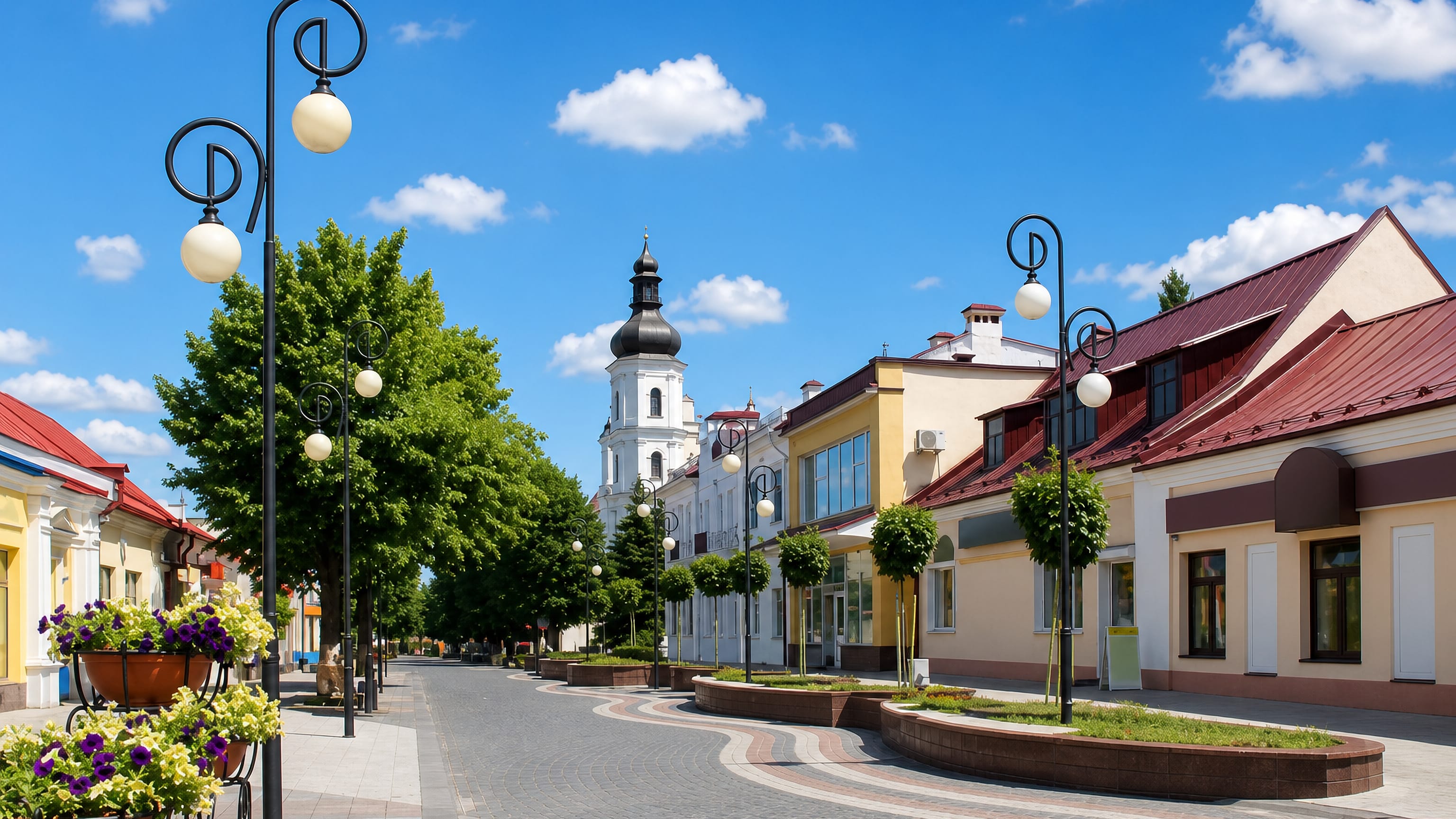
Belarus · Brest Oblast
Where to Stay in Pinsk, Brest Oblast
Pinsk is an old town of southern Belarus, the capital of the Polesian marshes, a river port with a baroque old town on the edge of the great wetlands.
Find your area →


Where to stay in Pinsk
Where visitors usually base themselves, and why.
Where you stay in Pinsk turns on the old town or the marsh. The streets around the river keep the churches, the college, and the market within a walk, and staying downtown suits anyone here for the old town. The church towers rise high.
Boats fill the river. Out toward the wetlands and the reeds, the town gives way to the marsh villages, the river channels, and the wide Polesie. A room by the water trades the streets for the reed-fringed rivers, the flat-boats, and the great birds of the marsh.
The wetlands run to the edge. Stay downtown for the churches, or by the water for the marsh. Pinsk itself stands only a little back from the reed country.
Things to do in Pinsk
Ranked by global recognition; descriptions from Wikidata (CC0).
Museums & Galleries
1- Museum of Belarusian Palesse
Churches & Religious Sites
4- Cathedral Basilica of the Assumption of the Blessed Virgin Mary Heritage
- Church of St. Barbara, Pinsk Heritage
- Church of St. Charles Borromeo, Pinsk Heritage
- Monastery of Bernardines, Pinsk Heritage
Castles & Historic Sites
2- Помнік Уладзіміру Ільічу Леніну Heritage
- Karolin Castle
worth knowingacross 3 categories in Pinsk
About Pinsk
Pinsk is the town of the Polesian marshes.
What is Pinsk known for?
On the edge of the great wetlands of Polesie in southern Belarus, where the rivers spread into reed and water, it kept its old town through the wars, and it keeps a fine baroque quarter of churches and a Jesuit college, a busy river port on the Pina, the vast marshes and floods of the spring around, and the flat-boat life of the Polesian people. The rivers spread wide and slow. The marshes reach the sky.
What are the main landmarks in Pinsk?
The old town is the pride of Pinsk. The baroque quarter by the river, with its great Jesuit college and tall church towers little changed in centuries, is the emblem of the town, on the Pina. A grand cathedral rises above.
The domed cathedral of the old orders stands over the streets nearby, while the marsh museum, the river port, and the reed-lined waters mark the country around Pinsk.
What is the history of Pinsk?
Pinsk is very old. A town stood here on the marsh rivers nine hundred years ago, the seat of a small principality, and it passed in time to the Grand Duchy of Lithuania and the realm of Poland. The marsh kept it apart.
Ringed by waters that armies could scarcely cross, Pinsk grew as the chief town and market of the whole Polesie, its boats trading grain, timber, and fish along the rivers. Faith built its fine old town. Under Poland the Jesuits and other orders raised a great college and baroque churches that still stand by the river, and Pinsk became a place of many peoples and faiths on the edge of the marsh.
War passed hard over it. The town changed hands and suffered much in the wars of the last century, yet its old quarter came through, and Pinsk lived on by its river, its port, and the marshes around, keeping its churches and its old streets. The boats still work the Pina.
Pinsk keeps its old town and its marshes in the south of Belarus.
Where is Pinsk?
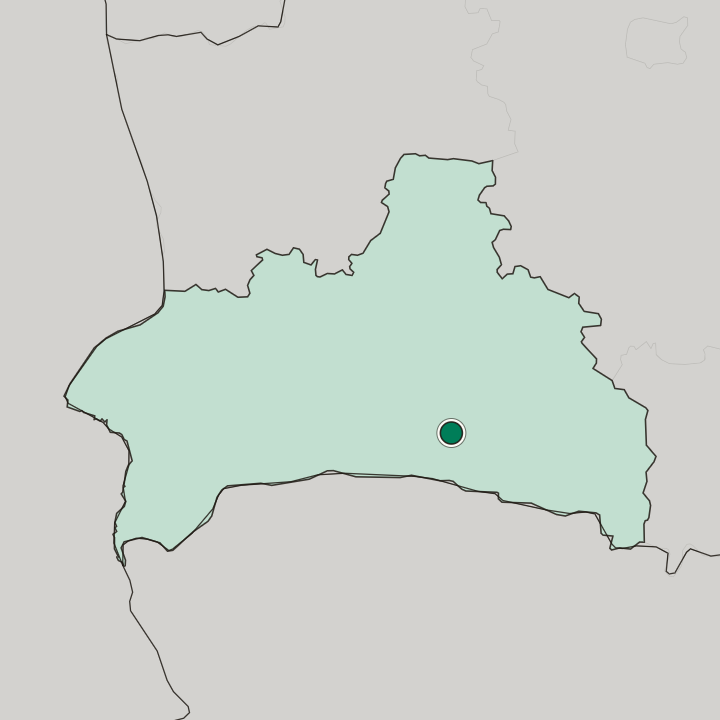
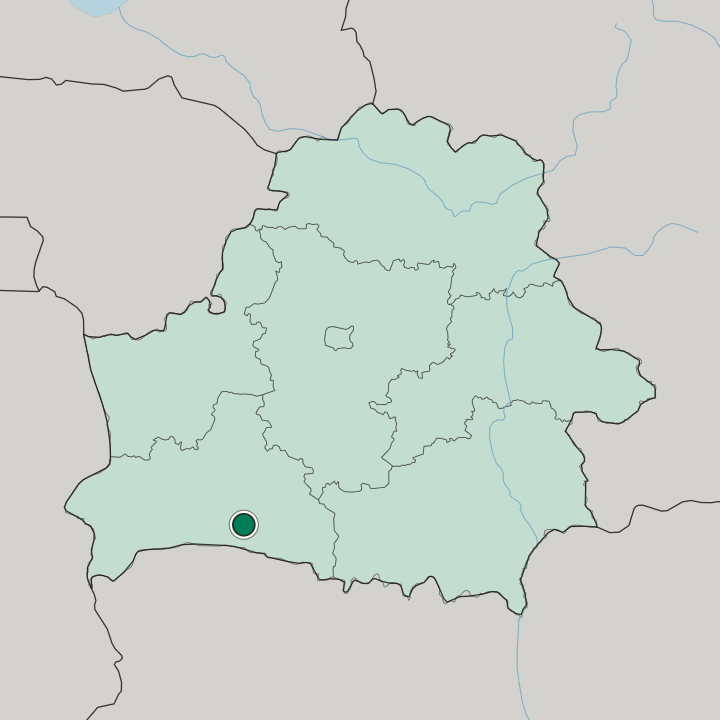
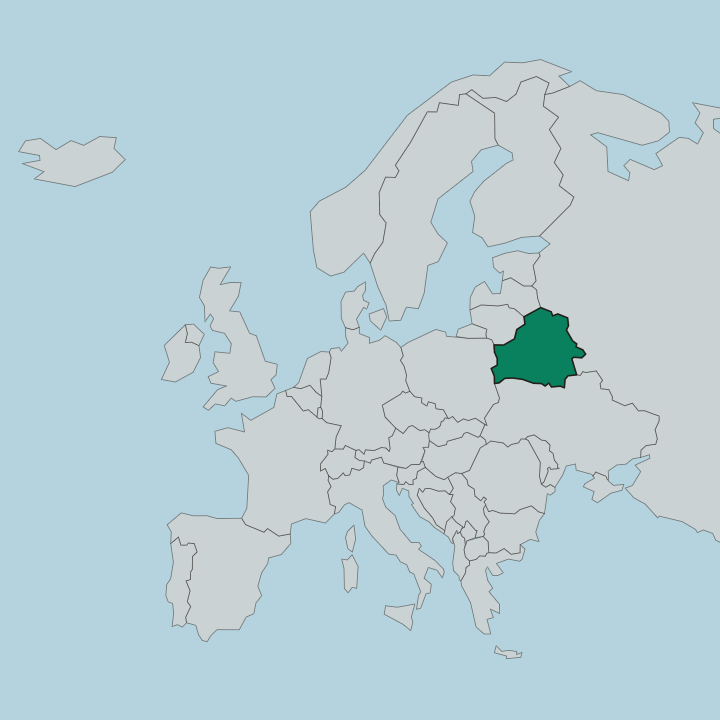
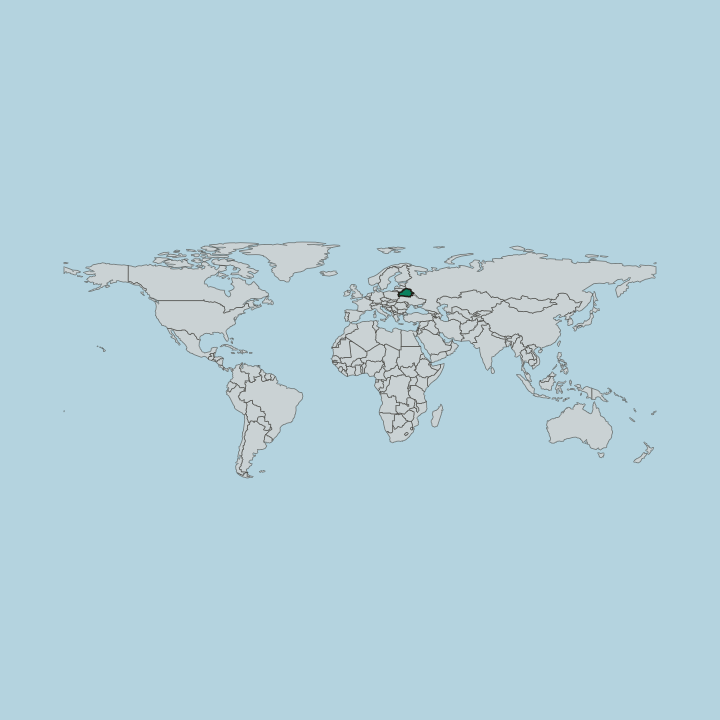
Pinsk lies in the far south of Belarus, on the Pina river at the heart of the Polesian marshes. The town sits on slightly higher ground above the wetlands where the Pina joins the Pripyat, amid a vast flat land of rivers, reeds, and bog that floods wide each spring, with meadows and pine woods around. Rivers wind through the reeds.
The marsh runs flat to the edge.
What is the climate of Pinsk?
Pinsk has a cool, damp continental climate. Warm summers and cold snowy winters cross the marshes, with wet springs of flood and thaw and long grey winters. The spring floods the low land.
Winter freezes the reeds.
How do you get to Pinsk?
Pinsk lies in the far south of Belarus, on the Pina in the Polesian marshes. Roads and a rail line run to it across the wetlands from Brest and Minsk, and boats work the river. Barges cross the marsh rivers.
Brest lies west across the bog.
Good for
More cities in Brest Oblast
Updated September 2026