Belarus
Brest Oblast, Belarus — Towns & Travel Guide
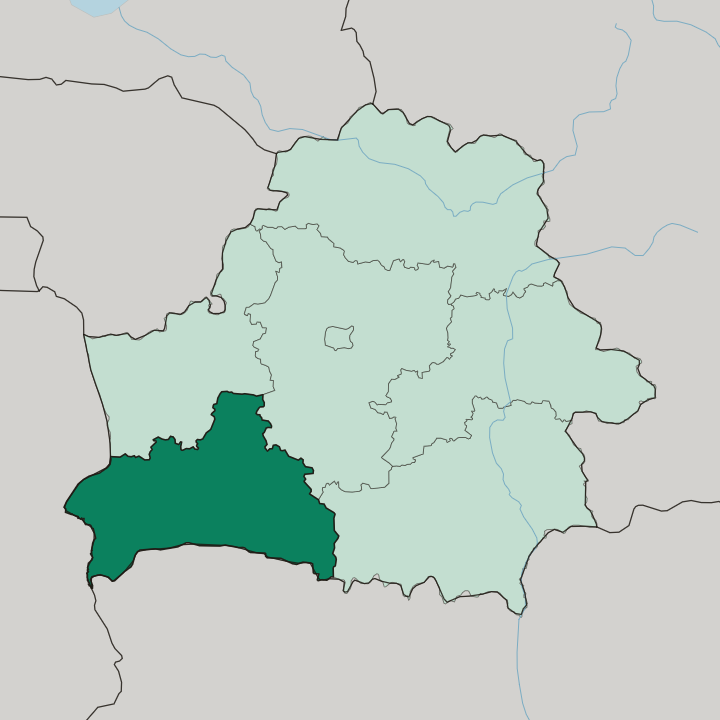
Brest Oblast fills the south-western corner of Belarus, where the Western Bug marks the Polish border and Polesia's marshes spread east.
Find your area →


Towns & cities in Brest Oblast
Pick a town or city — each links to where to stay.
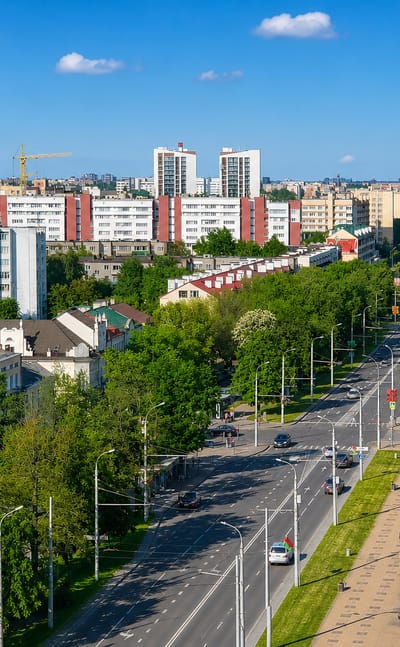
 Belarus
Brest
Brest guards the western frontier of Belarus, a city in Brest Oblast known for the vast Brest Fortress and the Berestye Archeological Museum.Where to stay →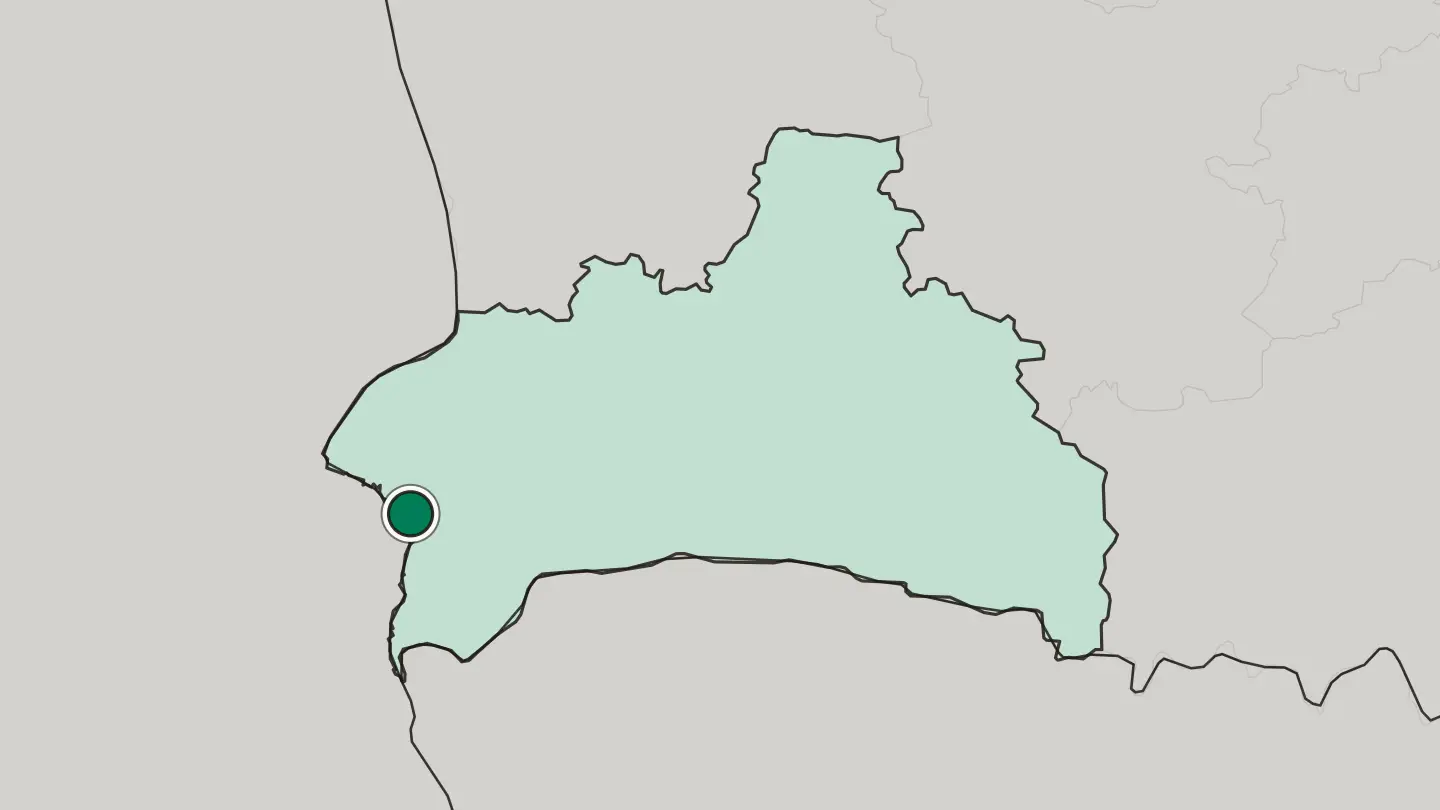
 Belarus
Baranovichi
Baranovichi is a city of Brest Oblast in western Belarus, dating from 1627, with a railway museum, a homeland museum and many war memorials.Where to stay →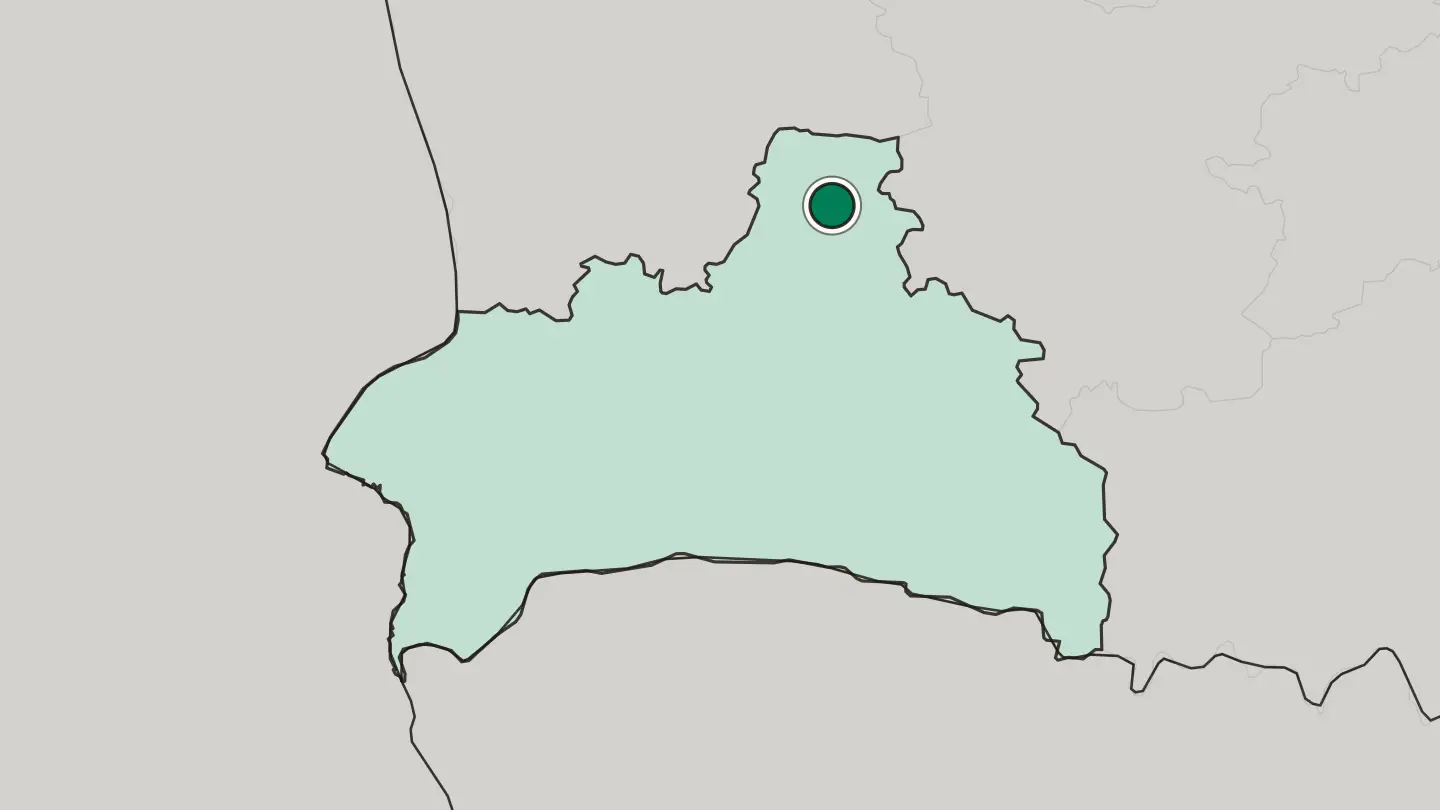
 Belarus
Pinsk
Pinsk is an old town of southern Belarus, the capital of the Polesian marshes, a river port with a baroque old town on the edge of the great wetlands.Where to stay →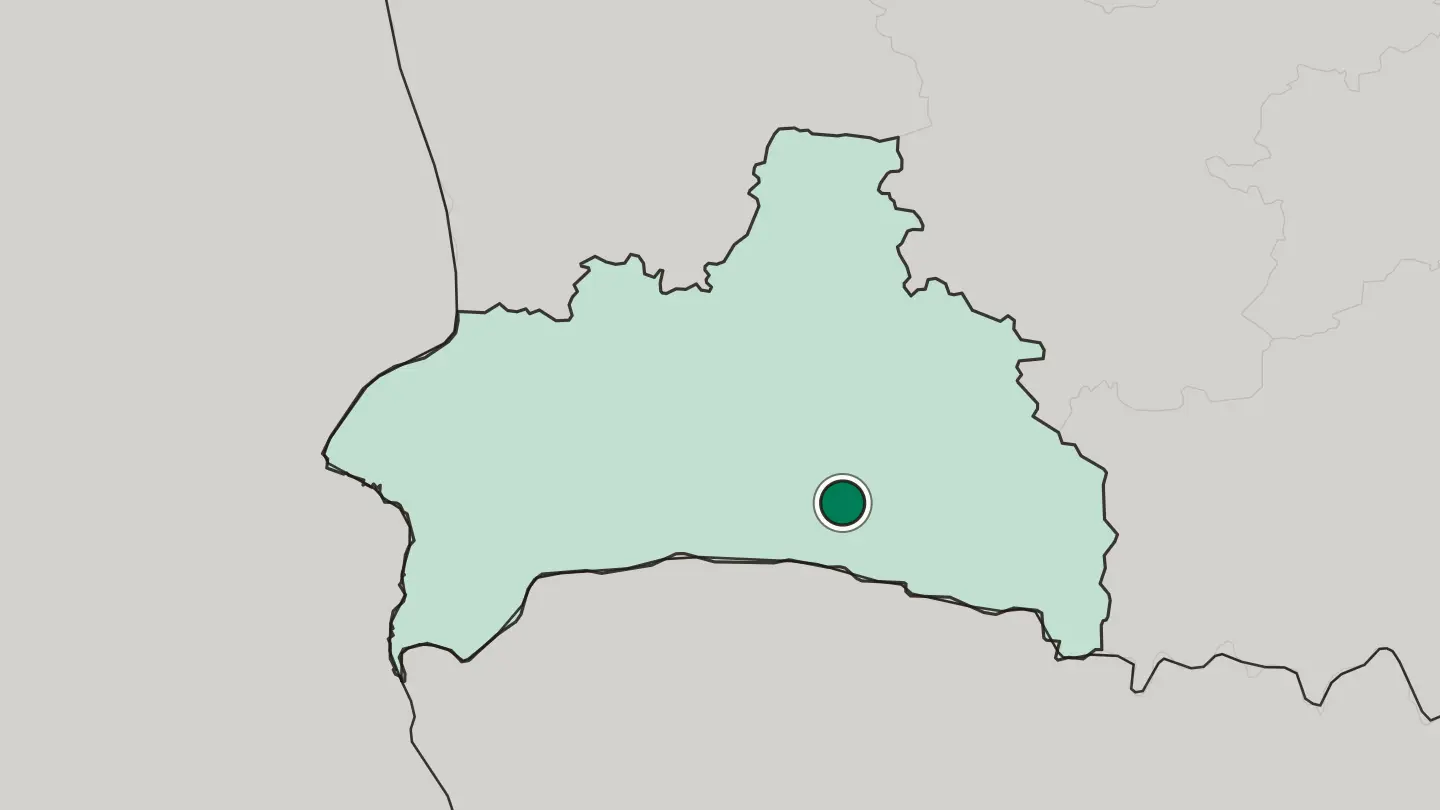
 Belarus
Kobryn
Kobryn is a town of Brest Oblast in Belarus, at the junction of the Mukhavets and the Dnieper-Bug Canal, dating from 1287.Where to stay →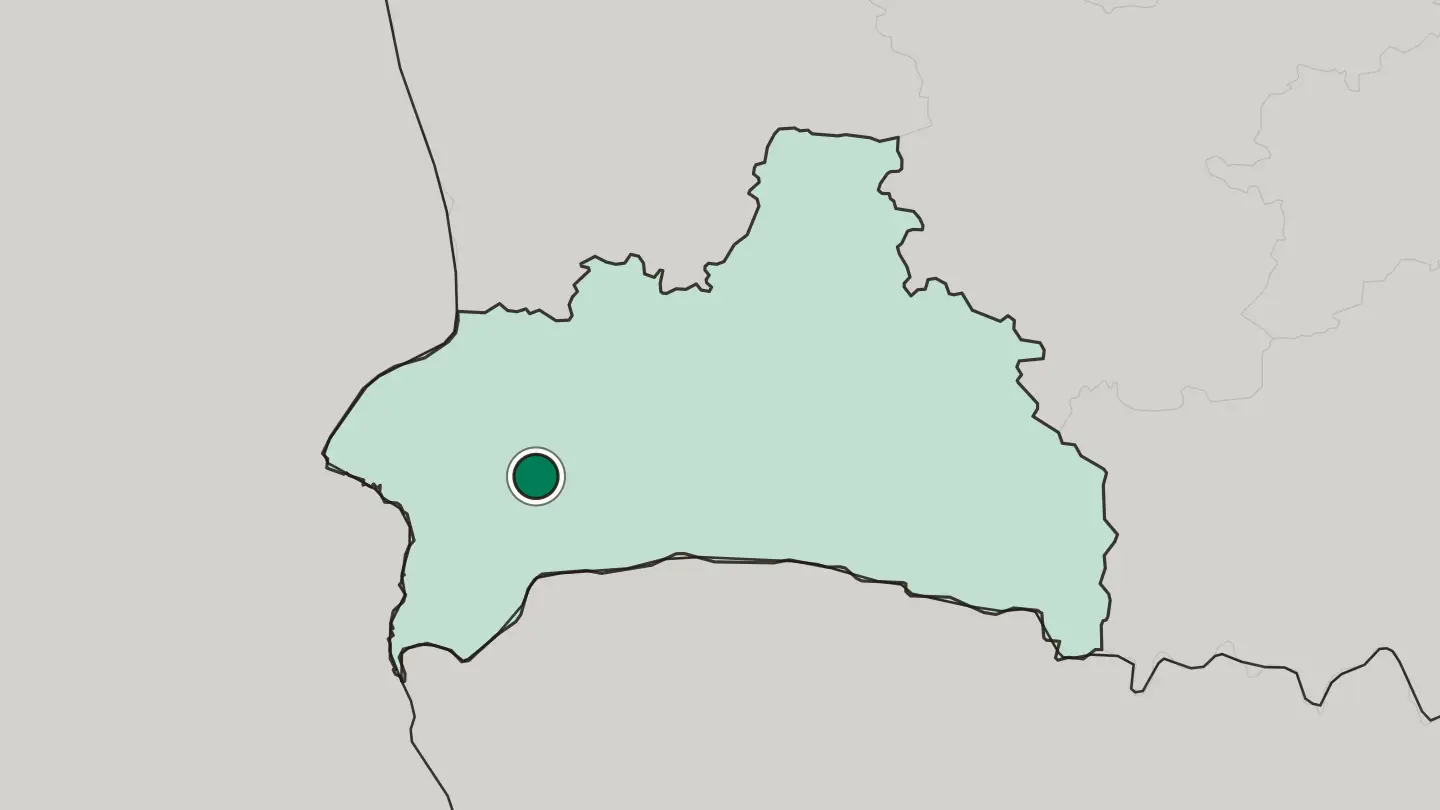
About Brest Oblast
Two things define the region.
What is Brest Oblast known for?
The first is Brest itself, the border city where the Mukhavets meets the Western Bug and where the massive Brest Fortress held out for a week against the German invasion of June 1941. The second is Belovezhskaya Pushcha, a surviving fragment of the primeval lowland forest that once covered the plain, home to Europe's largest herd of European bison. Between the two lies Polesia, a wetland world of slow rivers, peat bogs and floodplain meadows.
It is Belarus at its most watery and its most wooded.
Where is Brest Oblast?
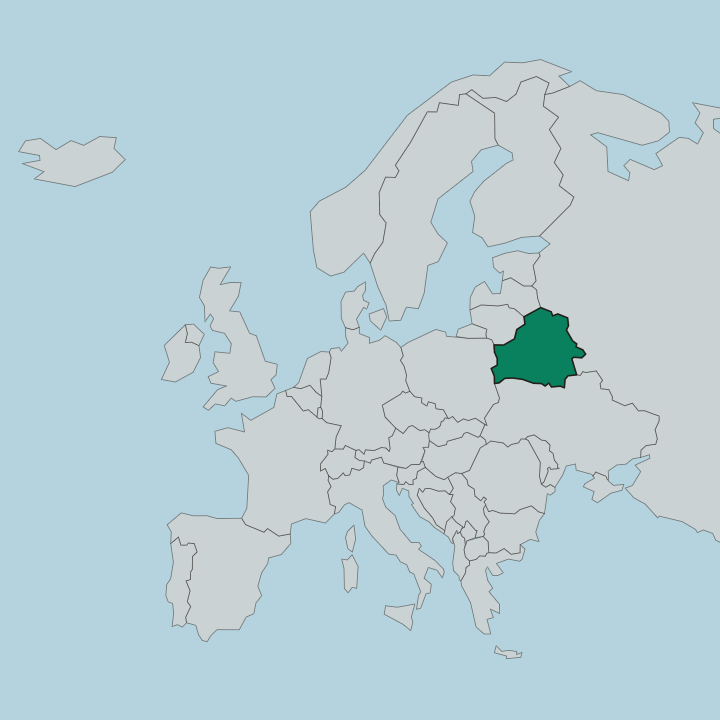
Brest Oblast occupies the south-western corner of Belarus, wedged against two international borders. Poland lies to the west, Ukraine to the south. The Western Bug draws the boundary with Poland, running north past the city of Brest, where the Mukhavets flows in from the east to join it.
It is a low country. Most of the region sits on the flat, poorly drained plain of Polesia, the largest wetland area in Europe, where the Pripyat gathers a web of tributaries and spreads them across peat bogs, oxbow lakes and floodplain forest. The Goryn, the Shchara and the Yaselda all feed that system, part of the several hundred rivers that thread the oblast.
In the far west the ground rises a little into the old woodland of Belovezhskaya Pushcha, straddling the Polish frontier. Grodno Region borders it to the north and Minsk and Gomel Regions to the east. Water is the constant here.
Canals link the basins, most famously the Dnieper-Bug Canal, which ties the Bug to the Dnieper across the watershed and once carried barges between the Baltic and Black Sea drainages. Nowhere in the oblast is the land far from a river or a marsh.
What is Brest Oblast like?
The marsh made the culture here. Across Polesia the native Poleshuks kept a way of life shaped by water and forest, and much of it has survived. Their dialect, their wedding rites, their winter songs and their tradition of gathering wild honey were carried down through the isolated marsh villages long after such things faded elsewhere.
Boats mattered more than roads for centuries. That old riverine world still colours the region. Pinsk, the marsh capital, keeps a low skyline of merchant houses and a former Jesuit college from its days as a Polesian river port.
Brest, on the western edge, wears a different history, a border city rebuilt around its Fortress and shaped by the frequent redrawing of the frontier beside it. The two towns feel like different countries. Belarusian and Russian are both spoken across the oblast, and in the marsh villages the local Polesian speech mixes in as well.
Folklore is not a museum piece here. It lives in the singing, the food and the honey-gathering that the Poleshuks still pass down.
What is the history of Brest Oblast?
Brest is old. The city was first named in the chronicles in 1019, and for centuries the surrounding land passed between Kievan Rus, the Grand Duchy of Lithuania, the Polish-Lithuanian Commonwealth and the Russian Empire, each border war leaving its mark. The Russians raised the great Brest Fortress from the 1830s to guard the western approach, and it is there that the Treaty of Brest-Litovsk was signed in 1918, taking Russia out of the First World War.
In June 1941 the fortress garrison held out for a week against the German assault, a stand that earned it the title of Hero Fortress. The oblast itself was drawn in 1939, when this corner of Poland became part of Soviet Belarus.
What is the climate of Brest Oblast?
Brest Oblast has a temperate continental climate, the mildest in Belarus. Its western position, open to weather off the Atlantic, softens both the winters and the summers compared with the country's east. Snow settles from late autumn, but thaws are frequent and the deep marsh cold of the far interior rarely reaches here.
Summers are warm and wet, and the Polesia bogs hold that moisture long after the rain stops. The sheltered old forest of Belovezhskaya Pushcha keeps its own gentle, even climate. Brest Oblast sees showers year round.
How do you get to Brest Oblast?
Most arrive by train. Brest sits on the main Warsaw line, and the border runs right through the city, opposite the Polish town of Terespol across the Western Bug. Because Belarus uses the wide Russian track gauge, every through train stops here to have its bogies changed, so Brest has long been the country's rail gateway from Europe.
From the station, buses run on to Kamyanyets and the Belovezhskaya Pushcha forest, and eastward to Baranavichy and Pinsk. This is the first stop inside the country.
Common questions
What is the best area to stay in Brest Oblast?
Brest: the Fortress and the crossing into Poland. Pinsk: the heart of the Polesia marshes.
More regions in Belarus
Updated September 2026