Belarus · Grodno Oblast
Where to Stay in Hrodna, Grodno Oblast
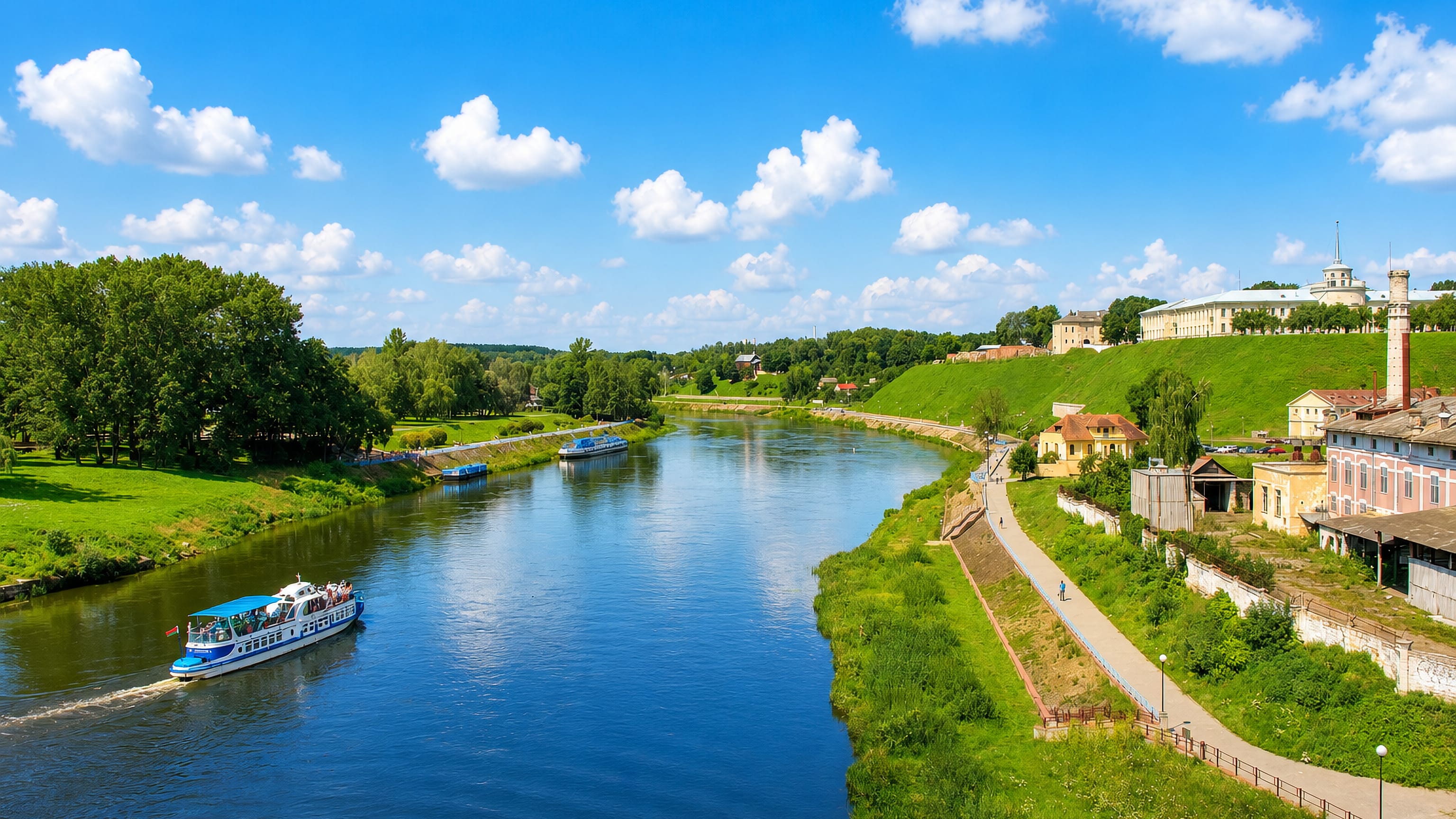
The Neman curves past Hrodna, one of the oldest cities in western Belarus and the seat of Grodno Oblast, guarded by its Old and New castles.
Find your area →


Where to stay in Hrodna
How the choice of base plays out on the ground.
Hrodna keeps most of its lodging on the high bank of the Neman, close to the castles and the old streets that climb from the water. The castle quarter is the obvious base. From here the Old Grodno Castle, the New Grodno Castle, and the Church of the Discovery of the Holy Cross stand within a few minutes' walk, and the lanes below the Fire lookout tower fill with cafes in the warm months.
Stay here for the view over the river and the shortest walks to the sights. A calmer choice lies among the residential streets set back from the escarpment, near the House of Eliza Ažeška and the Maksim Bahdanovič Museum. These blocks are quiet and green.
They put Hrodna's literary landmarks and the Grodno Zoo within reach without the bustle of the centre. The area by the railway station suits an early crossing toward the Polish or Lithuanian border, functional and well connected by bus into the old town. Wherever you settle, the Neman anchors the city, and the escarpment keeps the castles in sight from much of Hrodna.
Things to do in Hrodna
Ranked by global recognition; descriptions from Wikidata (CC0).
Museums & Galleries
3- House of Eliza Ažeška Heritage
- Hrodna State Historico-Archaeological Museum
- Grodno State Museum of the History of Religion
Churches & Religious Sites
6- Lutheran church St. John in Grodnо Heritage
- Church of the Discovery of the Holy Cross, Hrodna Heritage
- Church of Annunciation of Virgin Mary, Hrodna Heritage
- Monastery of the Nativity of the Virgin Mary, Hrodna Heritage
- Lower church in Hrodna Heritage
Show 1 more →
- Свято-Владимирская церковь Heritage
Castles & Historic Sites
3- Old Grodno Castle Heritage
- New Grodno Castle Heritage
- Памятник Элизе Ожешковой в Гродно
Landmarks & Notable Places
2- Fire lookout tower in Hrodna Heritage
- Narodny Dom
worth knowingacross 4 categories in Hrodna
About Hrodna
What is Hrodna known for?
Hrodna is known for its twinned castles above the Neman and for a skyline of churches from several faiths. The Old Grodno Castle and the New Grodno Castle stand side by side on the high bank, while the Church of the Discovery of the Holy Cross and the Lutheran church St. John mark the city's mixed heritage. It ranks among Belarus's oldest cities.
Writers left their mark here too, remembered in the House of Eliza Ažeška and the Maksim Bahdanovič Museum near the river.
What are the main landmarks in Hrodna?
Hrodna's landmarks gather along the Neman's high bank. The Old Grodno Castle and the New Grodno Castle share the escarpment, and the Church of Annunciation of Virgin Mary and the Church of the Discovery of the Holy Cross give the centre its baroque towers. Faiths met here for centuries.
The Lutheran church St. John, the Grodno State Museum of the History of Religion, and the Fire lookout tower stand within the old core, while the Grodno Zoo and the House of Eliza Ažeška draw visitors just beyond it.
What is the history of Hrodna?
Hrodna counts its origins from around 1000, ranking it among the oldest cities in Belarus. A princely stronghold rose early on the bluff above the Neman, the ancestor of the Old Grodno Castle that still crowns the high bank. The town sat near the meeting of trade roads between the Baltic lands and the Rus principalities, and over the following centuries it passed through the Grand Duchy of Lithuania and the union that joined it to Poland.
Kings held assemblies here. Hrodna's border position shaped everything that followed. The New Grodno Castle was built beside the old one as a royal residence, and churches of competing confessions filled the centre, from the Church of Annunciation of Virgin Mary to the Lutheran church St. John.
The twentieth century brought occupation and heavy loss, remembered at the Monument to Prisoners of Stalag 324 on the city's edge. Through war and shifting rule the castles endured, and the museums along the Neman preserve the record of a town that has watched empires meet at its walls. The river carried it all.
Where is Hrodna?
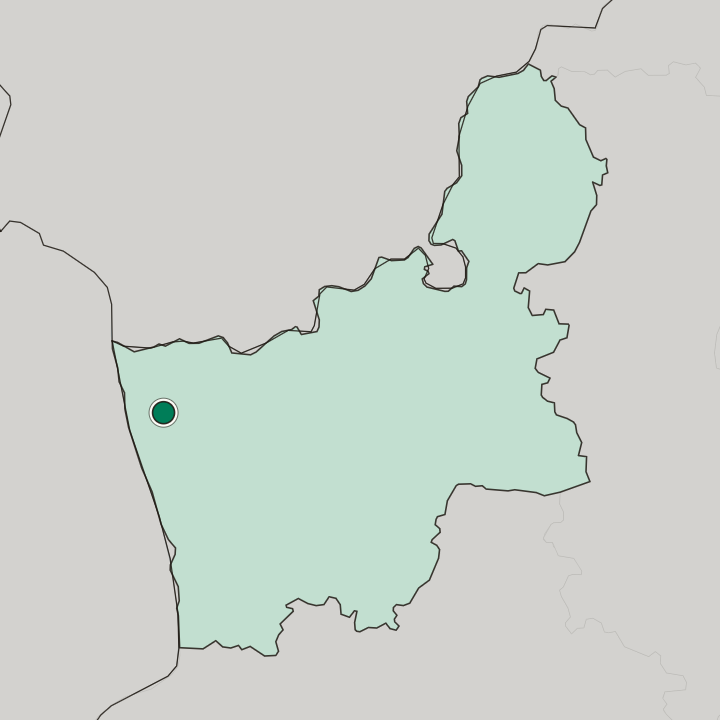
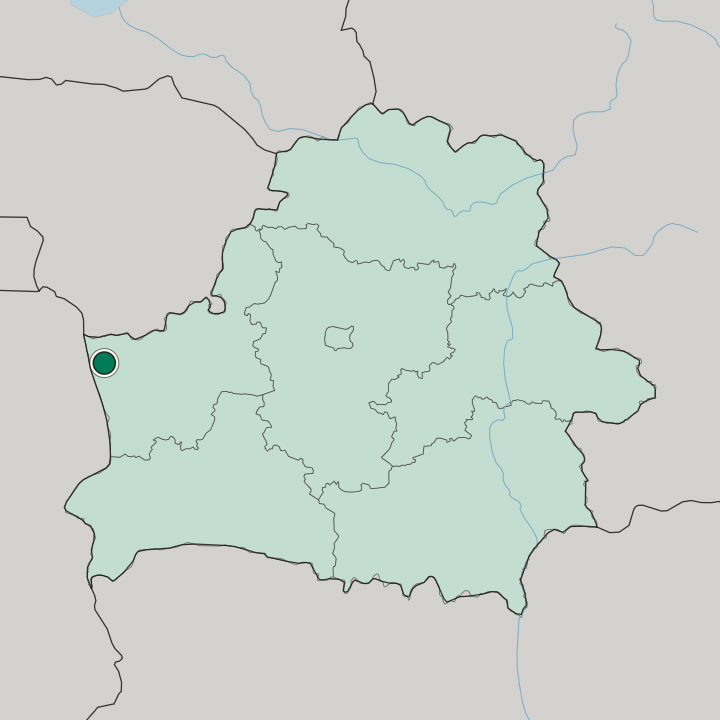
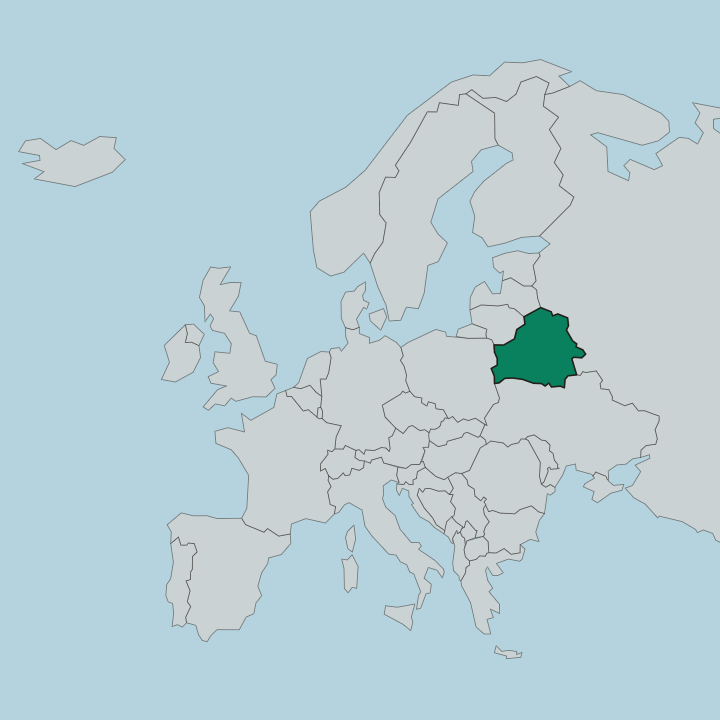
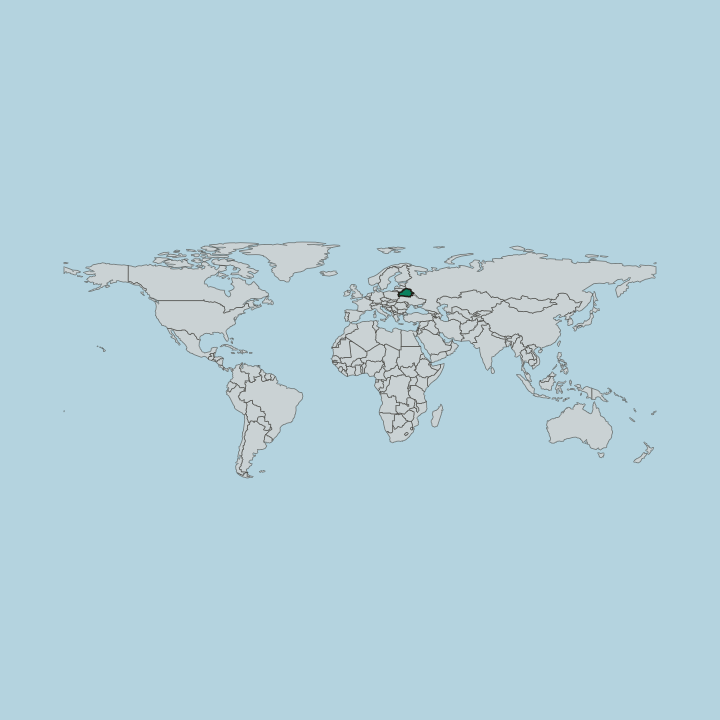
Hrodna stands in western Belarus on the Neman, close to where the country's borders meet those of Poland and Lithuania. A valley cuts through the city, and the old town rises on a steep bank above the water while newer districts spread across the gentler far side. The frontier is near.
Flowing on from Hrodna toward the north-west and the Baltic, the Neman drains a low, wooded corner of Grodno Oblast that lies among the westernmost lands of the country.
What is the climate of Hrodna?
Hrodna has a temperate continental climate, softened a little by its western position. Winters are cold but often milder than farther inland, with snow lying over the Neman valley for stretches of the season. Summer turns the Neman valley warm and green.
Rain falls through much of the year, and the westerly weather off the plains of Poland keeps the seasons less severe than in eastern Belarus, so spring and autumn arrive gradually rather than in a single rush.
How do you get to Hrodna?
Hrodna is reached mainly by rail and road from the interior and the neighbouring frontiers. Trains run east toward the capital and cross the short distances to the Polish and Lithuanian borders that lie close to the city. The station sits below the old town.
Buses connect Hrodna to the border crossings and to the towns of Grodno Oblast, while roads follow the Neman valley in and out of the region, tying the westernmost corner of the country to the rest of Belarus.
Good for
Another city in Grodno Oblast
Updated September 2026