Belarus · Grodno Oblast
Where to Stay in Lida, Grodno Oblast
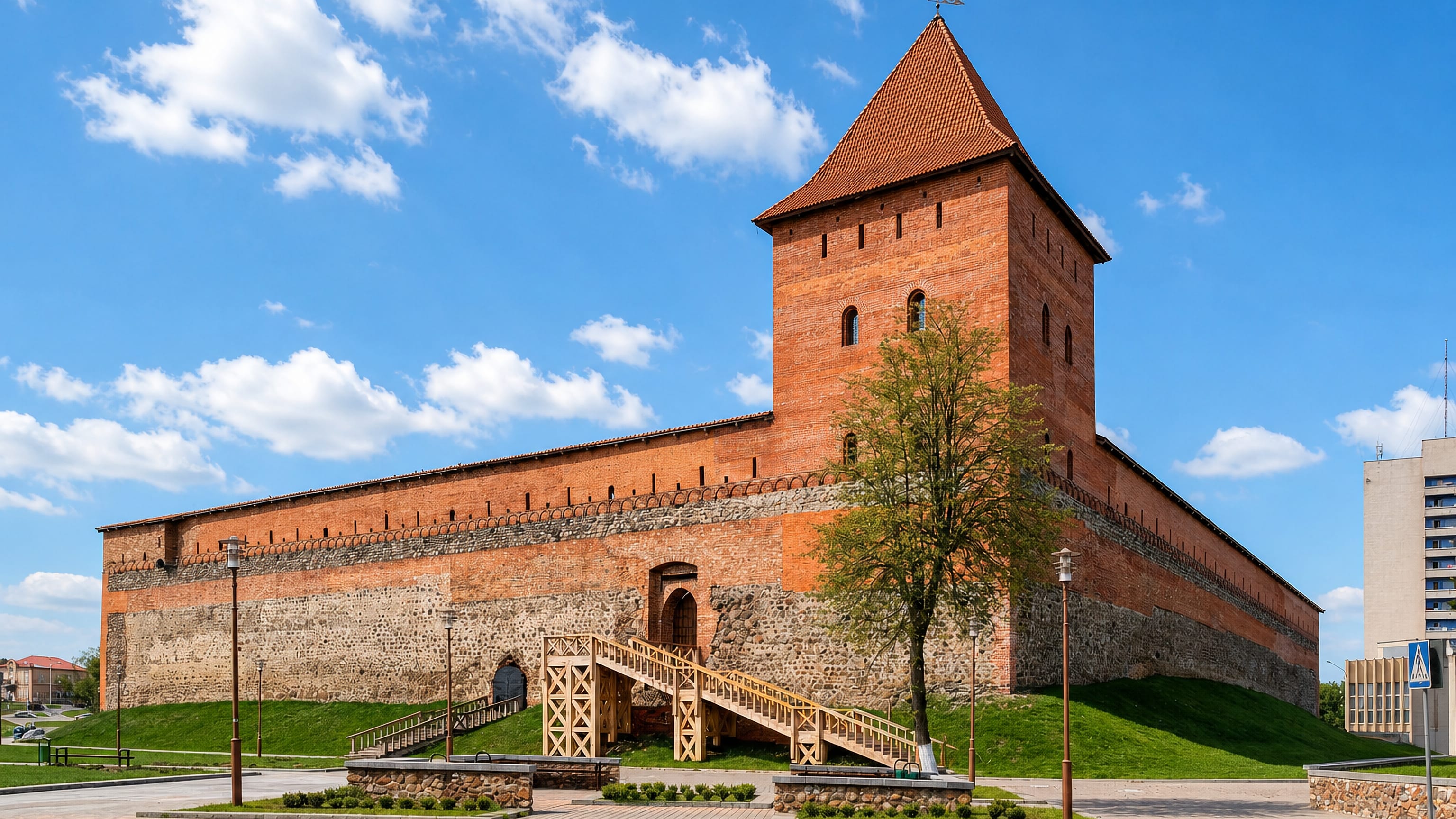
Lida dates from 1323 and stands in Grodno Region, Belarus, a castle town and the administrative centre of Lida District.
Find your area →


Where to stay in Lida
The practical side of choosing where to sleep.
Lida Castle settles the question for most visitors. A room within sight of the walls puts the Lida Historical and Art Museum, the Gedymin monument and the town's main streets inside a walk of ten minutes, which is as compact as a city of this size gets. The castle side stays busy.
Anyone who prefers to sleep away from that traffic has two straightforward alternatives, both of them still central. Lida is a town for walking. Brewing gives the town its second address.
Muzei Lidskogo brovara and Памятны знак у гонар першага піваварнага бровара sit within the same quarter, and staying near them suits travellers whose interest runs to the industrial past rather than the medieval one. The church streets are quieter again. The Carmelite monastery in Lida and the Church of the Exaltation of the Holy Cross, Lida stand close enough to share a neighbourhood, and lodging there trades the noise of the centre for a calm block within reach of everything.
Options thin out past the centre. Lida District spreads well beyond the built-up area, so a stay in the town itself is the practical choice for almost every visit.
Things to do in Lida
Ranked by global recognition; descriptions from Wikidata (CC0).
Museums & Galleries
2- Muzei Lidskogo brovara
- Lida Historical and Art Museum
Churches & Religious Sites
2- Church of the Exaltation of the Holy Cross, Lida Heritage
- Carmelite monastery in Lida
Castles & Historic Sites
3- Lida Castle Heritage
- Gedymin monument
- Monument to Francišak Skaryna in Lida
worth knowingacross 3 categories in Lida
About Lida
The castle is the first thing named.
What is Lida known for?
Lida Castle anchors a town that also runs a brewing story, with Muzei Lidskogo brovara and Памятны знак у гонар першага піваварнага бровара both marking that trade rather than the fortress. Two threads, one town. The Church of the Exaltation of the Holy Cross, Lida and the Carmelite monastery in Lida hold the religious record, and the Lida Historical and Art Museum gathers what the buildings themselves cannot show.
Minsk lies well to the east.
What are the main landmarks in Lida?
Nine sites make Lida unusually well supplied for its size. Lida Castle heads the list, with the Church of the Exaltation of the Holy Cross, Lida and the Carmelite monastery in Lida behind it and the Lida Historical and Art Museum holding the collections. Beer has its own museum.
Muzei Lidskogo brovara and Памятны знак у гонар першага піваварнага бровара both belong to the brewing trade, while the Gedymin monument, the Monument to Francišak Skaryna in Lida and Помнік чырвонаармейцам cover three separate strands of commemoration.
What is the history of Lida?
Lida dates from 1323. The Gedymin monument keeps that founding era in public view, and Lida Castle is the physical survivor from the same centuries, still the largest single thing on the town's landmark roll. Fortification came first.
Everything else on the list, the churches and the monastery and the museums alike, belongs to layers laid down after that defensive core. Ліда is the local spelling. Lida District takes its name from the town. Faith and commemoration follow the castle.
The Church of the Exaltation of the Holy Cross, Lida and the Carmelite monastery in Lida record two religious foundations, while the Monument to Francišak Skaryna in Lida commemorates a person rather than an institution. Brewing arrived later. Памятны знак у гонар першага піваварнага бровара marks the first brewery, and Muzei Lidskogo brovara turns that industry into an exhibit, which is a rare thing for a town of this size to keep. The two brewery markers sit close in subject if not in date. Помнік чырвонаармейцам belongs to the twentieth century.
Lida remains the administrative centre of Lida District in Grodno Region, a role that has outlasted every one of the phases its monuments record.
Where is Lida?
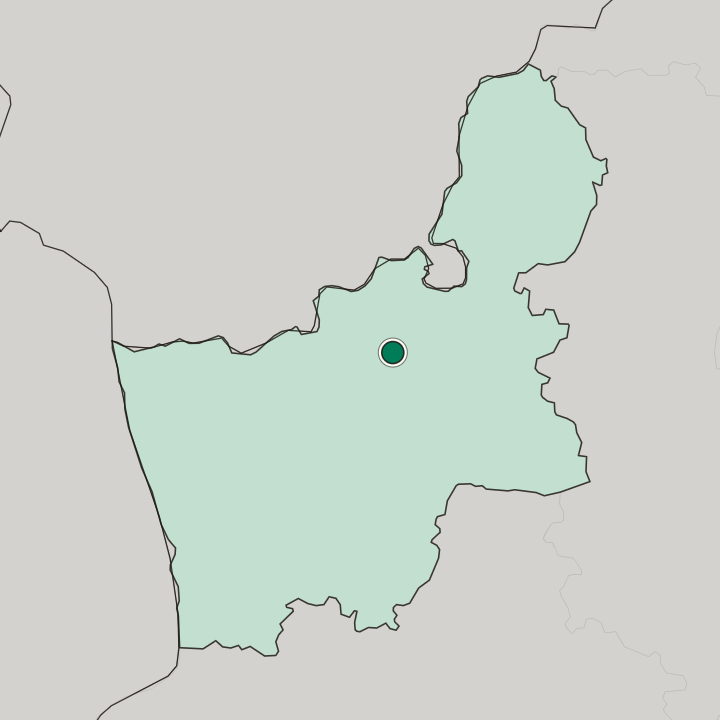
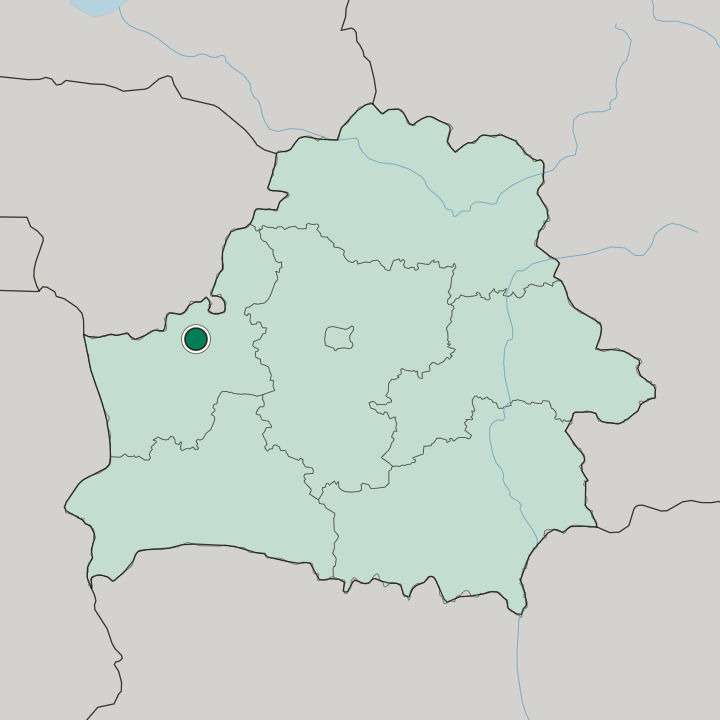
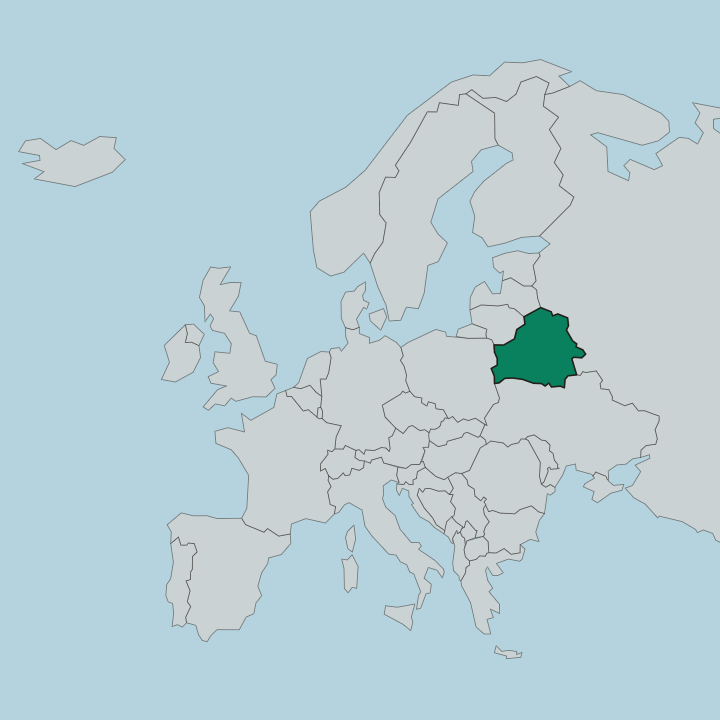
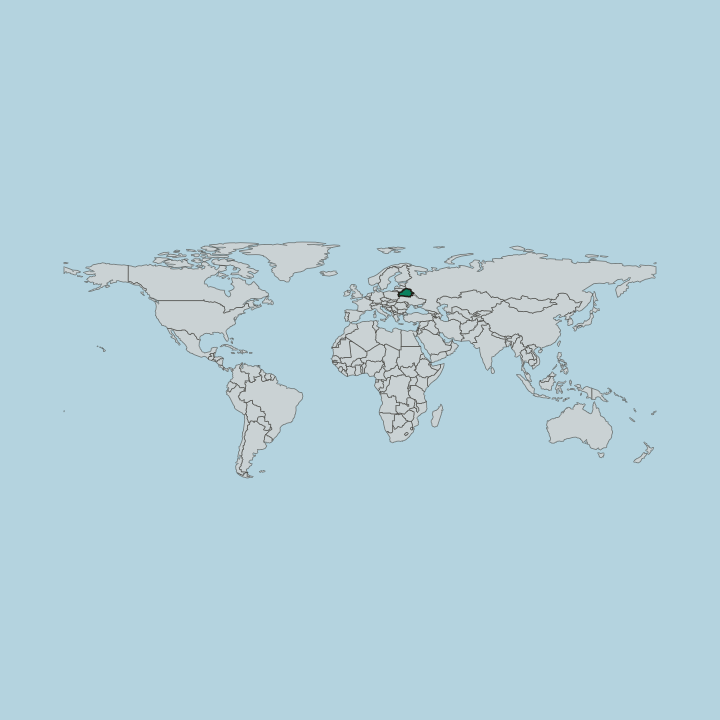
The town sits well inland. Lida lies 168 kilometres west of Minsk in Grodno Region, with no coast in any direction and no significant relief in the country immediately around it. Lida District spreads around the town.
Grodno Region carries the whole of that district, and Lida holds its administrative centre from a position closer to the region's own towns than to the capital of Belarus.
What is the climate of Lida?
Lida sits inland on every side. Grodno Region carries a temperate climate with a continental edge, so the cold season here settles in and stays while the warm months arrive quickly and pass at much the same speed. Snow lies on the castle walls through the coldest weeks.
Spring and autumn are short bridges between the two, which pushes most of the town's outdoor season into a narrow band of the year.
How do you get to Lida?
Minsk is 168 kilometres east. The road west from the capital is the usual approach, long enough that the journey is a half-day rather than an errand, and Grodno Region takes over well before the town appears. Local routes end at Lida.
As the administrative centre, the town is where connections to the smaller settlements of Lida District are made, and where anyone arriving from further afield changes for the last leg.
Good for
Another city in Grodno Oblast
Updated September 2026