Belarus
Grodno Oblast, Belarus — Towns & Travel Guide
Grodno Oblast is Belarus's western corner, where the Neman flows toward the Polish and Lithuanian borders.
Find your area →


Towns & cities in Grodno Oblast
Pick a town or city — each links to where to stay.
 Belarus
Hrodna
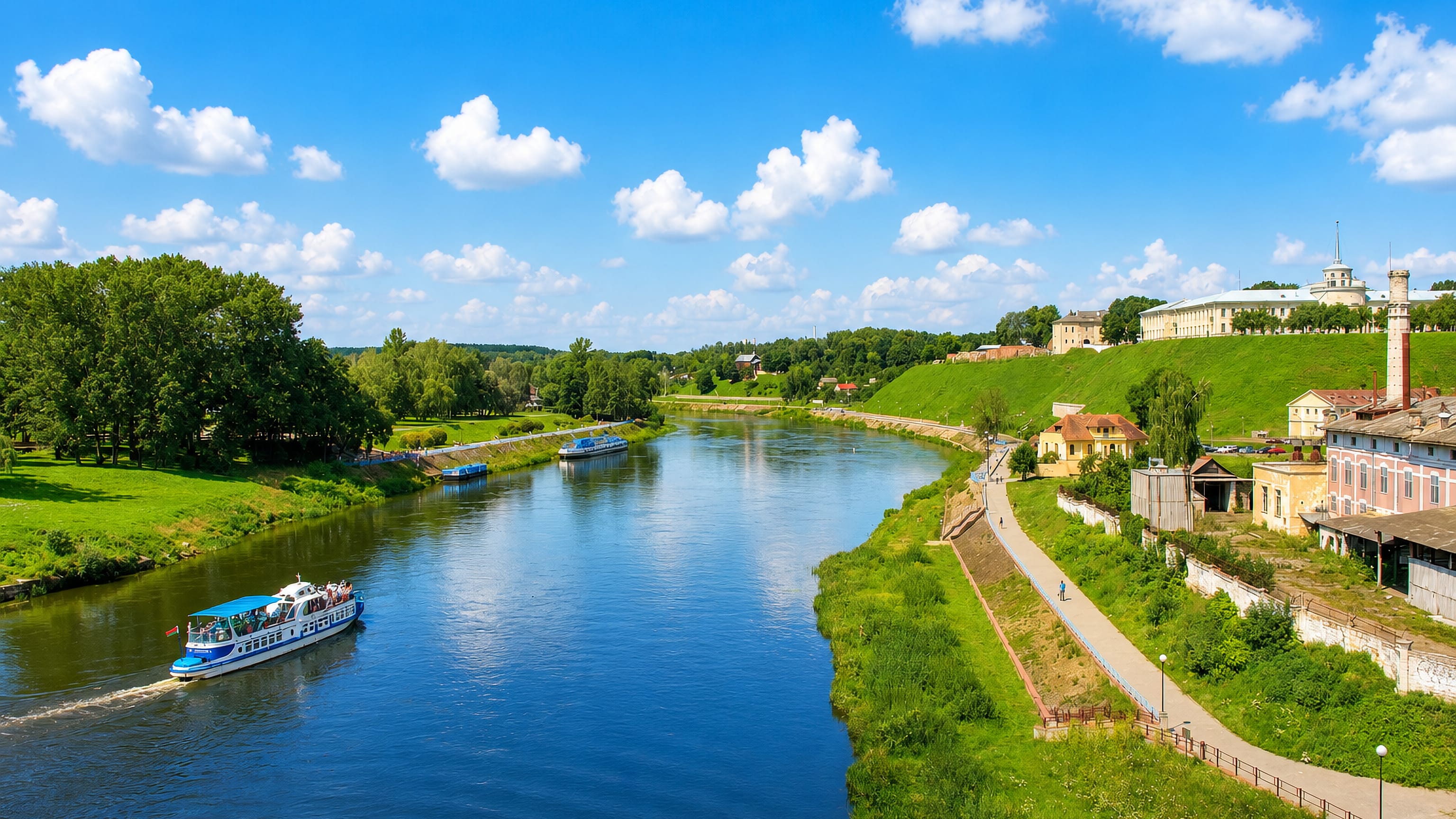
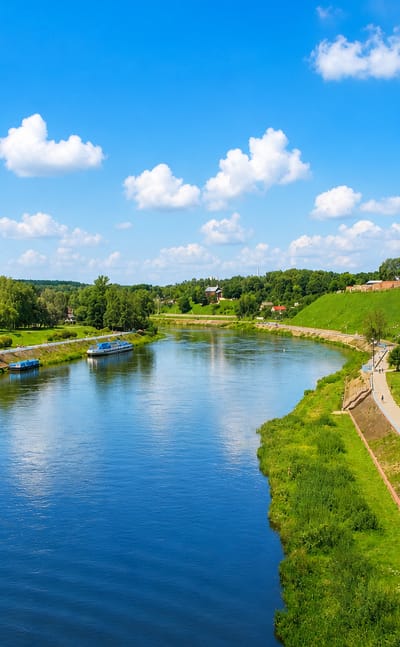
The Neman curves past Hrodna, one of the oldest cities in western Belarus and the seat of Grodno Oblast, guarded by its Old and New castles.Where to stay →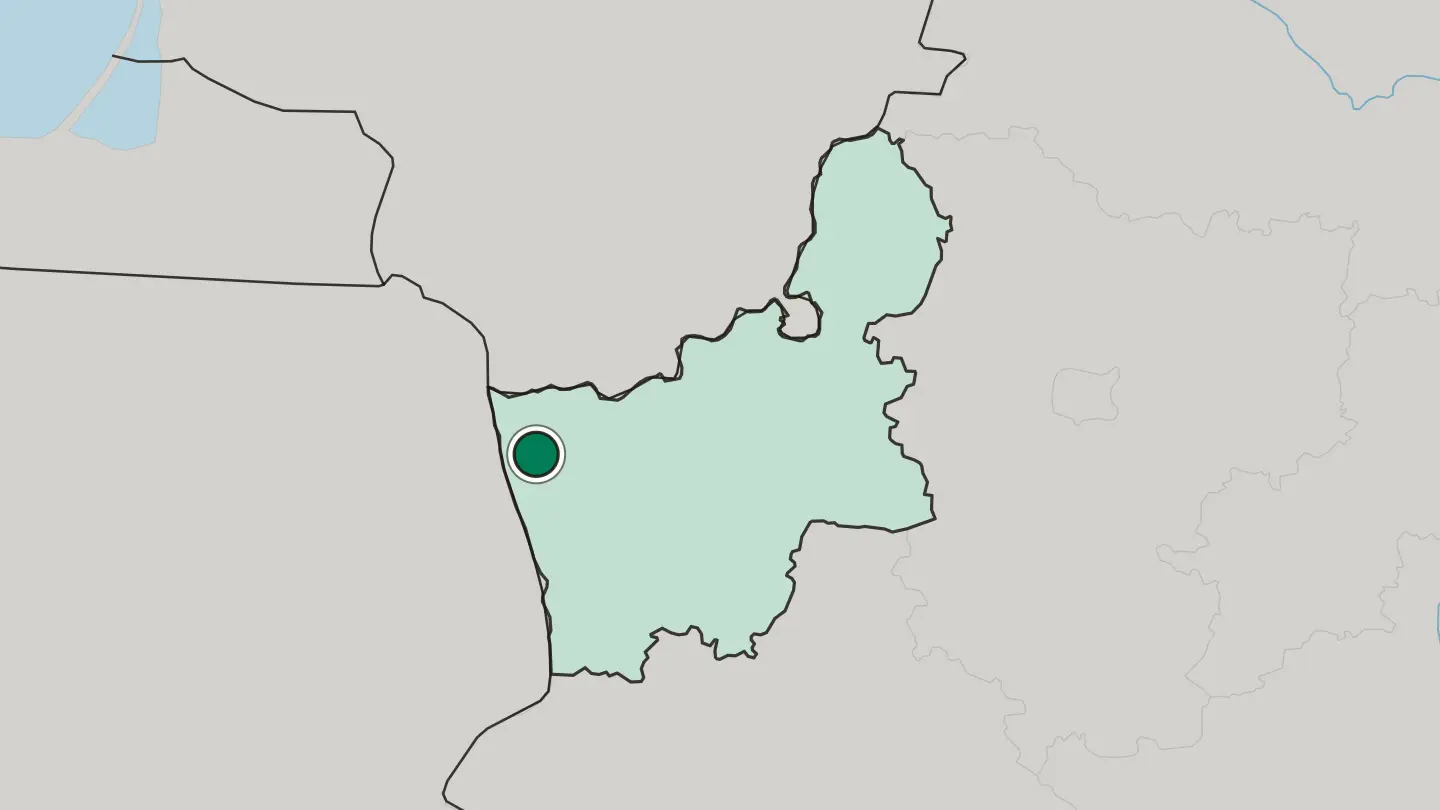
 Belarus
Lida
Lida dates from 1323 and stands in Grodno Region, Belarus, a castle town and the administrative centre of Lida District.Where to stay →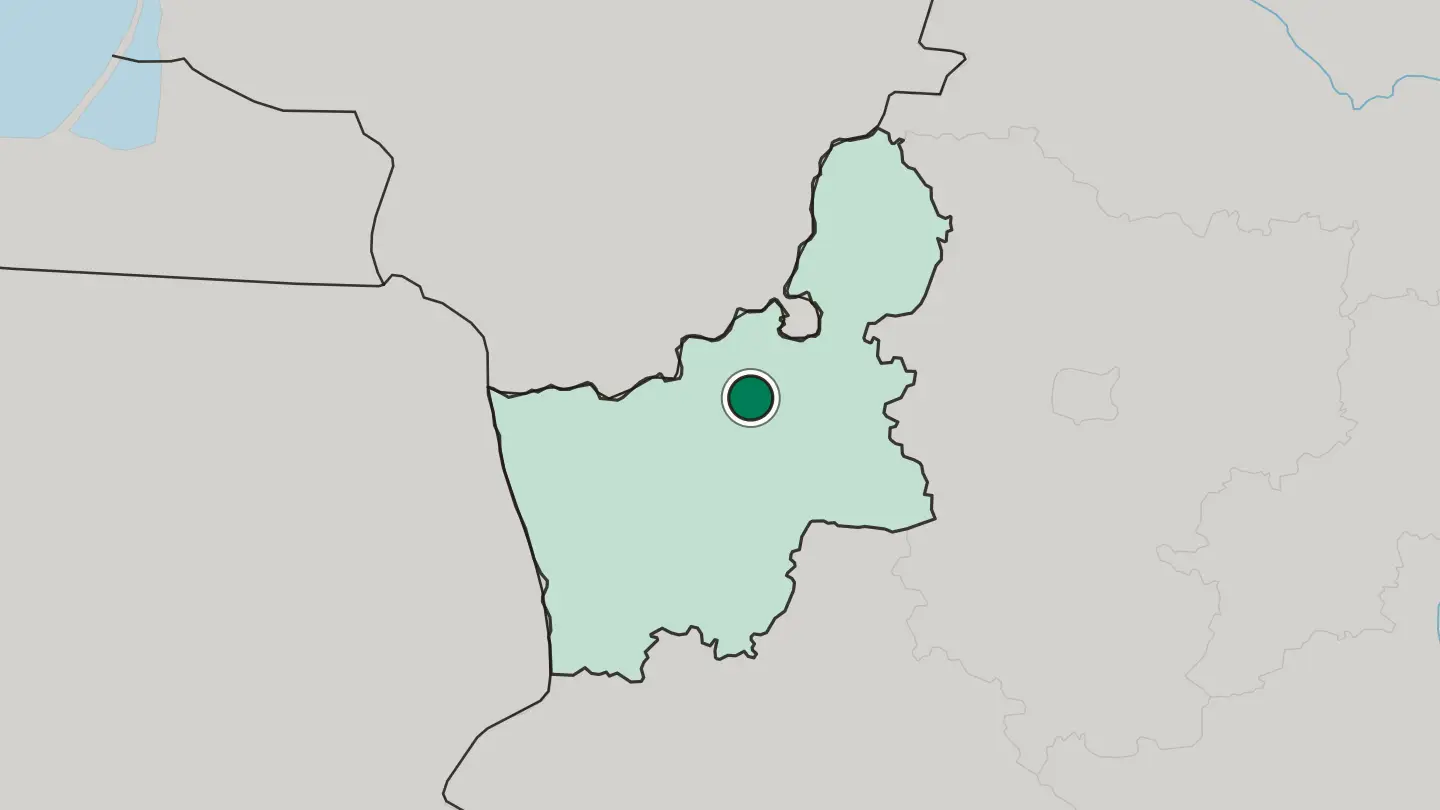
About Grodno Oblast
This is Belarus facing west.
What is Grodno Oblast known for?
Grodno Oblast presses against Poland and Lithuania, and it wears that closeness in its churches, its town squares, and the mix of tongues heard on its streets. Roman Catholic spires stand beside Orthodox domes here, an inheritance from centuries inside the Grand Duchy of Lithuania. The Neman winds through the middle of it.
Grodno, the capital on that river, keeps one of the best-preserved old towns in the country, and smaller places like Lida and Navahrudak guard their medieval castles.
Where is Grodno Oblast?
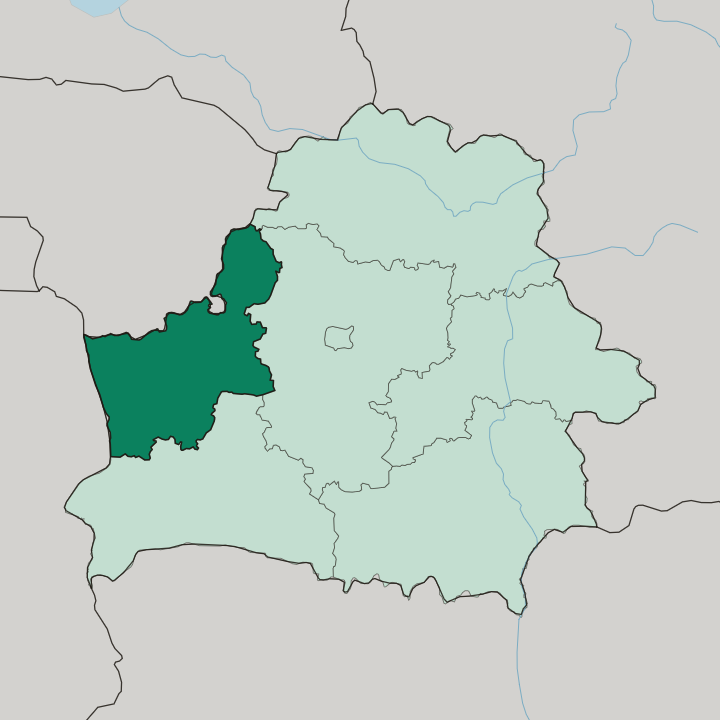
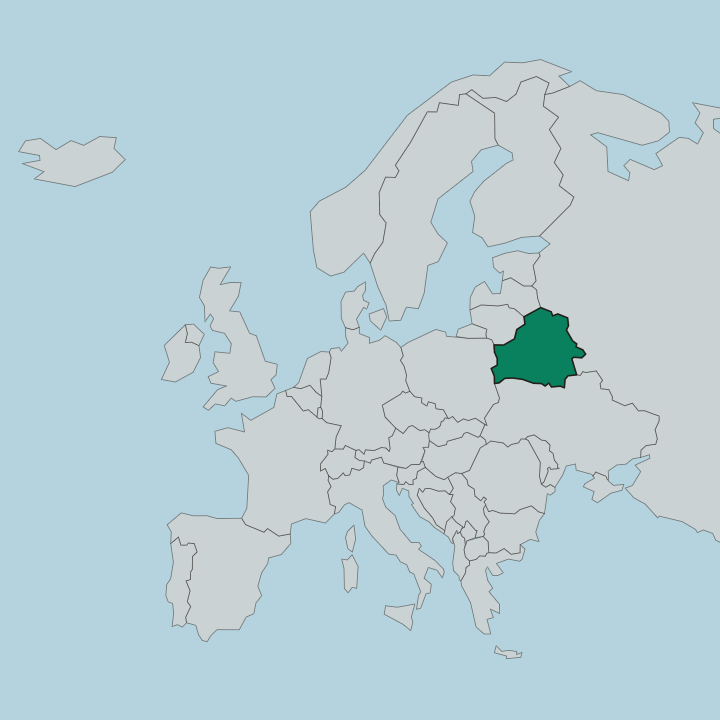
Grodno Oblast fills the western edge of Belarus. It is the smallest of the country's six regions, yet it holds the frontier: Poland runs along its western side, Lithuania along the north, and the Belarusian regions of Minsk, Brest and Vitebsk close it off to the east. The Neman is its spine.
The river enters from the east and swings north-west past the capital toward Lithuania, and the broad Neman lowland spreads through the middle of the region along that valley. This is flat, well-watered farmland for the most part. Gentle uplands rise around Navahrudak, the highest ground in the region, where morainic hills left by old glaciers break the plain.
Pine and mixed forest covers much of the rest, thickest toward the south. Grodno stands on the Neman in the far west, close enough to Poland and Lithuania that both borders sit within a short drive. Lida and Slonim lie inland to the east and south, Vawkavysk to the south-west near the Polish line.
Nowhere here is far from water or woodland, and the river ties the whole region together.
What is Grodno Oblast like?
Faith looks different here. Most of Belarus is solidly Orthodox, but Grodno Oblast carries a large Roman Catholic community too, a legacy of the long centuries when these lands sat inside the Grand Duchy of Lithuania and then the Polish-Lithuanian union. Catholic and Orthodox churches share the same streets.
The city of Grodno shows it plainly, its skyline set by both baroque Catholic facades and Orthodox cupolas within a few blocks of each other. Ethnicity is mixed as well. This is the most Polish part of Belarus, with a sizeable Polish minority alongside Belarusians and Russians, and you hear Belarusian, Russian and Polish in the market towns.
That border character runs deep. Navahrudak claims the poet Adam Mickiewicz, born nearby and honoured across the frontier in Poland and Lithuania alike. Music, pilgrimage and old craft fill the calendar.
The Zhyrovichy Monastery near Slonim draws Orthodox pilgrims, while Catholic feast days pull crowds to Grodno's churches. The result is a region that feels like a seam between worlds rather than a single one.
What is the history of Grodno Oblast?
Deep time lies under these towns. Grodno enters the chronicles in the twelfth century, and Navahrudak served as an early capital of the Grand Duchy of Lithuania before that state grew to span half of eastern Europe. For centuries the land belonged to the Polish-Lithuanian Commonwealth, and Grodno itself hosted sessions of its parliament under King Stephen Báthory.
The partitions handed the region to the Russian Empire, and the twentieth century pulled the border back and forth between Poland and the Soviet Union. Grodno Oblast in its present shape dates only to 1944.
What is the climate of Grodno Oblast?
The climate is continental but softened by its western position. Winters run cold and snowy, with January hovering below freezing across the Neman lowland, while summers stay warm and green rather than fierce. Rain falls through the year, feeding the river valley and the forests around Navahrudak.
As the westernmost part of Belarus, Grodno Oblast catches milder Atlantic air sooner than the rest of the country, so its winters bite a little less and its springs arrive a touch earlier. Come between late spring and autumn.
How do you get to Grodno Oblast?
Most travellers reach the region overland. Grodno lies far to the west, closer to Vilnius and Białystok than to Minsk, and rail and road from the Belarusian capital carry the bulk of arrivals. Trains run to Grodno, Lida and Slonim, tying the main towns into the national network.
The region touches Poland and Lithuania directly, so border crossings feed it from the west and north as well. Inside Grodno Oblast, buses and local trains link the capital with the smaller Neman-valley towns.
Common questions
What is the best area to stay in Grodno Oblast?
Grodno: the region's best-preserved old town. Lida: a fourteenth-century border fortress.
Good for
More regions in Belarus
Updated September 2026