Democratic Republic of the Congo · Bas Uele
Where to Stay in Buta, Bas Uele
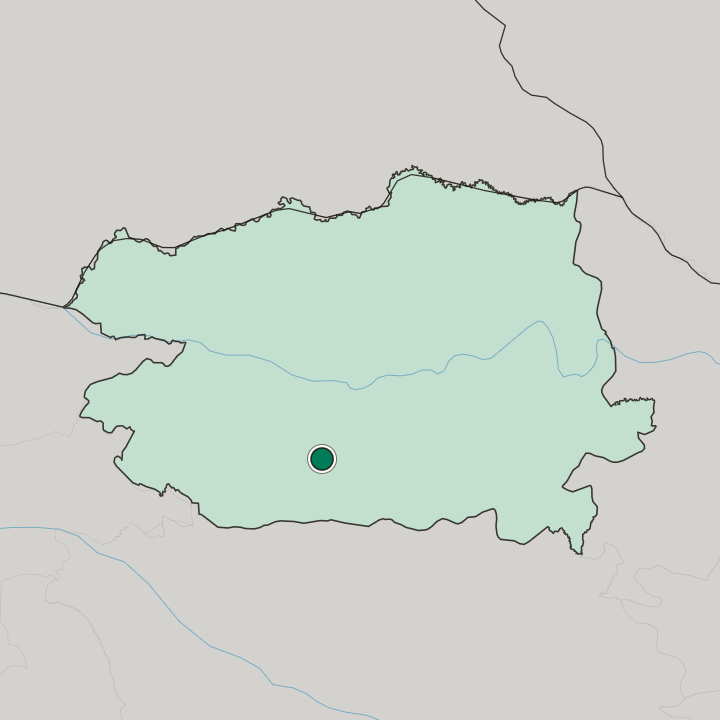
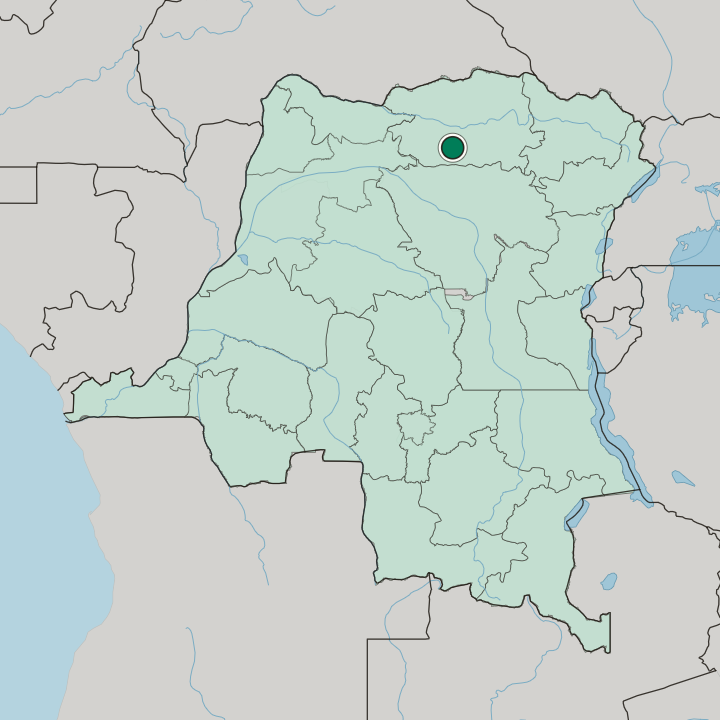
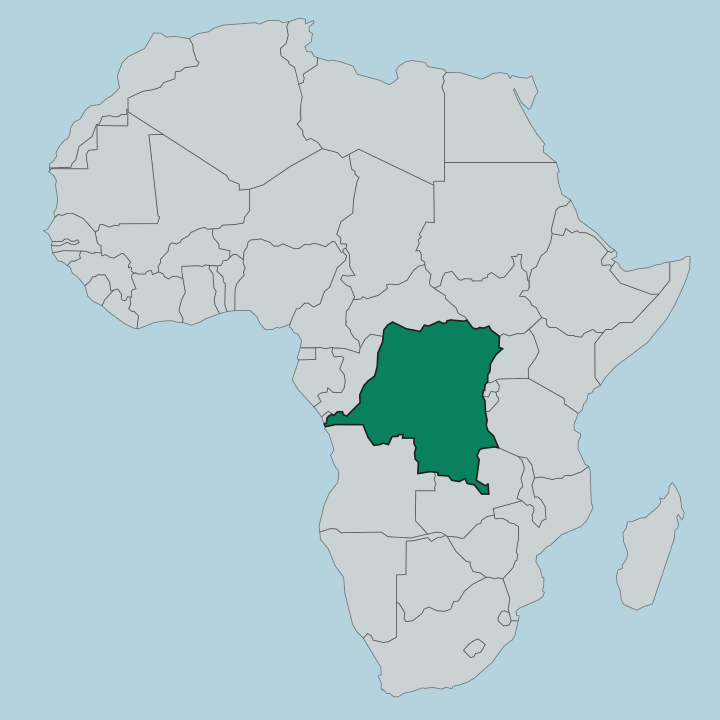
Buta is the capital of Bas-Uélé province, a river town on the Rubi River in the far north of the Democratic Republic of the Congo.
Hotel links are affiliate links: booking through them may earn us a commission, at no extra cost to you. It never affects how places are ranked. How this works


Where to stay in Buta
The practical side of choosing where to sleep.
Buta has two useful quarters. One is the administrative side, where the provincial offices of Bas-Uélé, the courts, and the guesthouses that serve official visitors sit close enough together that a day's business can be done on foot. The other faces the water.
Along the Rubi River the town turns to canoes and cargo, and a room on that side trades quiet corridors for the noise of a working bank. Neither side is far from the other. Choose by what brought you.
If you came for the province's business, stay near the offices; if you came to travel on toward Aketi or the Uélé, the riverside puts you closer to the boats and to Buta Zega, the airstrip that carries most arrivals. Both quarters share the same handful of options. Beds are counted in tens, not hundreds, so arriving unannounced is a gamble in either quarter.
Write ahead if you can. The rains matter as much as the address, because a wet week can turn the road in from Kisangani into a two-day crawl and push every arrival onto the airstrip instead.
Find hotels in Buta
Direct booking searches for these neighbourhoods.
The administrative quarter
Provincial offices, courts and the guesthouses that serve them stand within a few minutes of each other. Lodging is scarce in this area; reserve in advance.Find hotels in The administrative quarterTravellers going on by canoe toward Aketi or flying out of Buta ZegaThe Rubi riverside
The Rubi River landing and the track out to the Buta Zega airstrip are both minutes away. Beds are limited here, so book early.Find hotels in The Rubi riversideHotel links are affiliate links: booking through them may earn us a commission, at no extra cost to you. It never affects how places are ranked. How this works
About Buta
Buta is where Bas-Uélé does its paperwork.
What is Buta known for?
The provincial capital sits on the Rubi River, holds what lodging the province has, and gathers the routes that reach the far north of the Democratic Republic of the Congo. Forest and savanna meet around it. Azande farmers, the Rubi's canoe traffic, and the old Vicicongo railway that once ran up from Aketi are the threads that made a town here.
What are the main landmarks in Buta?
Buta keeps no grand monument. What the town has instead is the Rubi River, the traces of the Vicicongo narrow-gauge railway that reached it in 1931, and the administrative buildings that carry the business of Bas-Uélé. Buta Zega, the airstrip, is the other fixed point, and for many arrivals it is the first thing they see of the province.
The rest is river and forest.
What is the history of Buta?
The Uélé country was governed from here long before Bas-Uélé became a province. Belgian administrators carved a district out of the wider Uélé country in 1912, and Buta was the seat they chose, a river station on the Rubi with a way out toward the Itimbiri River. Then the rails arrived.
The Vicicongo narrow-gauge line reached the town in 1931, tying it to Aketi on the Itimbiri and turning a river stop into the collecting point for a large slice of the north. Independence changed the map more than the town. For decades the district was folded into the sprawling Orientale Province, and Buta kept its offices without keeping its rank.
That reversed in 2015. When the Democratic Republic of the Congo broke Orientale into four, Bas-Uélé emerged as a province in its own right and Buta was raised to capital, which is the role it has held since. The railway has not fared as well.
Traffic on the Vicicongo line thinned, and the road and the airstrip took over what the rails once carried. What has not changed is the water. The Rubi River still runs past Buta toward the Itimbiri, as it did when the first administrators picked this bank over any other.
Where is Buta?
The Rubi River sets the town's plan. Buta stands on its bank in the far north of the Democratic Republic of the Congo, in the southern, forested corner of Bas-Uélé, where the Congo Basin rainforest gives way northward to open savanna. The Rubi drains toward the Itimbiri River, and through it into the Congo.
Flat ground holds the water after rain. The nearest large city is Kisangani, a long way south on the Congo River, and there is little between them but forest and the roads that cross it.
What is the climate of Buta?
The rains run the year here. Buta sits in the forested south of Bas-Uélé, close enough to the equator that heat holds steady while the wet stretches and the shorter dry spells do all the varying. Rain soaks the earth roads into swamp, and a wet week can cut the town off from Kisangani by land while the Rubi River keeps moving.
Green does not leave the forest.
How do you get to Buta?
Most arrivals come by air. Small flights land at Buta Zega, the airstrip on the edge of town, connecting Bas-Uélé south to Kisangani on the Congo River. The road is the alternative, and it is a hard one: it runs up from Kisangani, crosses the Aruwimi at Banalia, and can dissolve into swamp for days at a time after heavy rain.
The Vicicongo railway no longer helps. Its line to Aketi on the Itimbiri River carries no dependable passenger service, so the river and the airstrip do the work the rails once did.
Common questions
What is the best area to stay in Buta?
The administrative quarter: Anyone with business at the Bas-Uélé provincial offices or the courts. The Rubi riverside: Travellers going on by canoe toward Aketi or flying out of Buta Zega.
Updated September 2026