Switzerland · Canton de Berne · Bern
Bern / Innere Stadt, Bern — Area Guide & Where to Stay
Innere Stadt is Stadtteil I of Bern's six and covers the same ground as the Berner Altstadt, divided into quarters since a constitutional reform of 1294.
Hotel links are affiliate links: booking through them may earn us a commission, at no extra cost to you. It never affects how places are ranked. How this works


Where to stay in Bern / Innere Stadt
How the choice of base plays out on the ground.
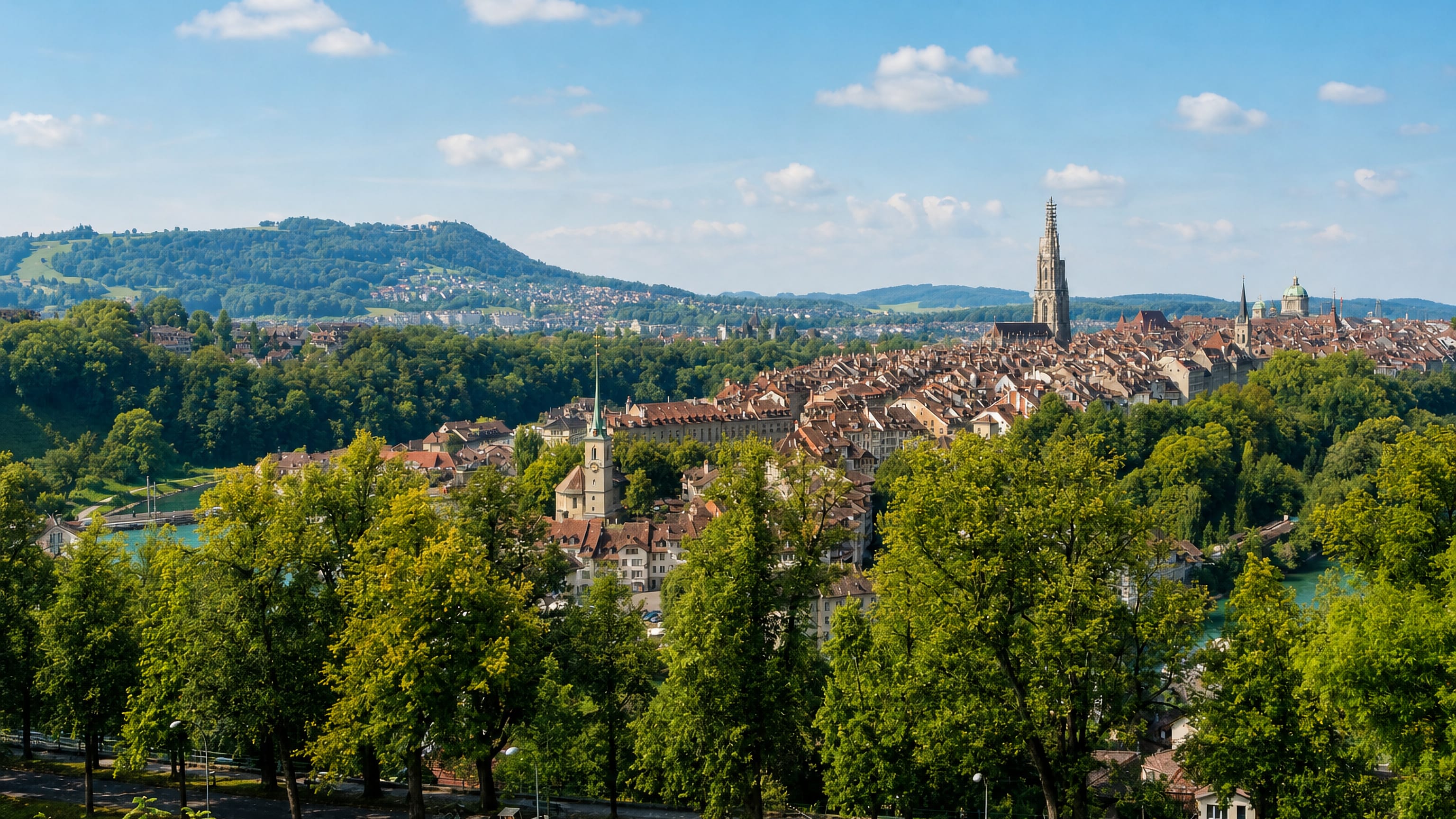
This is the old town itself. Innere Stadt and the Berner Altstadt are the same ground, so a room here puts you inside the arcades rather than outside them, and everything in the Stadtteil is walking distance from everything else. Five statistical districts divide it.
The Schwarzes Quartier is the Matte on its own, the Weisses and Grünes Quartier together make the Untere Altstadt, and the Gelbes and Rotes Quartier together make the Obere Altstadt. Bern calls almost every defined area a Quartier.
About Bern / Innere Stadt
What are the main landmarks in Bern / Innere Stadt?
Three churches carry the parish map. The division still in force goes back to 1721, when the Kirchspiel Bern was split and the Nydeggkirche and the Heiliggeistkirche were raised to parish churches alongside the Münster, which had been the only one until then. Their boundaries are still gates and towers.
Heiliggeist runs from the Obertor to the Käfigturm and takes in the outer Neustadt, Münster covers the ground from the Käfigturm to the start of the Gerechtigkeitsgasse, and Nydegg takes the rest of the lower commune with the Stalden, Altenberg, Schosshalde, Matte and Mattenegg. The Nydeggbrücke marks one old shift. The ground between the Nydeggstalden and that bridge belonged to the fourth quarter until the end of the 15th century and to the third from the 16th.
What is the history of Bern / Innere Stadt?
The quarters date from a constitutional reform. In 1294 the Altstadt was divided into four, with the Märitgasse and the Kreuzgasse fixed as the boundaries, and each quarter took the name of the Venner guild responsible for it. The four were trades.
Pfisternviertel lay south of the main axis and west of the Kreuzgasse, Schmiedenviertel north of the axis and west of it, Metzgernviertel south of the axis and east of it, and Gerwernviertel north of the axis and east of it. Two pieces changed hands. The ground between the Nydeggstalden and the present Nydeggbrücke, and so the Nydeggkirche with it, moved from the fourth quarter to the third between the 15th and 16th centuries.
Then the whole boundary moved. The city had grown almost entirely westward, which left the quarters unequal, so in the middle of the 16th century the dividing line was shifted from the Kreuzgasse to the axis of the Schaalgasse and the Münstergasse. That line split the commune in two.
It became the boundary between the Obere and the Untere Gemeinde, which was drawn at the same time, and the fields outside the gates were reallocated with it, the eastern ones to the lower commune and the western ones to the upper.
Where is Bern / Innere Stadt?
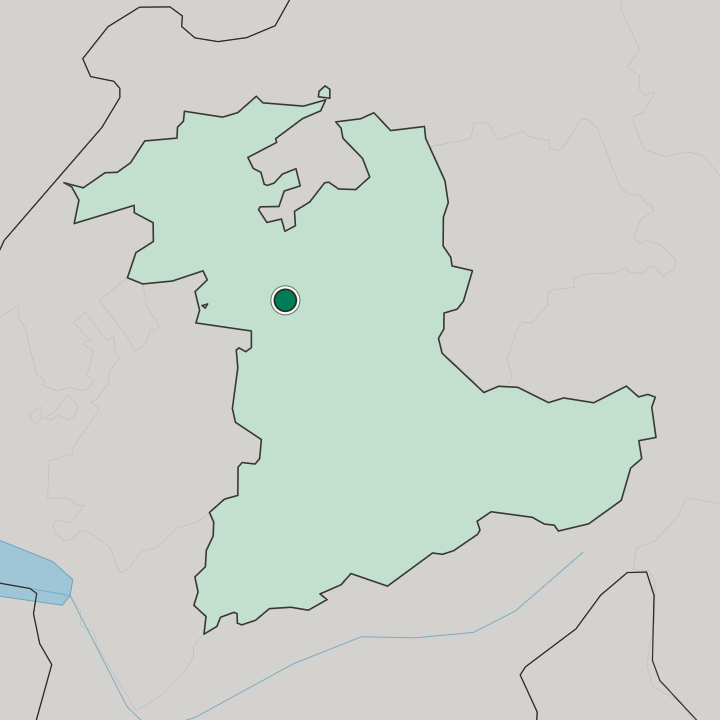
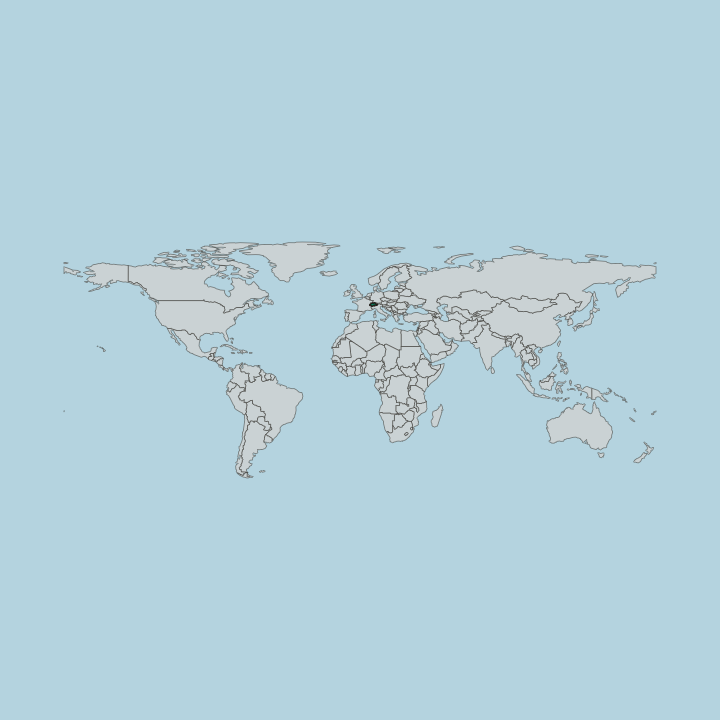
Innere Stadt covers the same ground as the Berner Altstadt as Stadtteil I of Bern, holding five statistical districts that group into the Matte, the Untere Altstadt and the Obere Altstadt.
Good for
More areas in Bern
Updated September 2026