Switzerland · Canton de Berne · Bern
Weissenbühl, Bern — Area Guide & Where to Stay
Two collections mark Weissenbühl out among Bern's quarters: the Tram-Museum Bern and the Blasinstrumenten-Sammlung, south-west of the centre.
Hotel links are affiliate links: booking through them may earn us a commission, at no extra cost to you. It never affects how places are ranked. How this works


Where to stay in Weissenbühl
Where the beds are, and what that means for the visit.
A stay aimed at Weissenbühl turns practical fast, because the beds are in central Bern and the Innere Stadt while the quarter itself is the destination for the Tram-Museum Bern and the Blasinstrumenten-Sammlung. Sandrain is the nearest alternative. Marzili and Monbijou both lie within a kilometre, closer in towards the Bern core.
Find hotels in Weissenbühl
Direct booking searches for these neighbourhoods.
Weissenbühl
Both of the quarter's listed collections stand inside Weissenbühl, which makes it the one Bern district in this stretch where two museums fall within the same short walk. Rooms are few around here — worth securing early.Find hotels in Weissenbühla bed at the quarter nearest Weissenbühl without going back into the citySandrain
Sandrain is the closest of Bern's quarters to Weissenbühl, a little over half a kilometre off, near enough that the Tram-Museum Bern stays walkable. Lodging is scarce in this area; reserve in advance.Find hotels in Sandraincentral rooms with a run out to the Blasinstrumenten-SammlungBern / Innere Stadt
The Innere Stadt holds the hotel supply of the federal city, with Weissenbühl about a kilometre and a half south-west of it.Find hotels in Bern / Innere StadtHotel links are affiliate links: booking through them may earn us a commission, at no extra cost to you. It never affects how places are ranked. How this works
About Weissenbühl
What are the main landmarks in Weissenbühl?
The Tram-Museum Bern keeps the city's tramway history inside Weissenbühl, and the Blasinstrumenten-Sammlung sits on the same quarter's list, a collection of wind instruments rather than of vehicles. Two museums in one quarter. Monbijou, a short way north, adds the Salvation Army Museum and Archives to the same side of the city.
Kunstmuseum Bern and the rest belong to the city list.
What is the history of Weissenbühl?
Bern was founded in 1191. Weissenbühl belongs to the modern division of that city into named quarters, and its two collections, the Tram-Museum Bern and the Blasinstrumenten-Sammlung, are what the heritage record holds under its name. The tram collection ties the quarter to the running of Bern itself.
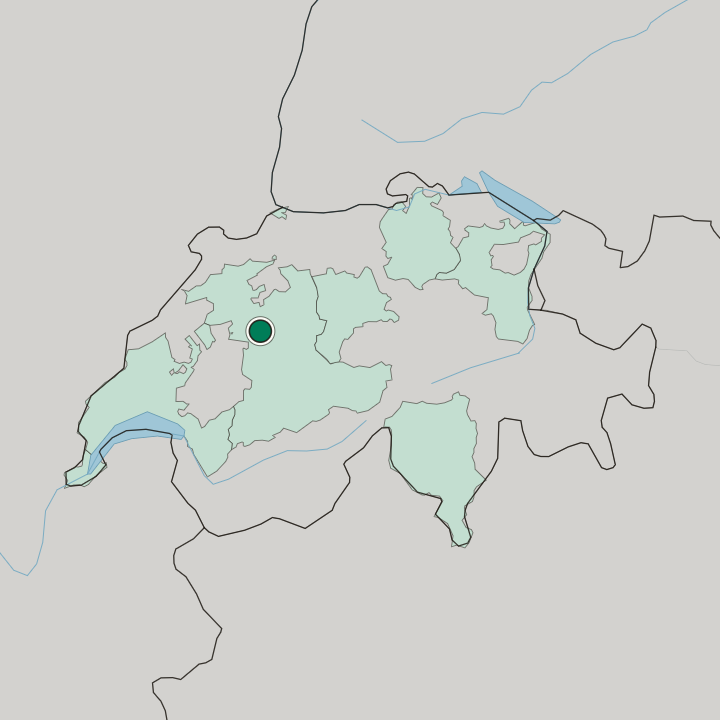
Around it the Canton de Berne holds the administrative layer, and Bern carries Switzerland's federal city role.
Where is Weissenbühl?
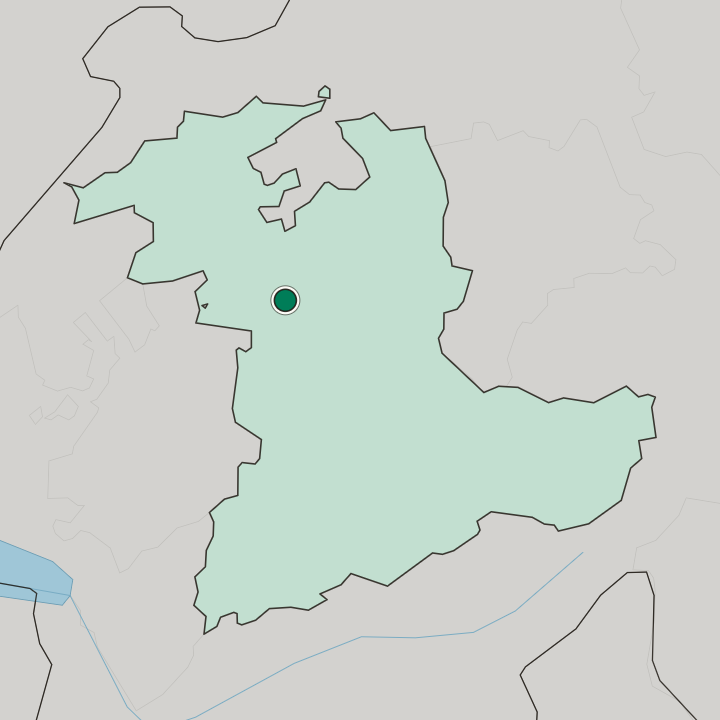
Sandrain lies nearest to Weissenbühl, with Marzili and Monbijou a kilometre or less off, all of them on Bern's south-western side.
Common questions
What is the best area to stay in Weissenbühl?
Weissenbühl: museum days built around the Tram-Museum Bern and the Blasinstrumenten-Sammlung. Sandrain: a bed at the quarter nearest Weissenbühl without going back into the city. Bern / Innere Stadt: central rooms with a run out to the Blasinstrumenten-Sammlung.
More areas in Bern
Updated October 2026