Switzerland · Kanton Luzern
Where to Stay in Luzern, Kanton Luzern
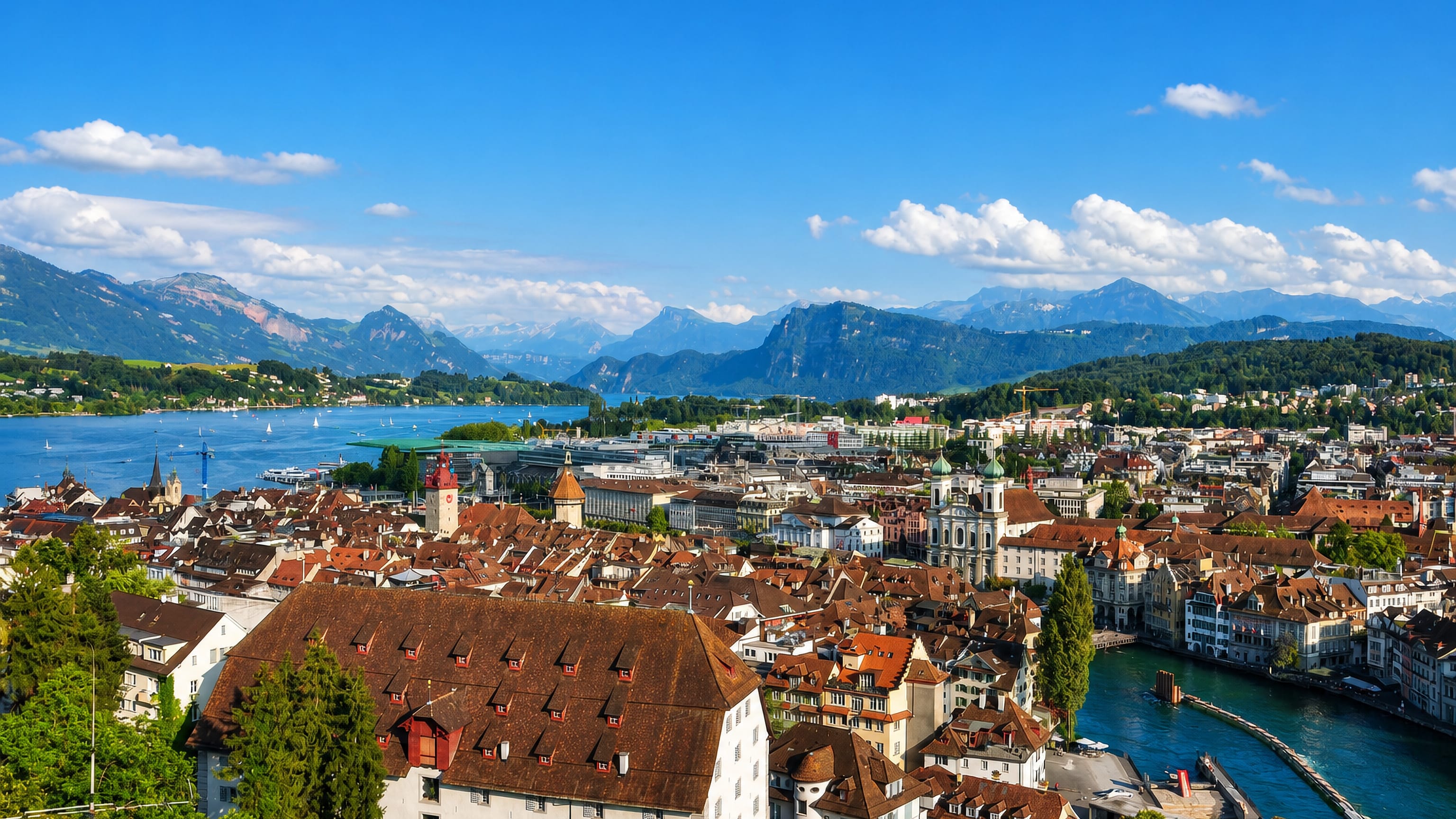
Water and covered timber meet at Luzern, a lakeside city on Lake Lucerne in central Switzerland, known for the Chapel Bridge and the Lion Monument.
Hotel links are affiliate links: booking through them may earn us a commission, at no extra cost to you. It never affects how places are ranked. How this works



Where to stay in Luzern
Where the beds are, and what that means for the visit.
Where to stay in Luzern sorts itself around the Reuss and the head of Lake Lucerne. The Old Town on the river's right bank puts you inside the medieval core, steps from the Chapel Bridge and under the towers of the Musegg wall. Painted facades line its squares.
Rooms here fill early, so book ahead if the historic streets are the reason you came. The left bank, around the Jesuit Church and the Franciscan quarter, keeps you close to the water while trading some crowds for quieter lanes. It suits travellers who want the Old Town a bridge away rather than underfoot.
Near the station and the Lucerne Culture and Congress Centre, the ground turns modern and transit-friendly. This is the practical base for arriving by train, catching a lake steamer, or moving on toward the Alps the next morning. Beyond the centre, the lakeshore stretches east past the Swiss Museum of Transport, where larger lakefront properties look back across the water at the city and the peaks behind it.
Find hotels in Luzern
Direct booking searches for these neighbourhoods.
Old Town (right bank)
Inside the painted-facade squares under the Musegg wall towers, steps from the Chapel Bridge. Beds are limited here, so book early.Find hotels in Old Town (right bank)Quieter lanes a bridge from the crowdsLeft bank around the Jesuit Church
By the Franciscan quarter on the Reuss, with the Old Town one crossing awayFind hotels in Left bank around the Jesuit ChurchArriving by train or lake steamerStation and KKL lakefront
Beside the Lucerne Culture and Congress Centre and the rail terminus at the lake's headFind hotels in Station and KKL lakefrontHotel links are affiliate links: booking through them may earn us a commission, at no extra cost to you. It never affects how places are ranked. How this works
Things to do in Luzern
Ranked by global recognition; descriptions from Wikidata (CC0).
Museums & Galleries
4- Rosengart Collection Heritage
- Kunstmuseum Luzern Heritage
- Richard-Wagner-Museum Heritage
- Alpineum Heritage
Churches & Religious Sites
3- St. Paul's Church Heritage
- Kapuzinerkloster auf dem Wesemlin Heritage
- Rathausen Abbey Church Heritage
Landmarks & Notable Places
3- Chapel Bridge Heritage
- Corragioni House Heritage
- Männliturm
worth knowingacross 3 categories in Luzern
About Luzern
What is Luzern known for?
Luzern is known first for the Chapel Bridge, the covered timber walkway that crosses the Reuss beside its octagonal water tower. The Lion Monument, carved into a rock face nearby, draws visitors from across the canton of Lucerne. Culture runs deep here.
The Swiss Museum of Transport and the Rosengart Collection sit within easy reach, while the lakefront Lucerne Culture and Congress Centre stages concerts through the year. Few small cities in central Switzerland pack this many draws so tightly around one lake.
What are the main landmarks in Luzern?
Luzern gathers its landmarks around the Reuss and the medieval wall. The Chapel Bridge and its water tower anchor the river crossing, while the Musegg wall carries a run of stone towers, among them the Zytturm and the Nölliturm. On the hillside above, the Lion Monument is cut into living rock beside the Glacier Garden of Lucerne.
Art and music have their own addresses. The Rosengart Collection, the Kunstmuseum Luzern, and the Richard-Wagner-Museum spread across the city, and the Swiss Museum of Transport fills a large campus along the lakeshore.
What is the history of Luzern?
Luzern grew from a monastic settlement into a trading town at the point where the Reuss leaves Lake Lucerne. Its position mattered. The crossing here linked the routes running south toward the Alpine passes, and a bridged town on the water became a natural halt for goods and pilgrims.
St. Anne's Monastery and the older religious houses mark that early ecclesiastical footing. Medieval prosperity built the defences that still define the skyline. The Musegg wall and its towers, the Zytturm among them, enclosed the growing town, while the Chapel Bridge and its water tower guarded the river line.
Luzern joined the wider Swiss confederation and became the seat of its own canton of Lucerne, giving the town an administrative weight beyond its size. Wagner. The composer Richard Wagner spent formative years by the lake, and the Richard-Wagner-Museum keeps that connection.
Later centuries turned the medieval core toward visitors, and the crossings, towers, and lakeshore that once served trade and defence now carry the city's cultural life.
Where is Luzern?
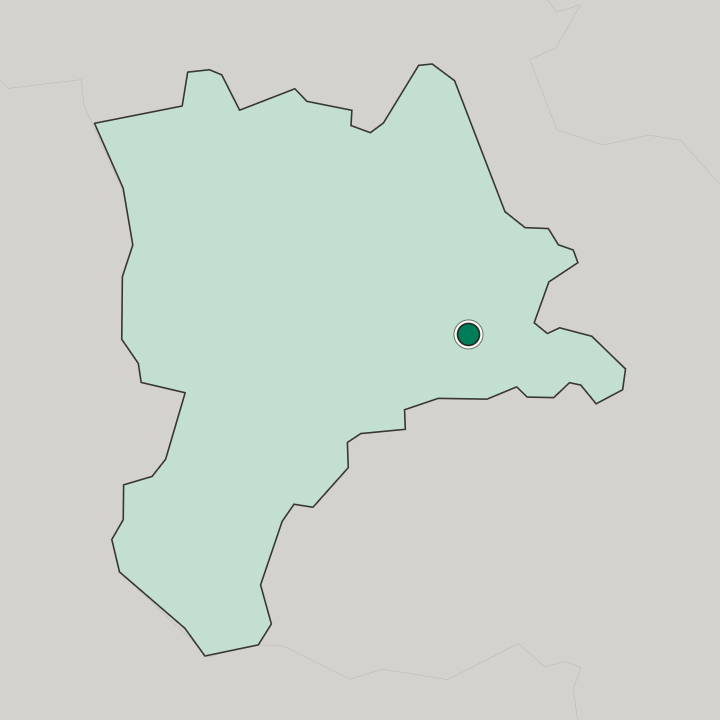
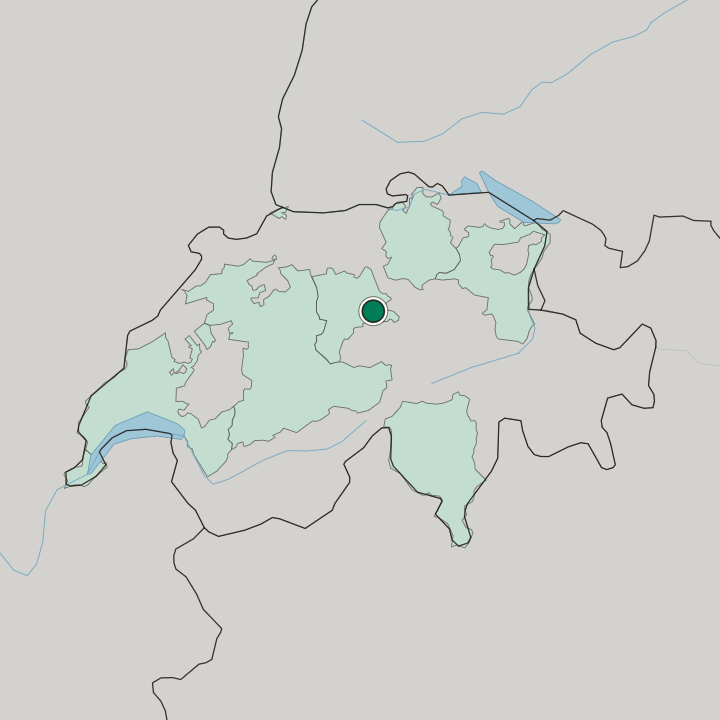
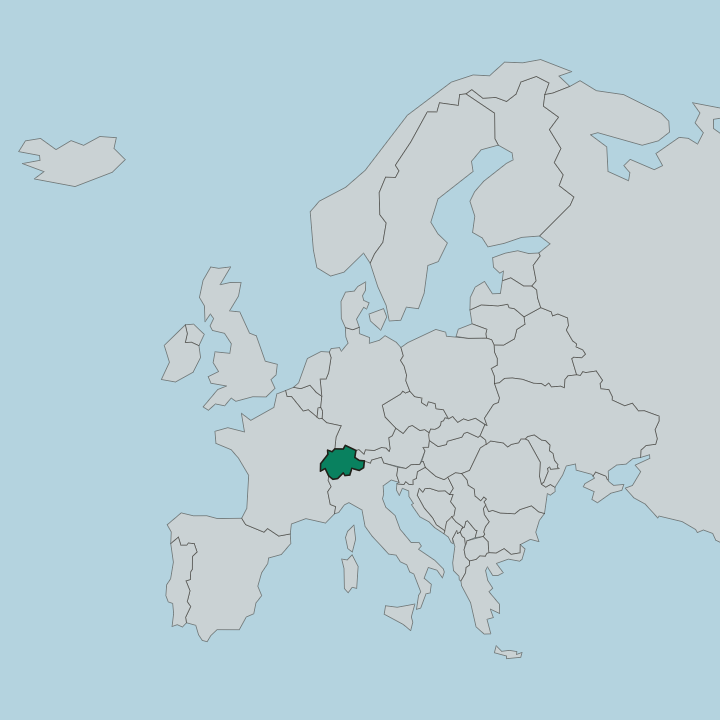
Luzern sits where the Reuss flows out of Lake Lucerne in central Switzerland. The lake curls into arms between steep wooded slopes, and the city fills the flat ground at its head before the land climbs toward the surrounding Alps. Water is the organizing feature.
The river splits the historic centre into two banks, joined by the Chapel Bridge and later crossings, while the Musegg wall follows the higher ground to the north. Peaks such as those ringing the lake stand close enough to frame nearly every view from the shore.
What is the climate of Luzern?
Luzern has a temperate climate shaped by its lake and the Alps to the south. Summers are warm and green, with long evenings over Lake Lucerne. The winter months turn cold in Lucerne.
Snow settles on the surrounding peaks and can dust the lower town, while the lake itself moderates the sharpest chills along the Reuss. Cloud and rain gather against the mountains through the cooler months, giving the shoulder seasons a soft, changeable light that shifts across the water and the Musegg wall.
How do you get to Luzern?
Luzern is easy to reach by rail from across central Switzerland. Its lakefront station sits at the head of Lake Lucerne, beside the Lucerne Culture and Congress Centre, with fast connections to the larger Swiss cities. Boats matter too.
Lake steamers depart from the quays for villages around the shore and the mountain railways beyond, while roads climb from the canton of Lucerne toward the Alpine passes to the south. From the platforms, the Chapel Bridge and Old Town are a short walk along the Reuss.
Common questions
What is the best area to stay in Luzern?
Old Town (right bank): First-time visitors who want the medieval core. Left bank around the Jesuit Church: Quieter lanes a bridge from the crowds. Station and KKL lakefront: Arriving by train or lake steamer.
Good for
Updated September 2026