Switzerland
Kanton Luzern, Switzerland — Towns & Travel Guide
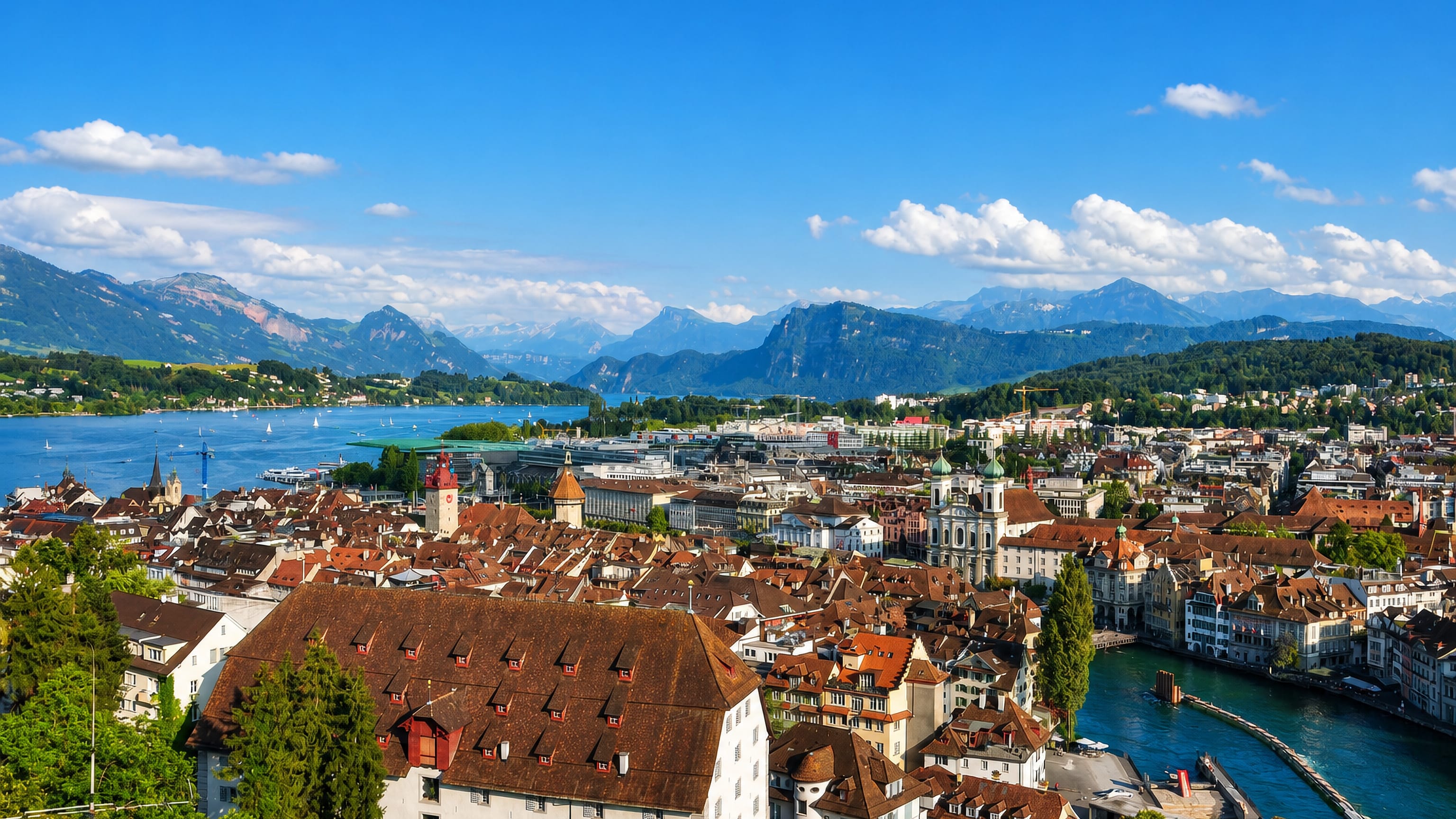
Kanton Luzern is a German-speaking canton of central Switzerland, its cantonal capital the lakeside city of Lucerne.
Hotel links are affiliate links: booking through them may earn us a commission, at no extra cost to you. It never affects how places are ranked. How this works


Towns & cities in Kanton Luzern
One town here has its own guide — it links to where to stay.
 Switzerland
Luzern
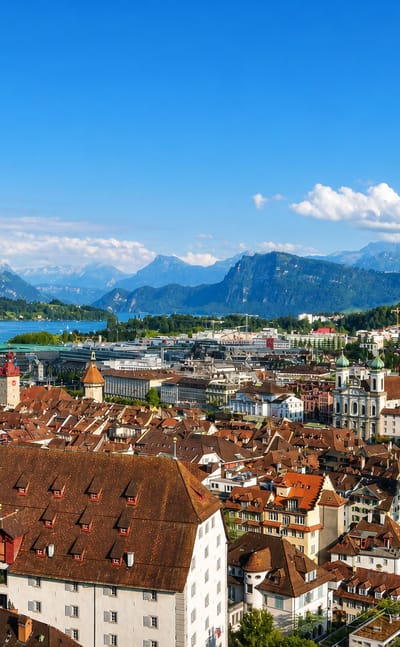
Water and covered timber meet at Luzern, a lakeside city on Lake Lucerne in central Switzerland, known for the Chapel Bridge and the Lion Monument.Where to stay →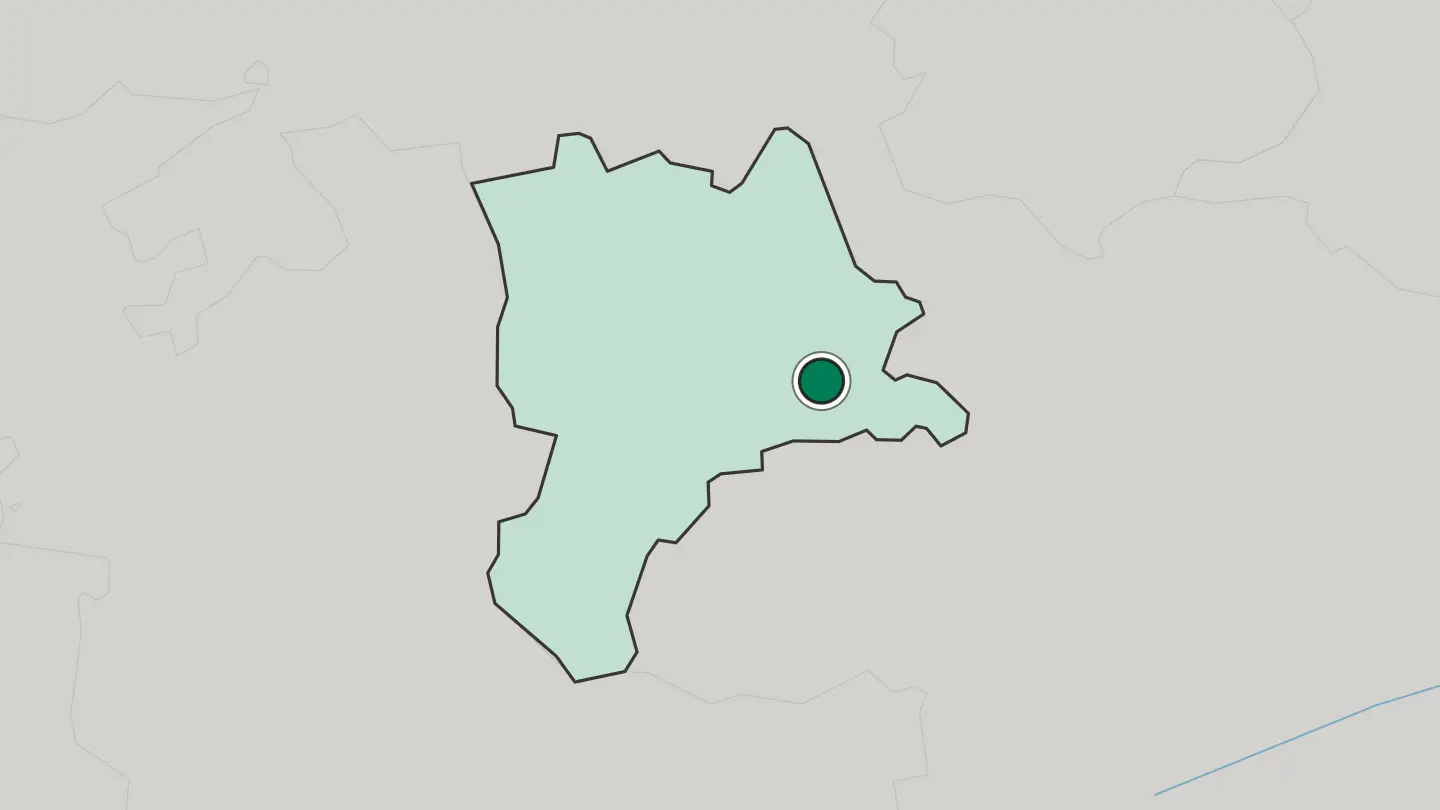
Hotel links are affiliate links: booking through them may earn us a commission, at no extra cost to you. It never affects how places are ranked. How this works
About Kanton Luzern
What is Kanton Luzern known for?
Kanton Luzern is known as one of the founding cantons of central Switzerland, admitted to the confederation in 1332. Its cantonal capital, Lucerne, gives the canton its name and its best-known face. German is the everyday language.
The canton anchors the German-speaking heart of the country, a compact administrative unit whose identity centres on the historic city of Lucerne and the confederate history that shaped it.
Where is Kanton Luzern?
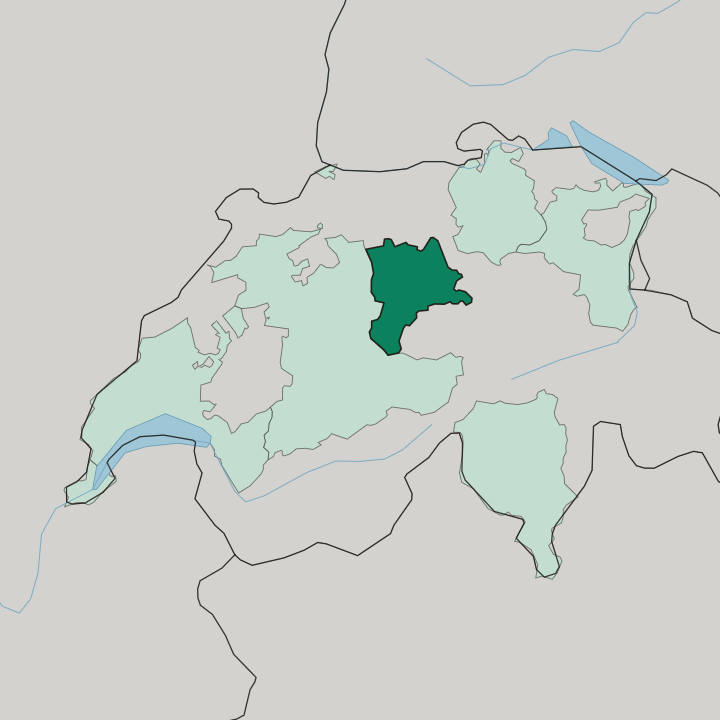
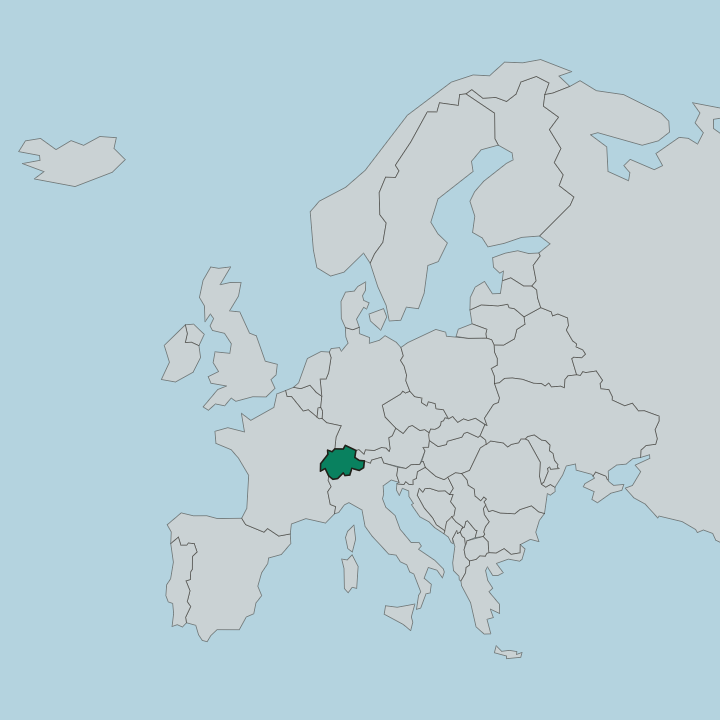
Kanton Luzern occupies part of central Switzerland, in the German-speaking heart of the country. It is a compact canton by area, its ground rising from lower land toward the higher terrain that fringes the wider Alpine region to the south. Kanton Luzern lies wholly inland.
No sea reaches this part of Switzerland, so the canton's geography is defined by hills, valleys, and the belt of central-Swiss country it shares with its neighbours. At the centre of it all stands Lucerne, the cantonal capital, where administration and population gather. The city gives the canton its focus.
Around it, the canton of Lucerne spreads across the surrounding countryside, a single administrative unit stitched together under one cantonal government. From that core the land climbs and falls across central Switzerland, and the canton's shape follows the older confederate boundaries that have held since it entered the federation.
What is Kanton Luzern like?
Kanton Luzern belongs firmly to German-speaking Switzerland, and language sets the tone of its public life. German is the working tongue of school, government, and the street. Catholic tradition runs deep.
The canton was long a Catholic stronghold within the confederation, and that heritage still colours its festivals, churches, and civic calendar across central Switzerland. Cultural life gathers in Lucerne, the cantonal capital, which draws the wider canton toward its museums and stages. The city is the canton's cultural anchor.
Beyond it, the canton of Lucerne keeps the rhythms of a German-speaking, historically Catholic countryside, where identity is bound up with the confederate past that dates the canton's membership to 1332. That founding moment remains a point of pride, tying the modern canton to the earliest chapters of the Swiss federation and to the central-Swiss cantons that joined alongside it.
What is the history of Kanton Luzern?
Kanton Luzern traces its confederate history to 1332, when it joined the growing Swiss federation. That step tied the canton of Lucerne to the founding cantons of central Switzerland. Its capital led the way.
The city of Lucerne carried the canton's weight through the centuries that followed, and the German-speaking territory around it grew into the modern administrative canton within Switzerland.
What is the climate of Kanton Luzern?
Kanton Luzern has a temperate inland climate typical of central Switzerland. Summers are warm and green across the canton's hills and valleys. Winters turn cold.
Snow settles on the higher ground toward the Alpine fringe, while the lower country around Lucerne sees milder, wetter spells. Cloud and rain build against the mountains through the cooler half of the year, and the German-speaking canton keeps the changeable weather common to this part of Switzerland.
How do you get to Kanton Luzern?
Kanton Luzern sits at a well-connected crossroads of central Switzerland. Its capital, Lucerne, holds the main rail node, linking the canton to the larger Swiss cities and onward toward the Alpine passes. Trains do the heavy lifting.
From Lucerne, the German-speaking canton spreads out along the rail and road network that binds central Switzerland together, so most visitors arrive first at the cantonal capital and travel on from there into the surrounding canton of Lucerne.
Common questions
What is the best area to stay in Kanton Luzern?
Lucerne, the cantonal capital: Culture and transport within the canton.
Good for
More regions in Switzerland
Updated September 2026