Chile · Región Aysén
Where to Stay in Coyhaique, Región Aysén
Coyhaique is the capital of Chile's Aysén Region, a 1929 settlement east of the Andes where the Simpson and Coyhaique rivers meet.
Hotel links are affiliate links: booking through them may earn us a commission, at no extra cost to you. It never affects how places are ranked. How this works


Where to stay in Coyhaique
How the choice of base plays out on the ground.
Beds cluster tight around the Cathedral of Our Lady of Sorrows. The built-up city covers about thirteen square kilometres, so a room almost anywhere in the grid puts the Museo Regional de Aysén and the shops within a walk rather than a drive. Distance is rarely the problem.
The Andes rise on the western side, and the mountains hold the town in on the others, which keeps the built area small and the walking distances honest. Season is the real constraint. The rivers give the other option.
The Simpson and Coyhaique rivers meet at the town's edge, and a room on that side trades the walk to the Cathedral of Our Lady of Sorrows for water noise and a faster start for anyone fishing or heading out at first light. Anglers work this out quickly. It is a quieter base, and it suits a stay measured in days rather than one night between long drives.
Coyhaique Province has no second city to fall back on. If you are driving the Carretera Austral, the useful stay is the one that lets you leave before light and still reach the next stretch of road with the day intact. That usually means parking at the door.
Everything the town has, the Museo Restaurante Bajo Marquesina de Coyhaique included, sits inside a short walk, so the trade is smaller here than it would be in a bigger place.
Find hotels in Coyhaique
Direct booking searches for these neighbourhoods.
The grid around the Cathedral of Our Lady of Sorrows
the Cathedral of Our Lady of Sorrows anchors a centre of about thirteen square kilometres, so almost nothing in it needs a car. Beds are limited here, so book early.Find hotels in The grid around the Cathedral of Our Lady of Sorrowsanglers and anyone who starts the day on the water rather than in the shopsThe confluence side, by the Simpson and Coyhaique rivers
the Simpson and Coyhaique rivers meet at the town's edge, which buys quiet and an early start at the cost of the walk back inFind hotels in The confluence side, by the Simpson and Coyhaique riversdrivers treating Coyhaique as a supply stop between long stretches of the Carretera AustralThe Carretera Austral edge
the Carretera Austral is the reason most beds here turn over nightly, and parking at the door beats a view from the windowFind hotels in The Carretera Austral edgeHotel links are affiliate links: booking through them may earn us a commission, at no extra cost to you. It never affects how places are ranked. How this works
Things to do in Coyhaique
Ranked by global recognition; descriptions from Wikidata (CC0).
Museums & Galleries
1- Museo Restaurante Bajo Marquesina de Coyhaique
Churches & Religious Sites
1- Cathedral of Our Lady of Sorrows
Castles & Historic Sites
3- Escuela Pedro Quintana Mansilla Heritage
- Construcciones de la Sociedad Industrial de Aysén Heritage
- Aysén Region
worth knowingacross 3 categories in Coyhaique
About Coyhaique
Most arrivals are headed for the Carretera Austral.
What is Coyhaique known for?
Coyhaique is the largest city in northern Chilean Patagonia, and almost every traveller heading down that road stops in it for supplies, a bed, or a last stretch of pavement. Mountains ring the town. The Museo Regional de Aysén carries the settlement story, and the Museo Restaurante Bajo Marquesina de Coyhaique keeps a narrower one.
What are the main landmarks in Coyhaique?
The Museo Regional de Aysén does the heavy lifting. It holds the record of how this corner of Chilean Patagonia was settled, and the Construcciones de la Sociedad Industrial de Aysén still stand as the physical half of that same story. Nothing on the list is old.
The Cathedral of Our Lady of Sorrows works the centre, and it is the one building most visitors will pass without planning to. Two smaller stops round it out: the Escuela Pedro Quintana Mansilla and the Museo Restaurante Bajo Marquesina de Coyhaique.
What is the history of Coyhaique?
The first houses went up in 1929. Chile paid little attention to the Aysén Region before the twentieth century, treating it as remote ground not worth the cost of working, so the settlement that became Coyhaique arrived late and deliberately. That was settlers' work, not the state's.
Nothing of size stood in the Aysén Region before that, and the long official indifference is what left the ground open to the people who did build. The Simpson and Coyhaique rivers meet here, and that junction is the one piece of geography the founding had to work with. The Construcciones de la Sociedad Industrial de Aysén survive from that period, and they carry the first decades of the place better than any written account manages.
Two spellings are in use. Coihaique and Coyhaique both appear in print, and the second is the form that the province and the region carry, so an old book and a new map can disagree about the same town. Coyhaique became the capital of both Coyhaique Province and the Aysén Region, which is a heavy administrative load for a town founded in 1929.
The Museo Regional de Aysén holds the record of it.
Where is Coyhaique?
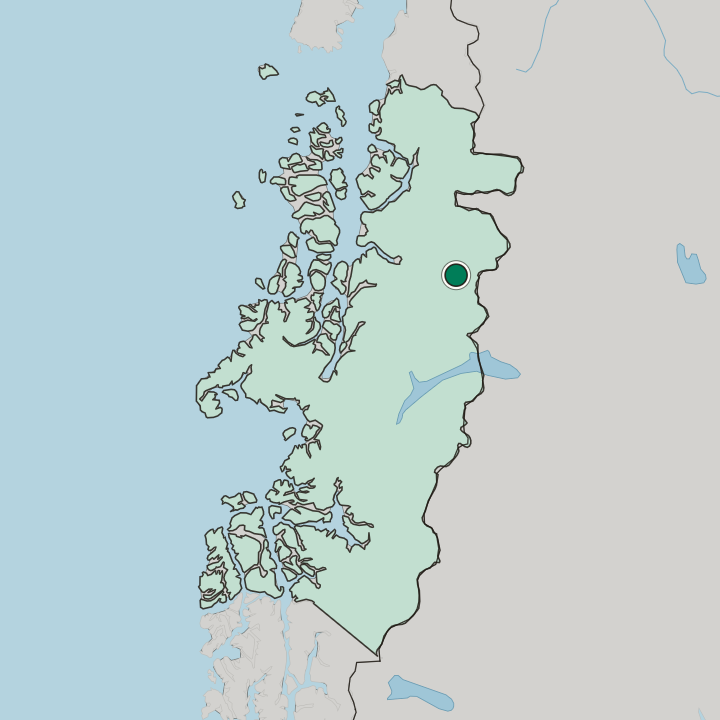
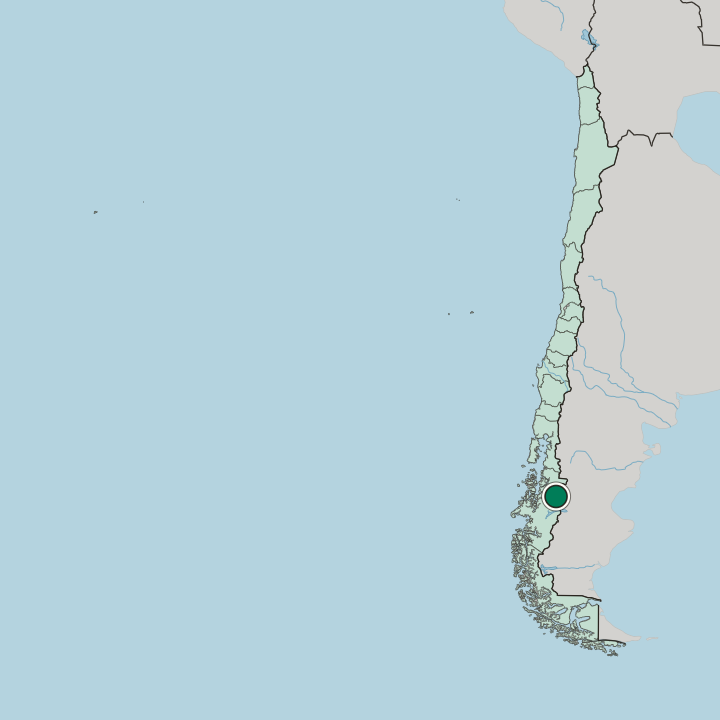
The Andes stand to the west. Coyhaique sits east of that range in Chilean Patagonia, at a bit over three hundred metres above sea level, on the ground where the Simpson and Coyhaique rivers come together. Mountains close the view in every direction.
The built city covers roughly thirteen square kilometres, which is small enough that the mountains are never scenery so much as the wall at the end of the street.
What is the climate of Coyhaique?
The Andes take the weather first. Weather coming off the Pacific hits the range and arrives on the eastern side with much of its water already dropped, which is why Coyhaique sits in drier country than the coast of the Aysén Region. Altitude adds the rest.
A little over three hundred metres is enough to put a cold edge on clear nights well outside the winter months.
How do you get to Coyhaique?
One road matters here: the Carretera Austral. Travellers gather in Coyhaique before driving it, and the town is the last place of any size for a long stretch in either direction, which is what turns a night here into a supply run as much as a stay. Distances out here are long.
The Aysén Region has one main centre and a great deal of ground between everything else, so getting here is a matter of hours on the road rather than minutes.
Common questions
What is the best area to stay in Coyhaique?
The grid around the Cathedral of Our Lady of Sorrows: a first stay that wants the Museo Regional de Aysén and the shops on foot. The confluence side, by the Simpson and Coyhaique rivers: anglers and anyone who starts the day on the water rather than in the shops. The Carretera Austral edge: drivers treating Coyhaique as a supply stop between long stretches of the Carretera Austral.
Good for
Updated October 2026