Chile · Región de Arica y Parinacota
Where to Stay in Arica, Región de Arica y Parinacota
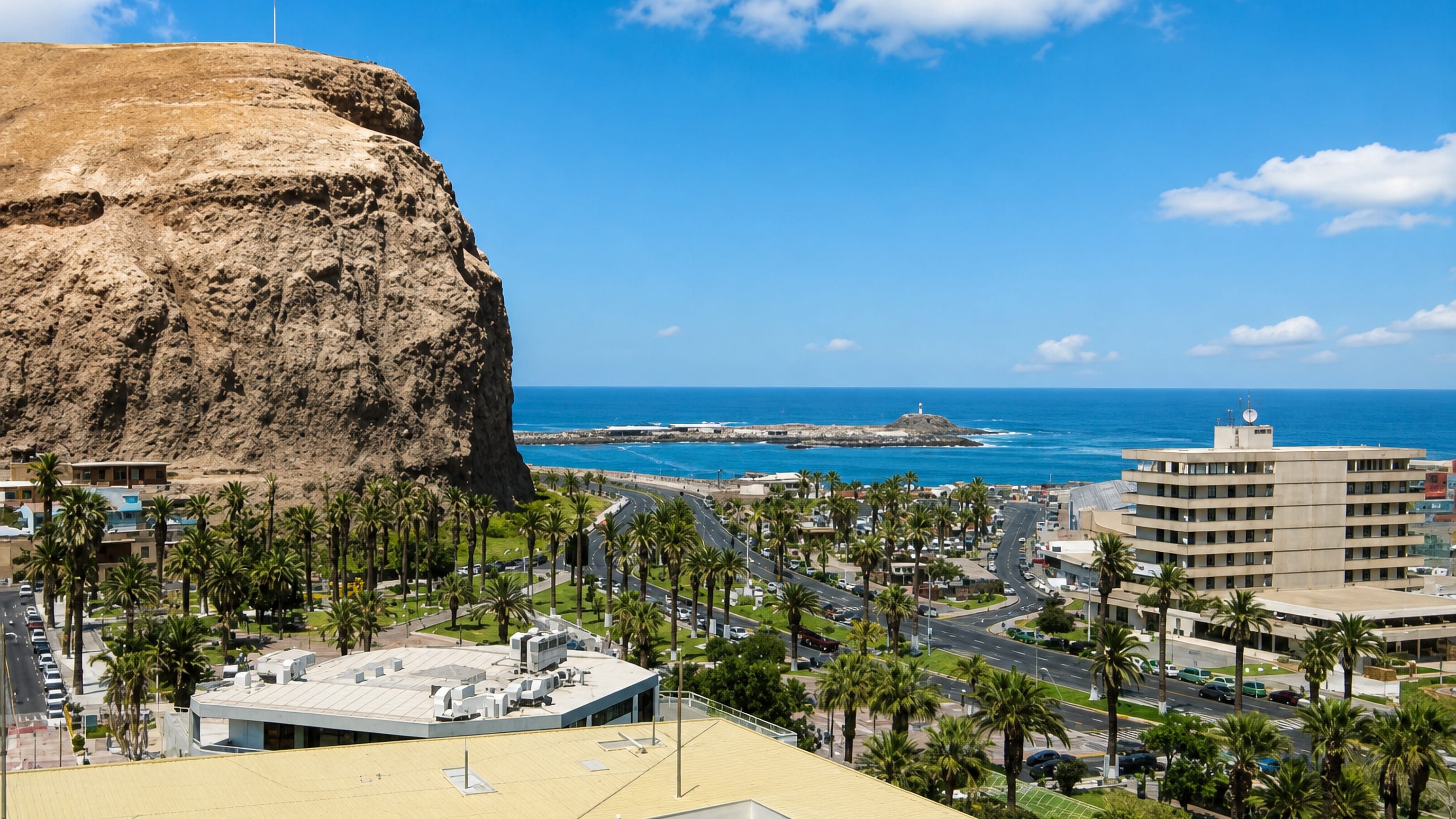
Arica is a port city of the far north of Chile, set below the great headland of the Morro on the edge of the driest desert on earth.
Hotel links are affiliate links: booking through them may earn us a commission, at no extra cost to you. It never affects how places are ranked. How this works


Where to stay in Arica
Where the beds are, and what that means for the visit.
Where you stay in Arica turns on the town or the beaches. The streets around the plaza keep the iron church, the market, and the shops within a walk, and staying downtown suits anyone here for the town. The Morro rises over the streets.
Crowds fill the plaza at evening. Out toward the beaches and the coast, the town gives way to the sands, the surf, and the desert shore. A room by the sea trades the streets for the long beaches, the warm water, and the sunsets over the Pacific.
The desert runs to the surf. Stay downtown for the church, or by the sea for the beaches. Arica's plaza stands only a few blocks back from the sand.
Find hotels in Arica
Direct booking searches for these neighbourhoods.
The town centre
Around the plaza below the MorroFind hotels in The town centreStays wanting the sands and surfThe beaches
Out along the coast below the MorroFind hotels in The beachesHotel links are affiliate links: booking through them may earn us a commission, at no extra cost to you. It never affects how places are ranked. How this works
Things to do in Arica
Ranked by global recognition; descriptions from Wikidata (CC0).
Museums & Galleries
2- Museo Histórico y de Armas del Morro de Arica
- La Casa Redonda (museo)
Churches & Religious Sites
1- St. Mark's Cathedral Heritage
Castles & Historic Sites
3- Faldeo Norte del Morro de Arica Heritage
- Monumento al soldado desconocido, Arica
- Cristo de la Concordia, Arica
Landmarks & Notable Places
1- House Yanulaque
worth knowingacross 4 categories in Arica
About Arica
Arica is the northern port below the Morro.
What is Arica known for?
On the Pacific coast at the edge of the Atacama, near the borders of Peru and Bolivia, it lies under a great brown headland, and it keeps the Morro cliff that towers over the town, an iron church said to come from the workshop of Eiffel, the ancient Chinchorro mummies of the coast, and mild spring weather all year in a rainless land. The dry cliffs rise over the sea. The desert runs bare inland.
What are the main landmarks in Arica?
The Morro rises brown over Arica. The great headland that stands sheer above the city, where a famous battle was fought, looks out over the sea, the emblem of the town, above the port. An iron church stands in the square.
The old church of bolted iron, said to come from the workshop of Eiffel, rises on the plaza, while the beaches, the mummy museum, and the desert valleys mark the country around Arica.
What is the history of Arica?
Arica was long a port of the desert coast. In Spanish days the town shipped the silver of the mountains down to the sea, on the road from the great mines of the interior. It was Peruvian first.
For centuries Arica belonged to Peru, until the War of the Pacific in the nineteenth century, when Chile stormed the Morro headland above the town and took the coast. The cliff still bears the battle's name. High over the city the Morro of Arica, where the assault was fought, stands as a monument, and the town became the northern port of Chile on the Pacific.
The desert kept its dead. On this rainless coast the ancient Chinchorro people had made mummies of their dead thousands of years before the pharaohs, and the dry sands kept them whole, so that Arica holds the oldest made mummies on earth. The Morro still guards the port.
Arica keeps its headland and its mummies on the desert coast.
Where is Arica?
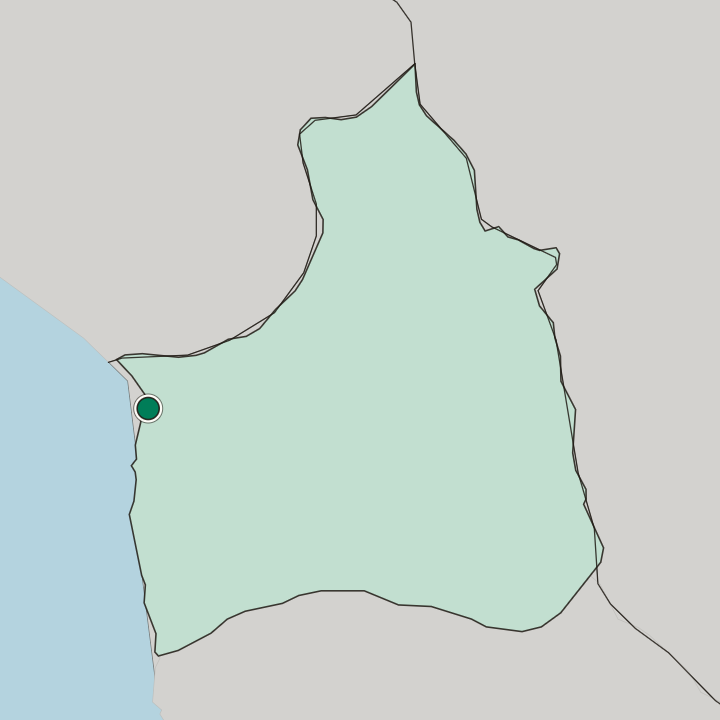
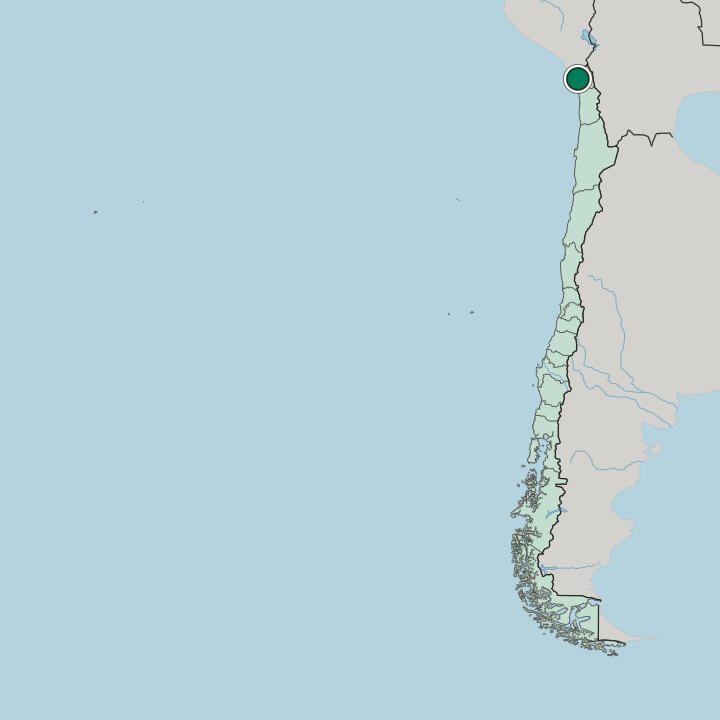
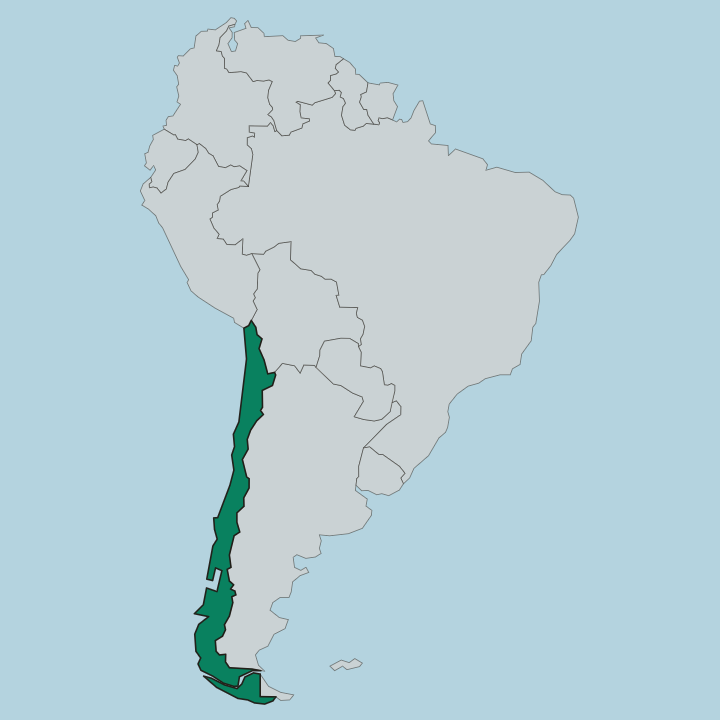
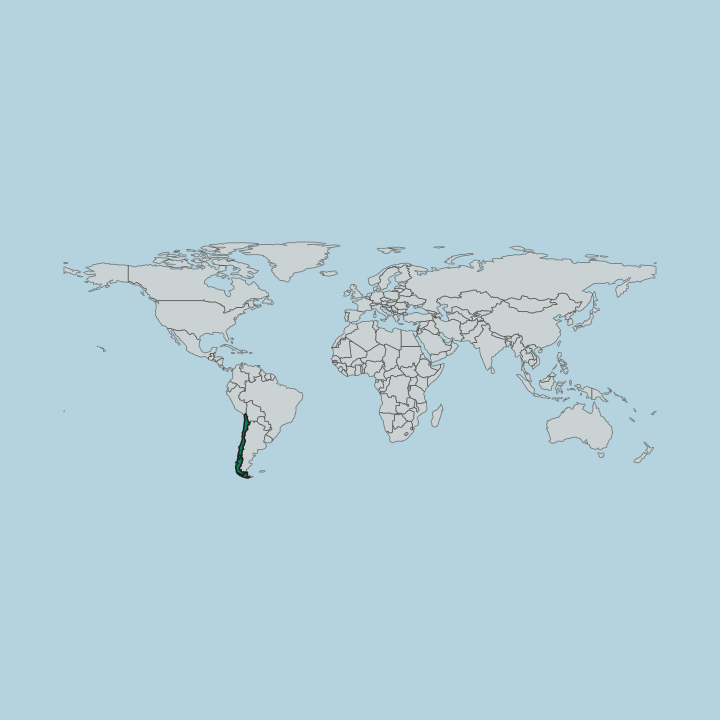
Arica lies at the far northern tip of Chile, on the Pacific coast where the Atacama runs down to the sea. The city sits on a narrow shelf of desert below the Morro headland, between the bone-dry hills and the ocean, with two green river valleys cutting down from the mountains to the town. Dry hills run to the sea.
The great cliff stands over the port.
What is the climate of Arica?
Arica has a mild, rainless desert climate. Warm days and cool nights hold all year on the coast, with almost no rain at all, one of the driest climates on earth, tempered by the cool sea. The sun shines through the year.
Fog drifts in off the ocean.
How do you get to Arica?
Arica lies at the top of Chile, on the coast road near the Peruvian border. Buses run to it up the desert highway from Iquique and down from Tacna in Peru, and roads climb inland to Bolivia. Its port still takes ships.
Iquique lies south down the coast.
Common questions
What is the best area to stay in Arica?
The town centre: Visitors here for the iron church and market. The beaches: Stays wanting the sands and surf.
Good for
Updated September 2026