Chile · Región de los Lagos
Where to Stay in Osorno, Región de los Lagos
Osorno is a city of southern Chile in the lake district, an old Spanish town shaped by German settlers, on the Rahue between Andean volcanoes and the sea.
Hotel links are affiliate links: booking through them may earn us a commission, at no extra cost to you. It never affects how places are ranked. How this works


Where to stay in Osorno
Where the beds are, and what that means for the visit.
Osorno offers a choice between the streets around the plaza and the farm country beyond. The streets around the plaza keep the cathedral, the fort, and the museums within a walk, and staying downtown suits anyone here for the city. The Rahue runs through the town.
Rain drums on the roofs. Out toward the lakes and the volcanoes, the town gives way to the dairy farms, the German villages, and the road to the Andes. A room out of town trades the streets for the green pastures, the river valleys, and the far snowy peaks.
The volcanoes rise clear to the east. Stay downtown for the city, or out for the lakes. From the pastures it is a short drive back to the plaza.
Find hotels in Osorno
Direct booking searches for these neighbourhoods.
Downtown
Ringing Osorno's main plazaFind hotels in DowntownStays wanting the farms and the AndesThe lakes and volcanoes
East toward the mountainsFind hotels in The lakes and volcanoesHotel links are affiliate links: booking through them may earn us a commission, at no extra cost to you. It never affects how places are ranked. How this works
Things to do in Osorno
Ranked by global recognition; descriptions from Wikidata (CC0).
Museums & Galleries
3- Museo y Archivo Histórico Municipal de Osorno
- Museo Surazo
- Museo Interactivo de Osorno
Churches & Religious Sites
2- St. Matthew's Cathedral, Osorno
- Iglesia Luterana en Osorno
Castles & Historic Sites
1- Pilauco Bajo
Parks & Gardens
1- Parque Pleistocénico de Osorno
worth knowingacross 4 categories in Osorno
About Osorno
Osorno is the German-built city of the Chilean south.
What is Osorno known for?
On the Rahue river in the green lake district of Chile, it grew as a Spanish fort town settled later by German farmers, and it keeps the old Spanish fort by the river, the Lutheran church and timber houses of its German past, the great dairy farms of the rainy plain, and the road east to the volcanoes and lakes of the Andes. The green plain runs to the hills. Rain keeps the pastures deep.
What are the main landmarks in Osorno?
The old Spanish fort is the mark of Osorno. The stone bastion of Reina Luisa on the bank of the Rahue, raised to guard the southern frontier, stands by the river, the emblem of the town, downtown. A church recalls the Germans.
The old Lutheran church rises among the timber houses of the German quarter, while the modern cathedral, the Pilauco fossil beds, and the road to the volcanoes mark the country around Osorno.
What is the history of Osorno?
Osorno was a Spanish fort in the far south. The Spanish founded the town in the fifteen-hundreds among the Mapuche lands, but it was destroyed and long lay in ruins before it was raised again by the river. A fort held the frontier.
On the Rahue the Spanish built the fort of Reina Luisa to guard the road south, and a small town gathered under its walls at the edge of the wild country. Germans came to farm the rain. In the eighteen-fifties settlers from Germany were brought to clear and farm the wet southern land, and they built churches, breweries, and neat timber houses in and around the town.
The plain became dairy country. Their farms turned the rainy plain into the great dairy land of Chile, and Osorno grew into the market of the south, keeping its old fort, its German churches, and its farms, below the volcanoes of the Andes. The rain still feeds the green fields.
Osorno keeps its river town in the lakes of the south.
Where is Osorno?
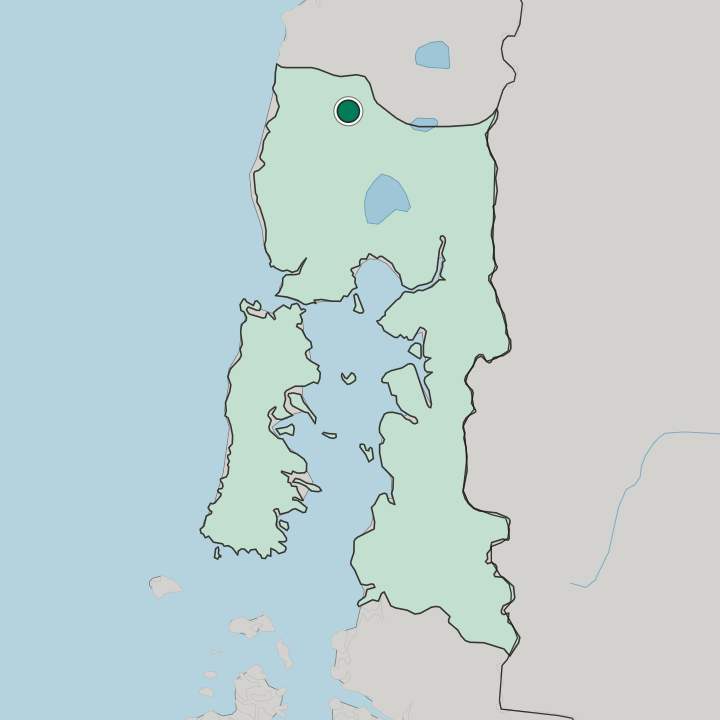
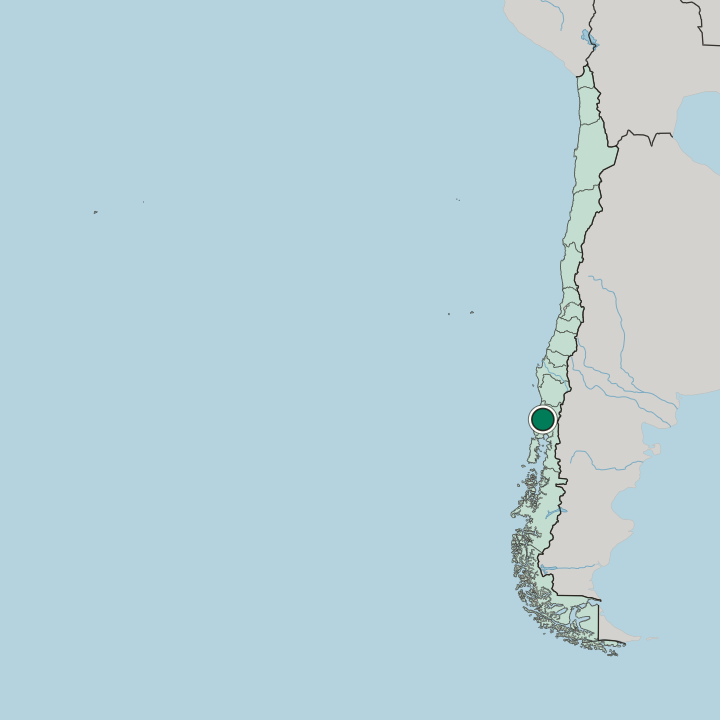
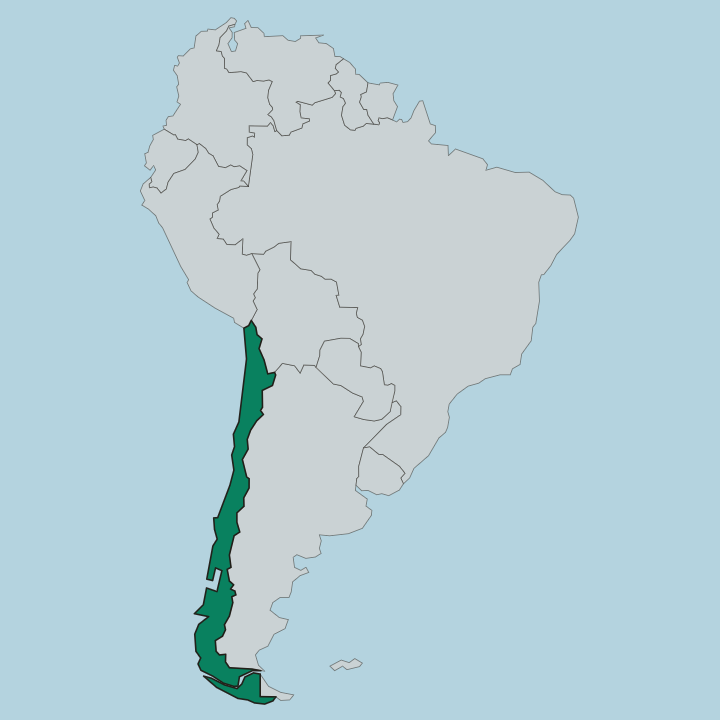
Osorno lies in the south of Chile, on the Rahue river in the central valley of the lake district. The city sits on a green, rainy plain between the coast range and the Andes, in a land of dairy pastures and rivers, with the snowy volcanoes rising to the east and the great southern lakes not far beyond. The rivers run full and cold.
Green pastures roll to the hills.
What is the climate of Osorno?
Osorno has a cool, wet oceanic climate. Mild damp summers and cold rainy winters cross the plain, with rain much of the year and green growth in every season. The wet keeps the fields green.
Clouds hang low on the peaks.
How do you get to Osorno?
Osorno lies in southern Chile, on the highway between Puerto Montt and the north. The main road and buses run to it down the central valley from Santiago, and roads climb east to the lakes and the Puyehue pass. Trains once ran south.
Puerto Montt lies south down the road.
Common questions
What is the best area to stay in Osorno?
Downtown: Visitors here for the cathedral and fort. The lakes and volcanoes: Stays wanting the farms and the Andes.
Good for
Another city in Región de los Lagos
Updated September 2026