Chile · Región de los Lagos
Where to Stay in Puerto Montt, Región de los Lagos
Puerto Montt is a port city of southern Chile, seat of the Lakes District at the head of a great sound, where roads and ferries turn south into Patagonia.
Hotel links are affiliate links: booking through them may earn us a commission, at no extra cost to you. It never affects how places are ranked. How this works


Where to stay in Puerto Montt
Where visitors usually base themselves, and why.
Where you stay in Puerto Montt turns on the port or the coast. The streets around the centre keep the market, the cathedral, and the wharves within a walk, and staying downtown suits anyone here for the port and the boats. The sound opens past the quays.
Boats load for the south. Out along the shore toward Angelmó and the hills, the town gives way to the fishing coves, the German farm country, and the volcano views. A room out of town trades the streets for the quiet shore, the wooden farmhouses, and the snowy peaks over the water.
The sound runs grey and wide. Stay downtown for the market, or out for the coast. Downtown Puerto Montt stands just back from the wharves.
Find hotels in Puerto Montt
Direct booking searches for these neighbourhoods.
The port centre
Around the downtown waterfrontFind hotels in The port centreStays wanting the coves and volcano viewsThe coast
Out toward AngelmóFind hotels in The coastHotel links are affiliate links: booking through them may earn us a commission, at no extra cost to you. It never affects how places are ranked. How this works
Things to do in Puerto Montt
Ranked by global recognition; descriptions from Wikidata (CC0).
Museums & Galleries
2- Historical Museum of Puerto Montt
- Museo de Piedras de Monte Verde
Churches & Religious Sites
1- Cathedral of Puerto Montt
Castles & Historic Sites
4- Monte Verde Heritage
- Bosque fósil de Punta Pelluco Heritage
- Casa Pauly Heritage
- Torre campanario del colegio San Francisco Javier Heritage
worth knowingacross 3 categories in Puerto Montt
About Puerto Montt
Puerto Montt is the southern port of the Lakes District.
What is Puerto Montt known for?
At the head of the Reloncaví Sound on the coast of southern Chile, it is the last big city before the wild south, and it keeps the busy fishing port and its Angelmó market, the wooden churches and German-colonial houses of the Lakes District, the snowy volcanoes of Osorno and Calbuco rising inland, and the ferries and roads that turn off here into Patagonia. The grey sound opens south. The volcanoes shine inland.
What are the main landmarks in Puerto Montt?
The Angelmó market is the heart of Puerto Montt. The waterfront row of fish stalls and craft huts, where the seafood of the cold south is heaped by the boats, draws the whole town, the emblem of the port, on the sound. A wooden cathedral stands downtown.
The old church built all of alerce wood rises on the main square nearby, while the fishing wharves, the German houses, and the volcano views mark the country around Puerto Montt.
What is the history of Puerto Montt?
The oldest people of the Americas passed here. At Monte Verde nearby, diggers found signs of some of the earliest people on the continent, camped by a creek many thousands of years ago. The Germans came much later.
In the middle of the nineteenth century German settlers were brought to the shores of the great lake and the sound to farm the forests of the south, and they founded a port that took the name of a Chilean statesman. The port opened the wild south. As the railway and then the road pushed down to the sound, Puerto Montt became the last town of the settled land and the port for all that lay beyond, sending ships through the islands and channels to Chiloé and the far fjords.
The sea gave a new trade. In time salmon farms filled the sheltered waters, and the town grew rich on fish and on the traffic south, keeping its wooden churches, its market, and its German roots. The ferries still load for the south.
Puerto Montt keeps its port and its volcanoes at the head of the sound.
Where is Puerto Montt?
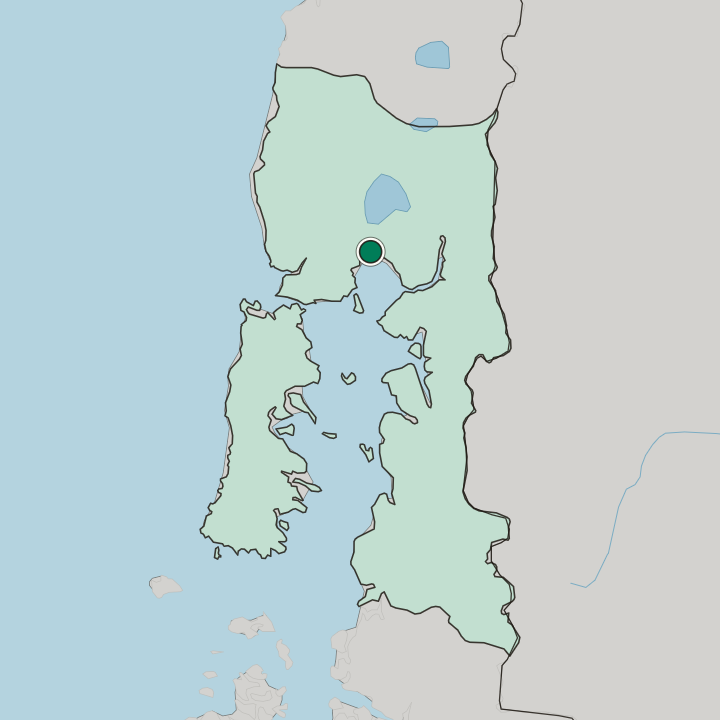
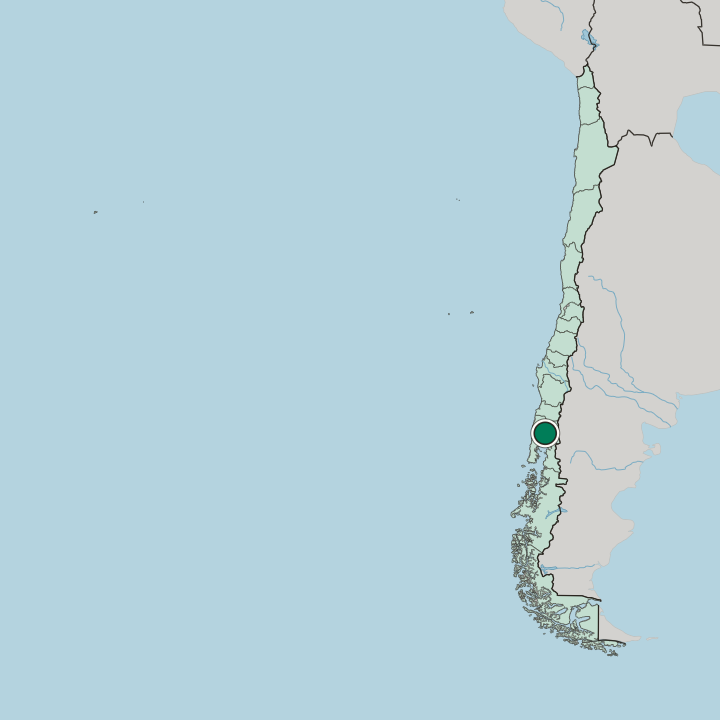
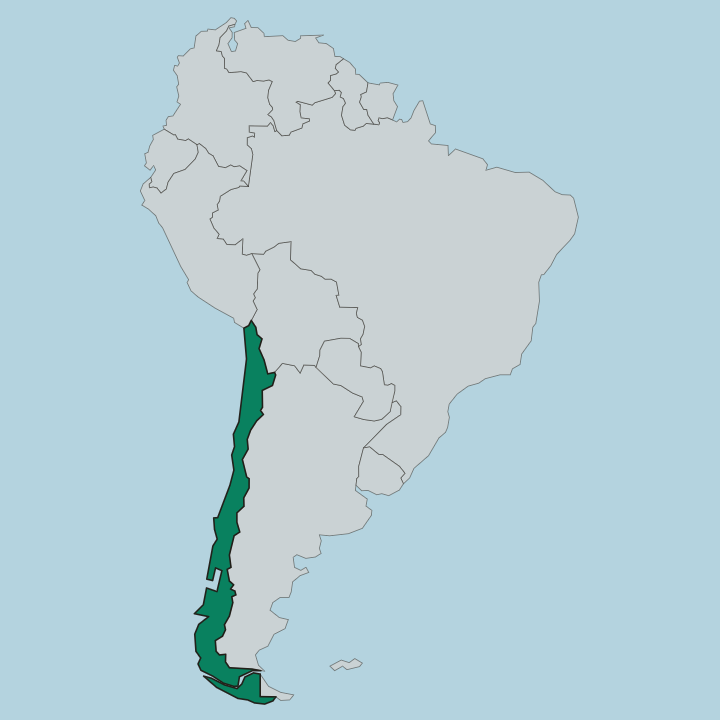
Puerto Montt lies in the south of Chile, at the head of the Reloncaví Sound where the mainland breaks into islands and fjords. The city climbs green hills above the grey water, at the point where the long central valley ends and the coast shatters into a maze of channels running south, with snowy volcanoes rising to the east. The sound opens to the sea.
Green hills climb behind.
What is the climate of Puerto Montt?
Puerto Montt has a cool, wet oceanic climate. Mild damp weather crosses the coast all year, with grey rainy skies through much of the year and cool green summers, softened by the sea. The rain keeps the hills green.
Grey skies hang over the sound.
How do you get to Puerto Montt?
Puerto Montt sits at the head of the sound in southern Chile. Flights, buses, and ferries reach it down the long valley from Santiago and out to the islands, and the road to Patagonia starts here. Ferries load for the fjords.
Santiago lies far to the north.
Common questions
What is the best area to stay in Puerto Montt?
The port centre: Visitors here for the market and wharves. The coast: Stays wanting the coves and volcano views.
Good for
Another city in Región de los Lagos
Updated October 2026