Chile · Región del Biobío
Where to Stay in Concepción, Región del Biobío
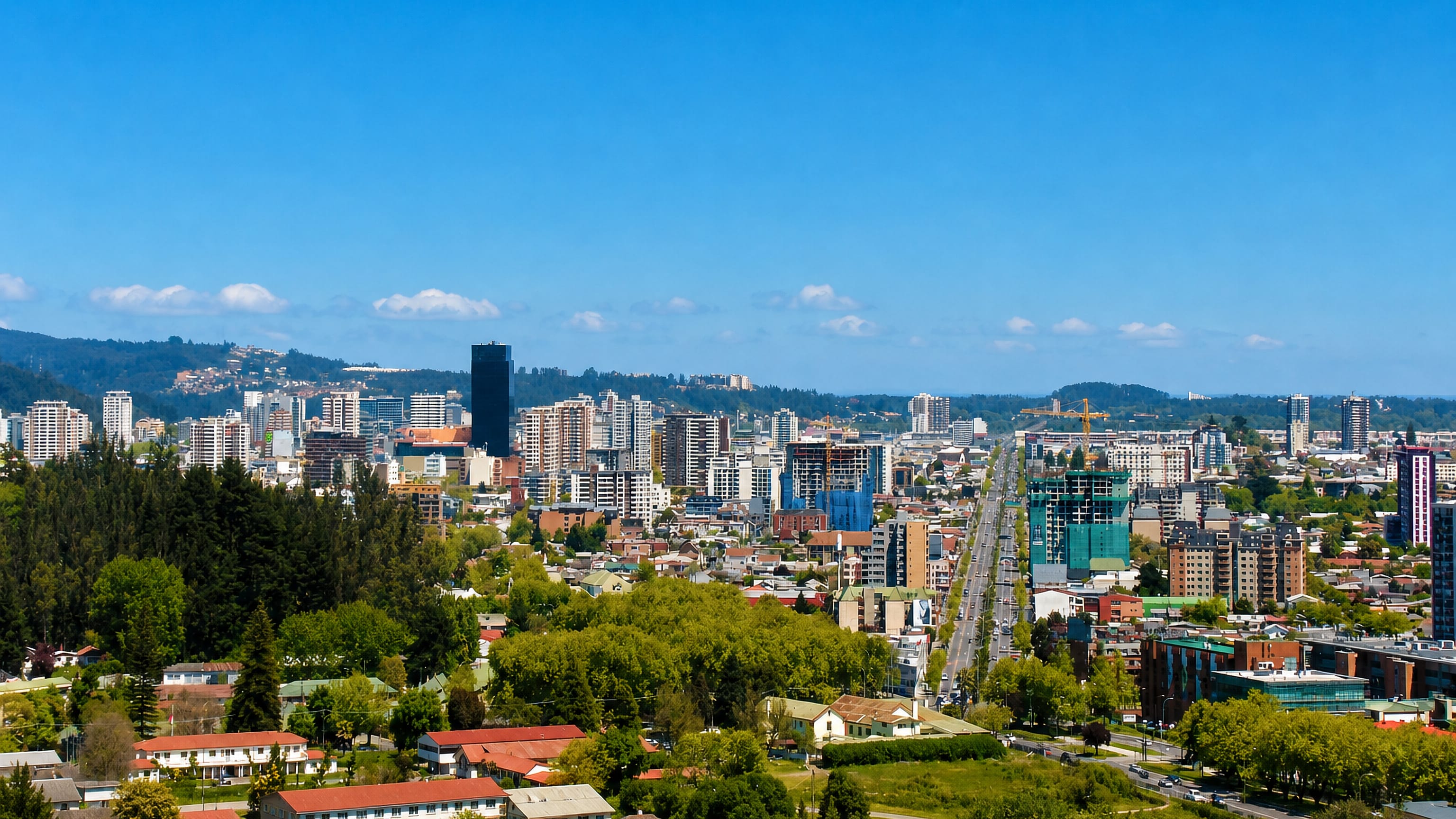
Concepción is a major university city in central Chile, on the Bío Bío river near the Pacific coast.
Hotel links are affiliate links: booking through them may earn us a commission, at no extra cost to you. It never affects how places are ranked. How this works


Where to stay in Concepción
How the choice of base plays out on the ground.
Where you stay in Concepción turns on the centre or the campus. The streets around the plaza and the cathedral keep the shops, the museums, and the markets within a walk, and staying downtown suits anyone here for the city. The plaza fills with people by day.
Rooms sit near the square and the river. Out toward the Universidad de Concepción, the campus quarter spreads into leafy, quiet streets. A room near the university trades the downtown bustle for gardens, the Casa del Arte, and a calmer stay.
The green hills rise past the campus. If you want the shops and the plaza, stay downtown; if you want the campus and the calm, take a room by the university. Either way, the city is easy to cross.
Find hotels in Concepción
Direct booking searches for these neighbourhoods.
Downtown
Around the central plaza and the cathedral, within a walk of the marketsFind hotels in DowntownStays wanting the campus, gardens, and calmAround the university
Near the Universidad de Concepción and the Casa del Arte, in leafy streetsFind hotels in Around the universityHotel links are affiliate links: booking through them may earn us a commission, at no extra cost to you. It never affects how places are ranked. How this works
Things to do in Concepción
Ranked by global recognition; descriptions from Wikidata (CC0).
Museums & Galleries
3- Casa del Arte Heritage
- Museo de Arte Religioso de la Universidad Católica de la Santísima Concepción
- Museo Geológico
Churches & Religious Sites
3- Cathedral of the Most Holy Conception
- Primera Iglesia Metodista de Concepción
- Primera Iglesia Evangélica Bautista de Concepción
Castles & Historic Sites
1- Bismarck tower in Concepción, Chile
Stadiums & Sports
1- Casa del Deporte Heritage
worth knowingacross 4 categories in Concepción
About Concepción
What is Concepción known for?
Concepción is Chile's great southern university city. Its campus and the Casa del Arte, home to a vast mural of Latin America, draw students and artists to the banks of the Bío Bío, and the cathedral rises over the central square. The city has risen again from great earthquakes more than once.
Learning and resilience mark the place.
What are the main landmarks in Concepción?
The Casa del Arte holds Concepción's treasure. Its great mural of Latin America covers a whole wall, the boldest sight in the city, at the edge of the university campus. Faith crowns the square.
The Cathedral of the Most Holy Conception rises over the central plaza, while the Galería de la Historia and the Memorial 27F keep the story of the city and its earthquakes.
What is the history of Concepción?
Concepción has moved and risen again through its long history. The Spanish founded the city in the sixteenth century as a fortress on the frontier of the Mapuche lands, and after earthquakes and a great tsunami wrecked the first site, the whole city was moved inland to the banks of the Bío Bío. War and quakes shaped it.
Here Chilean independence was declared in 1818, on the southern edge of the young nation. Coal, rivers, and learning built the modern city. Industry grew along the Bío Bío, and in the twentieth century the great Universidad de Concepción rose with its bell tower and gardens, making the city a capital of learning in the south.
Art filled its halls. The Casa del Arte was painted with a vast mural of Latin America, and museums gathered the region's story. The earth struck hard again in 2010.
A huge earthquake shook the city, remembered now at the Memorial 27F, and Concepción rebuilt once more by its river.
Where is Concepción?
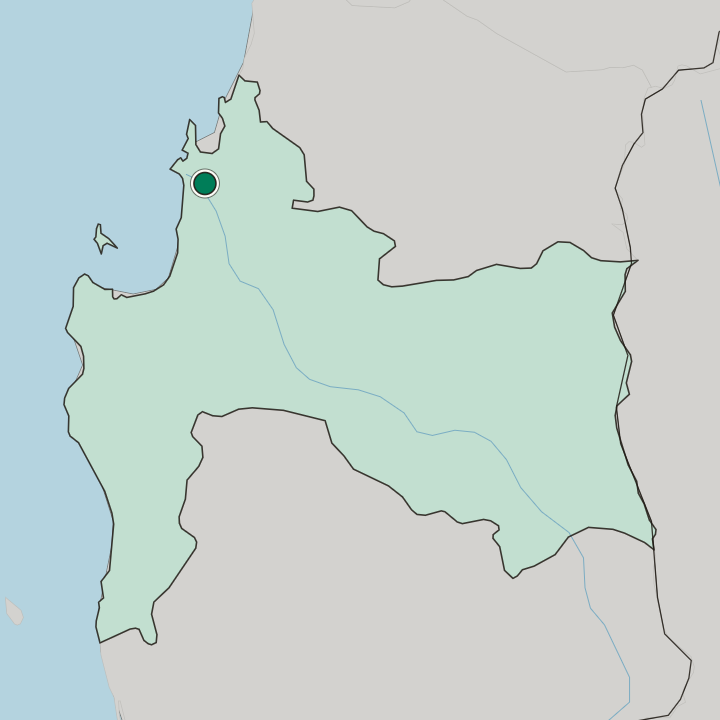
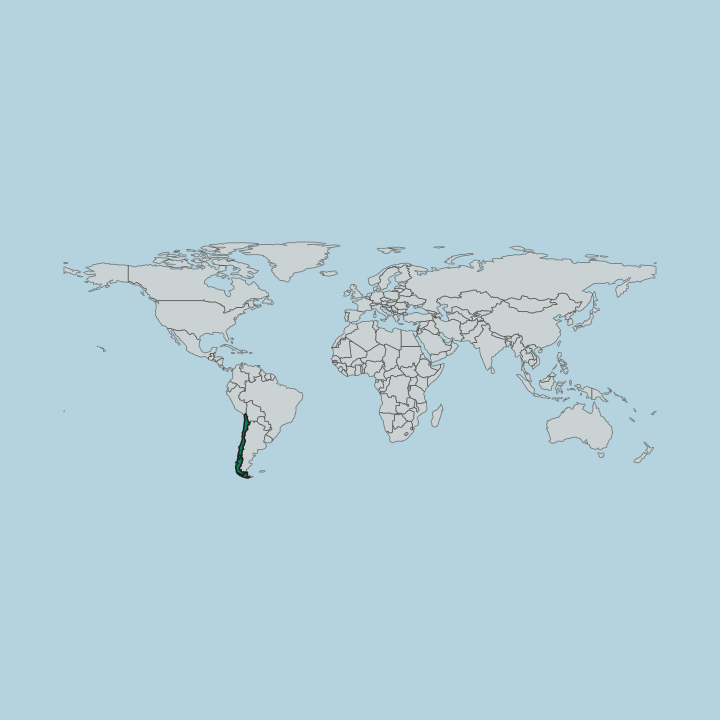
Concepción sits where the Bío Bío meets the sea. The city spreads across a coastal plain in central Chile, ringed by low green hills, where the great river empties into the Pacific just to the west. Forested slopes rise around the town.
The wide river guards the southern edge.
What is the climate of Concepción?
Concepción has a mild Mediterranean climate. Wet, cool winters bring heavy rain off the Pacific, and the summers stay warm and dry, tempered always by the cold sea. Storms roll in from the ocean in winter.
The coast keeps the seasons gentle.
How do you get to Concepción?
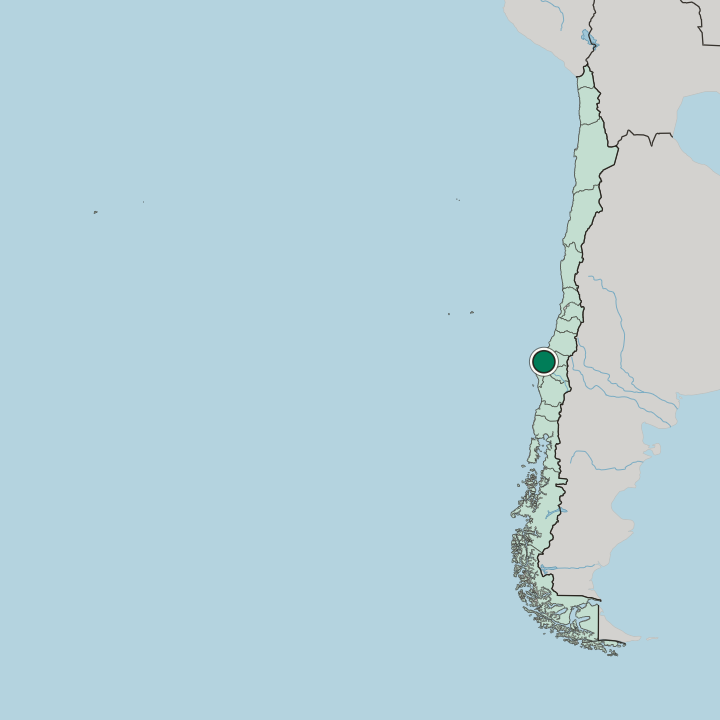
Concepción lies south of Santiago on the coast. Flights and the highway link the city to the capital, and roads run down the coast and up the Bío Bío valley. Trains reach the port towns nearby.
Most arrive by air or the long road south.
Common questions
What is the best area to stay in Concepción?
Downtown: Visitors here for the plaza, shops, and museums. Around the university: Stays wanting the campus, gardens, and calm.
Good for
More cities in Región del Biobío
Updated September 2026