Chile · Región del Biobío
Where to Stay in Los Ángeles, Región del Biobío
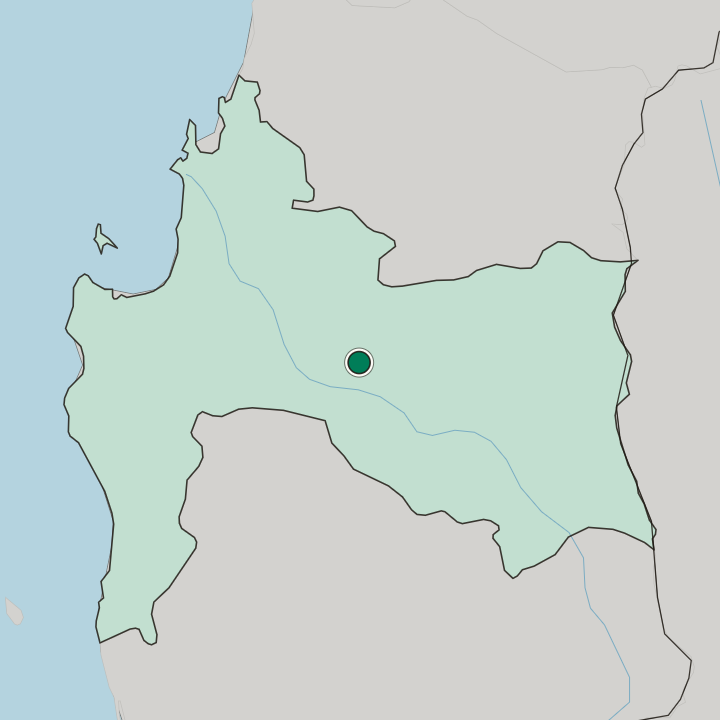
Los Ángeles, founded in 1739, is the capital of the Bío Bío province, set on the plain between the Laja and the Biobío in the Región del Biobío.
Hotel links are affiliate links: booking through them may earn us a commission, at no extra cost to you. It never affects how places are ranked. How this works


Where to stay in Los Ángeles
How the choice of base plays out on the ground.
Beds gather near the cathedral. The blocks around Saint Mary of the Angels Cathedral hold the centre of Los Ángeles, and staying there puts the Capilla del Hospital de San Sebastián de Los Ángeles and the older civic streets within an easy walk. Anyone here for a night between longer drives will find the centre the least trouble, since the roads out to both rivers begin from it.
Los Ángeles was founded in 1739, and the middle of it still follows the plan of that founding. The grid is easy to walk. Out past the built-up blocks the commune turns rural, and it holds more country dwellers than any other in Chile, which is why the roads out of Los Ángeles matter as much as its streets.
The Laja lies one way, the Biobío the other, and a stay toward either river trades the cathedral blocks for open ground and water at the end of the drive. Fuerte de San Carlos names the older edge. The city serves the country around it, and the Bío Bío province is administered from these streets.
Pick by the direction of travel.
Find hotels in Los Ángeles
Direct booking searches for these neighbourhoods.
Cathedral blocks
The cathedral and the Capilla del Hospital de San Sebastián de Los Ángeles share the same centreFind hotels in Cathedral blocksStops that want the older edge of Los ÁngelesThe Fuerte de San Carlos side
Ground named for Fuerte de San Carlos, off the cathedral blocksFind hotels in The Fuerte de San Carlos sideDrives out to the Laja and the BiobíoToward the rivers
Rural roads leaving the commune for the Laja and the BiobíoFind hotels in Toward the riversHotel links are affiliate links: booking through them may earn us a commission, at no extra cost to you. It never affects how places are ranked. How this works
About Los Ángeles
What is Los Ángeles known for?
Two rivers frame the city, the Laja to one side and the Biobío to the other, and between them Los Ángeles serves as capital of the Bío Bío province within the Región del Biobío. Farm country runs out around it. Saint Mary of the Angels Cathedral gives the city its church, and Fuerte de San Carlos carries a fort's name among its landmarks.
No Chilean commune counts more country dwellers.
What are the main landmarks in Los Ángeles?
Its heritage rests on three buildings. Saint Mary of the Angels Cathedral stands at the centre, the Capilla del Hospital de San Sebastián de Los Ángeles keeps a hospital chapel's name among the streets, and Fuerte de San Carlos carries a fort's name onto the map of the commune. Together they make up the named heritage of Los Ángeles in the Bío Bío province.
What is the history of Los Ángeles?
The founding year is 1739. The settlement went up on the plain between the Laja and the Biobío, two rivers that set the limits of the ground it could spread across, and that position has held ever since. A fort's name survives.
Fuerte de San Carlos carries it, one of the three names the city still lists among its heritage, beside a cathedral and a hospital chapel. Los Ángeles became the capital of the Bío Bío province, and the commune of the same name spread out around the city across farm country. Growth stayed close to the land.
No other commune in Chile counts more country dwellers, and that balance between a working city and the farms around it is the plainest fact about how Los Ángeles developed. Saint Mary of the Angels Cathedral took the centre. The Capilla del Hospital de San Sebastián de Los Ángeles kept the name of a hospital foundation in the same streets, and the Región del Biobío grew around both as the administrative frame the province sits inside.
Two rivers, one plain, and a province run from it.
Where is Los Ángeles?
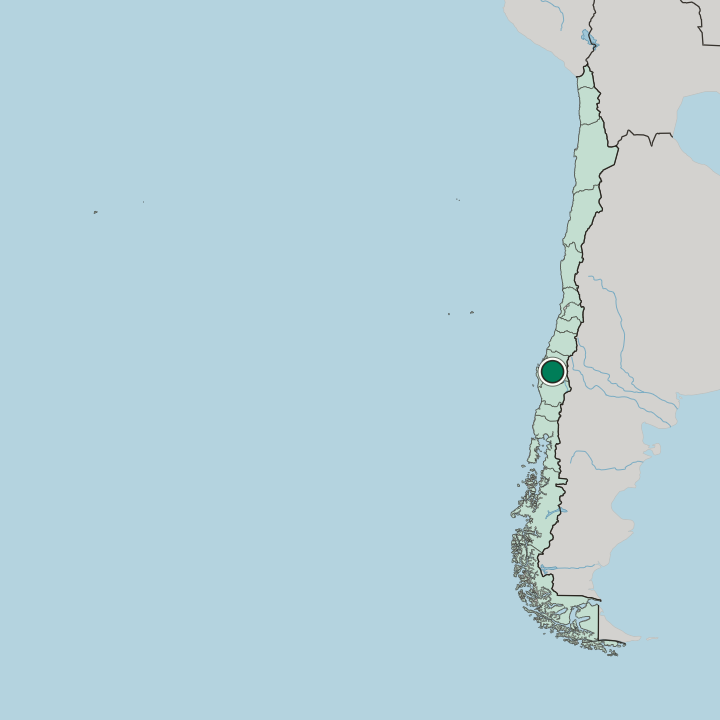
Two rivers set the frame. Los Ángeles lies on the plain between the Laja and the Biobío, and the second of those rivers gives its name to both the Bío Bío province and the Región del Biobío around it. Country ground reaches out from the edge of the city in every direction.
Farms fill the space between.
What is the climate of Los Ángeles?
Temperate air rules the plain. Los Ángeles sits in the temperate band of the southern hemisphere, on the plain between the Laja and the Biobío, where the seasons divide clearly into a warm half and a cool one. January and July stand at opposite ends of that.
Seasons here answer to the southern calendar.
How do you get to Los Ángeles?
Movement here happens by road. Los Ángeles sits where the routes of the Bío Bío province come together, with the Laja crossed to one side and the Biobío to the other, which makes the city a natural stop for anyone moving through the Región del Biobío. Rural roads run out to the farms of the commune.
The cathedral marks the middle.
Common questions
What is the best area to stay in Los Ángeles?
Cathedral blocks: Walking stays around Saint Mary of the Angels Cathedral. The Fuerte de San Carlos side: Stops that want the older edge of Los Ángeles. Toward the rivers: Drives out to the Laja and the Biobío.
More cities in Región del Biobío
Updated September 2026