Chile · Región del Libertador General Bernardo O’Higgins
Where to Stay in Rancagua, Región del Libertador General Bernardo O’Higgins
Rancagua is a city of central Chile, the capital of the O'Higgins region, a town of the rodeo and the huaso in the wine country south of Santiago.
Hotel links are affiliate links: booking through them may earn us a commission, at no extra cost to you. It never affects how places are ranked. How this works


Where to stay in Rancagua
How the choice of base plays out on the ground.
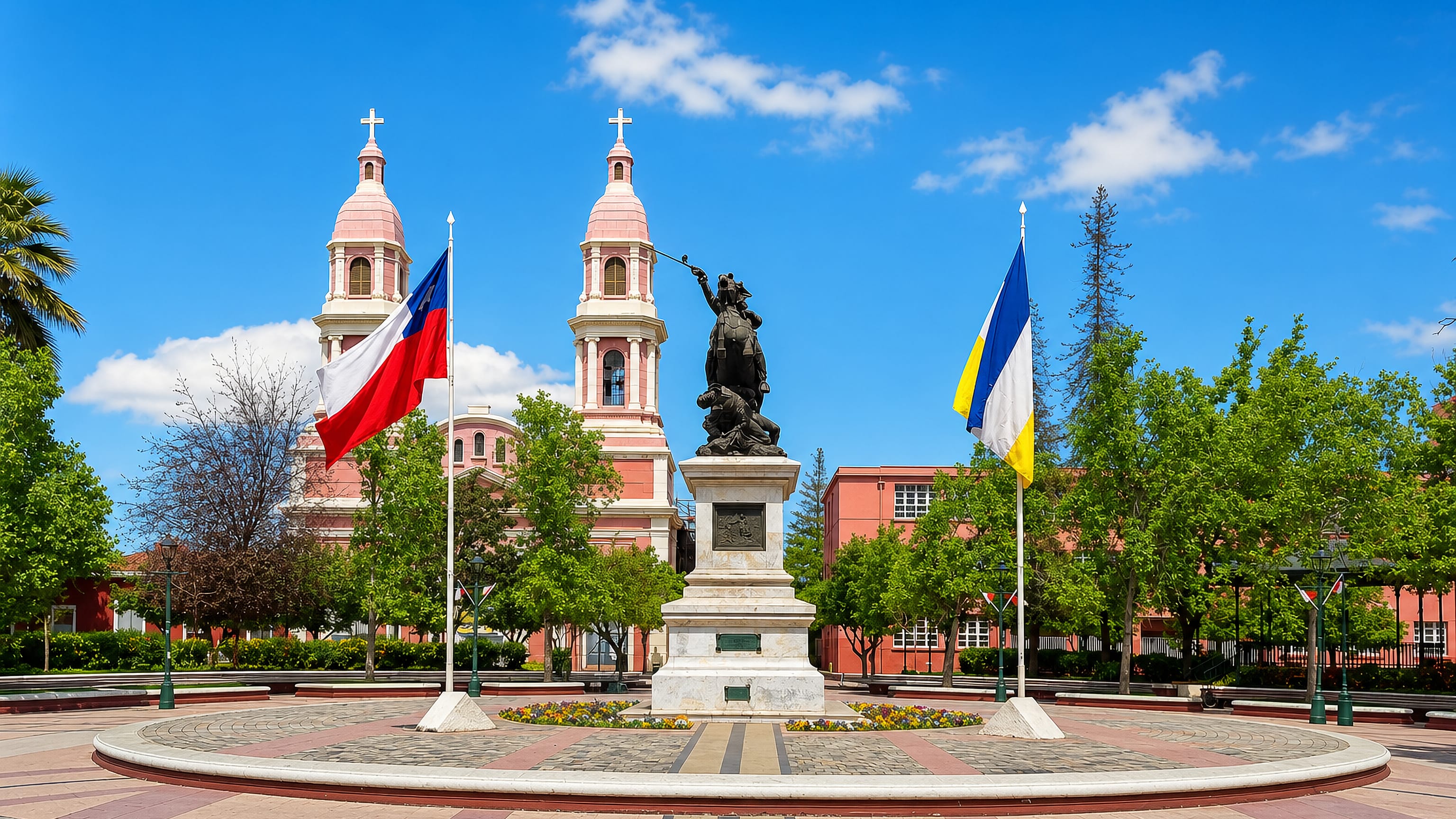
Where you stay in Rancagua turns on the town or the valley. The streets around the plaza keep the old churches, the museum, and the arena within a walk, and staying downtown suits anyone here for the city and the rodeo. The plaza fills at evening.
Andes rise beyond the roofs. Out toward the vineyards and the mountains, the town gives way to the wine country, the orchards, and the road to the mines. A room out of town trades the streets for the green vineyards, the fruit farms, and the snowy peaks of the Andes.
The valley runs to the hills. Stay downtown for the arena, or out for the wine country. Rancagua's centre is never more than a short drive away.
Find hotels in Rancagua
Direct booking searches for these neighbourhoods.
The town centre
On the blocks facing the main plazaFind hotels in The town centreStays wanting the vineyards and mountainsThe wine country
Out in the valleyFind hotels in The wine countryHotel links are affiliate links: booking through them may earn us a commission, at no extra cost to you. It never affects how places are ranked. How this works
Things to do in Rancagua
Ranked by global recognition; descriptions from Wikidata (CC0).
Museums & Galleries
2- Museo Regional de Rancagua Heritage
- Espacio Cultural Iglesia La Merced Heritage
Churches & Religious Sites
3- Iglesia de la Merced, Rancagua Heritage
- Sagrario Cathedral
- Iglesia de San Francisco de Asís (Rancagua)
Castles & Historic Sites
1- Casa patronal del fundo El Puente Heritage
worth knowingacross 3 categories in Rancagua
About Rancagua
Rancagua is the rodeo capital of central Chile.
What is Rancagua known for?
On the flat central valley of Chile below the Andes, it grew as a farming town of the huaso country, and it keeps the great crescent arena where the national rodeo is ridden, the memory of a famous battle for the country's freedom, the huge copper mine in the mountains above, and the vineyards and orchards of the valley around. The green valley runs flat. The high Andes wall the east.
What are the main landmarks in Rancagua?
The crescent arena is the pride of Rancagua. The great half-moon ring where the huasos ride and rope the steers in the national rodeo each spring is the emblem of the town, downtown. A copper mountain looms above.
High in the Andes the huge El Teniente mine and its town of stairs cling to the slope, while the old plaza, the churches, and the valley vineyards mark the country around Rancagua.
What is the history of Rancagua?
Rancagua grew in the central valley. The Spanish laid out a town by the Cachapoal in the eighteenth century, and it grew as a market of the rich farmland, a place of huasos and horses on the plain below the mountains. A great fight was made here.
In the war for freedom the patriots made a desperate stand in the town against the royalist army, and though they were beaten, the battle became a proud tale of the young country's struggle. Copper came from the mountains. High in the Andes above the town a giant copper mine was opened, one of the greatest in the world, and a strange town of stairs grew on the steep slope beside it.
The valley kept its old ways. Below the mines the huasos still rode and roped in the crescent ring, the rodeo of the country, and the vineyards spread across the plain, so that Rancagua lived by copper, cattle, and the vine, keeping its arena, its plaza, and its farms. The riders still fill the ring each spring.
Rancagua keeps its rodeo and its copper in the heart of Chile.
Where is Rancagua?
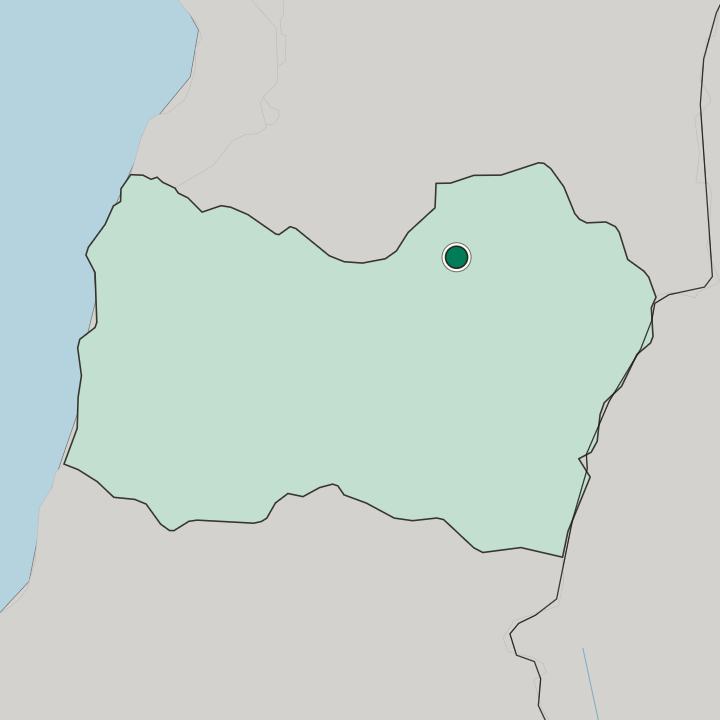
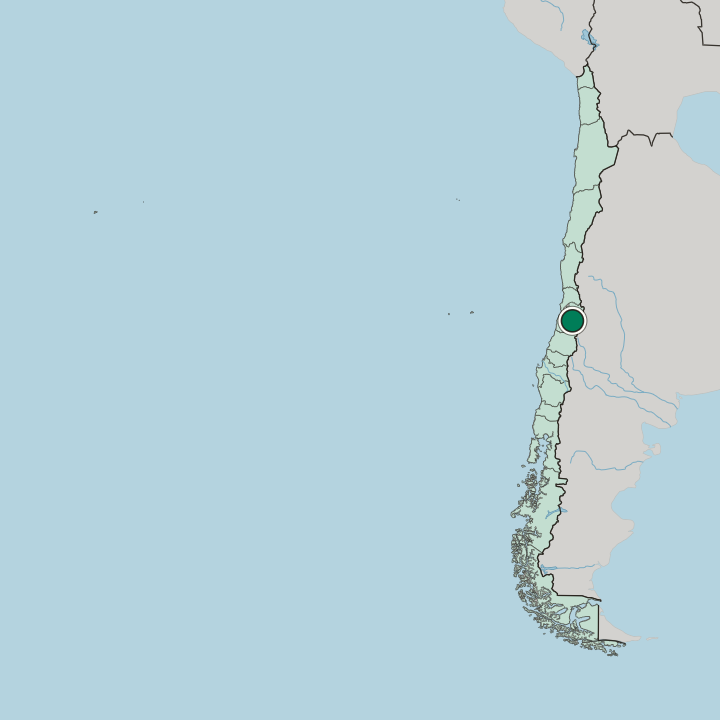
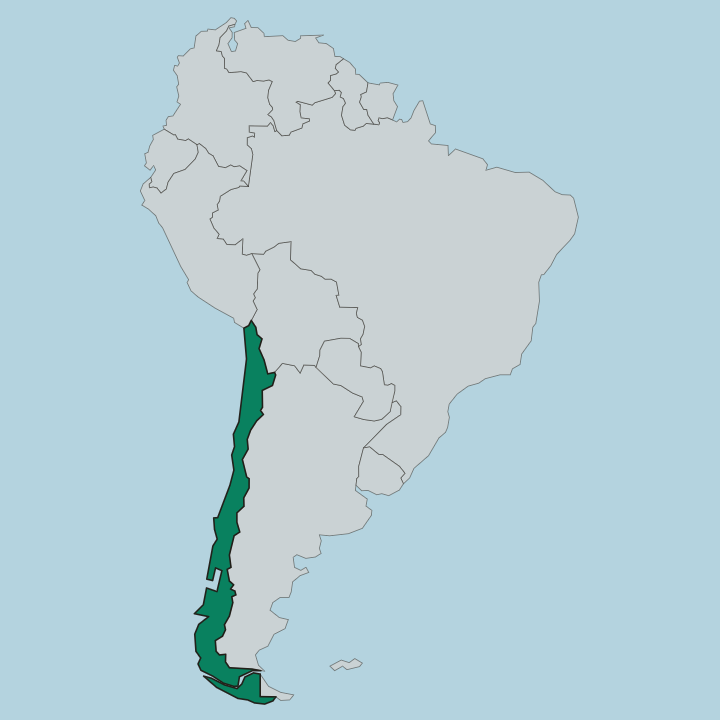
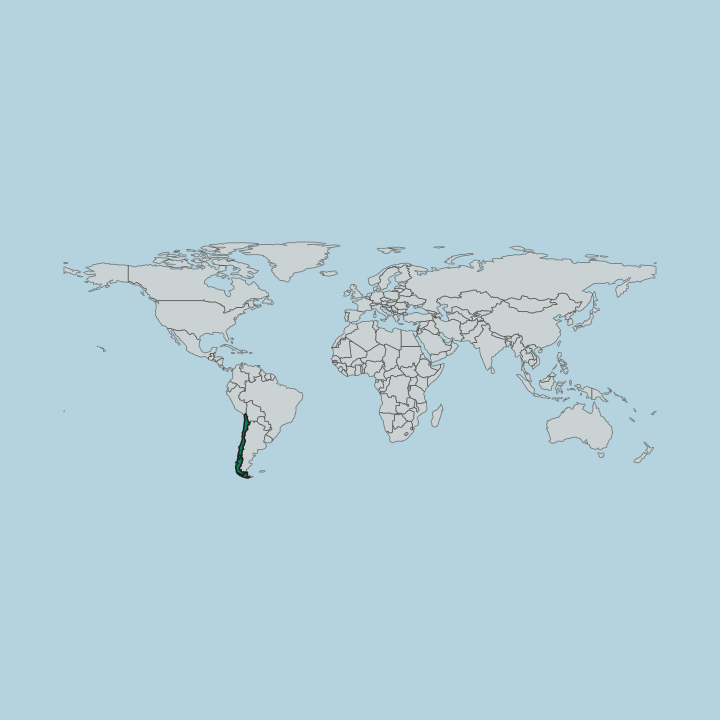
Rancagua lies in the center of Chile, in the flat central valley between the coast range and the Andes. The city sits on the valley floor by the Cachapoal river, in a rich land of vineyards, orchards, and farms, with the coast hills to the west and the high snowy Andes rising close to the east, the great copper mountains among them. Green vineyards fill the valley.
The snowy Andes stand east.
What is the climate of Rancagua?
Rancagua has a warm, dry Mediterranean climate. Hot dry summers and mild wet winters cross the valley, with long scorching summers and cool rainy winters, good for the vine. The summer sun beats hot.
Winter greens the valley.
How do you get to Rancagua?
Rancagua lies in the central valley of Chile, an hour south of Santiago. The highway and rail run to it down the valley from the capital, and roads climb east to the mines and the Andes. Trains cross the vineyards.
Santiago lies north up the valley.
Common questions
What is the best area to stay in Rancagua?
The town centre: Visitors here for the plaza and rodeo arena. The wine country: Stays wanting the vineyards and mountains.
Good for
Updated September 2026