Chile
Región del Libertador General Bernardo O’Higgins, Chile — Towns & Travel Guide
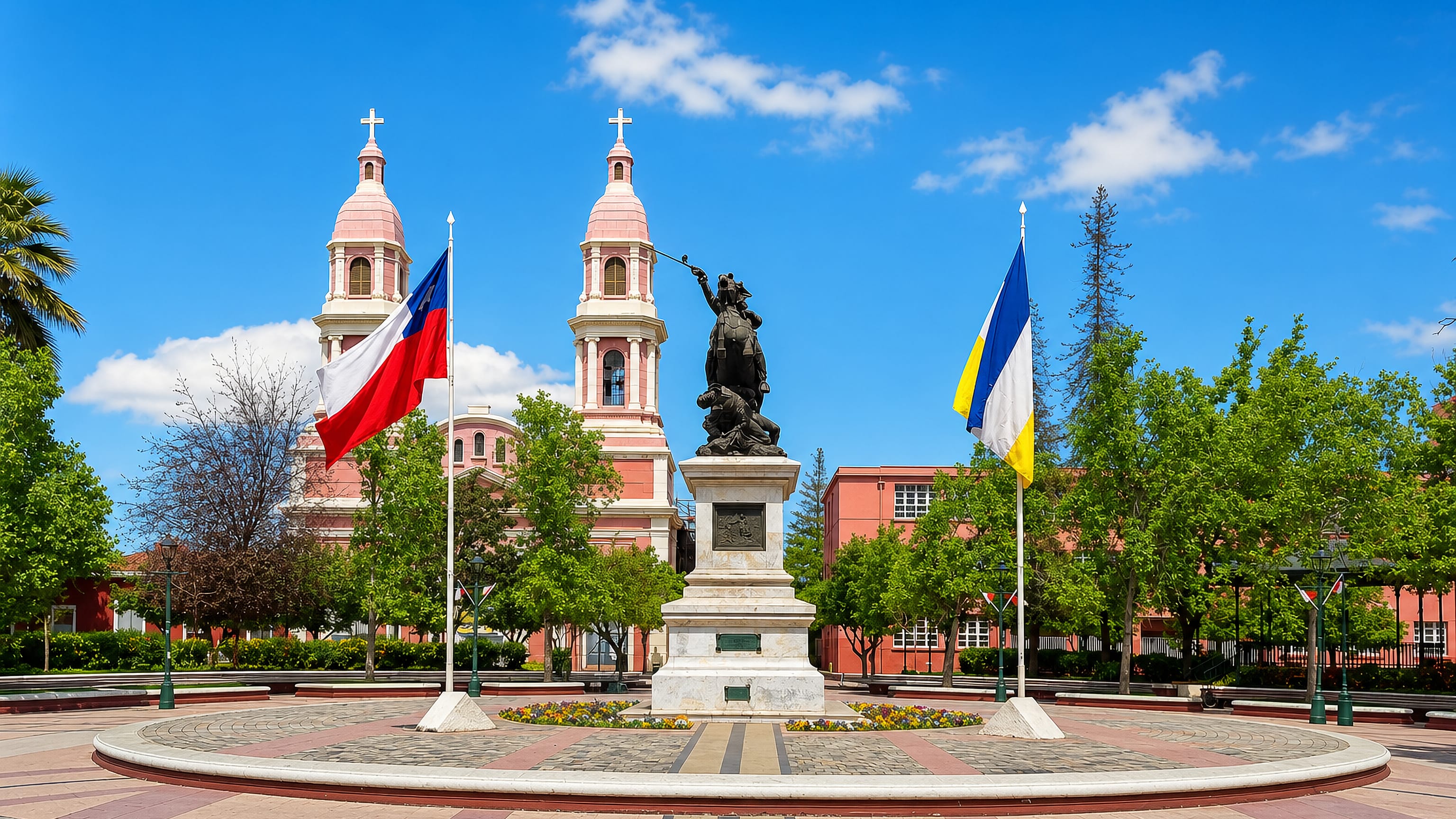
Chile's wine heartland between the Andes and the Pacific, named for independence leader Bernardo O'Higgins and centred on Rancagua.
Hotel links are affiliate links: booking through them may earn us a commission, at no extra cost to you. It never affects how places are ranked. How this works


Towns & cities in Región del Libertador General Bernardo O’Higgins
One town here has its own guide — it links to where to stay.

 Chile
Chile
Rancagua
Rancagua is a city of central Chile, the capital of the O'Higgins region, a town of the rodeo and the huaso in the wine country south of Santiago.Where to stay →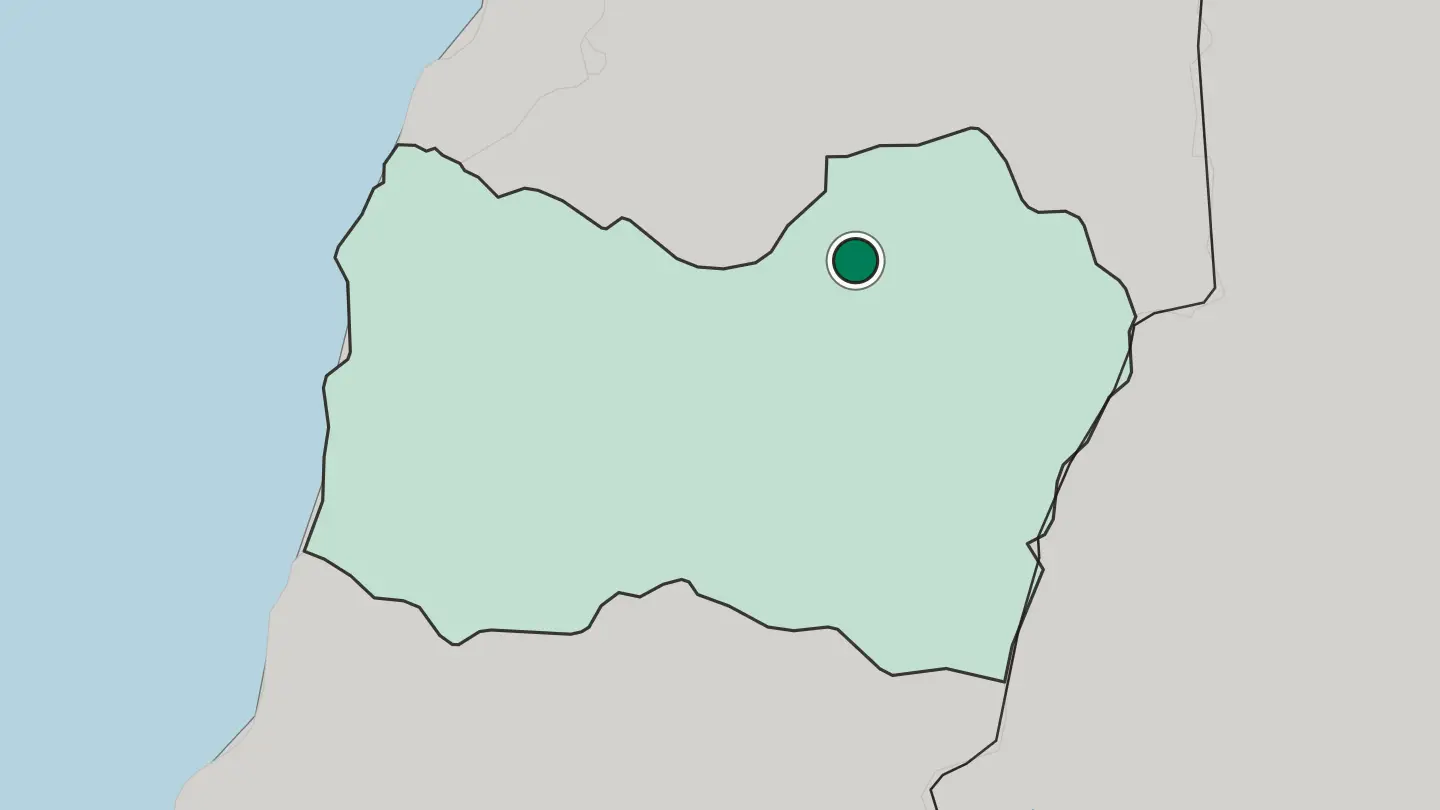
Hotel links are affiliate links: booking through them may earn us a commission, at no extra cost to you. It never affects how places are ranked. How this works
About Región del Libertador General Bernardo O’Higgins
Wine is the headline.
What is Región del Libertador General Bernardo O’Higgins known for?
The Colchagua Valley, in the south of the region around Santa Cruz, pours some of Chile's most acclaimed reds, and its Ruta del Vino links dozens of producers into half-day and full-day tastings. North of it, the Cachapoal Valley presses its own Cabernet and Carménère on the warm plains below the Andes. The coast offers a different draw entirely, with the surf town of Pichilemu and the towering left-hand waves of Punta de Lobos.
Copper matters too, mined deep in the mountains at El Teniente above the old company town of Sewell.
Where is Región del Libertador General Bernardo O’Higgins?
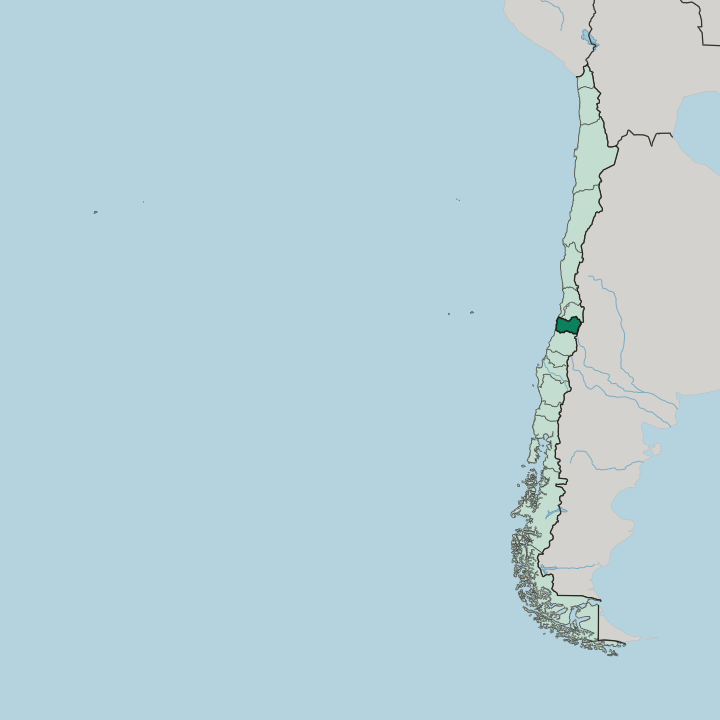
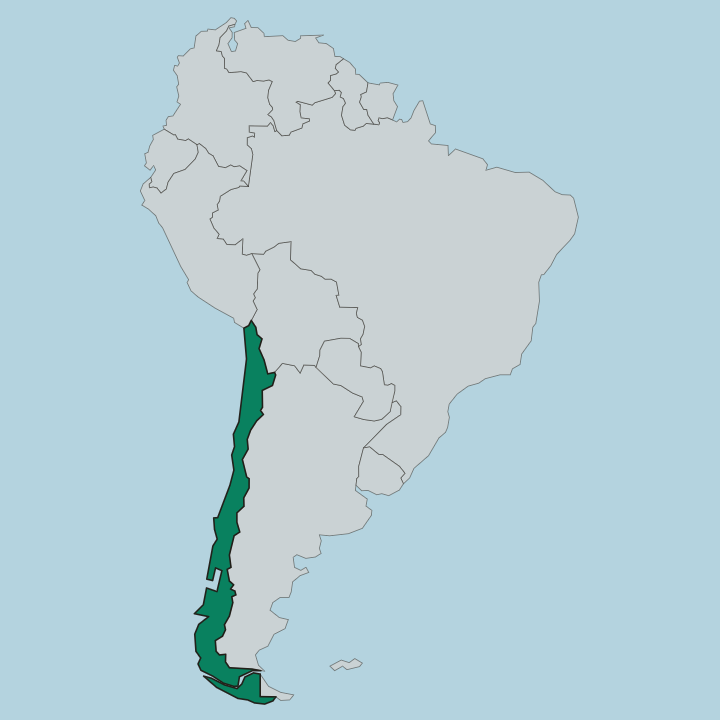
The region sits in central Chile. It is one narrow slice of a very long country, pinned between the high Andes on its eastern edge, a border with Argentina, and the Pacific Ocean that closes it off to the west. Between the two runs the Central Valley, the flat farmed floor where most of the vineyards and towns lie.
To the north are Santiago and Valparaíso; the Maule region lies south. Water ties it together. The Cachapoal river drains the northern valleys past Rancagua, while the Tinguiririca runs through the southern Colchagua country and the town of Santa Cruz before the two rivers meet to form the Rapel and carry their Andean snowmelt west to the sea.
Pichilemu and Punta de Lobos stand where the land gives way to the breakers. Rancagua, the capital, lies about 87 km south of Santiago. Far above it the mining town of Sewell clings to the Andean slopes near the El Teniente copper mine.
Mountains to ocean in one day.
What is Región del Libertador General Bernardo O’Higgins like?
This is huaso country, the Chilean cowboy's central-valley homeland. The horseman with his short poncho and wide-brimmed hat belongs here as surely as the vine, and rodeo is taken seriously across the towns of the Colchagua plain. Wine sets the rhythm of daily life.
French and Italian families put down the first serious vineyards in the valley, and their descendants still work the cellars that draw tasters to Santa Cruz. The Colchagua Museum on Avenida Errázuriz anchors the town's cultural life, one of the largest private collections in South America, ranging from fossils and pre-Columbian pieces to colonial relics and the tools of winemaking. Spanish is the language everywhere.
On the coast at Pichilemu a younger surf culture has grown up alongside the old fishing caletas, filling the shore with board shops and seafood grills. Copper runs through the story too. Generations of miners rode the railway up to Sewell, the painted timber town on the mountainside, and that industrial heritage sits oddly and richly beside the vineyards below.
What is the history of Región del Libertador General Bernardo O’Higgins?
The name is no accident. At Rancagua in 1814, Bernardo O'Higgins made a desperate two-day stand against a Spanish army three times his size, a defeat that ended the Patria Vieja and sent the patriots fleeing over the Andes into exile. Independence came four years later, and the region was eventually named in his honour.
The vineyards arrived with French and Italian settler families in the century that followed. Copper then reshaped the mountains: the Braden Copper Company raised Sewell on the Andean slopes to house the workers of the El Teniente mine, a town of stairs and painted timber that UNESCO later placed on its World Heritage list.
What is the climate of Región del Libertador General Bernardo O’Higgins?
The region runs on a Mediterranean rhythm. Summers are warm and dry, with January and February the hottest months and afternoons on the Colchagua plain climbing into real heat. Almost all the rain falls in winter, between roughly May and September, when the Andes above Rancagua take on snow that later feeds the Cachapoal and Tinguiririca rivers.
Warm days and cool nights in the Central Valley are exactly what the vines want. The Pacific keeps the Pichilemu coast milder and more even than the sun-baked interior.
How do you get to Región del Libertador General Bernardo O’Higgins?
Most travellers come down from Santiago. The capital's airport is the region's practical gateway, and Rancagua lies about 87 km south of it along the Pan-American highway, an easy road or rail trip of an hour or so. From Rancagua the routes fan out: south through San Fernando to the Colchagua vineyards around Santa Cruz, or west across the Central Valley to Pichilemu on the coast.
Reaching Sewell and the El Teniente mine means an authorised guided tour up the Andean road, since the mining company controls the access.
Common questions
What is the best area to stay in Región del Libertador General Bernardo O’Higgins?
Santa Cruz: Colchagua wine tasting. Rancagua: the regional capital and mine tours. Pichilemu: surfing the Pacific coast. San Fernando: a mid-valley stopover.
Good for
More regions in Chile
Updated September 2026