China · Hainan
Where to Stay in Haikou, Hainan
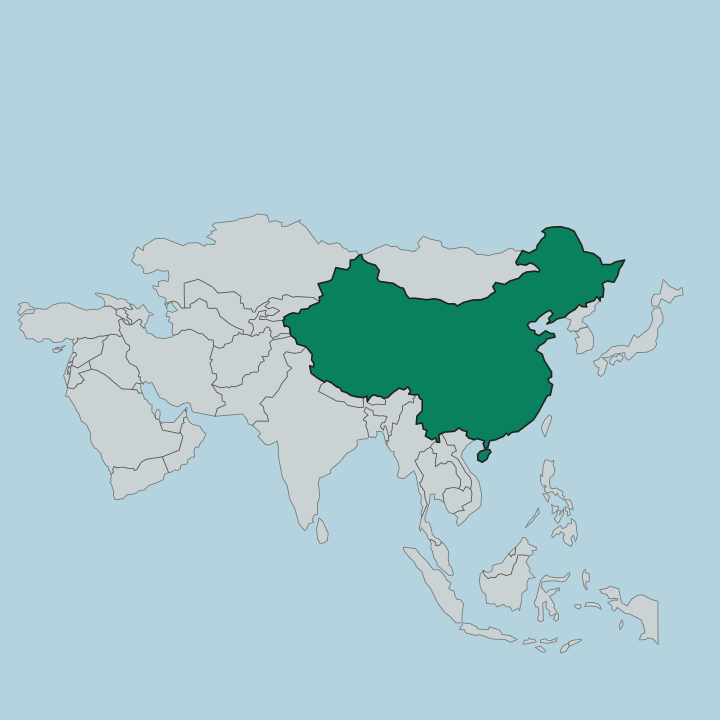
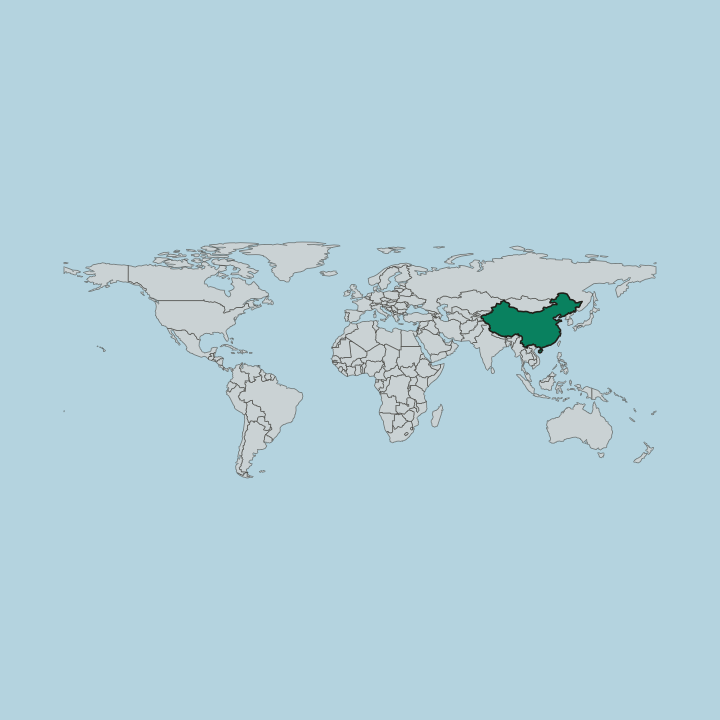
Haikou is a city of Hainan in southern China, capital of the country's tropical island, a coconut-shaded port of arcaded streets on the Qiongzhou Strait.
Hotel links are affiliate links: booking through them may earn us a commission, at no extra cost to you. It never affects how places are ranked. How this works


Where to stay in Haikou
The practical side of choosing where to sleep.
A room in Haikou means choosing the arcaded old quarter or the beaches along the strait. The streets of the arcaded quarter keep the shophouses, the temples, and the harbour within a walk, and staying downtown suits anyone here for the old town. The arcades shade the lanes.
Palms line the seafront. Out toward the beaches and the volcanoes, the town gives way to the coconut coast, the lava hills, and the resorts along the shore. A room by the sea trades the arcades for the palm beaches, the warm strait, and the green volcanic country.
The tropics run on to the south. Stay downtown for the old arcades, or out for the coast. The strait laps the edge of the town.
Find hotels in Haikou
Direct booking searches for these neighbourhoods.
The arcaded old town
In the arcaded quarter near the Temple of the Five OfficialsFind hotels in The arcaded old townStays wanting the beaches and volcanoesThe coast
Out on Haikou's palm seafront, near the lava countryFind hotels in The coastHotel links are affiliate links: booking through them may earn us a commission, at no extra cost to you. It never affects how places are ranked. How this works
About Haikou
Haikou is the island capital of tropical China.
What is Haikou known for?
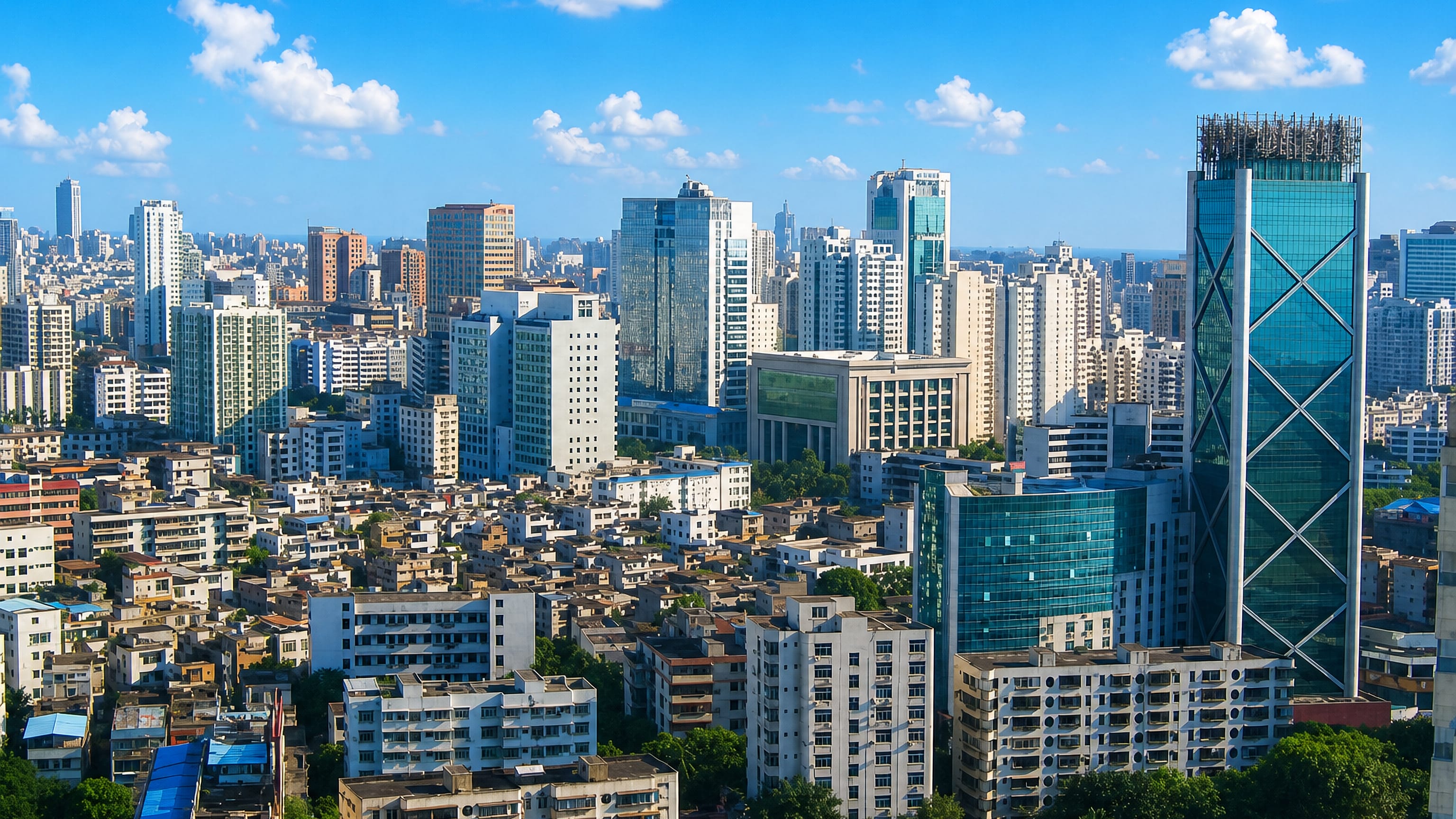
On the north coast of Hainan across the strait from the mainland, it grew as an old port and now the capital of the island, and it keeps the arcaded old streets of the colonial quarter, the temple of the five exiled officials among its gardens, the tomb of the upright Ming judge Hai Rui, and the coconut groves and volcanic hills around. The warm strait laps the shore. Palms lean over the streets.
What are the main landmarks in Haikou?
The arcaded old streets are the pride of Haikou. The long colonnaded shophouses of the old quarter, built by traders in the style of the southern seas, line the streets by the port, the emblem of the city, downtown. A temple honors the exiles.
The old Temple of the Five Officials stands among gardens and pools, while the tomb of Hai Rui, the volcanic geopark, and the coconut coast mark the country around Haikou.
What is the history of Haikou?
Haikou was long a place of exile. On the far tropical island of Hainan, cut off across the strait, the emperors of old sent disgraced officials into banishment, and the town honored five such exiles with a great temple. A famous judge came from here.
Haikou gave the land Hai Rui, the fearless Ming official who dared rebuke the emperor himself, and his tomb still stands in the town, revered for his honesty. The port opened to the world. Haikou grew as a trading port on the strait, and in the colonial age its merchants built long streets of arcaded shophouses in the style of the southern seas.
The island became a province. In the modern age Hainan was made a province of its own and Haikou its capital, a green city of palms and towers, and it grew into the busy hub of the tropical island, keeping its old arcades, its temples, and its coconut groves. The sea breeze stirs the palms.
Haikou keeps its arcaded streets on the shore of Hainan.
Where is Haikou?
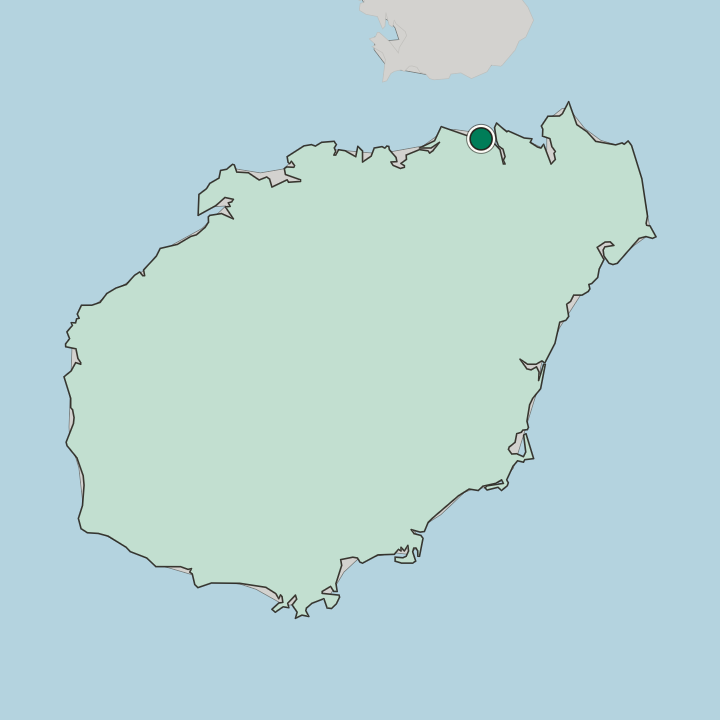
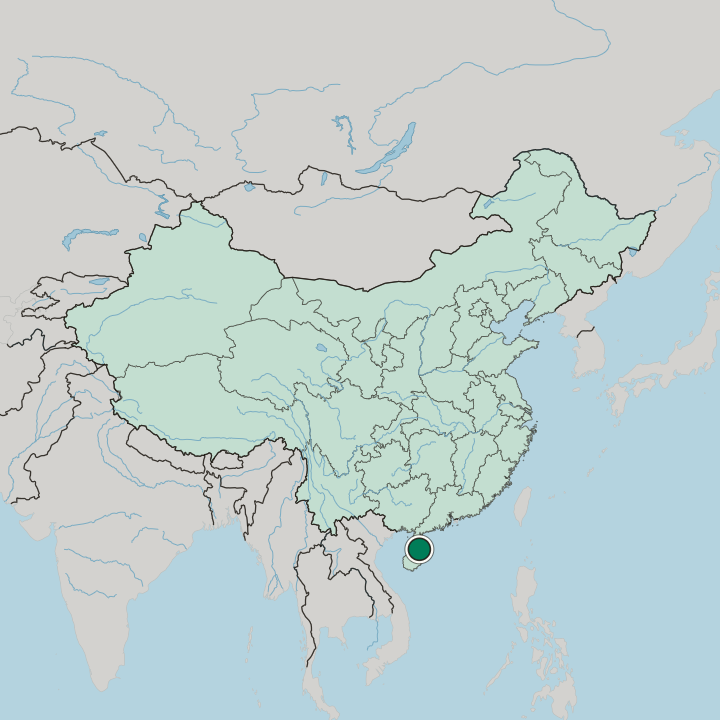
Haikou lies in the north of Hainan, on the coast of the Qiongzhou Strait at the mouth of the Nandu river. The city sits on a low tropical shore of palms and paddies facing the mainland across the water, in a warm green land of coconut and rubber, with extinct volcanoes and lava fields rising just to the south. The blue strait runs to the mainland.
Coconut palms fill the plain.
What is the climate of Haikou?
Haikou sits deep in the wet tropics, hot the whole year through. Warm humid weather holds all year on the coast, with a long rainy summer, the risk of a typhoon off the sea, and a mild dry winter. Rain and heat fill the summer.
Winter stays warm and soft.
How do you get to Haikou?
Haikou lies on the north coast of Hainan, on the strait facing the mainland. Trains ride the ferry across the strait from the mainland, and planes land from across China and beyond. Boats ply the strait. Sanya lies south down the island.
Common questions
What is the best area to stay in Haikou?
The arcaded old town: Visitors here for the shophouses and temples. The coast: Stays wanting the beaches and volcanoes.
Good for
Another city in Hainan
Updated September 2026