China · Jiangxi
Where to Stay in Jingdezhen, Jiangxi
Jingdezhen is a prefecture-level city in Jiangxi known as the Porcelain Capital, where Chinese ceramics have been made for more than a thousand years.
Hotel links are affiliate links: booking through them may earn us a commission, at no extra cost to you. It never affects how places are ranked. How this works


Where to stay in Jingdezhen
How the choice of base plays out on the ground.
Ceramics decide the base. Staying near the Imperial Kiln in Jingdezhen puts the studios, the workshops, and the courses that draw potters here within reach, and that is what most visitors actually come for. The centre carries the beds.
Ming Yuan, the Xiangjilong Minzhai, and the Dasheng Baota fill out a stay that would otherwise be entirely about kilns. Jingdezhen has been making Chinese ceramics for more than a thousand years, and two or three nights is the least that does the kiln sites and the workshops any justice. Longer suits students.
Fuliang is the alternative. The county seat carries the Fuliang Yamen and the Shuangfeng Pagoda, Fuliang, and a room there trades studio company for older civic and religious building. Yaoli is another name on the map.
The Sites of Yaoli Reorganization stand there, and lodging thins out the further the road runs from the city, so anyone heading that way should settle a bed before leaving. Kiln sites are scattered. The Hutian Kiln, the Zhen Kiln, the Nanyao Kiln Site, and the Liyang Kiln Site are not one walk but several separate trips.
Anhui lies over the northern border.
Find hotels in Jingdezhen
Direct booking searches for these neighbourhoods.
Jingdezhen centre
The Imperial Kiln in Jingdezhen and the working studios around it are what most people come for, and the rooms follow them.Find hotels in Jingdezhen centrethe Fuliang Yamen and its pagodaFuliang
A county seat holding the Fuliang Yamen and the Shuangfeng Pagoda, Fuliang, away from the studio crowds.Find hotels in Fuliangthe Sites of Yaoli ReorganizationYaoli
Out in the prefecture beside the Sites of Yaoli Reorganization, where rooms are few enough to need booking first.Find hotels in YaoliHotel links are affiliate links: booking through them may earn us a commission, at no extra cost to you. It never affects how places are ranked. How this works
About Jingdezhen
Porcelain explains the city.
What is Jingdezhen known for?
Kilns run through its whole record, and the Imperial Kiln in Jingdezhen, the Hutian Kiln, the Zhen Kiln, the Nanyao Kiln Site, and the Liyang Kiln Site together map an industry that has worked here for more than a thousand years. Five sites from that industry hold a UNESCO World Heritage inscription. Students still arrive.
Workshops and courses draw potters and artists from across the country, which keeps the trade a working one rather than a museum piece.
What are the main landmarks in Jingdezhen?
Kilns dominate the list. The Imperial Kiln in Jingdezhen, the Hutian Kiln, the Zhen Kiln, the Nanyao Kiln Site, and the Liyang Kiln Site record production at different points across the prefecture. Other building types survive as well.
The Fuliang Yamen kept county administration, the Dasheng Baota and the Shuangfeng Pagoda, Fuliang stand as towers over the country around them, and the Mingfentang Stage, Huyan preserves a performance space. Ming Yuan and the Xiangjilong Minzhai round it out.
What is the history of Jingdezhen?
The record runs deep. Jingdezhen has a well-documented history stretching back over two thousand years, and Chinese ceramics have been produced here for more than a thousand of them. That trade made the name.
For much of that span Jingdezhen porcelain counted as the most important and the finest quality in China, which is how the city came to be called the Porcelain Capital. The Imperial Kiln in Jingdezhen worked for the court. The Hutian Kiln, the Zhen Kiln, the Nanyao Kiln Site, and the Liyang Kiln Site mark other production grounds within the same prefecture.
Administration left its own buildings. The Fuliang Yamen served county government, while the Dasheng Baota, the Shuangfeng Pagoda, Fuliang, and the Mingfentang Stage, Huyan belong to the religious and civic life that grew alongside the kilns. The Sites of Yaoli Reorganization record a later episode.
Recognition came in 2026. Inscription of five industry sites as a UNESCO World Heritage Site set a formal seal on a craft the city had already practised for a millennium. Anhui lies over the northern border, and Jingdezhen itself sits within Jiangxi.
Production has not stopped. Workshops and courses pull pottery students and artists in from across the country, so the kilns remain part of a living trade.
Where is Jingdezhen?
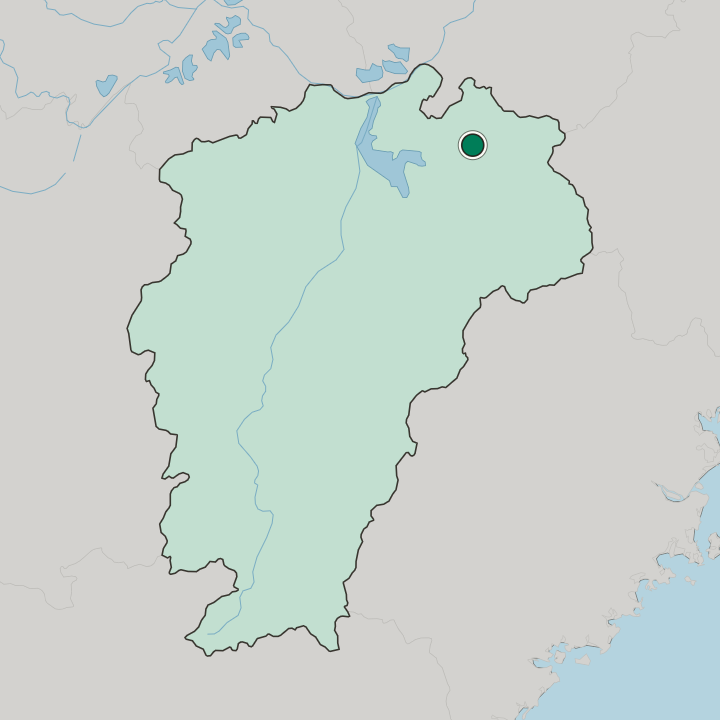
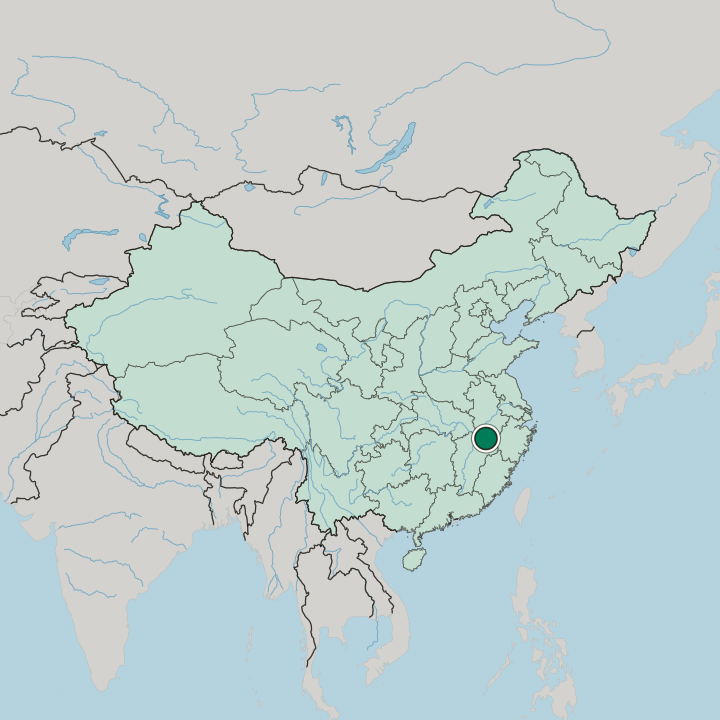
Jiangxi holds the city. Anhui lies over the northern border, and the prefecture spreads from the built-up kiln districts out to county country at Fuliang and Yaoli. Jingdezhen sits inside the subtropical belt.
Kiln sites sit scattered rather than clustered, the Hutian Kiln, the Nanyao Kiln Site, and the Liyang Kiln Site among them.
What is the climate of Jingdezhen?
This is subtropical country. Warm months fall in the middle of the northern-hemisphere year, and the open kiln grounds at the Hutian Kiln and the Nanyao Kiln Site are more comfortable outside the peak of that warmth. Cool months bracket it.
Indoor visits carry the difference, since the studios, the workshops, and the Imperial Kiln in Jingdezhen do not depend on the weather.
How do you get to Jingdezhen?
Approaches come through Jiangxi. Anhui lies immediately north, so arrivals from that side cross a provincial boundary before reaching the kiln districts, while the rest of the prefecture feeds in from within Jiangxi itself. Fuliang and Yaoli sit out on the county roads.
Both need road transport from the centre. The Hutian Kiln, the Zhen Kiln, and the Liyang Kiln Site are separate runs rather than one circuit.
Common questions
What is the best area to stay in Jingdezhen?
Jingdezhen centre: studio courses and the Imperial Kiln in Jingdezhen. Fuliang: the Fuliang Yamen and its pagoda. Yaoli: the Sites of Yaoli Reorganization.
More cities in Jiangxi
Updated September 2026