China · Jiangxi
Where to Stay in Nanchang, Jiangxi
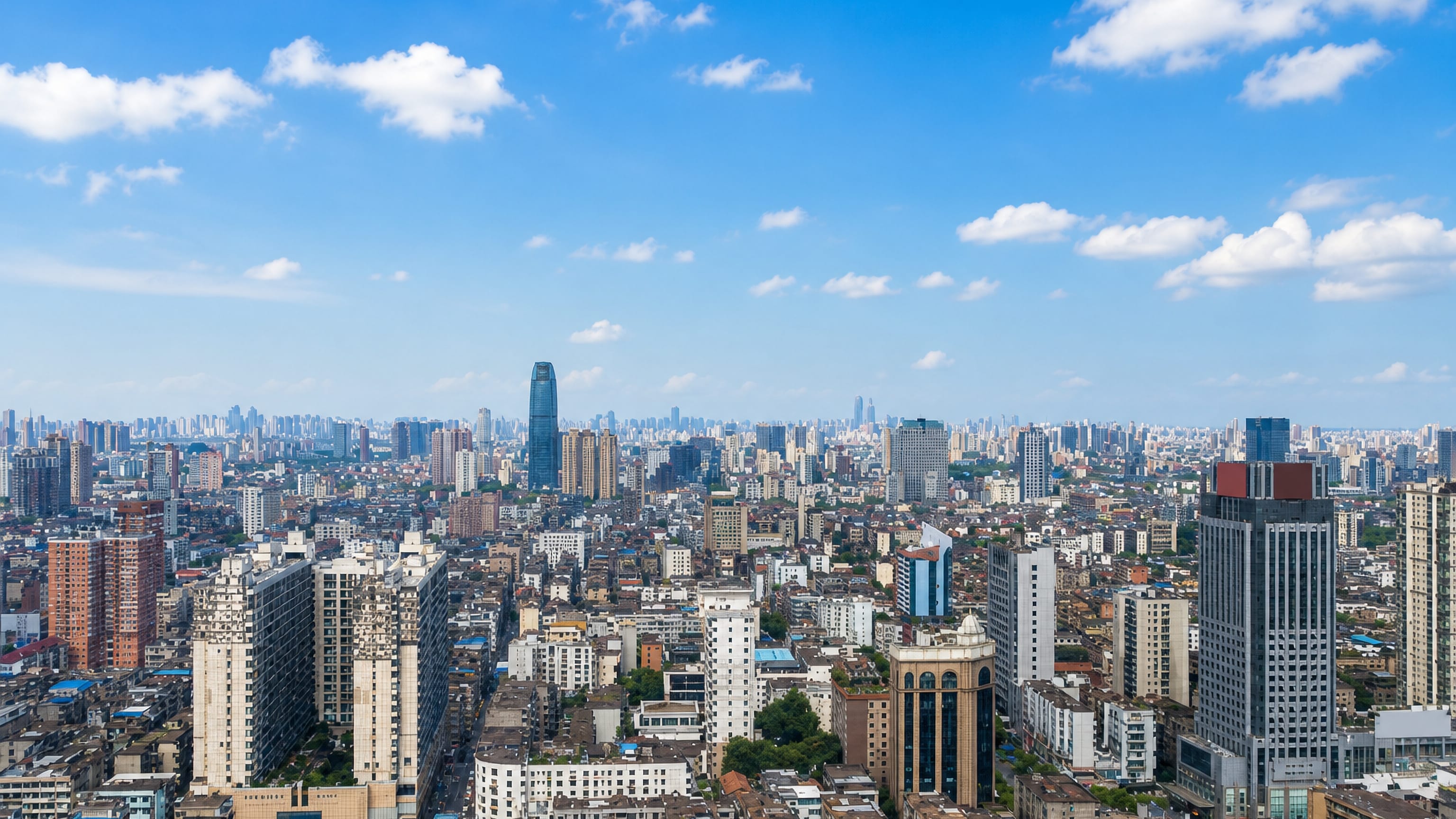
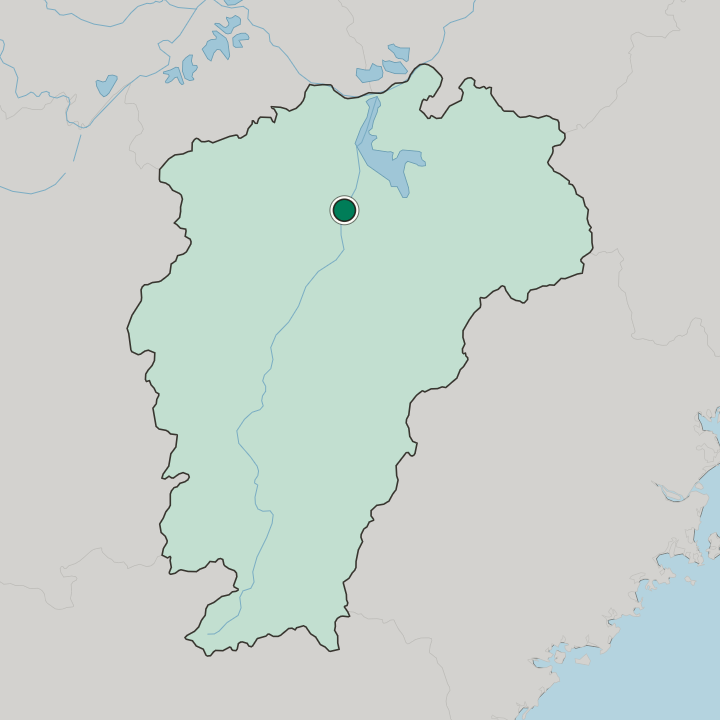
Nanchang is the capital of Jiangxi, held between the Jiuling Mountains to the west and Poyang Lake to the east.
Hotel links are affiliate links: booking through them may earn us a commission, at no extra cost to you. It never affects how places are ranked. How this works


Where to stay in Nanchang
Where the beds are, and what that means for the visit.
The central square is the obvious anchor. Rooms cluster around it, and the Monument to the August 1st Nanchang Uprising, the Nanchang ba yi qi yi ji nian guan, and the Jiangxi Sheng bo wu guan can all be reached without much planning from there. That suits a short visit.
The Pavilion of Prince Teng stands apart from the square, close enough to walk on a mild day and easy enough to reach by taxi on any other. Beds are not scarce. Nanchang is a provincial capital and a railway hub, so the choice of accommodation runs wide across the central districts.
Water pulls in the other direction. Poyang Lake lies east of the city, and a night out that way trades the memorials and the museums for open water and the flat country of the Poyang Lake Plain. Lodging there is thinner.
The Jiuling Mountains close the western side, and staying under them makes sense only for a trip built around the hills rather than around the city itself. Two smaller sites round out a stay. The Nanchang Zhidao Church and the Huang Qiuyuan Memorial sit within reach of a central base.
Most trips stay central.
Find hotels in Nanchang
Direct booking searches for these neighbourhoods.
BaYi central square
The Nanchang ba yi qi yi ji nian guan and the Jiangxi Sheng bo wu guan are both reachable from the square without transport.Find hotels in BaYi central squarewaking up beside the Pavilion of Prince TengPavilion of Prince Teng quarter
A short way from the Pavilion of Prince Teng, with the Nanchang Zhidao Church and the Huang Qiuyuan Memorial also within a central stay.Find hotels in Pavilion of Prince Teng quarteropen water and the flats of the Poyang Lake PlainPoyang Lake shore
East of the city on Poyang Lake, chosen for the water rather than the memorials, and thin on rooms. Beds are limited here, so book early.Find hotels in Poyang Lake shorehill country on the western side of NanchangJiuling Mountains foothills
Under the Jiuling Mountains, worth a bed only for a trip built around the hills themselves. Beds are limited here, so book early.Find hotels in Jiuling Mountains foothillsHotel links are affiliate links: booking through them may earn us a commission, at no extra cost to you. It never affects how places are ranked. How this works
Things to do in Nanchang
Ranked by global recognition; descriptions from Wikidata (CC0).
Museums & Galleries
2- Jiangxi Sheng bo wu guan
- Huang Qiuyuan Memorial
Churches & Religious Sites
1- Nanchang Zhidao Church
Castles & Historic Sites
1- Monument to the August 1st Nanchang Uprising Heritage
Landmarks & Notable Places
1- Pavilion of Prince Teng
worth knowingacross 4 categories in Nanchang
About Nanchang
What is Nanchang known for?
Nanchang's reputation rests on a pavilion and an uprising. The Pavilion of Prince Teng anchors one side of the city's reputation, and the August 1st story supplies the other, marked by the Monument to the August 1st Nanchang Uprising on the central square. Nanchang is called Heroes' City for that reason.
BaYi turns up throughout the city. Poyang Lake lies east of it, and the Jiangxi Sheng bo wu guan holds the provincial collections for anyone wanting the wider region in one building.
What are the main landmarks in Nanchang?
One pavilion outranks the rest. The Pavilion of Prince Teng is the building the city is identified with, while the Monument to the August 1st Nanchang Uprising holds the central square and the Nanchang ba yi qi yi ji nian guan sets out the events behind it. Collections fill the gap between them.
The Jiangxi Sheng bo wu guan gathers provincial material. Two quieter sites remain, the Nanchang Zhidao Church and the Huang Qiuyuan Memorial.
What is the history of Nanchang?
The city carries two records. Nanchang serves as the capital of Jiangxi and as the province's cultural, economic, and scientific centre, a role that placed it at the meeting of routes between East and South China. The Pavilion of Prince Teng belongs to the older layer.
The events of 1 August 1927 reshaped what the city was known for. A communist uprising began there that day. The phrase about the first shots of the revolution being heard at Nanchang has stayed attached to the place ever since, and the name Heroes' City comes from it.
BaYi became shorthand for the date. The two syllables turn up throughout the city, and the central square carries the Monument to the August 1st Nanchang Uprising while the Nanchang ba yi qi yi ji nian guan sets out the sequence of events in full. Memory work continued elsewhere.
The Huang Qiuyuan Memorial keeps a separate commemoration, and the Nanchang Zhidao Church stands as a reminder that other histories ran through the same streets. Rail came later. A position linking the prosperous East and South China turned Nanchang into a major railway hub for the southern half of the country, and that role has shaped the modern city more than any single monument.
The Jiangxi Sheng bo wu guan holds the provincial record.
Where is Nanchang?
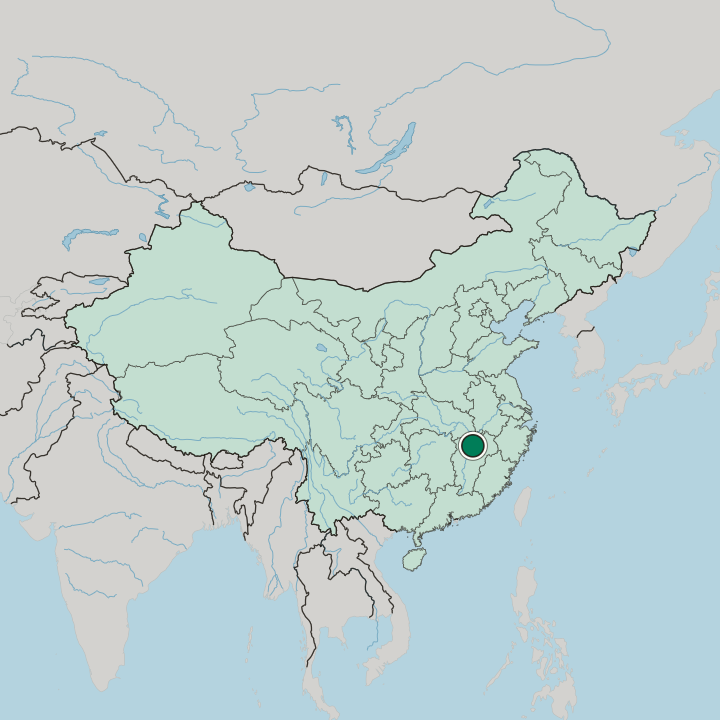
Poyang Lake sets the eastern edge. Nanchang occupies the north-central part of Jiangxi, in the hinterland of the Poyang Lake Plain, with the Jiuling Mountains closing the western side and the lake itself the eastern one. The plain between them is flat.
Hills on one side, open water on the other. Jiangxi's other cities lie beyond, and the province's capital functions all sit here.
What is the climate of Nanchang?
Poyang Lake sits close enough to matter. The band is subtropical, so the warm half of the northern-hemisphere year runs long, and the open ground around the lake and the Poyang Lake Plain feels it most. The Jiuling Mountains stand along the western side.
Cooler months are shorter. Indoor stops such as the Jiangxi Sheng bo wu guan and the Nanchang ba yi qi yi ji nian guan carry a wet or cold day without difficulty.
How do you get to Nanchang?
Rail does most of the work. Nanchang grew into a major railway hub for southern China because of where it sits between the prosperous East and the South, and trains remain the standard way in. The city is the provincial capital.
Roads run out to Poyang Lake on the east and toward the Jiuling Mountains on the west, and both are day trips rather than transfers. The central districts absorb most arrivals.
Common questions
What is the best area to stay in Nanchang?
BaYi central square: the Monument to the August 1st Nanchang Uprising and the memorial halls. Pavilion of Prince Teng quarter: waking up beside the Pavilion of Prince Teng. Poyang Lake shore: open water and the flats of the Poyang Lake Plain. Jiuling Mountains foothills: hill country on the western side of Nanchang.
Good for
More cities in Jiangxi
Updated October 2026