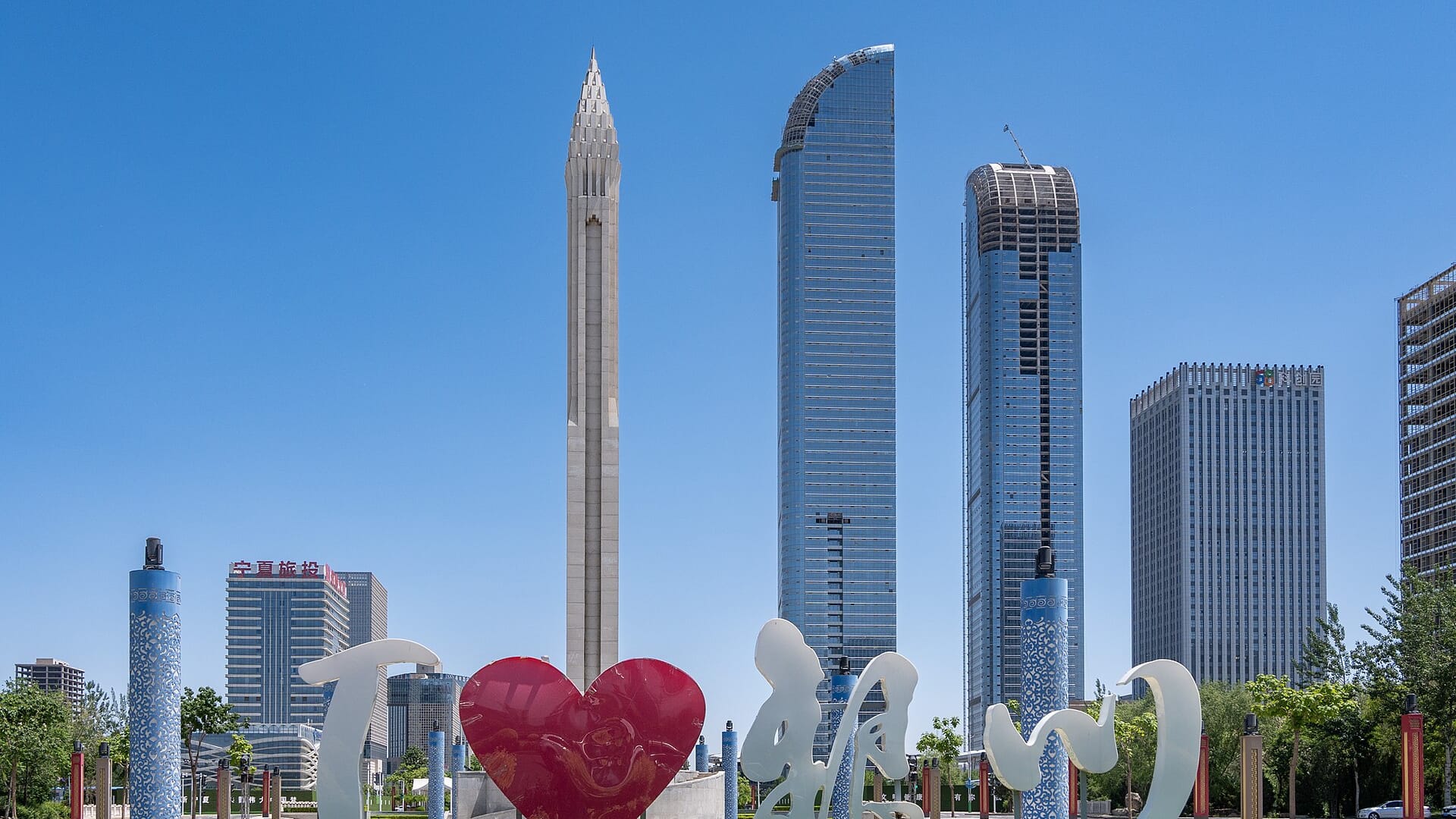
China · Ningxia Hui Autonomous Region
Where to Stay in Yinchuan, Ningxia Hui Autonomous Region
Yinchuan is the capital of Ningxia in northwestern China, an old imperial city on the Yellow River below the Helan Mountains.
Hotel links are affiliate links: booking through them may earn us a commission, at no extra cost to you. It never affects how places are ranked. How this works


Where to stay in Yinchuan
Where the beds are, and what that means for the visit.
Yinchuan's old town sets the terms for where to sleep. The central streets around the drum tower and the market keep the pagodas, the mosques, and the shops within reach, and staying downtown suits anyone here for the old city. The lanes fill in the evening.
Rooms sit near the drum tower. Out toward the tombs and the Helan Mountains, the land opens into desert and vineyards. A room out west trades the city for the royal tombs, the rock art, and the mountain wineries beyond.
The bare ranges rise past the fields. If you want the old town, stay in the centre; if you want the tombs, take a room out west. Either way, the oasis is close at hand.
Find hotels in Yinchuan
Direct booking searches for these neighbourhoods.
The old town
Around the drum tower and the Haibao Pagoda, within reach of the shopsFind hotels in The old townStays wanting the royal tombs and the Helan rangeThe tombs and mountains
Out west toward the Western Xia Mausoleums and the mountain wineriesFind hotels in The tombs and mountainsHotel links are affiliate links: booking through them may earn us a commission, at no extra cost to you. It never affects how places are ranked. How this works
Things to do in Yinchuan
Ranked by global recognition; descriptions from Wikidata (CC0).
Museums & Galleries
3- Ningxia Museum
- Museum of Contemporary Art of Yinchuan
- 西夏博物馆
Churches & Religious Sites
1- Najiahu mosque Heritage
Castles & Historic Sites
4- Western Xia Mausoleums UNESCO
- Helan Mountains perietal art Heritage
- Shuidonggou Heritage
- Lingwu Kiln Site Heritage
worth knowingacross 3 categories in Yinchuan
About Yinchuan
Yinchuan was the capital of a vanished empire.
What is Yinchuan known for?
On the plain below the Helan Mountains rise the great earthen tombs of the Western Xia kings, a dynasty wiped out by the Mongols, and the city keeps old pagodas and grand mosques of its Muslim Hui people. The Yellow River waters its fields. Tombs and pagodas mark the city.
What are the main landmarks in Yinchuan?
The Western Xia Mausoleums are the wonder of Yinchuan. Great earthen tombs of the vanished kings, like desert pyramids, stand on the plain below the Helan Mountains, the emblem of the region, west of the city. Pagodas and mosques fill the town.
The Haibao Pagoda lifts its stepped tower over the streets, while the Najiahu Mosque and the Ningxia Museum keep the story of the Hui and the Tangut.
What is the history of Yinchuan?
Yinchuan was the seat of the Western Xia empire. In the eleventh century the Tangut people built a kingdom here on the Yellow River and ruled the northwest for two hundred years, raising a walled capital and huge royal tombs on the plain below the Helan Mountains. The Mongols destroyed the kingdom.
Genghis Khan's armies wiped out the Western Xia so thoroughly that its script and history were nearly lost, and the great tombs were left as mounds in the desert. The oasis lived on by the river. Fed by canals from the Yellow River, the plain around Yinchuan stayed green and rich, an oasis of rice and fish that people called a Jiangnan beyond the Great Wall.
Muslim Hui settled the region. Over the centuries the Hui people made Yinchuan a centre of their faith and built its mosques, and the city became the capital of the Ningxia Hui region. The old pagodas still rise over the streets.
Yinchuan guards its tombs and its oasis on the Yellow River.
Where is Yinchuan?
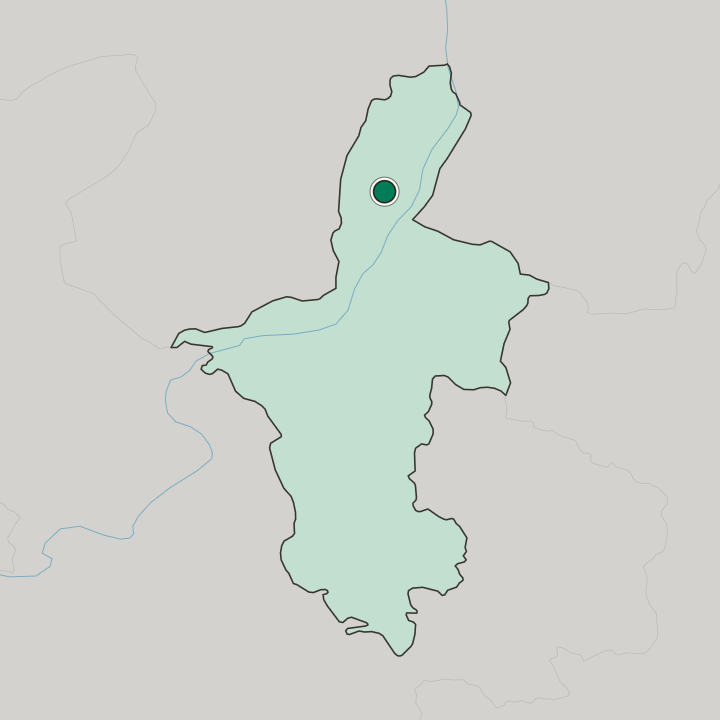
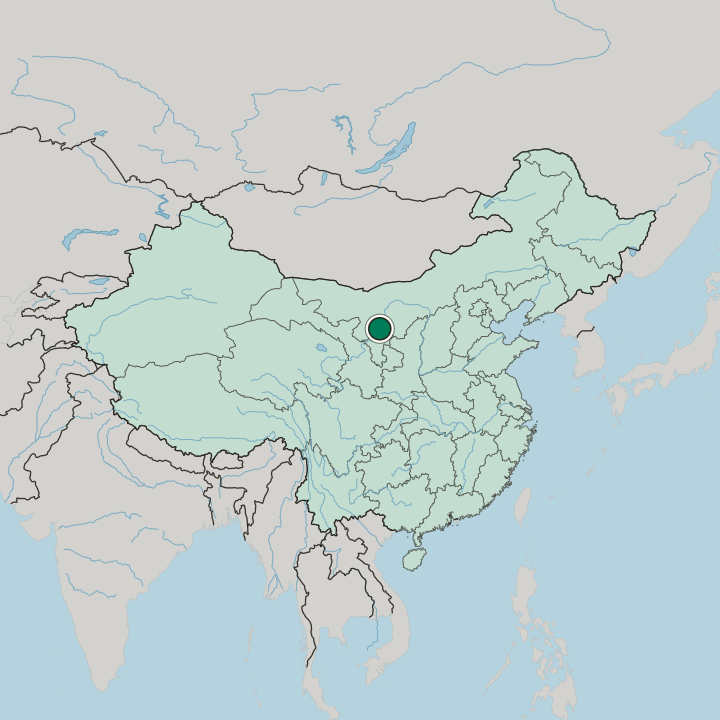
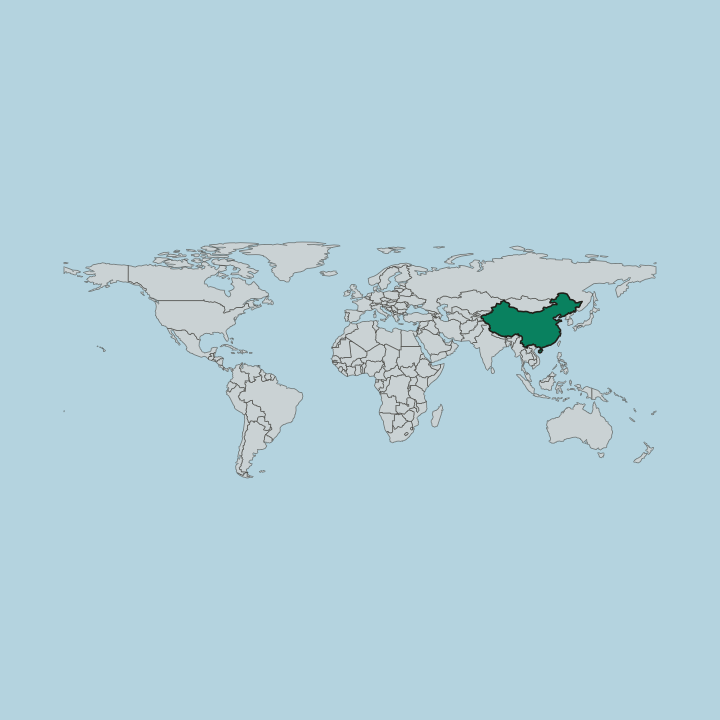
Yinchuan lies on the Yellow River plain of northwestern China. The city sits in a green irrigated oasis between the Helan Mountains and the river, ringed by the deserts of the northwest, in the Hui region of Ningxia. Bare ranges rise to the west.
The desert presses in beyond the fields.
What is the climate of Yinchuan?
Yinchuan has a dry continental desert climate. Hot, dry summers and bitterly cold winters mark the northern plain, and the wind blows hard off the deserts, with little rain but for a summer spell. Dust storms sweep in from the west.
The river keeps the oasis green.
How do you get to Yinchuan?
Yinchuan lies on the Yellow River in the northwest of China. Trains and an airport link the city to Lanzhou, Xi'an, and the east, and roads cross the oasis and the desert around. Buses reach the river towns nearby.
Most arrive by rail or air across the plain.
Common questions
What is the best area to stay in Yinchuan?
The old town: Visitors here for the pagodas, mosques, and market. The tombs and mountains: Stays wanting the royal tombs and the Helan range.
Good for
Updated September 2026