China
Ningxia Hui Autonomous Region, China — Towns & Travel Guide
Ningxia is a small autonomous region in north-central China, where the Yellow River greens a strip of desert below the Helan Mountains.
Hotel links are affiliate links: booking through them may earn us a commission, at no extra cost to you. It never affects how places are ranked. How this works


Towns & cities in Ningxia Hui Autonomous Region
One town here has its own guide — it links to where to stay.

 China
China
Yinchuan
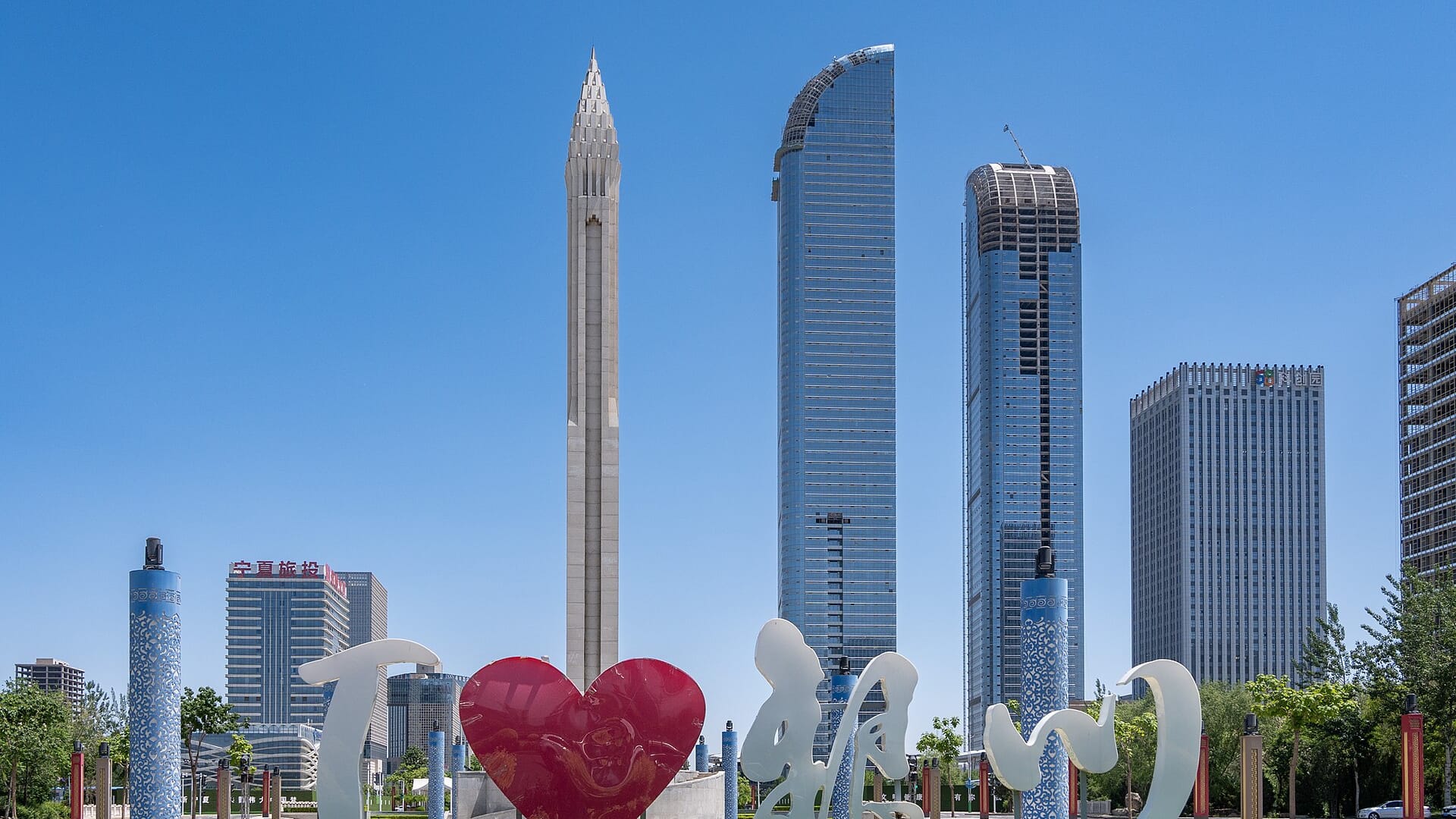
Yinchuan is the capital of Ningxia in northwestern China, an old imperial city on the Yellow River below the Helan Mountains.Where to stay →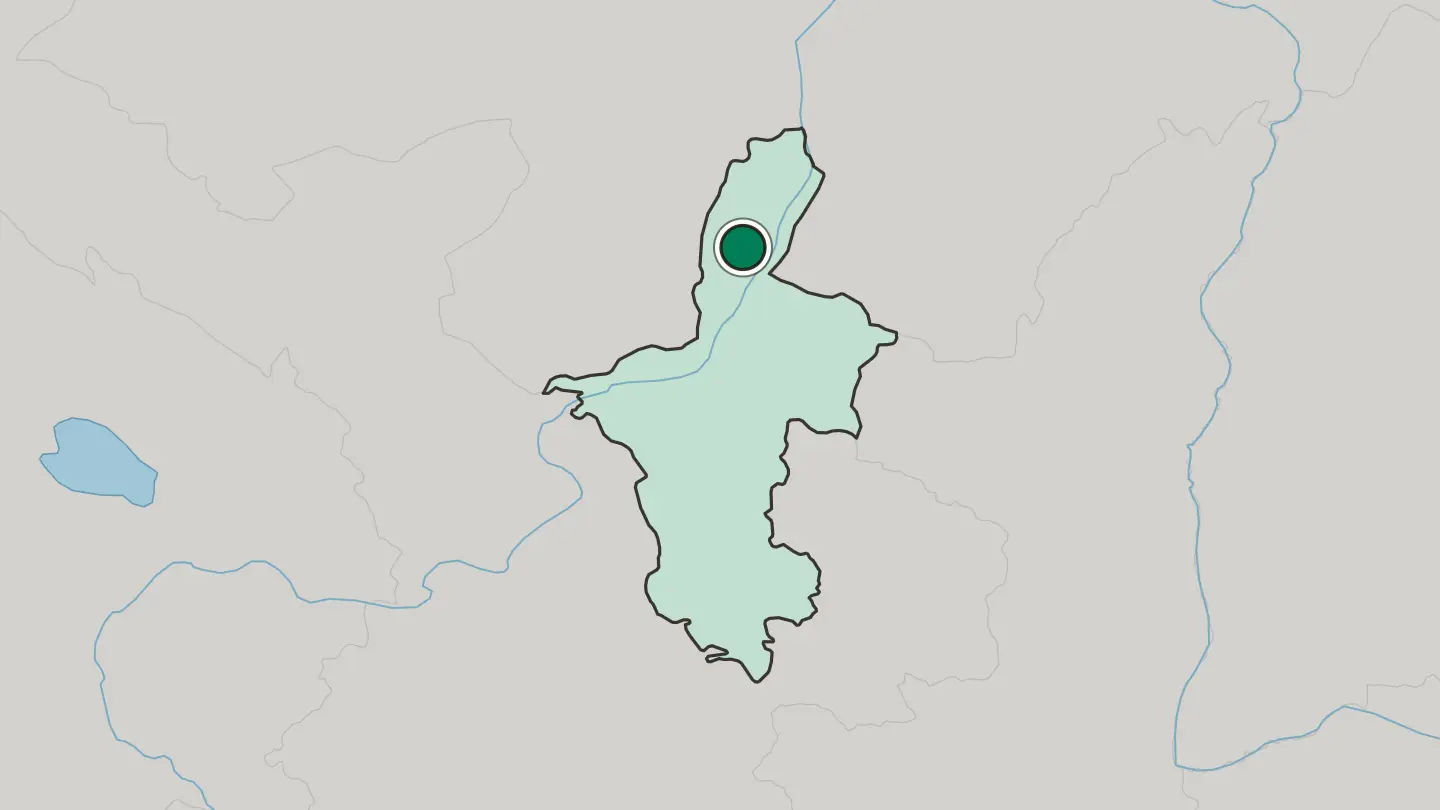
Hotel links are affiliate links: booking through them may earn us a commission, at no extra cost to you. It never affects how places are ranked. How this works
About Ningxia Hui Autonomous Region
What is Ningxia Hui Autonomous Region known for?
Ningxia is the homeland of the Hui, a Muslim people whose mosques, lamb kitchens and morning tea houses give the region its character. Two things define it. The Yellow River waters a fertile plain that locals have irrigated for centuries, and the desert presses in on every side beyond the canals.
Above the plain rise the Helan Mountains, and at their foot vineyards now cover the sandy loam; in 2017 the region made a quarter of the country's wine. Yinchuan is the capital and the way in.
Where is Ningxia Hui Autonomous Region?
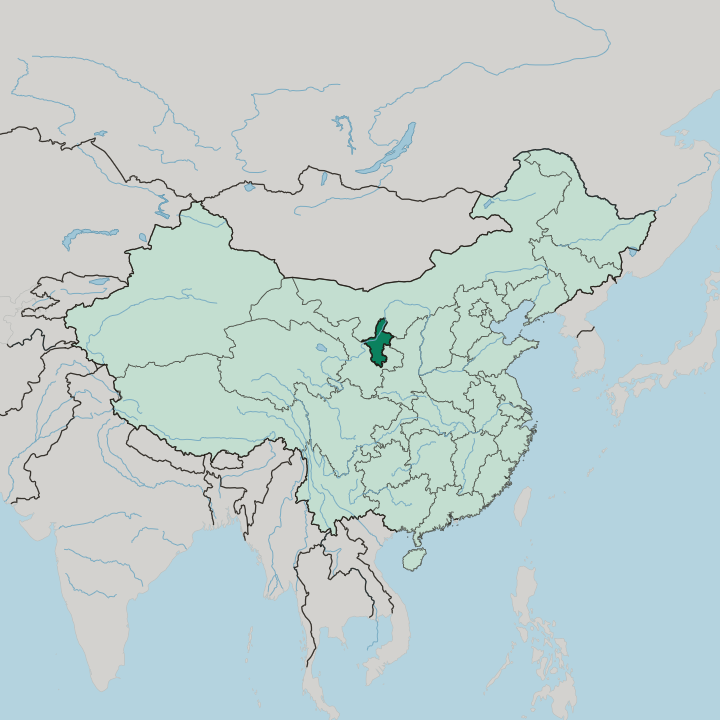
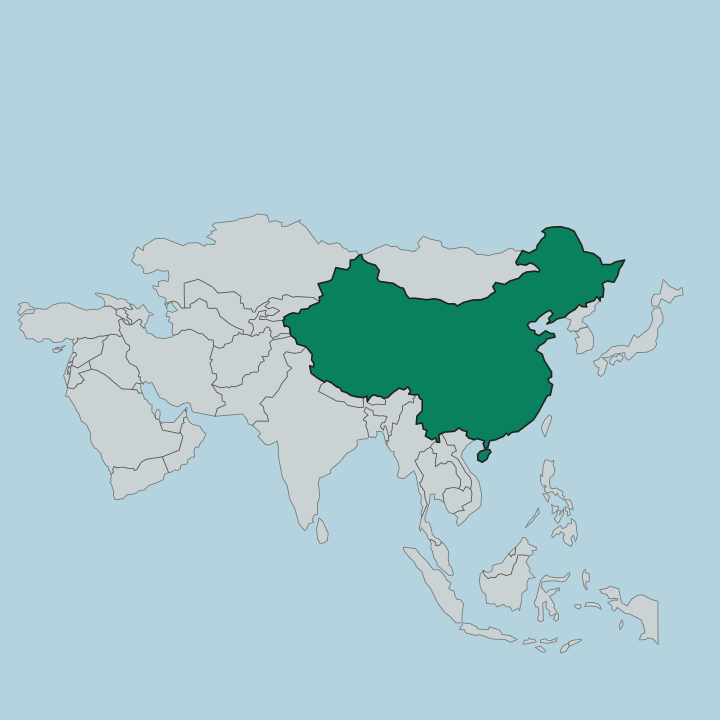
Ningxia sits in north-central China, on the middle course of the Yellow River. It is one of the country's smallest provincial-level units. Gansu wraps around it to the south and west, Inner Mongolia lies to the north, and Shaanxi borders it on the east.
The Yellow River enters near Zhongwei, then bends north through the region and out toward the Ordos Plateau, and along that curve it has laid down a flat, fertile plain that farmers have channelled and irrigated for well over a thousand years. Desert crowds that green ribbon from three sides. The Tengger Desert stands to the west, sending sandstorms toward the plain, and the Mu Us sands lie off to the east.
The Helan Mountains run north to south along the western edge, a bare rampart between the irrigated plain and the desert beyond. They shelter Yinchuan and the wine foothills from the worst of the sand. South of the plain the land climbs onto the Loess Plateau, a country of dry, wind-cut yellow hills around Guyuan.
Two landscapes, one small region. The watered north and the parched hills of the south could hardly look less alike, yet the Yellow River ties the whole of Ningxia together.
What is Ningxia Hui Autonomous Region like?
The Hui give Ningxia its distinct grain. This Muslim people trace their roots to the Silk Road merchants who settled the oasis towns, and their faith and kitchens shape daily life across the plain. Lamb is the centre of the table.
It arrives hand-pulled off the bone, simmered in offal soup, or laid over hand-pulled wheat noodles, and a bowl of the eight-treasure morning tea, sweet with wolfberries and dried fruit, opens the day in Wuzhong and beyond. Wolfberries themselves are a Ningxia signature; the goji bushes around Zhongwei grow in China's principal wolfberry region. Wine is the newer story.
On the sandy eastern flank of the Helan Mountains, hundreds of wineries now grow cabernet and merlot, and the desert vineyards below Yinchuan are part of a wine country that made a quarter of China's wine in 2017. Deeper still runs the memory of a lost kingdom. The Tangut who built the Western Xia left their script on cliff faces and their emperors under earthen mounds at the mountains' foot, and that vanished dynasty is as much a part of the region's identity as the mosque or the vineyard.
What is the history of Ningxia Hui Autonomous Region?
The Tangut founded the Western Xia here in 1038, choosing the defensible ground between the Helan Mountains and the Yellow River for their capital at what is now Yinchuan. For nearly two centuries their kingdom held its own against the Song, Liao and Jin. Then the Mongols came.
Genghis Khan's armies destroyed the Western Xia in 1227, and the empire and much of its script were all but erased, leaving nine imperial mausoleums standing in the desert. The modern autonomous region was created in 1958 to give the Hui their own homeland.
What is the climate of Ningxia Hui Autonomous Region?
Ningxia has a dry continental climate, hot in high summer and bitterly cold in winter. Rainfall over Ningxia is meagre. What little falls comes in the warm months, and the desert air swings hard between day and night, dropping many degrees after dark even in July.
Winter brings hard frost and fierce, sand-laden winds off the Tengger Desert. The best months to travel run from late spring through autumn, when the plain along the Yellow River is warm and green.
How do you get to Ningxia Hui Autonomous Region?
Most travellers reach Ningxia through Yinchuan, whose airport and high-speed rail line link the capital to Beijing, Xi'an and the wider country, making it the obvious point of arrival for almost any trip. The region is landlocked. Gansu, Inner Mongolia and Shaanxi hem it in on every side, so each approach comes overland or by air.
From Yinchuan a fast train and good roads run south along the Yellow River to Zhongwei and Guyuan, and the expressway beside the water strings the main towns together.
Common questions
What is the best area to stay in Ningxia Hui Autonomous Region?
Yinchuan: wine country and the Xixia tombs. Zhongwei: desert and river at Shapotou. Wuzhong: Hui food and morning tea. Guyuan: the southern Silk Road hills.
Good for
More regions in China
Updated October 2026