China · Tibet Autonomous Region
Where to Stay in Rikaze, Tibet Autonomous Region
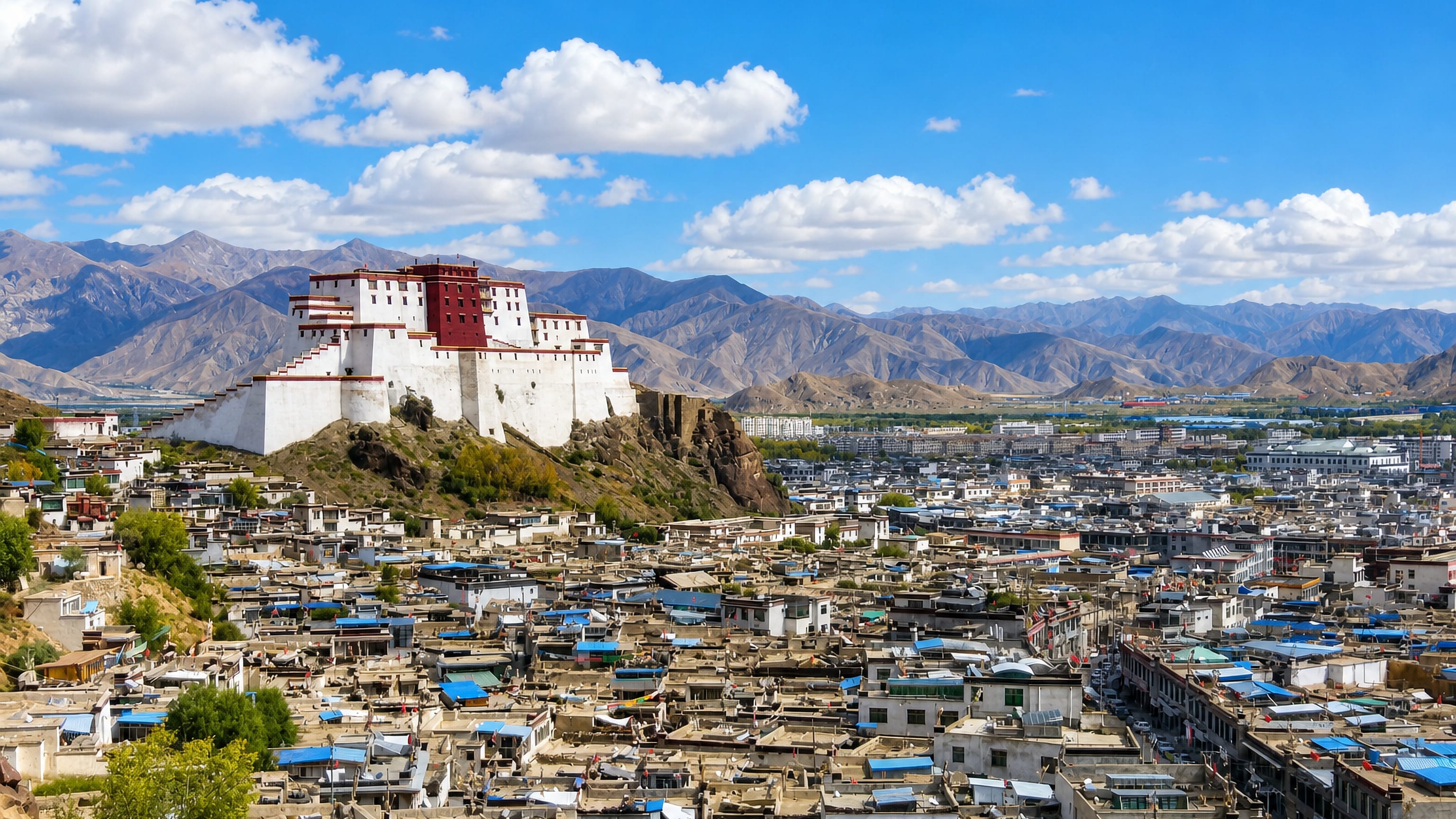
Rikaze, written also as Shigatse or Xigazê, is a prefecture-level city of the Tibet Autonomous Region holding Tashilhunpo Monastery.
Hotel links are affiliate links: booking through them may earn us a commission, at no extra cost to you. It never affects how places are ranked. How this works


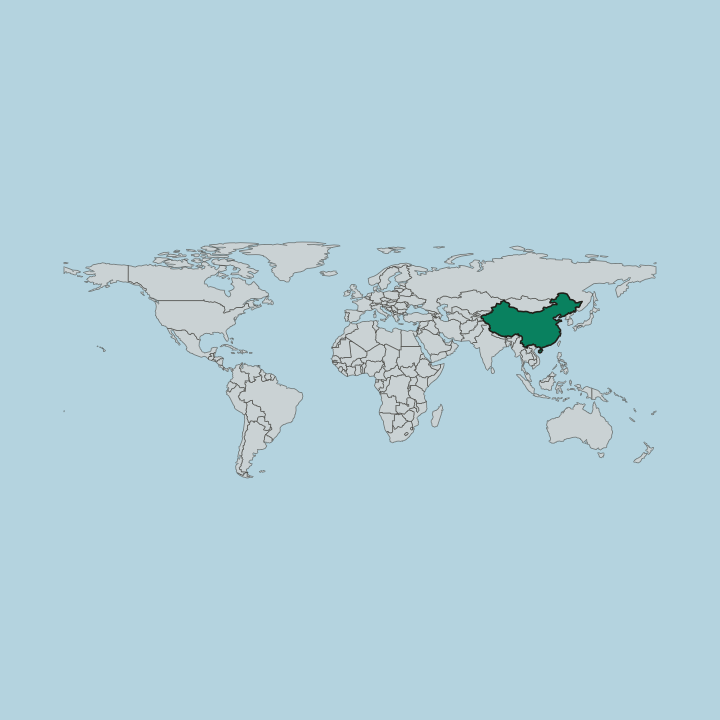
Where to stay in Rikaze
Where the beds are, and what that means for the visit.
Tashilhunpo Monastery fixes the centre. Shigatse grew up beneath it, and a first stay usually sits within walking distance of the monastery walls, because that is where rooms, food and onward transport gather most thickly anywhere in the prefecture. Gyantse works as a second base.
Gyantse Dzong looks down from its ridge with Palcho Monastery below, which makes an overnight there a plan in its own right rather than a detour, especially for anyone continuing towards Shalu Monastery. Sakya is smaller and thinner on beds. Sakya Monastery repays the journey out, though the settlement around it offers little choice of rooms, so a night there amounts to a decision to travel slowly.
The Mount Everest approaches are a separate calculation. Lodging on that side has almost nothing to do with towns or districts, and the same applies to the far ground near the Site of Yadong Custom House, where the route dictates the stop. Height decides more than taste.
Rising through Shigatse, then Gyantse, then the higher country beyond, gives a trip the shape that the distances and the thin air of the Ü-Tsang country demand, and Pala Manor or Drölma Lhakhang fit into that sequence rather than setting it.
Find hotels in Rikaze
Direct booking searches for these neighbourhoods.
Under Tashilhunpo Monastery
The thickest cluster of rooms and onward transport in the whole jurisdictionFind hotels in Under Tashilhunpo MonasteryStopping a night below Gyantse DzongGyantse
One small town with a ridge fort above it and Palcho Monastery at its footFind hotels in GyantseSlow travellers giving Sakya Monastery a full daySakya
A small settlement gathered around one great monastery, with beds counted in handfuls. Few places to stay nearby — book ahead.Find hotels in SakyaHotel links are affiliate links: booking through them may earn us a commission, at no extra cost to you. It never affects how places are ranked. How this works
About Rikaze
Monasteries make the reputation.
What is Rikaze known for?
Tashilhunpo Monastery is the best known of them, and Sakya Monastery, Palcho Monastery and Shalu Monastery give this jurisdiction a concentration of long-established religious foundations that few comparable areas can match. Gyantse Dzong holds the high ground. The same administrative area takes in part of Mount Everest and corresponds to the historical Ü-Tsang region, so Pala Manor and the Chamuqin Tombs share a map with the mountain.
What are the main landmarks in Rikaze?
Religious foundations crowd the roster. Tashilhunpo Monastery, Sakya Monastery, Palcho Monastery and Shalu Monastery are the largest, while Qude Temple, Paba Temple, Aiwang Temple and Drölma Lhakhang carry the same tradition out into smaller settlements. Two secular sites stand apart.
Gyantse Dzong records fortification and Pala Manor records estate life, and the Chamuqin Tombs, the Naijiaqiemu Grottoes and Naining Qude Temple belong to older ground again.
What is the history of Rikaze?
The name comes in three forms. Rikaze, Shigatse and Xigazê all denote the same prefecture-level city, and the difference between them is transcription rather than substance, which matters when older accounts are read beside newer ones. Its jurisdiction matches the historical Ü-Tsang region.
That inheritance explains why so much of the documented past here is monastic rather than civic. Stone carries the earliest record. The Stele of the Tang Embassy to India, listed also as Da Tang Tianzhu Shi Chu Ming, and the Lin'en Cliff Inscriptions preserve texts cut straight into rock, while the Chamuqin Tombs and the Naijiaqiemu Grottoes mark burial and excavation older than any hall still standing.
Monastic foundations came to hold the archive. Tashilhunpo Monastery, Sakya Monastery, Shalu Monastery and Palcho Monastery each gathered buildings, libraries and authority across long periods, and their survival is the reason the region's written memory sits inside monastery walls rather than in town records. Later layers are practical.
Gyantse Dzong belongs to fortification, Pala Manor to estate life, and the Site of Yadong Custom House to the regulation of trade, with Takten Damcho Ling, Qoide Temple and Zhuoma Monastery filling out a heritage list far longer than most prefectures carry.
Where is Rikaze?
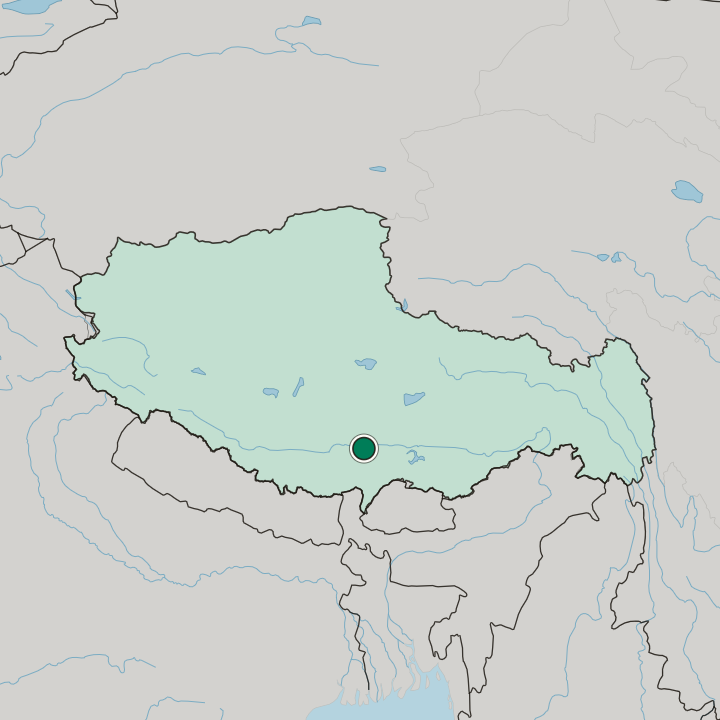
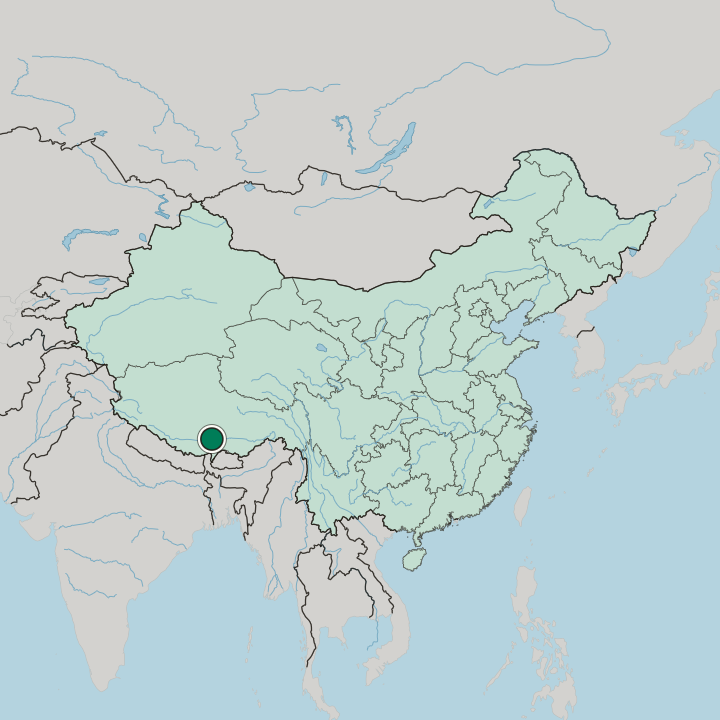
The jurisdiction is vast. Rikaze administers ground answering to the historical Ü-Tsang region, and part of Mount Everest falls inside it, which puts the most extreme relief on the planet and ordinary farmed valleys under a single administration. Distance is the practical result.
Sakya Monastery, Gyantse Dzong and the Site of Yadong Custom House lie far apart from each other, and pairing any two of them inside one day is rarely realistic.
What is the climate of Rikaze?
Elevation writes the weather. The bulk of Mount Everest and the high country around it keep nights cold across the whole jurisdiction even where midday sun is fierce, so the gap between shade and open sky counts for more than the month on the calendar. Sun burns fast at this height.
Travel between Shigatse, Gyantse and Sakya is simplest in the warmer part of the year, when the roads run clear and monastery courtyards have lost their frost.
How do you get to Rikaze?
Public transport is better than expected. Services here are good by the standards of the wider region, and Shigatse, as the seat, is where they concentrate and where nearly every itinerary starts. Gyantse is the usual next stop.
Sakya, the Site of Yadong Custom House and the approaches to Mount Everest all take far longer than their distance on a map suggests, so a route through Rikaze is counted in days rather than in hours.
Common questions
What is the best area to stay in Rikaze?
Under Tashilhunpo Monastery: First nights in Shigatse within reach of the monastery walls. Gyantse: Stopping a night below Gyantse Dzong. Sakya: Slow travellers giving Sakya Monastery a full day.
Another city in Tibet Autonomous Region
Updated September 2026