China · Tibet Autonomous Region
Where to Stay in Lhasa, Tibet Autonomous Region
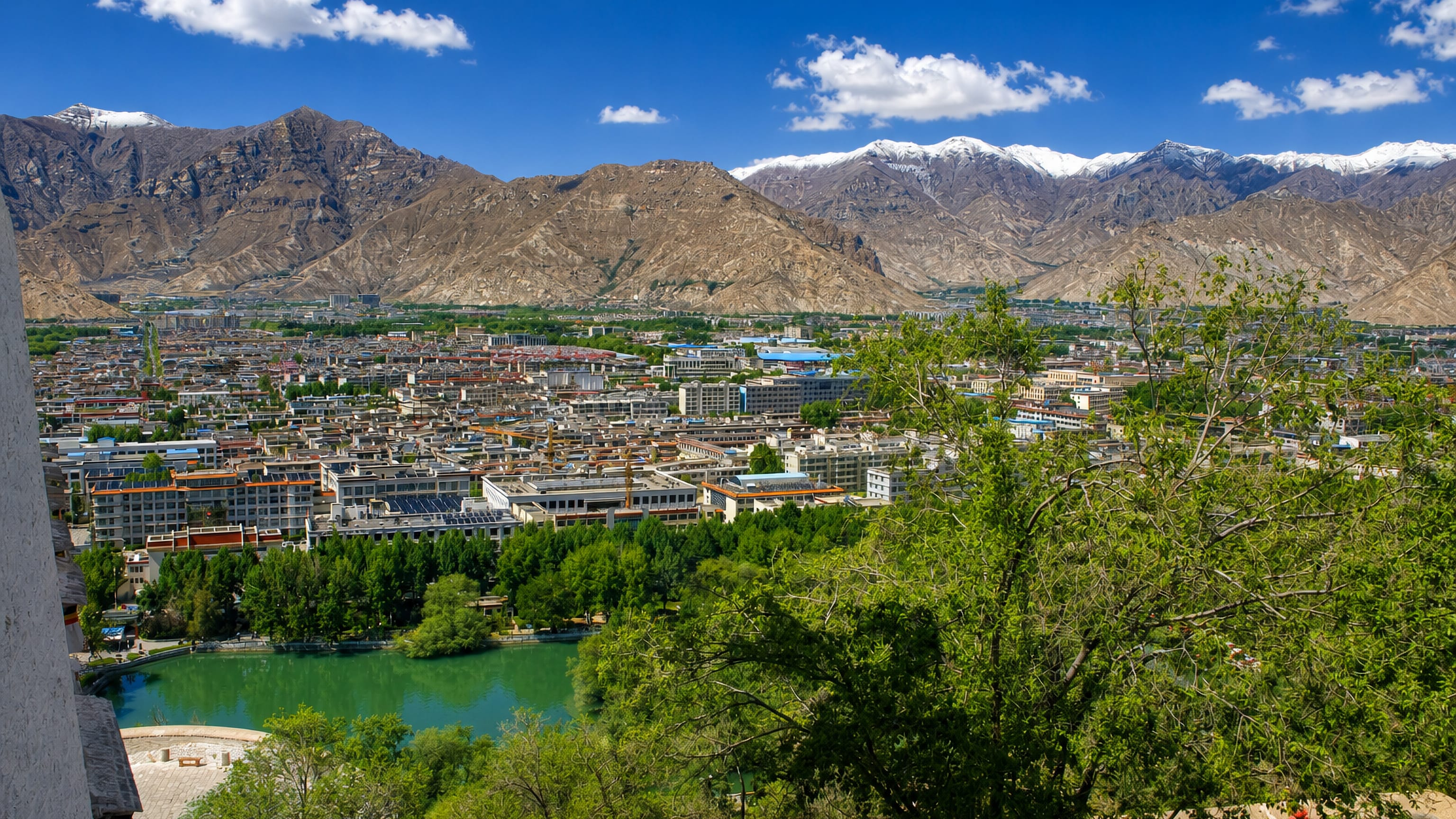
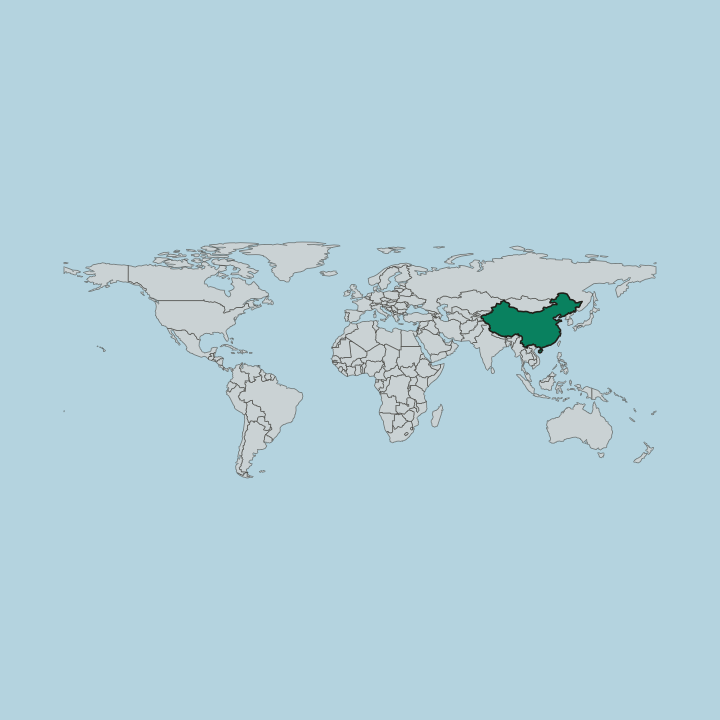
The Potala Palace rises over the high plateau at Lhasa, the capital of the Tibet Autonomous Region in southwestern China, known for the Jokhang temple.
Hotel links are affiliate links: booking through them may earn us a commission, at no extra cost to you. It never affects how places are ranked. How this works


Where to stay in Lhasa
One neighbourhood here has its own guide — here's what it is best for.
 LhasaChina
Chéngguān Qū
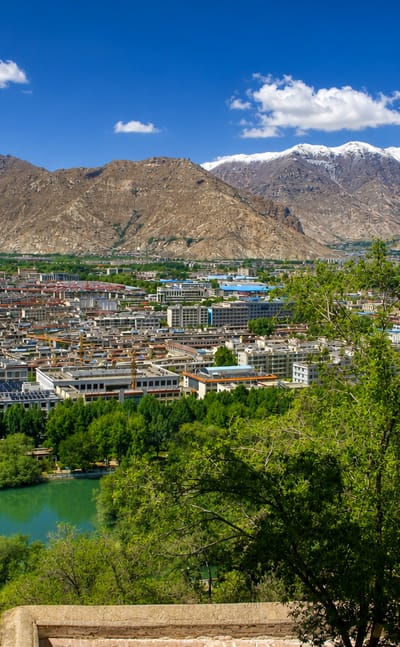
The Potala Palace climbs its ridge above Chéngguān Qū, the inner urban district of Lhasa that also holds the Jokhang.Where to stay →Hotel links are affiliate links: booking through them may earn us a commission, at no extra cost to you. It never affects how places are ranked. How this works
Find hotels in Lhasa
Direct booking searches for these neighbourhoods.
Barkhor
The historic streets circling the Jokhang temple in the heart of old Lhasa.Find hotels in Barkhoracclimatising travellersChengguan District west
Larger hotels on the main avenues below the Potala Palace, quieter and well connected.Find hotels in Chengguan District westHotel links are affiliate links: booking through them may earn us a commission, at no extra cost to you. It never affects how places are ranked. How this works
Things to do in Lhasa
Ranked by global recognition; descriptions from Wikidata (CC0).
Museums & Galleries
3- Tibet Museum
- Tibet Museum of Natural Science
- Weland Museum of Contemporary Art
Churches & Religious Sites
1- Catholic Church of Lhasa
Castles & Historic Sites
2- Potala Palace Heritage
- Monument to the Peaceful Liberation of Tibet
worth knowingacross 3 categories in Lhasa
About Lhasa
What is Lhasa known for?
Lhasa is known as the historic centre of Tibet, set high on the plateau below the northern slopes of the Himalayas. The Potala Palace, rising in white and ochre over the city, is its defining monument, and the Jokhang draws pilgrims to the old quarter around it. The city holds a long Buddhist heritage.
Its central square carries the modern Monument to the Peaceful Liberation of Tibet, and the Tibet Museum of Natural Science presents the region's geology and wildlife.
What are the main landmarks in Lhasa?
Lhasa keeps its greatest landmark on the hill above the city. The Potala Palace, a vast white-and-ochre complex of chapels and halls that climbs the ridge in tiers, dominates the skyline and ranks among the most celebrated buildings of the entire plateau. Below it stands the Jokhang.
This temple sits at the heart of the old quarter as one of Tibet's most revered, its golden roofs catching the high sun. The central square carries the Monument to the Peaceful Liberation of Tibet, and the Catholic Church of Lhasa and the Tibet Museum of Natural Science widen the city's range.
What is the history of Lhasa?
Lhasa's recorded history begins in the seventh century. The city was founded in 633 as the seat of the early Tibetan kings, who set their court on the high plateau and built the first temple at the site of the Jokhang. Buddhism took root here early, and the old quarter grew as a place of pilgrimage around that temple, a settlement of monks, traders, and travellers gathered below the ridge where the Potala Palace would later rise.
The city held its place at the centre of Tibetan life for centuries. The great Potala Palace took its present monumental form in the seventeenth century, becoming the seat of Tibet's highest authority and the defining landmark of the plateau. Pilgrim routes converged on the Jokhang, and monasteries ringed the valley.
Trade over the high passes tied the city to the wider region and its markets. In the twentieth century Lhasa was incorporated into the Tibet Autonomous Region within China, a period marked by the Monument to the Peaceful Liberation of Tibet on the central square. The old core endures.
Where is Lhasa?
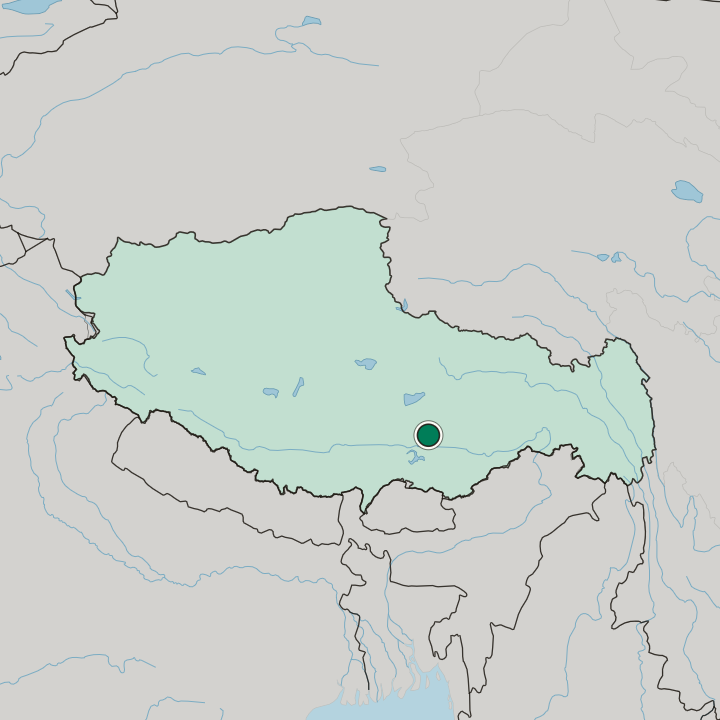
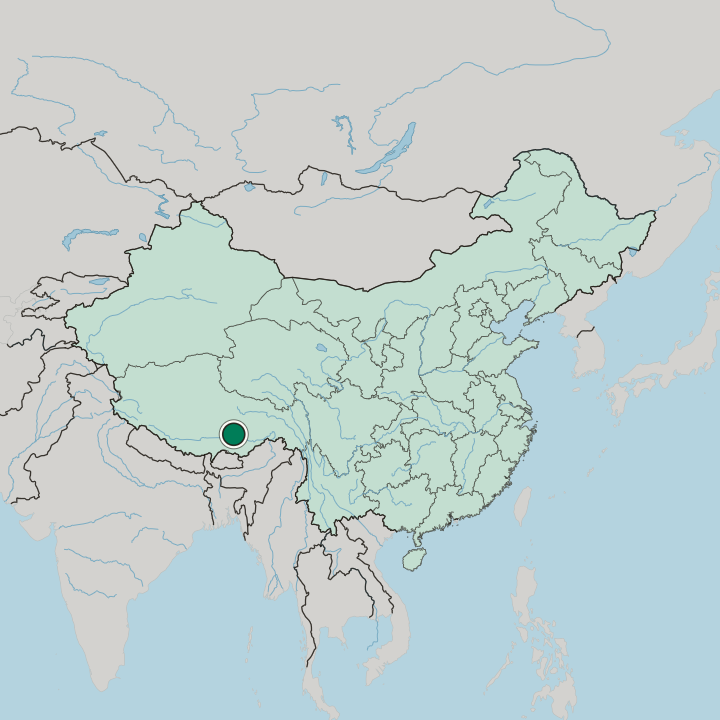
Lhasa lies in southwestern China, high on the Tibetan Plateau along the northern slopes of the Himalayas. The air is thin here. High above sea level, the city stands in a broad valley ringed by bare mountains, where the strong sun and altitude shape daily life and the pace of every visitor.
The Potala Palace crowns a rocky hill above the old town. Beyond the built ground of the Chengguan District, the plateau rolls away in dry, treeless heights toward the ranges that wall the Tibet Autonomous Region.
What is the climate of Lhasa?
Lhasa has a cold, dry high-plateau climate shaped by its great elevation. Days are bright. The thin air of the Tibetan Plateau warms quickly under strong sun and cools sharply after dark, so temperatures swing widely between day and night in every season of the year.
Winters are cold but often clear and calm, with little snow on the valley floor. Summer brings the milder, wetter months, when passing rains green the high ground below the Himalayas.
How do you get to Lhasa?
Lhasa reaches the rest of China by air and by a remarkable railway. Trains climb to the plateau. The high-altitude line runs across the Tibetan Plateau to link the city with the interior of China, one of the highest railways in the world, while the airport in the valley connects Lhasa to major cities by frequent flights.
Roads cross the high passes toward the ranges of the Himalayas and the neighbouring provinces. Most travellers arrive gradually, giving the body time to adjust to the thin mountain air.
Common questions
What is the best area to stay in Lhasa?
Barkhor: old-quarter pilgrims. Chengguan District west: acclimatising travellers.
Good for
Another city in Tibet Autonomous Region
Updated October 2026