China
Tibet Autonomous Region, China — Towns & Travel Guide
Tibet Autonomous Region is China's high plateau of snow peaks and Buddhist monasteries, ringed by the Himalayas and centred on Lhasa.
Hotel links are affiliate links: booking through them may earn us a commission, at no extra cost to you. It never affects how places are ranked. How this works


Towns & cities in Tibet Autonomous Region
Pick a town or city — each links to where to stay.
 China
China
Lhasa
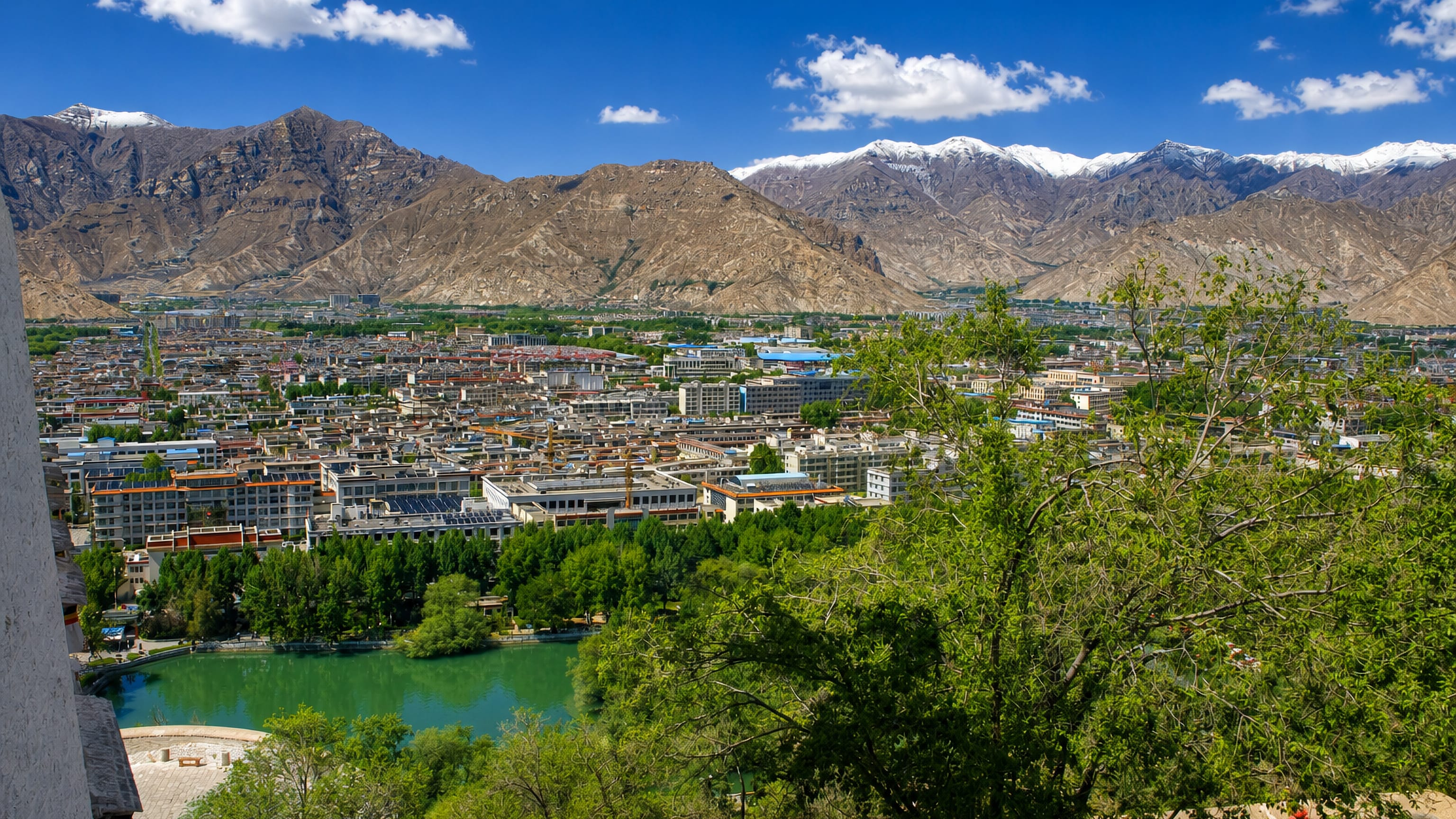
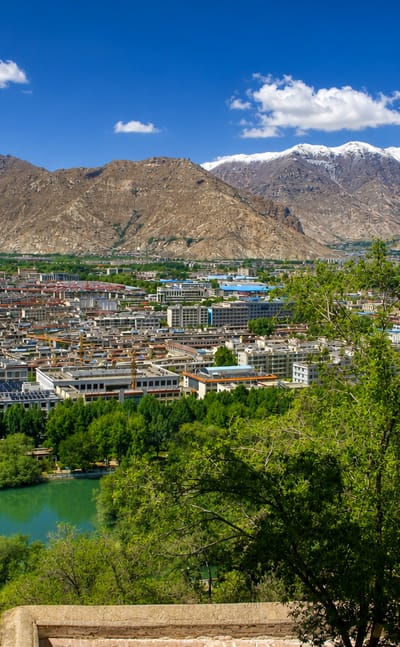
The Potala Palace rises over the high plateau at Lhasa, the capital of the Tibet Autonomous Region in southwestern China, known for the Jokhang temple.Where to stay →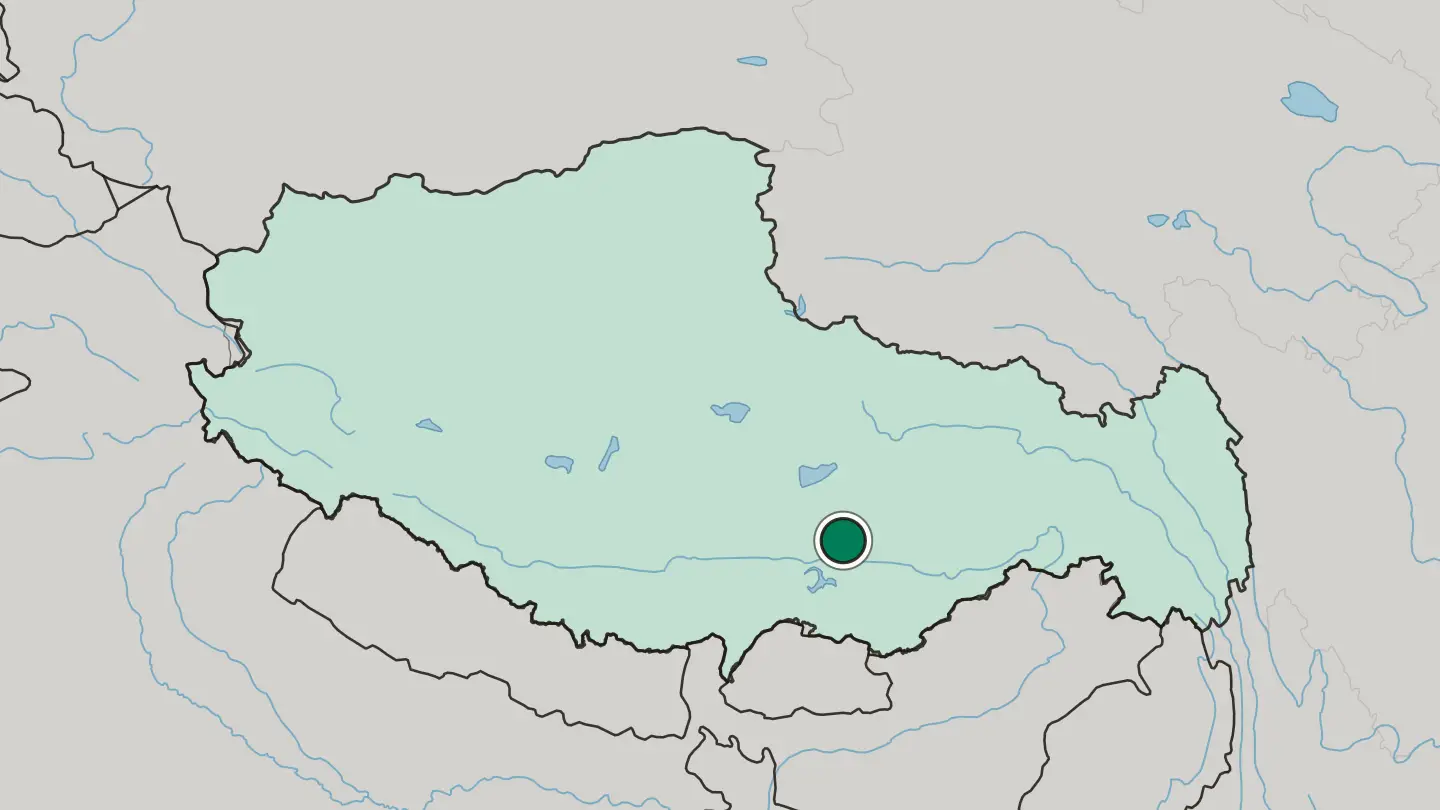
 China
China
Rikaze
Rikaze, written also as Shigatse or Xigazê, is a prefecture-level city of the Tibet Autonomous Region holding Tashilhunpo Monastery.Where to stay →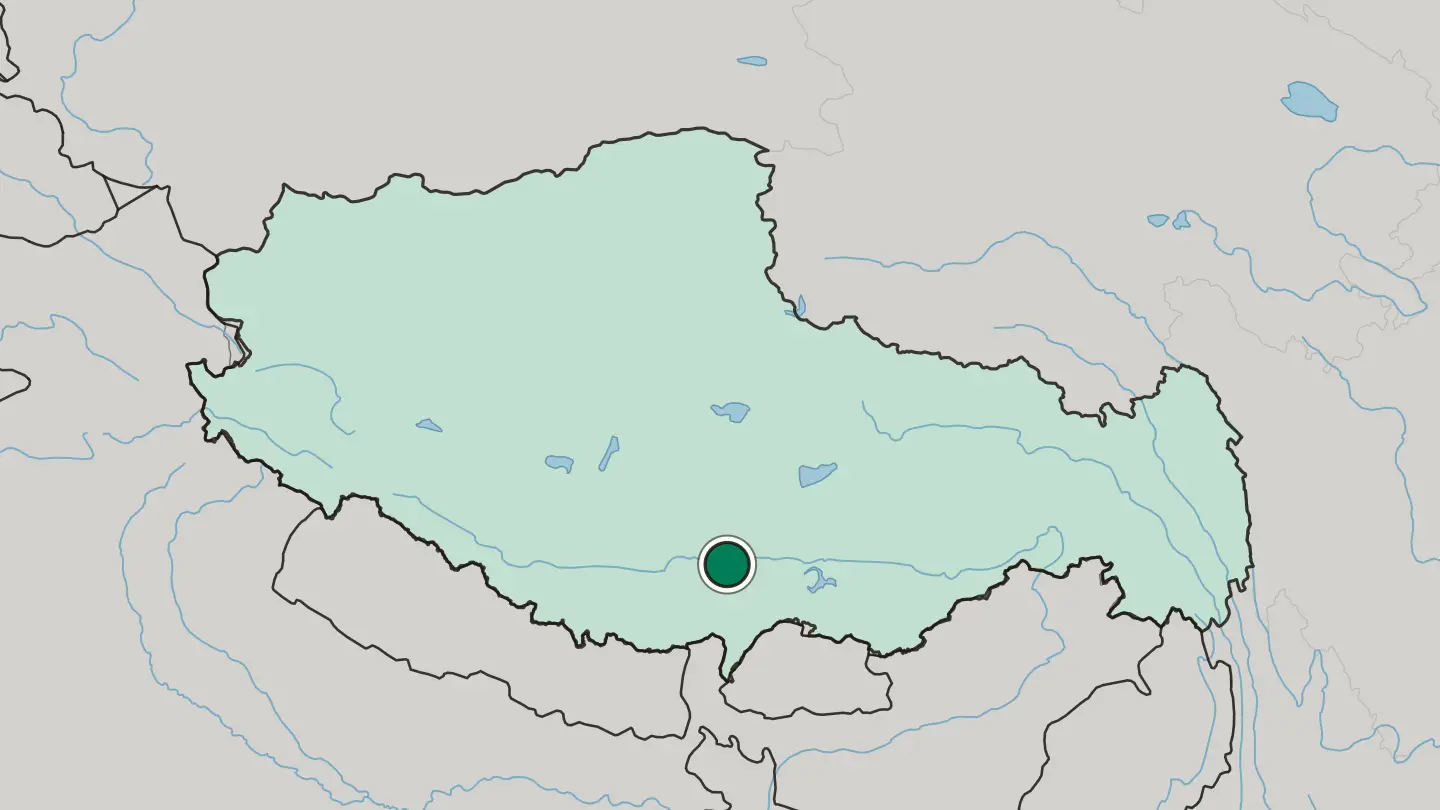
Hotel links are affiliate links: booking through them may earn us a commission, at no extra cost to you. It never affects how places are ranked. How this works
About Tibet Autonomous Region
Height is the first thing.
What is Tibet Autonomous Region known for?
Tibet sits atop the Tibetan Plateau, the highest region on Earth, where the average land lies far above any peak in the Alps and the thin air marks every traveller who arrives. Mount Everest rises on its southern border with Nepal. Lhasa anchors it all, the old seat of the Dalai Lamas, where the Potala Palace climbs a ridge above the city and pilgrims still circle the Jokhang temple.
This is the heartland of Tibetan Buddhism.
Where is Tibet Autonomous Region?
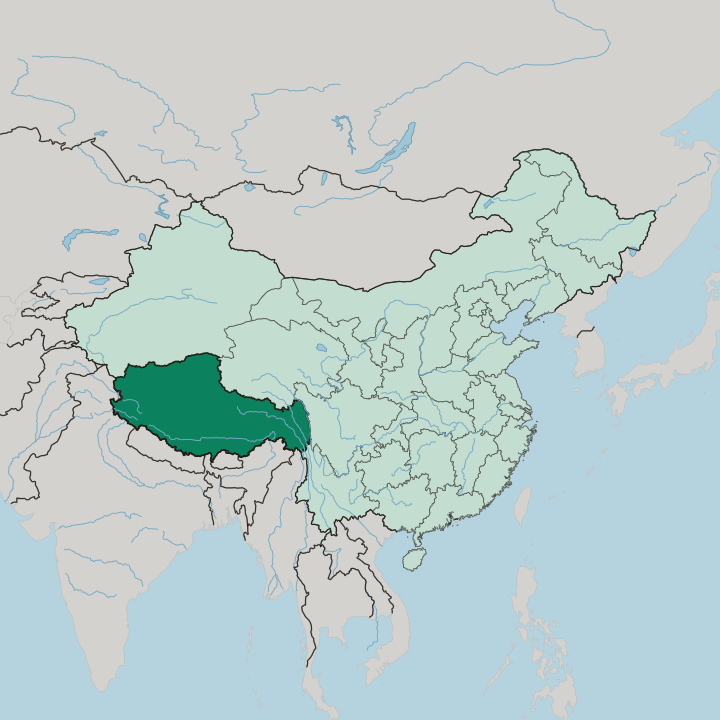
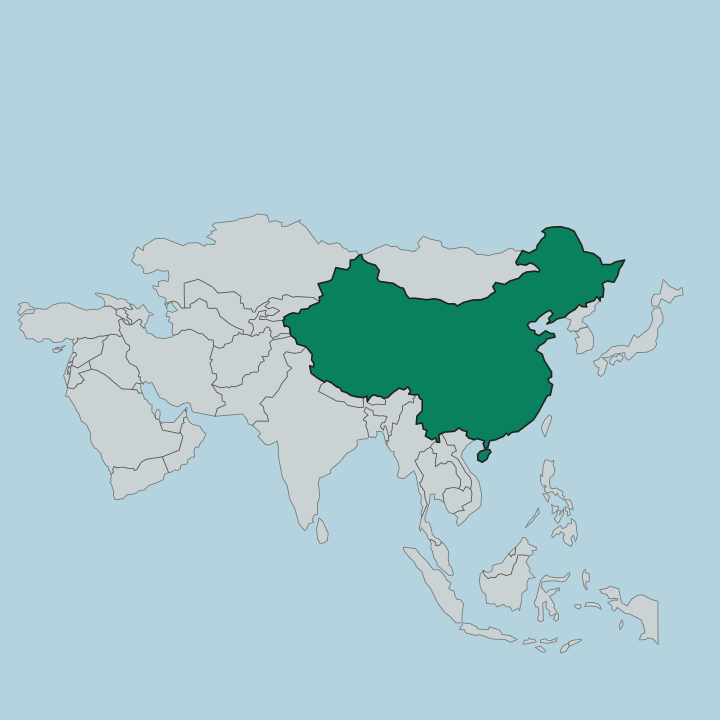
Tibet fills the south-western corner of China, a vast block of the Tibetan Plateau that others call the roof of the world. It is huge. Only a handful of Chinese provinces cover more ground, yet few people live across all that space, and the land itself sets the terms.
The average elevation runs far above four thousand metres, higher than almost anywhere people settle. The Himalayas wall off the whole southern edge, and along that wall stands Mount Everest, on the frontier Tibet shares with Nepal. Water organises the rest.
The Yarlung Tsangpo runs the length of southern Tibet from west to east before it swings south around the peak of Namcha Barwa and drops toward India as the Brahmaputra. Lhasa, the capital, sits in the valley of one of its tributaries in the south of the region. To the west and north the plateau turns colder, drier and emptier, rising toward the barren uplands of Ngari.
To the south-east it falls away into the forested gorges around Nyingchi. Nepal, India and Bhutan lie beyond the mountains to the south; the rest of China spreads out to the east and north.
What is Tibet Autonomous Region like?
Faith is visible everywhere. Tibetan Buddhism sits at the centre of daily life more openly here than almost anywhere in China, and its monasteries, prayer flags and pilgrim routes are working parts of the present rather than relics. In Lhasa the clearest sign is the Barkhor, the circuit worshippers walk clockwise around the Jokhang temple, spinning prayer wheels as they go.
Above them the Potala Palace rises over the city, once the winter residence of the Dalai Lamas. The language is Tibetan, written in its own script and quite unlike Chinese. Tibetan food answers the altitude: barley roasted into tsampa, yak butter churned into salt tea, hearty and warming against the cold.
Song and dance carry the old stories at festival time. Much of this culture grew up around the great monasteries, and it still runs strongest in the towns and valleys where those monasteries stand.
What is the history of Tibet Autonomous Region?
Tibet's recorded power begins in the Yarlung valley. King Songtsen Gampo unified the plateau in the seventh century, moved his seat to Lhasa and is credited with founding the Jokhang temple and bringing Buddhism to the region. That empire faded.
The monasteries endured, and by the seventeenth century the Dalai Lamas ruled from the rebuilt Potala Palace, the winter seat that still crowns the capital's skyline above the old town. China created the present Tibet Autonomous Region in 1965, replacing the earlier Tibet Area. The old faith outlasted every ruler.
What is the climate of Tibet Autonomous Region?
On the Tibetan plateau, elevation dictates the climate. The plateau climate is cold and markedly dry, with most of Tibet's modest rain arriving in the short summer between May and September. Sun is the compensation.
Lhasa averages more than eight hours of it a day, which is why it is called the city of sunlight, warm under that fierce light and sharply cold the moment it drops. That wide daily swing catches visitors out. The west around Ngari runs colder and barer still, while the south-eastern valleys near Nyingchi stay milder and wetter than the plateau behind them.
How do you get to Tibet Autonomous Region?
Most travellers reach Tibet by air or by rail into Lhasa. Flights land at the region's main airport outside the capital, an hour from the city on the Yarlung Tsangpo. The alternative is the Qinghai-Tibet railway, the highest railway in the world, which climbs across the plateau from Xining in a journey of some twenty hours and lets the body adjust to the altitude on the way up.
Foreign visitors cannot travel independently: entry needs a Tibet Travel Permit arranged through a licensed agency, with further permits for Shigatse, Everest and the border areas. Plan the paperwork well ahead.
Common questions
What is the best area to stay in Tibet Autonomous Region?
Lhasa: acclimatising before the high plateau. Shigatse: the drive to Everest base camp. Nyingchi: milder green lowland Tibet.
Good for
More regions in China
Updated September 2026