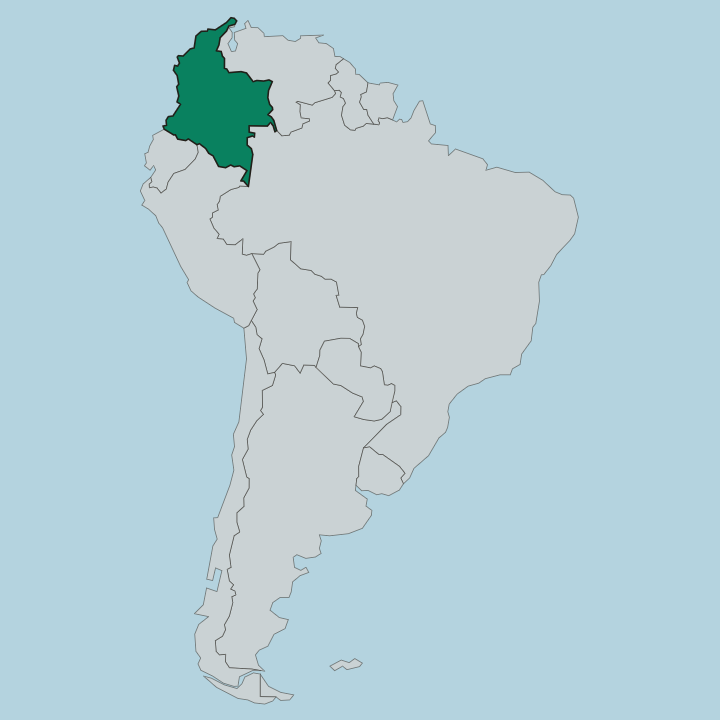
Colombia · Departamento de Cundinamarca
Where to Stay in Soacha, Departamento de Cundinamarca
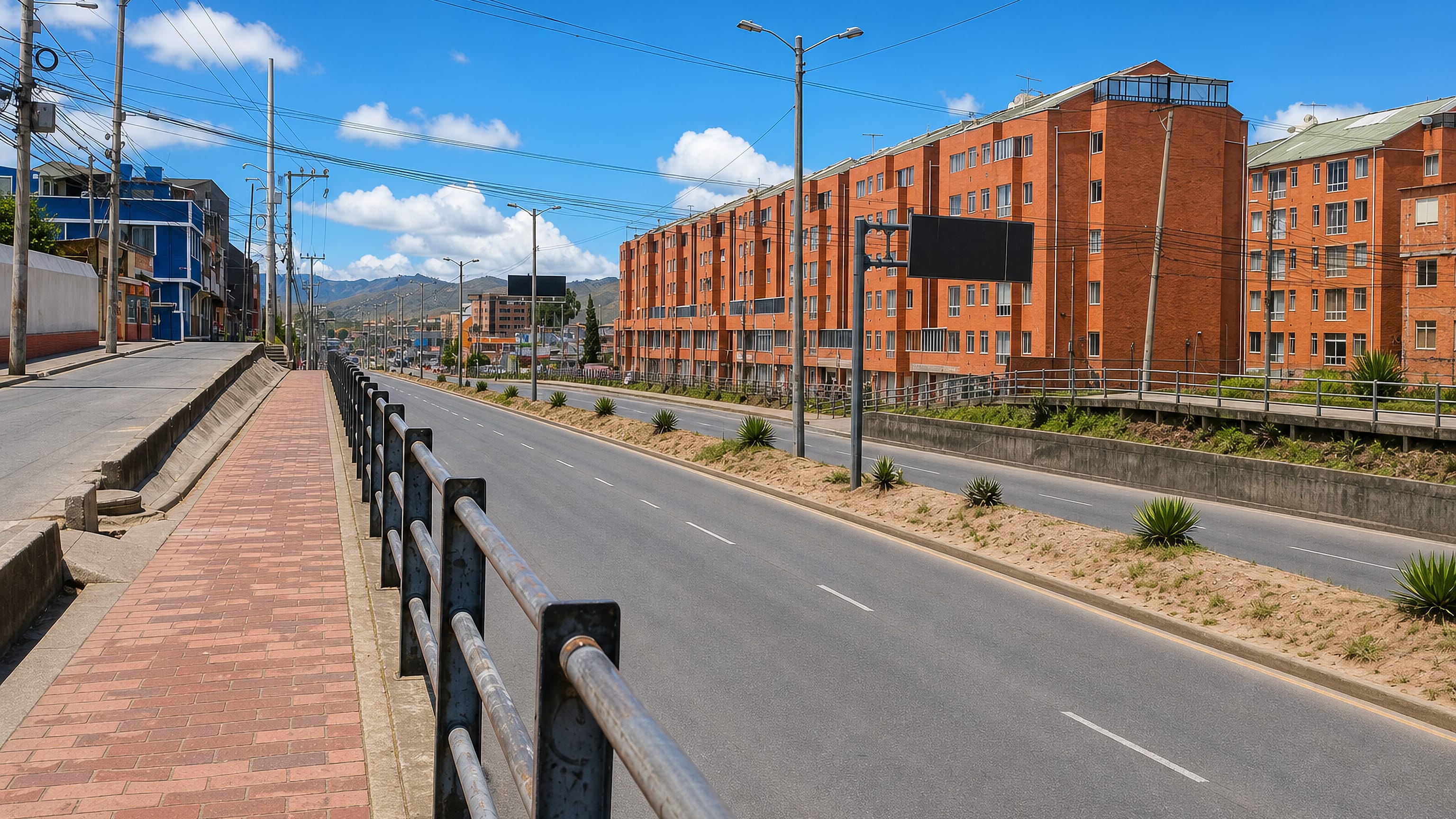
Soacha is an industrial municipality of Cundinamarca in the Metropolitan Area of Bogotá, with Aguazuque and the Archeological Museum of Soacha.
Hotel links are affiliate links: booking through them may earn us a commission, at no extra cost to you. It never affects how places are ranked. How this works


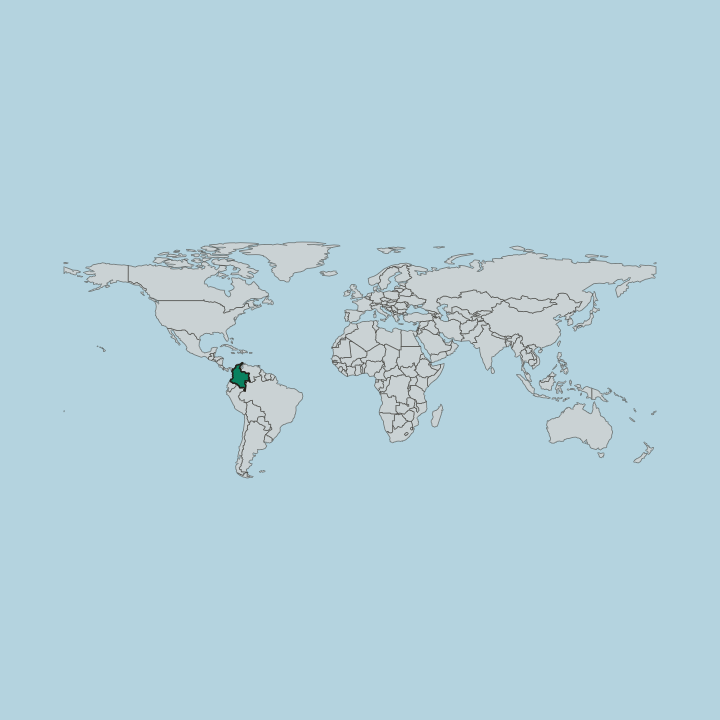
Where to stay in Soacha
Where the beds are, and what that means for the visit.
Bogotá begins where Soacha ends. The two run together inside the Metropolitan Area of Bogotá, so a room in Soacha is effectively a room on the edge of the capital, reached by the same roads and the same commuter traffic. That is the practical case.
Anyone whose business is the industrial zone, or who wants to be near the Archeological Museum of Soacha and Aguazuque without paying for a bed in Bogotá, has a straightforward reason to stay on this side of the boundary. The stations mark the alternatives. Estación del Ferrocarril Soacha sits closest to the centre, while the Estación del Ferrocarril Alicachín, the Estación del Ferrocarril Charquito and Chusacá Railway Station lie out towards the municipality's other edges, and a bed near any of them means quiet and a longer trip in.
Neighbours ring it on every side. Sibaté and Pasca lie to the south, Granada and San Antonio del Tequendama to the west, and any of them will take an overnight when Soacha and Bogotá are both full. You want Soacha for the industrial errand or the archaeology, and Bogotá for everything a capital does better.
Find hotels in Soacha
Direct booking searches for these neighbourhoods.
Central Soacha
The middle of Soacha, nearest both the Archeological Museum of Soacha and the Estación del Ferrocarril SoachaFind hotels in Central SoachaQuiet nights out towards Aguazuque and the Estación del Ferrocarril CharquitoThe Alicachín and Charquito edge
The outer municipality around the Estación del Ferrocarril Alicachín and the Estación del Ferrocarril Charquito, well clear of the industrial belt. Rooms are few around here — worth securing early.Find hotels in The Alicachín and Charquito edgeVisitors who want the capital's range and treat Soacha as a half-dayAcross the line in Bogotá
A room over the boundary in Bogotá, which the Metropolitan Area of Bogotá makes a local trip from SoachaFind hotels in Across the line in BogotáHotel links are affiliate links: booking through them may earn us a commission, at no extra cost to you. It never affects how places are ranked. How this works
Things to do in Soacha
Ranked by global recognition; descriptions from Wikidata (CC0).
Museums & Galleries
1- Archeological Museum of Soacha
Castles & Historic Sites
5- Varón del Sol Heritage
- Chusacá Railway Station Heritage
- Estación del Ferrocarril Alicachín Heritage
- Estación del Ferrocarril Charquito Heritage
- Estación del Ferrocarril Soacha Heritage
worth knowingacross 2 categories in Soacha
About Soacha
An industrial zone anchors the municipality.
What is Soacha known for?
Soacha carries an important industrial belt and a largely working-class character, which sets it apart from the weekend towns elsewhere in Cundinamarca and explains why it grew into the Metropolitan Area of Bogotá rather than beside it. Aguazuque changes the picture. The site, together with the Archeological Museum of Soacha, gives the municipality a record that reaches far past its founding year of 1600, and Tequendama and Varón del Sol add two more names to the same list.
Four railway stations complete it.
What are the main landmarks in Soacha?
Aguazuque heads the list. The archaeological site gives Soacha a record older than its municipal founding, and the Archeological Museum of Soacha carries the same subject indoors. Tequendama and Varón del Sol follow.
Four stations close the list: Estación del Ferrocarril Soacha, Estación del Ferrocarril Alicachín, Estación del Ferrocarril Charquito and Chusacá Railway Station, all of them left by the line that ran through this part of Cundinamarca.
What is the history of Soacha?
Aguazuque predates the town by a long way. The site records people on this ground long before the founding year of 1600, and the Archeological Museum of Soacha exists to hold what that ground produced. Then the municipality was founded. 1600 is the date the record carries, and for most of the centuries after it Soacha was a place in Cundinamarca rather than an extension of Bogotá, bounded by Bojacá, Mosquera, Sibaté and Pasca.
The railway came through in force. Estación del Ferrocarril Soacha, the Estación del Ferrocarril Alicachín, the Estación del Ferrocarril Charquito and Chusacá Railway Station are four stops on the same municipality's ground. The industrial zone grew up afterwards, and it turned Soacha into a working municipality tied to Bogotá by employment as much as by distance.
Absorption did the rest. Membership of the Metropolitan Area of Bogotá came next, and it puts Soacha in the odd position of being an autonomous municipality of Cundinamarca that reads on the ground as a district of the capital. Granada and San Antonio del Tequendama mark the western boundary, and Tequendama gives the same name to one of the municipality's own sites.
Where is Soacha?
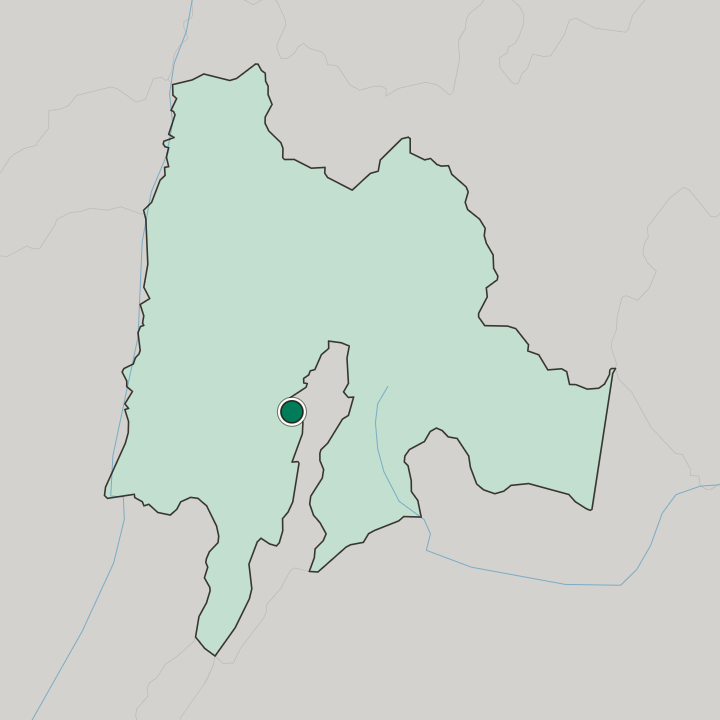
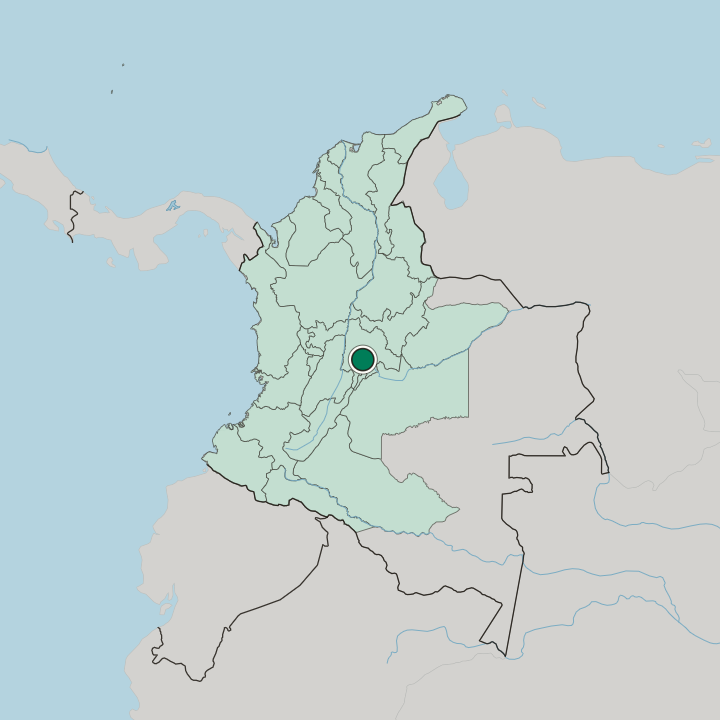
The boundary does a lot of work here. Bojacá and Mosquera lie to the north, Sibaté and Pasca to the south, the capital Bogotá to the east, and Granada with San Antonio del Tequendama to the west, which leaves the municipality hemmed in on every side. Its climate band is a tropical one.
Soacha lies in the northern hemisphere, and its ground covers a moderate spread of Cundinamarca that runs from the industrial belt out to the Estación del Ferrocarril Alicachín and the Estación del Ferrocarril Charquito.
What is the climate of Soacha?
Bogotá's weather is Soacha's weather. The two share a boundary, so nothing separates them in that respect, and a day that works in the capital works here as well. The tropical band rules out a real winter.
What changes through the year is how much rain falls on the commute, which matters for an outdoor visit to Aguazuque or a walk out to the Estación del Ferrocarril Charquito, and not at all for the Archeological Museum of Soacha.
How do you get to Soacha?
Arrival is a city journey, not a country one. Soacha adjoins Bogotá to the east, which makes the trip in a matter of crossing the boundary of the Metropolitan Area of Bogotá rather than travelling out into Cundinamarca. Four stations record the older way.
Estación del Ferrocarril Soacha, the Estación del Ferrocarril Alicachín, the Estación del Ferrocarril Charquito and Chusacá Railway Station name the line that once served this ground, and their positions still describe how the municipality is laid out. Sibaté, Mosquera and Bojacá are all short hops from the same roads.
Common questions
What is the best area to stay in Soacha?
Central Soacha: Industrial-zone business with the Archeological Museum of Soacha nearby. The Alicachín and Charquito edge: Quiet nights out towards Aguazuque and the Estación del Ferrocarril Charquito. Across the line in Bogotá: Visitors who want the capital's range and treat Soacha as a half-day.
Good for
More cities in Departamento de Cundinamarca
Updated October 2026