Colombia · Departamento de Cundinamarca
Where to Stay in Zipaquirá, Departamento de Cundinamarca
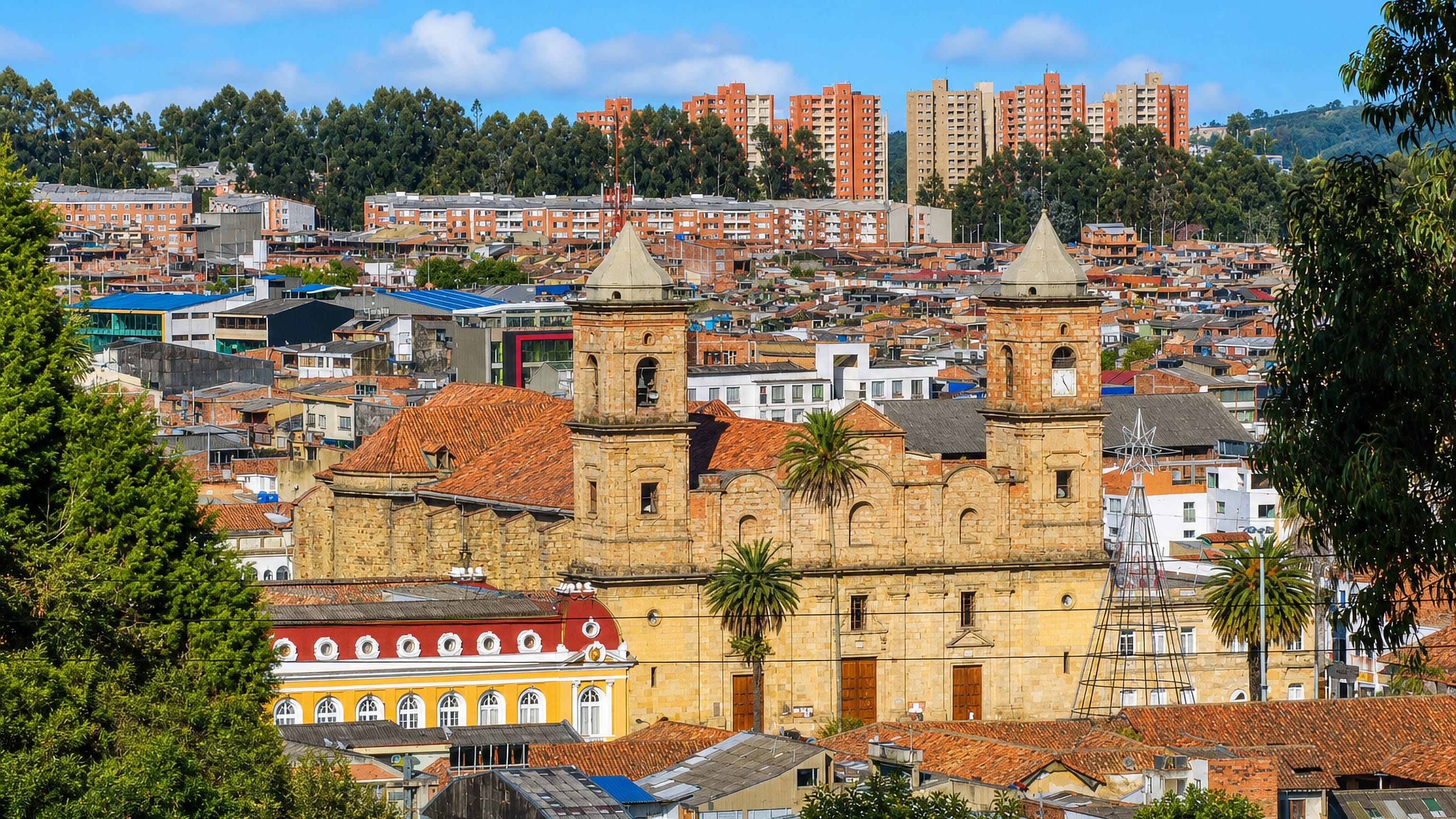
Zipaquirá, an hour north of Bogotá in Cundinamarca, is Colombia's salt mining capital and holds the Salt Cathedral of Zipaquirá.
Hotel links are affiliate links: booking through them may earn us a commission, at no extra cost to you. It never affects how places are ranked. How this works


Where to stay in Zipaquirá
The practical side of choosing where to sleep.
The Salt Cathedral of Zipaquirá sets the timetable. Most people come for a day from Bogotá, an hour up the road, which leaves the town quiet in the evening and makes a night here a different proposition from the day-trip version of the same town. Stay in the old streets.
Centro Urbano de Zipaquirá is the colonial core, with the Cathedral of the Most Holy Trinity, Zipaquirá on it and the Casa Museo Quevedo Zornoza a short walk away, and a room there puts everything except the mine within reach on foot. The stations are the other pattern. Estación del Ferrocarril Zipaquirá stands in the town, while the Estación del Ferrocarril Betania and the Estación del Ferrocarril Mortiño mark points further out, and beds around them are fewer and plainer than in the centre.
Neighbouring towns take the overflow. Cogua and Nemocón sit to the north, Cajicá and Sopó to the south, and any of them will do for a night when Zipaquirá is booked out for a weekend at the Coliseo Arena de Sal. You are better off in the old core than at the stations, unless the point of the trip is the walk out to Estación del Ferrocarril Mortiño.
Find hotels in Zipaquirá
Direct booking searches for these neighbourhoods.
Centro Urbano de Zipaquirá
The old streets of the Centro Urbano de Zipaquirá, with the Cathedral of the Most Holy Trinity, Zipaquirá and the Casa Museo Quevedo Zornoza both on footFind hotels in Centro Urbano de ZipaquiráRail arrivals wanting an early start undergroundThe Estación del Ferrocarril Zipaquirá quarter
The station ground at the Estación del Ferrocarril Zipaquirá, a plainer alternative to the Centro Urbano de ZipaquiráFind hotels in The Estación del Ferrocarril Zipaquirá quarterOverflow nights when a Coliseo Arena de Sal weekend fills the townCogua and Nemocón
The neighbouring municipalities of Cogua and Nemocón, a short run from the Salt Cathedral of Zipaquirá. Beds are limited here, so book early.Find hotels in Cogua and NemocónHotel links are affiliate links: booking through them may earn us a commission, at no extra cost to you. It never affects how places are ranked. How this works
Things to do in Zipaquirá
Ranked by global recognition; descriptions from Wikidata (CC0).
Museums & Galleries
1- Casa Museo Quevedo Zornoza
Churches & Religious Sites
2- Salt Cathedral of Zipaquirá
- Cathedral of the Most Holy Trinity, Zipaquirá
Castles & Historic Sites
5- Centro Urbano de Zipaquirá Heritage
- Estación del Ferrocarril Zipaquirá Heritage
- Estación del Ferrocarril Betania Heritage
- Estación del Ferrocarril Mortiño Heritage
- Zona Arqueológica de Zipaquirá Heritage
Stadiums & Sports
1- Coliseo Arena de Sal
worth knowingacross 4 categories in Zipaquirá
About Zipaquirá
Salt made the town.
What is Zipaquirá known for?
The Salt Cathedral of Zipaquirá was cut almost entirely from salt inside a defunct mine, and it is the reason most visitors make the hour's trip north from Bogotá at all. Mining gave the municipality its title as Colombia's salt capital, and the Coliseo Arena de Sal carries the same word into the name of an arena. The colonial core survives.
Centro Urbano de Zipaquirá and the Cathedral of the Most Holy Trinity, Zipaquirá hold the older streets, while El Abra and the Zona Arqueológica de Zipaquirá reach back past anything colonial.
What are the main landmarks in Zipaquirá?
One landmark outranks the rest. Salt Cathedral of Zipaquirá occupies a defunct mine and is carved almost entirely from salt, which is why it carries the town's name well beyond Cundinamarca. El Abra and the Zona Arqueológica de Zipaquirá cover the archaeology, the Cathedral of the Most Holy Trinity, Zipaquirá and the Centro Urbano de Zipaquirá the colonial town, and the Casa Museo Quevedo Zornoza a single house.
Three stations and an arena finish it: Estación del Ferrocarril Zipaquirá, Estación del Ferrocarril Betania, Estación del Ferrocarril Mortiño and the Coliseo Arena de Sal.
What is the history of Zipaquirá?
El Abra reaches back furthest. The site, with the Zona Arqueológica de Zipaquirá, records occupation of this ground long before the municipal date of 1600. 1600 marks the colonial founding, and the Centro Urbano de Zipaquirá together with the Cathedral of the Most Holy Trinity, Zipaquirá is what that period left standing in the middle of the town. Salt runs through all of it.
Colombia's salt mining capital is the title the town carries, and the industry behind it left the worked-out mine that became the Salt Cathedral of Zipaquirá. The railway arrived later. Estación del Ferrocarril Zipaquirá, the Estación del Ferrocarril Betania and the Estación del Ferrocarril Mortiño are three stops from the line that connected this part of Cundinamarca to Bogotá, an hour away.
A single house keeps the domestic side of that century, the Casa Museo Quevedo Zornoza, now a museum rather than a home. Tourism came with the cathedral. Once the defunct mine was rebuilt as a cathedral, Zipaquirá became a day trip from Bogotá rather than a working salt town alone, and the Coliseo Arena de Sal belongs to that later, visitor-facing period.
Cogua, Nemocón, Tabio and Subachoque have shared the same corner of Cundinamarca throughout.
Where is Zipaquirá?
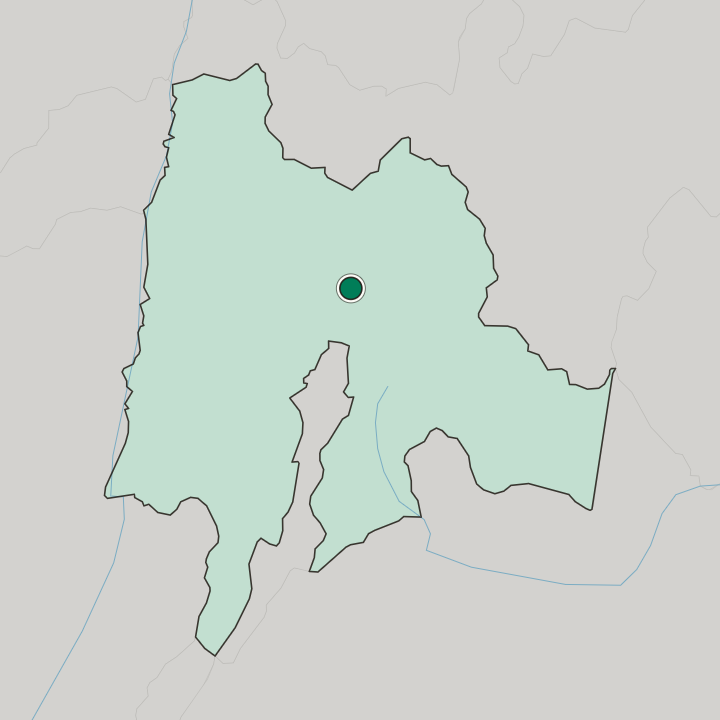
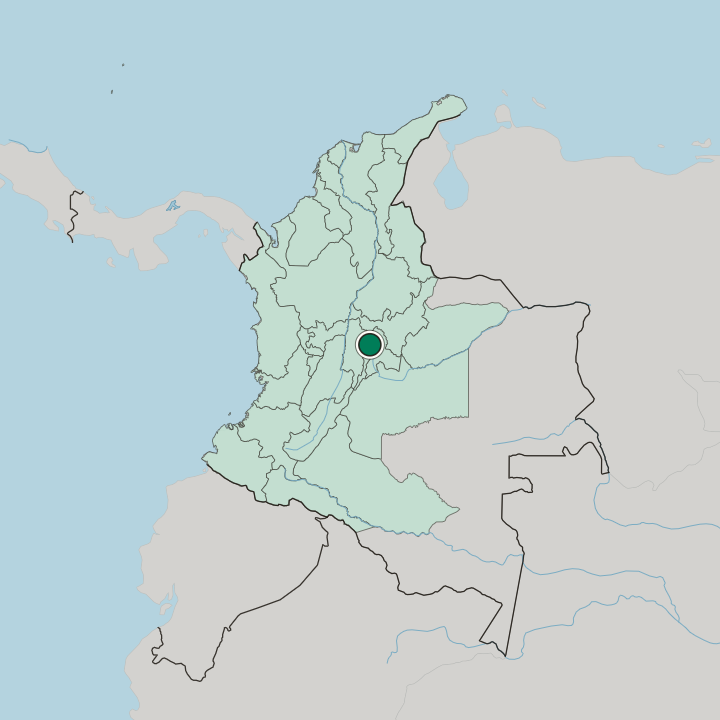
Nine municipalities share the boundary. Cogua and Nemocón lie to the north, Tabio, Cajicá and Sopó to the south, Tocancipá and Gachancipá to the east, and Pacho with Subachoque to the west. Bogotá is an hour away.
The municipality sits in the northern hemisphere inside the tropical band, and its ground stretches from the Centro Urbano de Zipaquirá out to the Estación del Ferrocarril Mortiño and the Estación del Ferrocarril Betania.
What is the climate of Zipaquirá?
The mine does not notice the weather. Inside the Salt Cathedral of Zipaquirá the weather is irrelevant, which makes it the one attraction here that a wet afternoon cannot spoil. Above ground the tropical band applies, and a visit turns on rainfall rather than on any change of season.
Walking the Centro Urbano de Zipaquirá is the part that wants a dry hour. Bogotá sends its visitors regardless.
How do you get to Zipaquirá?
An hour of road from Bogotá. That is the standard approach, and it makes Zipaquirá a straightforward day trip rather than an expedition into Cundinamarca. Rail is the other half of the story, since Estación del Ferrocarril Zipaquirá stands in the town while the Estación del Ferrocarril Betania and the Estación del Ferrocarril Mortiño sit further out on the same line.
Cajicá and Tocancipá are on the way. Nemocón and Cogua feed the same roads from the north.
Common questions
What is the best area to stay in Zipaquirá?
Centro Urbano de Zipaquirá: Evenings in the colonial core after the Salt Cathedral crowds have gone. The Estación del Ferrocarril Zipaquirá quarter: Rail arrivals wanting an early start underground. Cogua and Nemocón: Overflow nights when a Coliseo Arena de Sal weekend fills the town.
Good for
More cities in Departamento de Cundinamarca
Updated October 2026