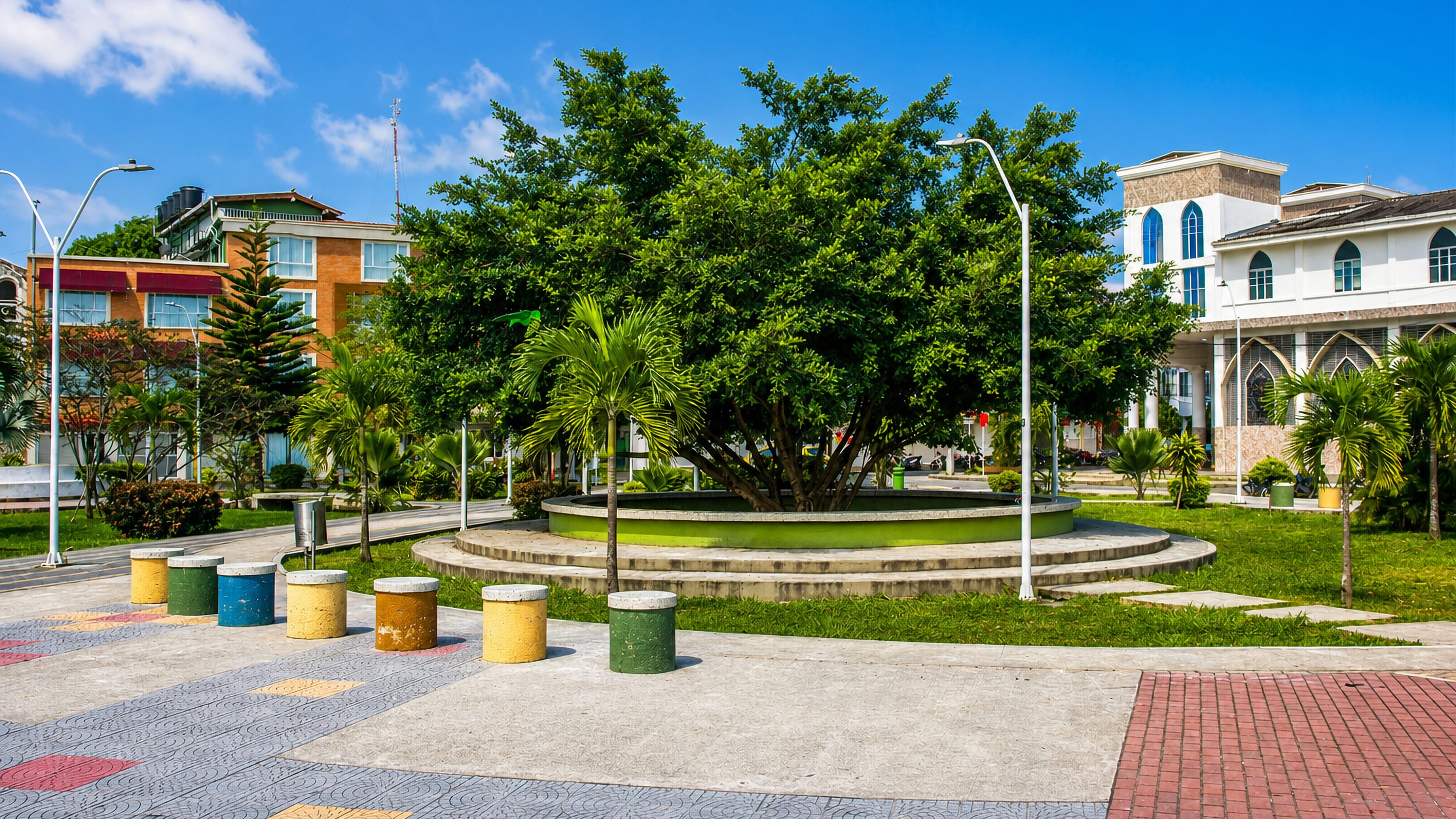
Colombia · Departamento de Nariño
Where to Stay in Tumaco, Departamento de Nariño
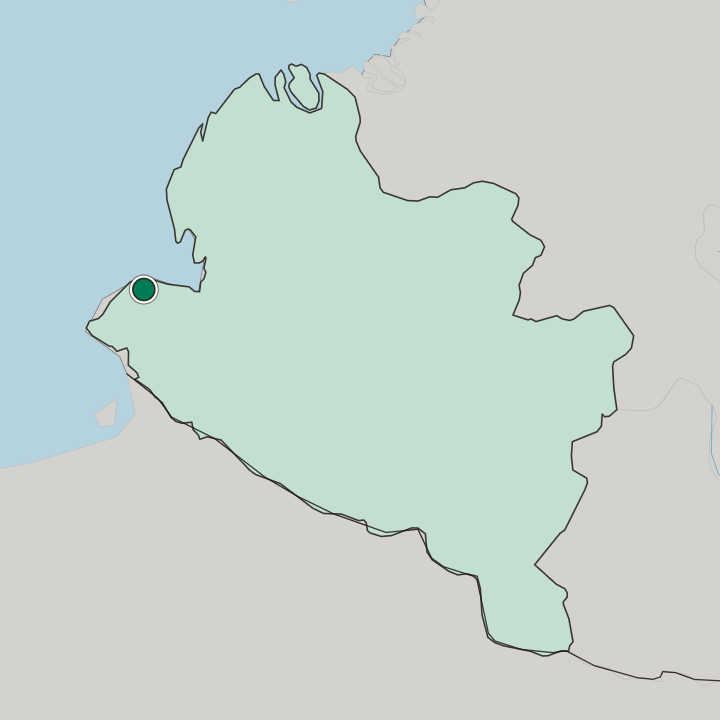
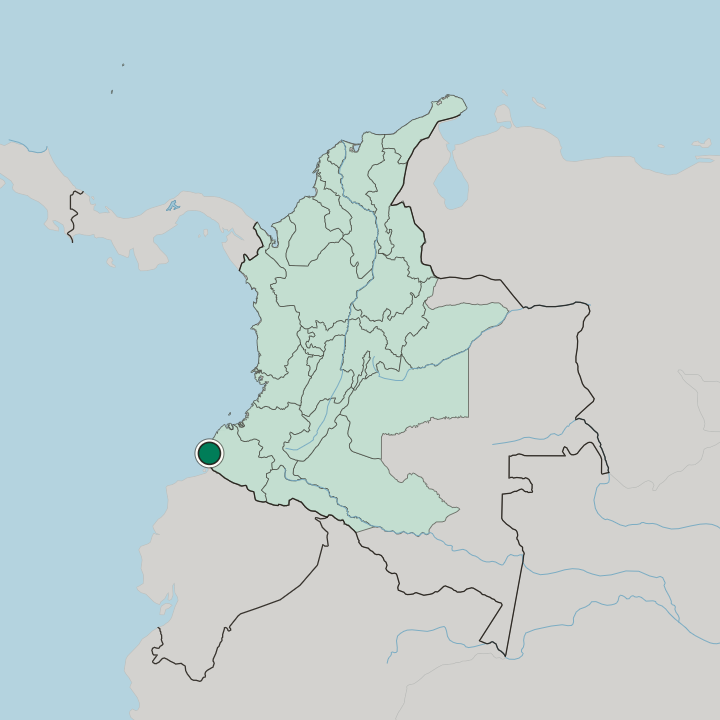
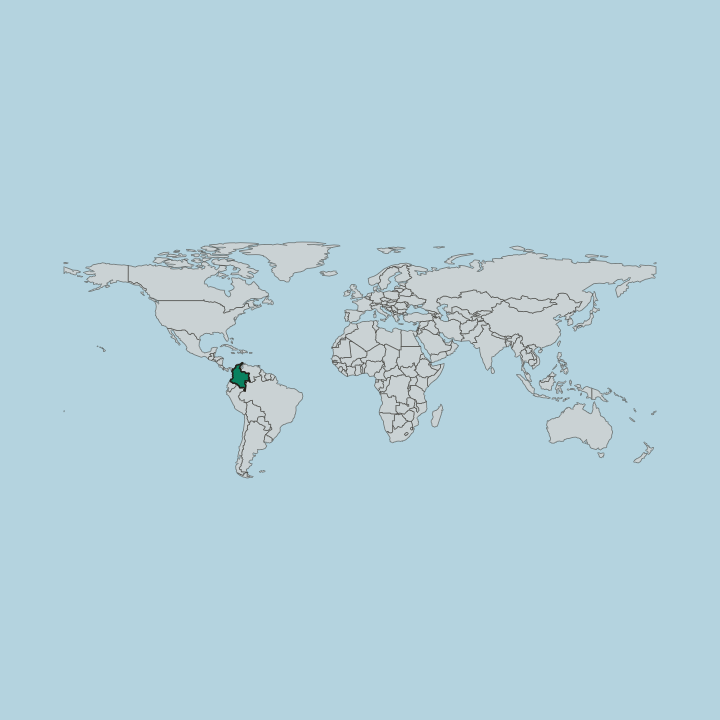
Tumaco is a Pacific port city and municipality of Nariño, Colombia, founded in 1640, close to the border with Ecuador.
Hotel links are affiliate links: booking through them may earn us a commission, at no extra cost to you. It never affects how places are ranked. How this works


Where to stay in Tumaco
The practical side of choosing where to sleep.
The built-up city is compact. Rooms cluster near the port and the streets around the Casa de la Memoria de la Costa Pacífica Nariñense, which is where a first visit to Tumaco naturally begins, and staying there keeps the working waterfront within a walk. Those port blocks are the workable base.
Everything the city offers a visitor sits in that same part of town, and the Pacific Ocean is never more than a few streets away from any of it. The Casa de la Memoria de la Costa Pacífica Nariñense is the one fixed appointment in that walk. The municipality is much larger.
Its territory covers a long stretch of the Costa Pacífica Nariñense, and beds outside the built-up city are few, so a stay out along that shore needs planning rather than an evening's improvisation. Travellers heading on towards Ecuador use the city as a stopping point, and a night near the road out of Nariño saves an early start on a long drive. Wet months change what a room needs to offer, and shelter from rain matters more here than a view of the Pacific Ocean.
Find hotels in Tumaco
Direct booking searches for these neighbourhoods.
The port streets
Beside the working port, with the memory house and the waterfront inside one walkFind hotels in The port streetsLonger coastal trips beyond the built-up cityAlong the Costa Pacífica Nariñense
Scattered rooms on the Nariño shore, far from the port and thin on the ground. Beds are limited here, so book early.Find hotels in Along the Costa Pacífica NariñenseOvernight stops before the drive on towards EcuadorThe road out of Nariño
Near the highway that leaves Tumaco for the interior of the department. Beds are limited here, so book early.Find hotels in The road out of NariñoHotel links are affiliate links: booking through them may earn us a commission, at no extra cost to you. It never affects how places are ranked. How this works
About Tumaco
Tumaco works as a port.
What is Tumaco known for?
The Pacific Ocean reaches the city directly, and the Casa de la Memoria de la Costa Pacífica Nariñense sets out the story of the coast that the municipality belongs to. Afro-descendant families make up most of the city, with Indigenous communities alongside them. Ecuador is close.
The border and the ocean together explain most of what passes through Tumaco, from goods to people, and the municipality covers a long stretch of that coast.
What are the main landmarks in Tumaco?
One institution carries the city's heritage. The Casa de la Memoria de la Costa Pacífica Nariñense is the single listed site of Tumaco, and it keeps the record of the Costa Pacífica Nariñense rather than of the town alone. The Pacific Ocean and the port supply the rest of what there is to see.
Beyond that, the attraction is the coast, and most of the municipality's shore lies outside the built-up city.
What is the history of Tumaco?
Tumaco dates from 1640. A port on the Pacific Ocean with that founding year has watched a long stretch of the coast's history, and the municipality that grew around it covers a wide part of the Nariño shore. Its people are mainly Afro-descendant, with Indigenous communities among them, and that composition is the central fact of the city's past and its present.
Colombia's Pacific coast has a history of its own, distinct from the interior, and Tumaco belongs to that coastal story. Memory has an address here. The Casa de la Memoria de la Costa Pacífica Nariñense gathers what the Costa Pacífica Nariñense has to remember, and an institution of that kind exists because the coast has a past worth setting down in one place.
Trade came in by water. A port is a place of arrivals, and Tumaco has taken in goods, boats and people from the Pacific Ocean and from the border country near Ecuador for as long as it has existed. Nariño counts Tumaco among its municipalities, and the city's ties run along the coast as much as they run inland.
Where is Tumaco?
The ocean is the boundary. Tumaco lies on the Pacific Ocean, on the stretch of the Nariño coast nearest the border with Ecuador, and the municipality covers a wide area of that shore rather than a single town site. Its ground sits a short way north of the equator.
The Costa Pacífica Nariñense is the coastal region it belongs to, and the Casa de la Memoria de la Costa Pacífica Nariñense takes its name from that same shore.
What is the climate of Tumaco?
The Pacific keeps it hot. The climate here is hot and tropical, and the ocean at the door keeps the air heavy through the year, so the difference between one month and another shows up as rain. Nothing about the year here resembles a temperate calendar, and the wet months on this part of the Nariño coast do more to shape a visit than any change of temperature.
How do you get to Tumaco?
The port is the old way in. Tumaco is reached from the rest of Nariño by road, and the Pacific Ocean brings the traffic that arrives at the port itself. Ecuador lies close by, and the border adds its own movement of people and goods to whatever the port and the road already carry.
Distances on this coast are long.
Common questions
What is the best area to stay in Tumaco?
The port streets: First visits built around the Casa de la Memoria de la Costa Pacífica Nariñense. Along the Costa Pacífica Nariñense: Longer coastal trips beyond the built-up city. The road out of Nariño: Overnight stops before the drive on towards Ecuador.
More cities in Departamento de Nariño
Updated September 2026