Colombia · Departamento de Nariño
Where to Stay in Pasto, Departamento de Nariño
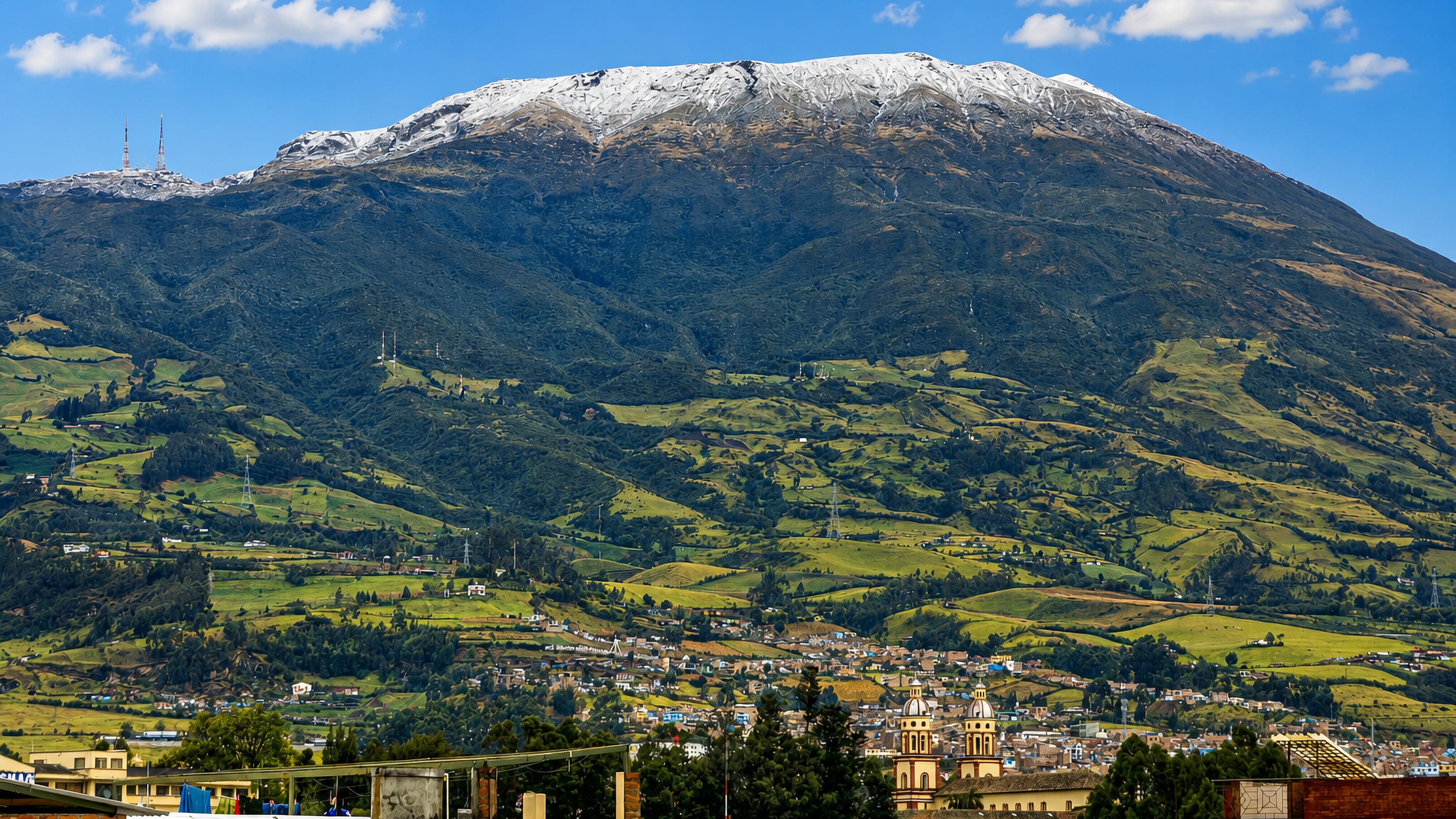
The capital of Nariño, Pasto lies in the Atriz Valley under the Galeras volcano, with museums of the Carnaval de Negros y Blancos and colonial churches.
Hotel links are affiliate links: booking through them may earn us a commission, at no extra cost to you. It never affects how places are ranked. How this works


Where to stay in Pasto
Where the beds are, and what that means for the visit.
The centre holds the museums. A room in the middle of Pasto puts the Museo del Carnaval de Negros y Blancos, the Museo Rosero and the Capilla de la Visitación within walking reach, which matters in a city whose attractions are indoors and scattered across the old streets. The Carnaval de Negros y Blancos changes that arithmetic, and beds anywhere in the Atriz Valley go early when the city fills for it.
Departmental business brings its own weekday demand to Pasto. Beyond the centre the valley opens. Rooms out towards the foot of Galeras trade the museum doors for quiet and parking, and they suit anyone arriving late over the cordillera or leaving early for the rest of Nariño.
The Monasterio de la Inmaculada Concepción and the Museo Alfonso Zambrano Payán stay within reach either way, since the built-up part of the Atriz Valley is not large. Galeras is visible from most of the valley floor. That view is part of what a stay in Pasto offers, and the choice between centre and valley edge is really a choice between walking and driving.
Find hotels in Pasto
Direct booking searches for these neighbourhoods.
The museum streets
Central Pasto, where the Museo del Carnaval de Negros y Blancos and the old churches stand minutes apartFind hotels in The museum streetsLate arrivals over the cordillera into the Atriz ValleyTowards Galeras
Quieter ground below the Galeras volcano, with parking and an early road out of Nariño. Lodging is scarce in this area; reserve in advance.Find hotels in Towards GalerasStays pairing the monastery with the Museo Alfonso Zambrano PayánAround the Monasterio de la Inmaculada Concepción
Older blocks by the Monasterio de la Inmaculada Concepción, calmer than the museum coreFind hotels in Around the Monasterio de la Inmaculada ConcepciónHotel links are affiliate links: booking through them may earn us a commission, at no extra cost to you. It never affects how places are ranked. How this works
Things to do in Pasto
Ranked by global recognition; descriptions from Wikidata (CC0).
Museums & Galleries
3- Museo del Carnaval de Negros y Blancos
- Museo Alfonso Zambrano Payán
- Museo Juan Lorenzo Lucero
Churches & Religious Sites
2- Capilla de la Visitación
- Monasterio de la Inmaculada Concepción
worth knowingacross 2 categories in Pasto
About Pasto
The carnival gives the city its name abroad.
What is Pasto known for?
The Museo del Carnaval de Negros y Blancos holds the material of the Carnaval de Negros y Blancos, and the Museo Alfonso Zambrano Payán, the Museo Rosero and the Museo Juan Lorenzo Lucero add collections of their own. Galeras stands over all of it. Church building left the Monasterio de la Inmaculada Concepción and the Capilla de la Visitación, both still part of the working city.
What are the main landmarks in Pasto?
Museums outnumber monuments in Pasto. The Museo del Carnaval de Negros y Blancos is the one visitors look for, and the Museo Alfonso Zambrano Payán, the Museo Rosero, the Museo Juan Lorenzo Lucero and the Museo Madre Caridad Brader Zahner make up the rest of a dense list. Two church buildings stand apart from them: the Monasterio de la Inmaculada Concepción and the Capilla de la Visitación.
What is the history of Pasto?
Pasto was founded in the fifteen-thirties. The name came from the Indigenous people of the area, and the city that grew in the Atriz Valley has carried it ever since, alongside the fuller form San Juan de Pasto used on official papers. Records differ on the exact year.
Religious houses left their mark, and the Monasterio de la Inmaculada Concepción and the Capilla de la Visitación both stand among the older buildings of the Atriz Valley. The department of Nariño made Pasto its capital. Memory here is kept in houses.
The Museo Juan Lorenzo Lucero, the Museo Madre Caridad Brader Zahner and the Museo Alfonso Zambrano Payán each carry a person's name, and the Museo Rosero adds a family's, so the city's past is filed under the people who made it. The Carnaval de Negros y Blancos is the inheritance the whole city shares, a festival with a museum of its own in the Museo del Carnaval de Negros y Blancos. Galeras has watched all of it.
The volcano stands over the Atriz Valley through every century the museums record, and Pasto has built its life at the foot of it without moving away.
Where is Pasto?
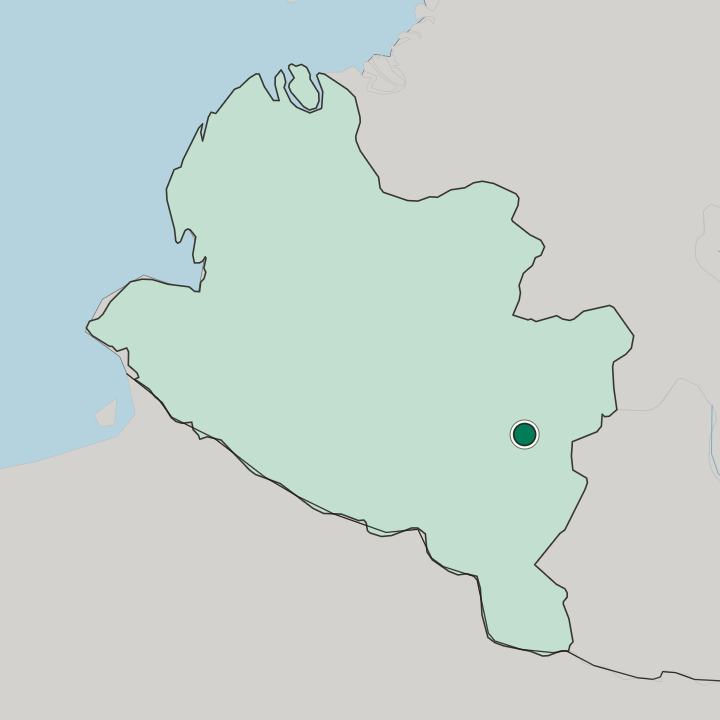
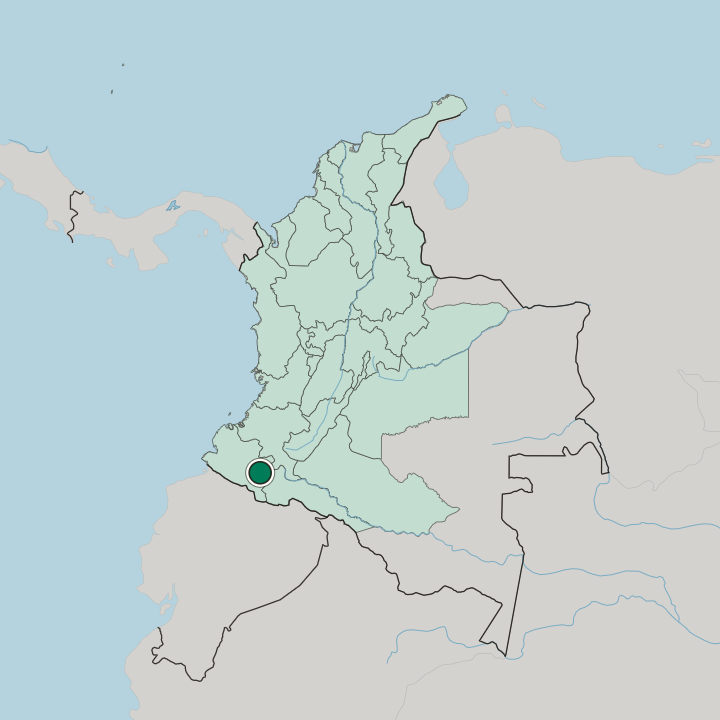
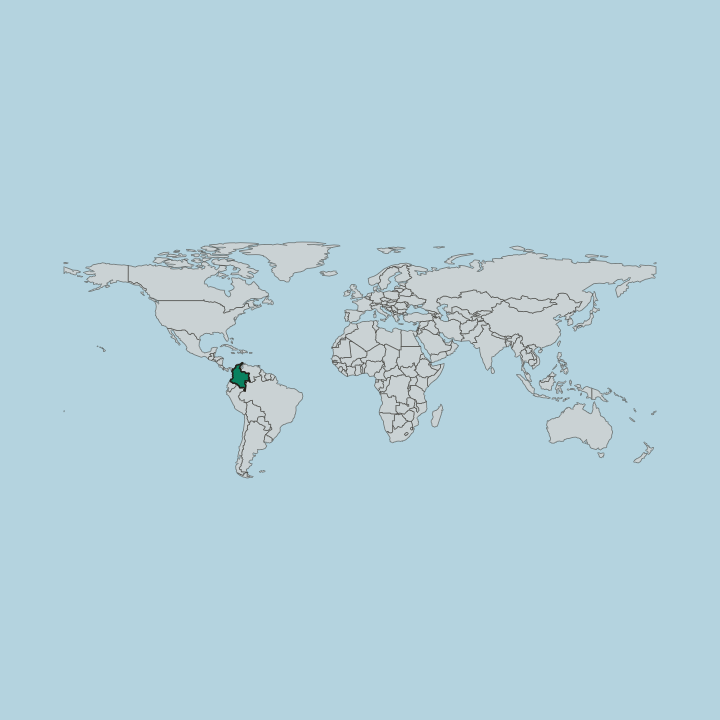
Pasto occupies the Atriz Valley. The valley belongs to the Andes cordillera, and Pasto stands at the foot of the Galeras volcano, so the skyline is a mountain rather than a horizon. Nariño spreads around it, and the department's towns look to this valley floor.
What is the climate of Pasto?
Galeras sets the weather. Pasto sits on the Andes cordillera, so the tropical band it belongs to arrives as mountain weather rather than as lowland heat. Cloud gathers on the Galeras volcano, and the year at this end of Nariño divides into wetter and drier spells instead of into named seasons.
How do you get to Pasto?
Everything arrives by mountain road. The Atriz Valley is reached over the Andes cordillera, so journeys into Pasto climb and descend whichever way they come, and the drive is a long one from anywhere outside Nariño. Galeras is the landmark that tells arrivals they are close.
Roads from across the department converge on the valley.
Common questions
What is the best area to stay in Pasto?
The museum streets: Days spent between the Museo Rosero and the Capilla de la Visitación. Towards Galeras: Late arrivals over the cordillera into the Atriz Valley. Around the Monasterio de la Inmaculada Concepción: Stays pairing the monastery with the Museo Alfonso Zambrano Payán.
Good for
More cities in Departamento de Nariño
Updated October 2026