Colombia · Departamento de Norte de Santander
Where to Stay in Cúcuta, Departamento de Norte de Santander
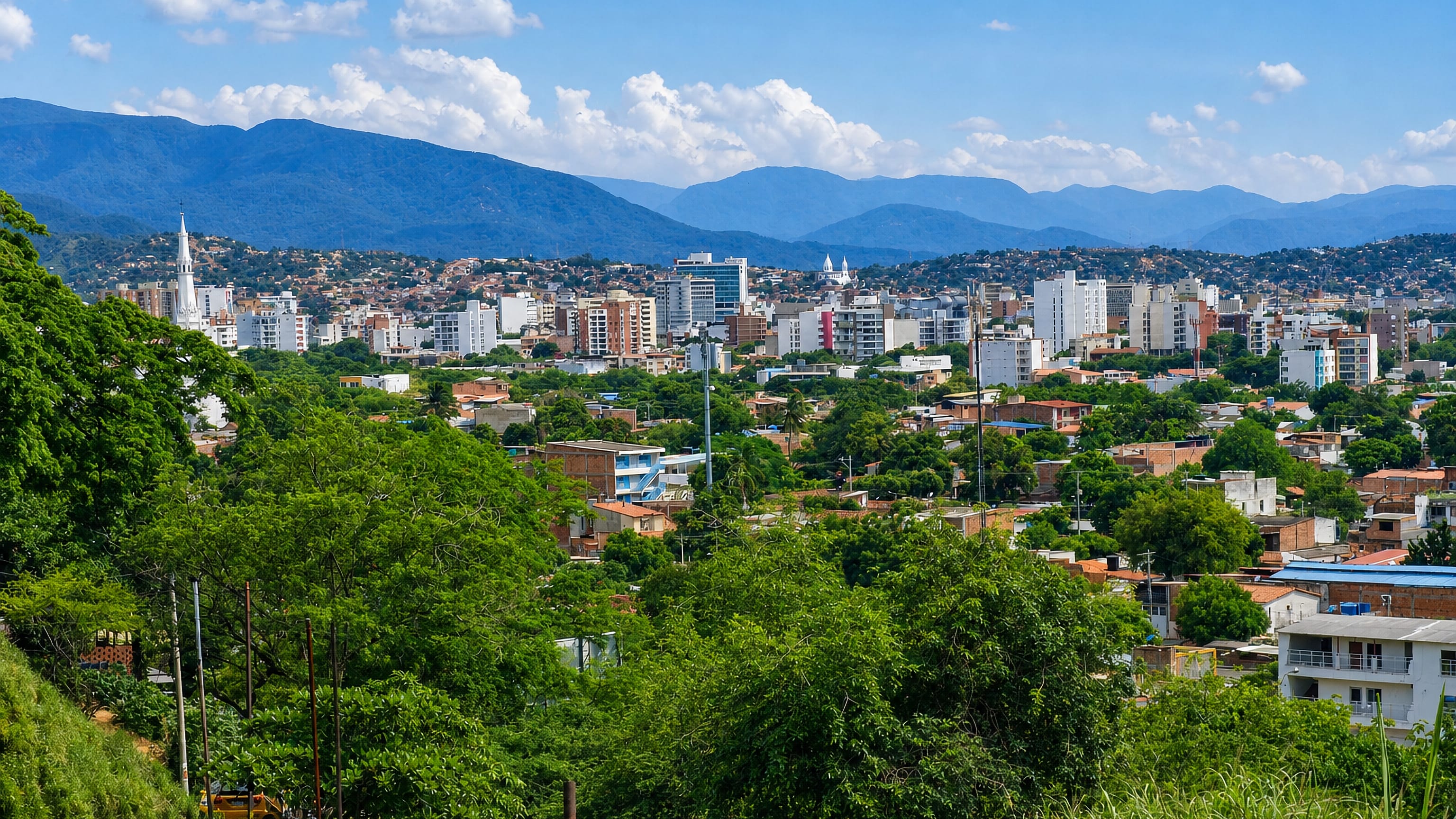
Cúcuta, officially San José de Cúcuta, is the capital of Norte de Santander, in its own valley under the Andes at the border with Venezuela.
Hotel links are affiliate links: booking through them may earn us a commission, at no extra cost to you. It never affects how places are ranked. How this works


Where to stay in Cúcuta
The practical side of choosing where to sleep.
Cúcuta's centre is where most stays belong. Rooms in the blocks around the Torre del Reloj and the Cathedral of Cúcuta put the department's institutions and the oldest streets within an easy walk, which suits a short visit built on the city itself. Norte de Santander runs its business from the Palacio de la Gobernación de Norte de Santander, so weekday demand concentrates in the same few streets.
Quinta Teresa is a short detour from them. Everything in that quarter is walkable, from the cathedral doors to the government offices, which is the practical case for staying central rather than driving in each morning. The valley gives the alternative.
Beyond the centre, the Metropolitan Area of Cúcuta spreads across the flat ground towards the border with Venezuela, and a room out there trades the walkable streets for parking, quiet and a quick start on the road. Anyone here for an event at the Coliseo Toto Hernández will want a bed within reach of it, and the Julio Pérez Ferrero Public Library gives the same part of the city a quieter daytime anchor. Beds thin out beyond the built-up valley floor.
Find hotels in Cúcuta
Direct booking searches for these neighbourhoods.
Around the Torre del Reloj
The clock-tower blocks hold the cathedral, the department offices and Quinta Teresa in one walkFind hotels in Around the Torre del RelojLonger stays splitting time between the library and the Coliseo Toto HernándezBy the Julio Pérez Ferrero Public Library
Quieter streets with the Coliseo Toto Hernández within reach for event nightsFind hotels in By the Julio Pérez Ferrero Public LibraryDrivers crossing to Venezuela or working across the Metropolitan Area of CúcutaThe valley beyond the centre
Parking and a fast exit where the Metropolitan Area of Cúcuta spreads over the valley floor. Rooms are few around here — worth securing early.Find hotels in The valley beyond the centreHotel links are affiliate links: booking through them may earn us a commission, at no extra cost to you. It never affects how places are ranked. How this works
Things to do in Cúcuta
Ranked by global recognition; descriptions from Wikidata (CC0).
Churches & Religious Sites
1- Cathedral of Cúcuta
Castles & Historic Sites
8- Palacio de la Gobernación de Norte de Santander Heritage
- Estación del Ferrocarril Agua Blanca Heritage
- Estación del Ferrocarril Aguaclara Heritage
- Estación del Ferrocarril Aloncito Heritage
- Estación del Ferrocarril Alto Viento Heritage
Show 3 more →
- Estación del Ferrocarril Carrillo Heritage
- Estación del Ferrocarril Cúcuta Heritage
- Estación del Ferrocarril Edén Heritage
Stadiums & Sports
1- Coliseo Toto Hernández
worth knowingacross 3 categories in Cúcuta
About Cúcuta
Trade crosses the border here.
What is Cúcuta known for?
The Torre del Reloj and the Cathedral of Cúcuta stand over the central blocks, and the Palacio de la Gobernación de Norte de Santander gives the department its seat of government. Readers use the Julio Pérez Ferrero Public Library. The Coliseo Toto Hernández draws crowds from across the Metropolitan Area of Cúcuta.
What are the main landmarks in Cúcuta?
The Torre del Reloj is the marker most people use. The Cathedral of Cúcuta gives the centre its other silhouette, and the Palacio de la Gobernación de Norte de Santander carries the department's offices behind a façade of its own. Quinta Teresa appears on the same inventory.
For everything else, the Julio Pérez Ferrero Public Library and the Coliseo Toto Hernández are where the city reads and where it gathers.
What is the history of Cúcuta?
The city dates from 1733. Its formal name, San José de Cúcuta, still appears on official documents, and the settlement grew on the valley floor beneath the Eastern Ranges, at the border Colombia shares with Venezuela. The department of Norte de Santander is governed from here, and the Palacio de la Gobernación de Norte de Santander gives that authority its address.
The Cathedral of Cúcuta and the Torre del Reloj anchor the older blocks. Cúcuta heads its own metropolitan area, and the towns of the valley have taken the city's name for the group they form. Rail came next.
A line out of the city left a chain of stations behind it, and the names survive at Aguaclara, Guayabal, El Salado, La Esperanza, and Oripaya, along with more than a dozen others in the valley. Pamplonita, Carrillo, Moros, and La Javilla appear on the same list, each a stop on the old line. The Estación del Ferrocarril Cúcuta carries the city's own name.
Quinta Teresa is counted among the city's landmarks. The Julio Pérez Ferrero Public Library and the Coliseo Toto Hernández serve the wider city, one for reading, the other for crowds.
Where is Cúcuta?
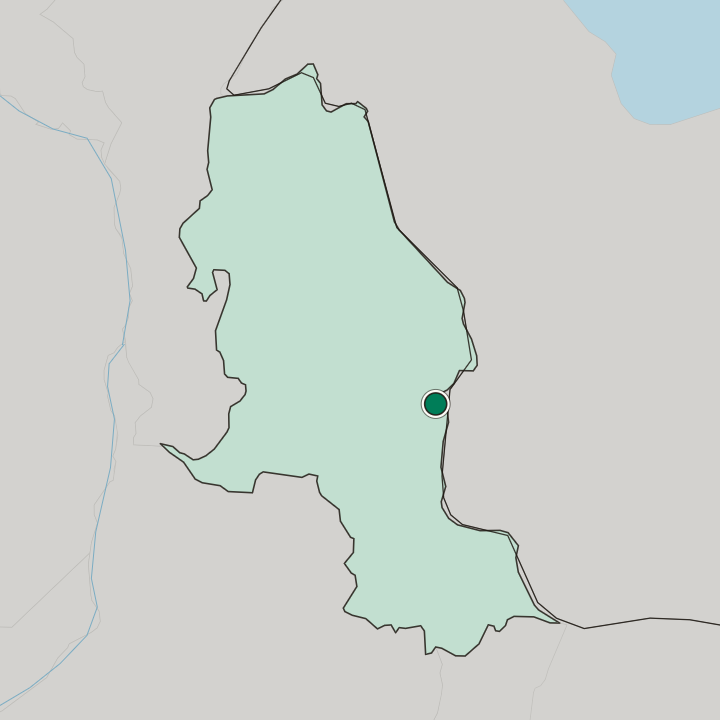
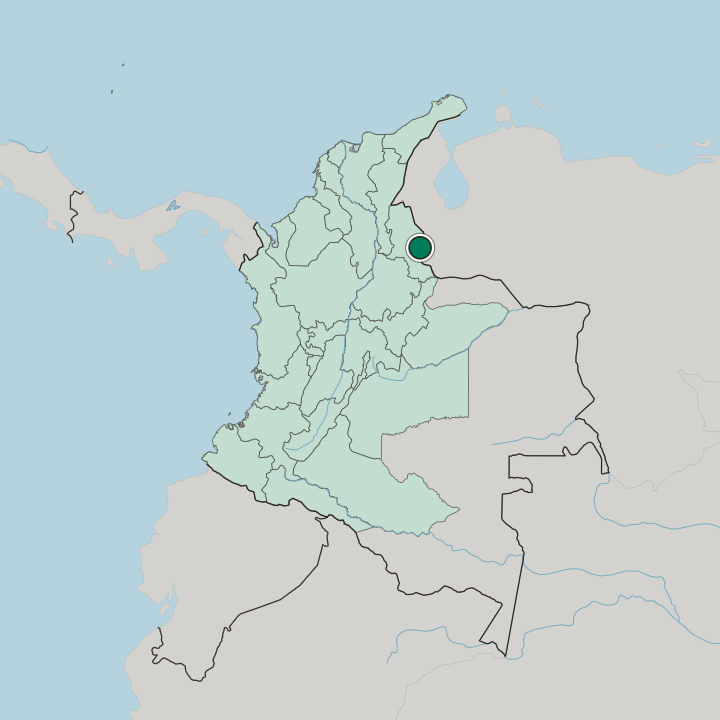
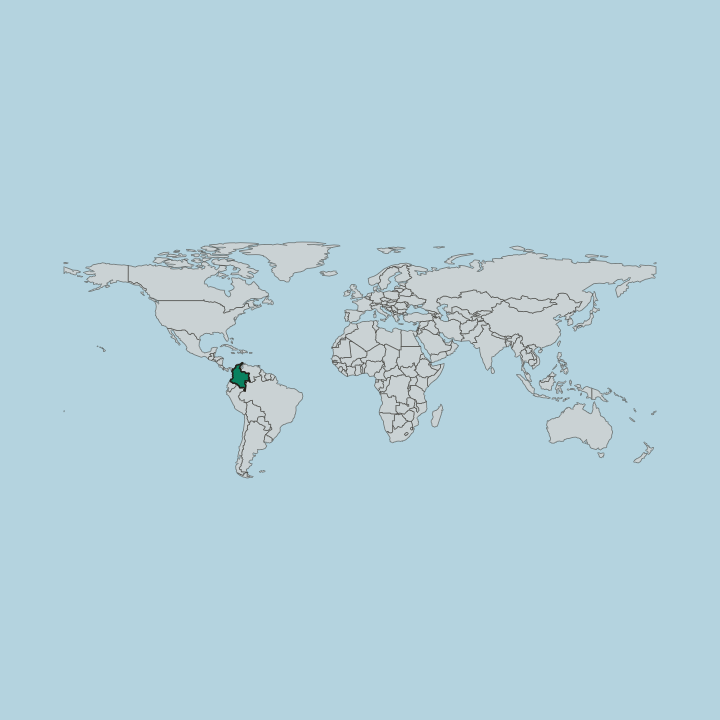
Cúcuta lies in the valley that carries its name, under the Eastern Ranges of the Andes, with the border with Venezuela running past the edge of the metropolitan area it heads. Norte de Santander spreads around it. The department's seat sits on the valley floor, and the ground beyond the built-up blocks climbs into the range behind it.
What is the climate of Cúcuta?
Warmth is the constant here. The city keeps to the tropical band, and its valley floor lies low enough that the cool air of the Eastern Ranges stays with the higher ground rather than with the streets of Cúcuta. Rain arrives with the seasons of the tropics rather than with a winter, and the year turns on wet and dry rather than on cold and warm.
How do you get to Cúcuta?
Most people who reach Cúcuta come overland. The valley is the corridor: roads follow it between Cúcuta and the rest of Norte de Santander, and the crossing into Venezuela lies at the city's own edge rather than a long drive away. Rail reached the valley once.
The stations at Alto Viento, La Jarra, Patillales, and Santa Maria are what remains of that network, scattered along the route the line took out of the city.
Common questions
What is the best area to stay in Cúcuta?
Around the Torre del Reloj: Short stays wanting the Cathedral of Cúcuta on the doorstep. By the Julio Pérez Ferrero Public Library: Longer stays splitting time between the library and the Coliseo Toto Hernández. The valley beyond the centre: Drivers crossing to Venezuela or working across the Metropolitan Area of Cúcuta.
Another city in Departamento de Norte de Santander
Updated October 2026