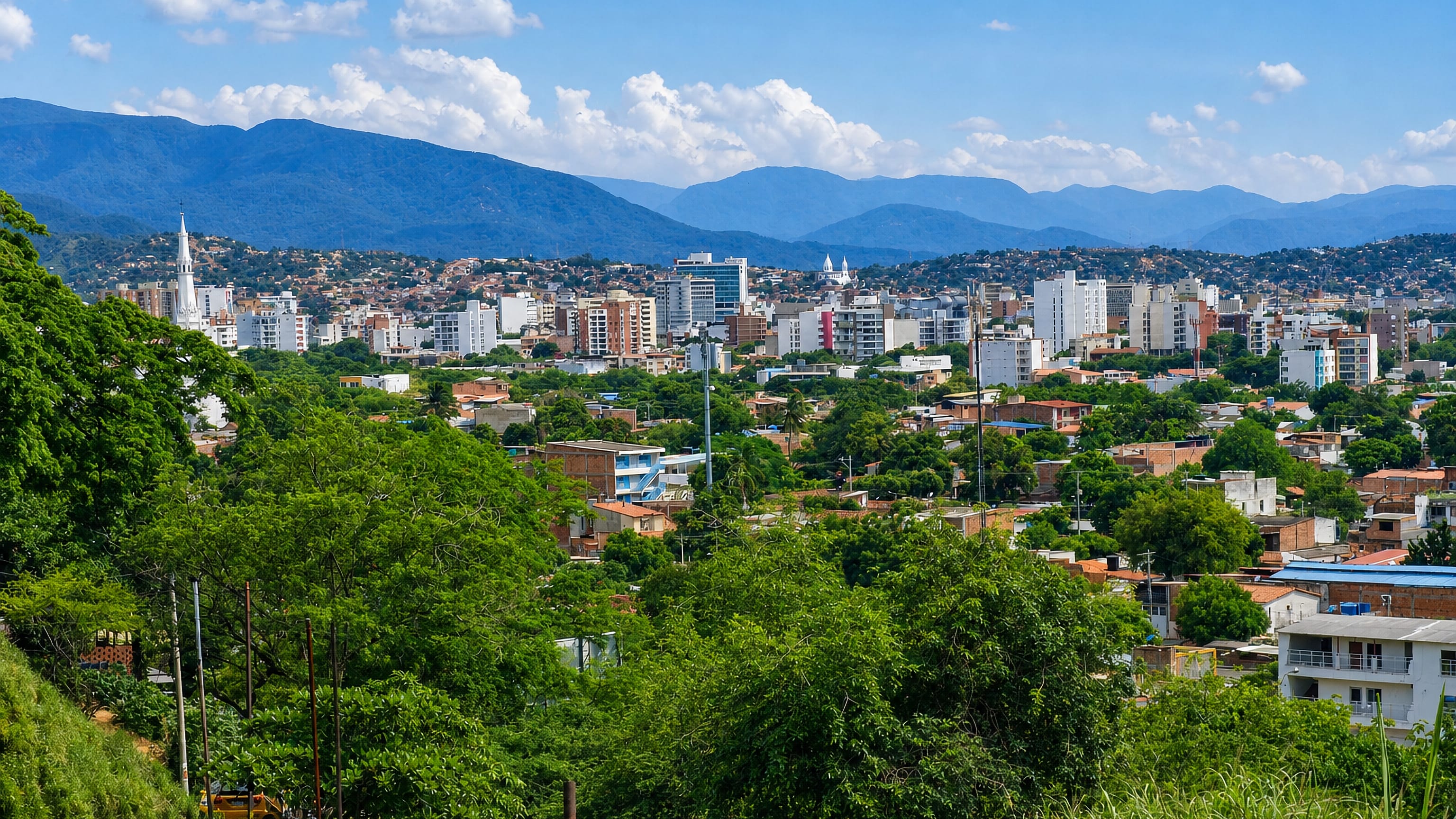
Colombia
Departamento de Norte de Santander, Colombia — Towns & Travel Guide
Norte de Santander is a Colombian department on the Venezuelan border, where the Andes fall toward Cúcuta and the Catatumbo lowlands.
Hotel links are affiliate links: booking through them may earn us a commission, at no extra cost to you. It never affects how places are ranked. How this works


Towns & cities in Departamento de Norte de Santander
Pick a town or city — each links to where to stay.

 Colombia
Cúcuta
Cúcuta, officially San José de Cúcuta, is the capital of Norte de Santander, in its own valley under the Andes at the border with Venezuela.Where to stay →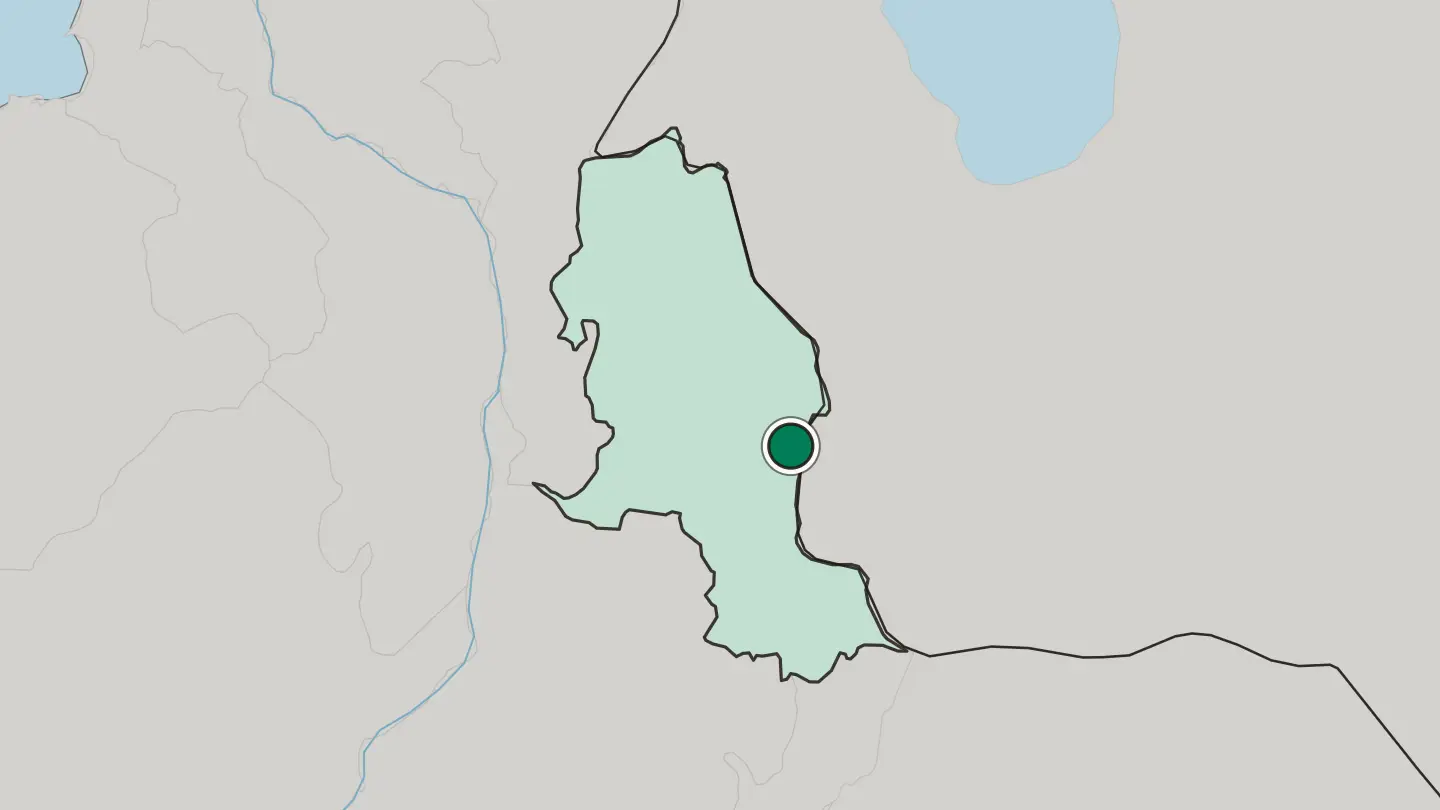
 Colombia
Pamplona
Pamplona is a small city in Norte de Santander, Colombia, founded in 1549, with a protected colonial sector and museums in its old houses.Where to stay →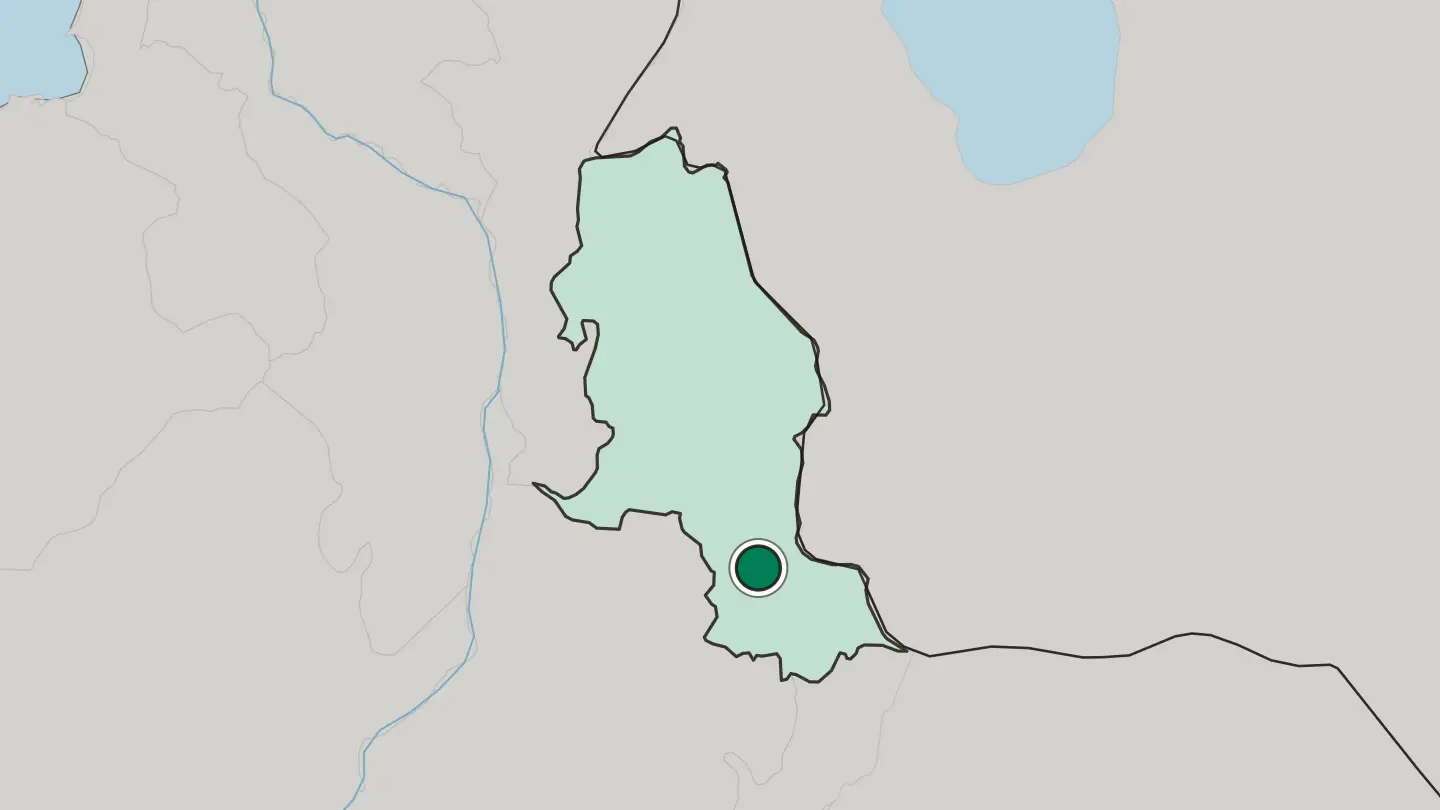
Hotel links are affiliate links: booking through them may earn us a commission, at no extra cost to you. It never affects how places are ranked. How this works
About Departamento de Norte de Santander
This is border country.
What is Departamento de Norte de Santander known for?
Cúcuta, its capital, sits right against Venezuela, and three international bridges cross into the state of Táchira on the other side. The department gave Colombia a founding chapter: Villa del Rosario, on Cúcuta's edge, hosted the 1821 congress that drew Gran Colombia together. Cool colonial Pamplona and Ocaña anchor the mountainous highlands to the south and west, while the hot Catatumbo lowlands run north toward the Venezuelan line and Lake Maracaibo beyond it.
Where is Departamento de Norte de Santander?
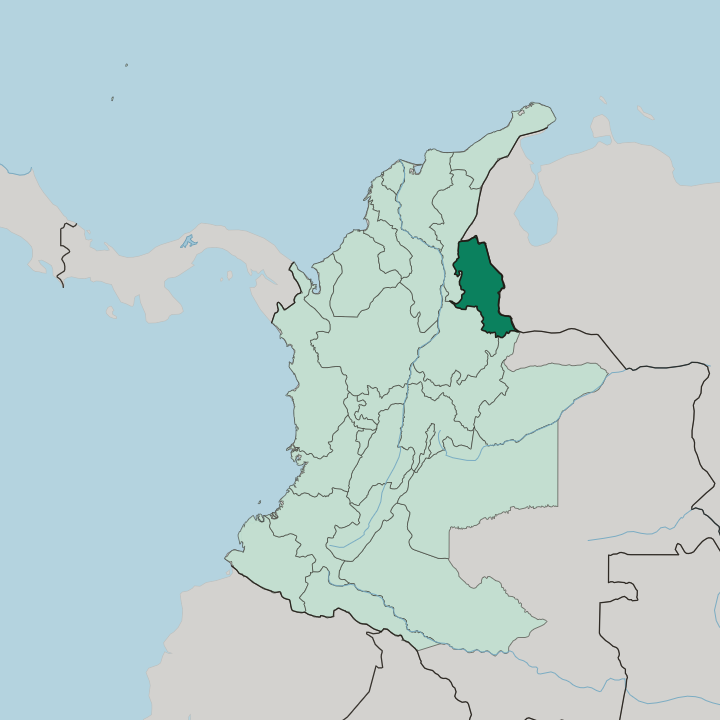
Norte de Santander occupies the northeastern corner of Colombia, pressed against the Venezuelan frontier. Venezuela wraps around its eastern and northern edges, and the Venezuelan state of Táchira meets it at Cúcuta. Inland, the department of Santander lies to the south and west, with Boyacá touching the south and Cesar reaching in from the west.
This land is anything but uniform. The Cordillera Oriental, the eastern of the three Andean ranges that split Colombia, runs through the department and forks here toward the Venezuelan Andes. That fold of mountains sets the whole pattern of the place.
Height decides everything. In the south the range climbs cold and green around Pamplona, then drops through the dry basin that holds Cúcuta near the border. North and west of the capital the mountains give way to the hot, humid Catatumbo lowlands.
The Catatumbo River gathers the Zulia, the Sardinata and other streams off these slopes and carries them north across the frontier to Lake Maracaibo in Venezuela, so the department's northern waters drain away from Colombia entirely. Ocaña sits apart in the western highlands, above the eroded stone columns of Los Estoraques. Rivers, ridges and border all converge on the same eastern edge.
What is Departamento de Norte de Santander like?
Culture here is shaped by the frontier. Cúcuta lives in constant exchange with Venezuela, and the mingling of the two peoples across the Táchira crossings colours the accent, the trade and the daily rhythm of the border. Spanish is the language on both sides.
The old highland towns keep a separate, quieter register: Pamplona guards colonial churches and a religious calendar that fills its cold streets at Easter, and its Museo Casa Colonial holds the region's memory in stone and timber. Food carries the department's mountain roots. Cabrito, roast or stewed kid goat, is the dish most tied to Cúcuta and the border, served with mute soup and hallacas wrapped in leaves.
The kitchen leans Andean and cross-border at once. This is also a land conscious of its own history. Villa del Rosario is treated almost as a shrine, the birthplace of Francisco de Paula Santander and the ground where Gran Colombia was founded, and that founding pride runs through how the department speaks of itself.
Music, faith and independence memory sit close together here.
What is the history of Departamento de Norte de Santander?
This ground helped make a nation. In 1821 the Congress of Cúcuta met at Villa del Rosario and wrote the constitution that bound New Granada and Venezuela into Gran Colombia, with Simón Bolívar as president and Francisco de Paula Santander, born on that same spot, as his vice president. Cúcuta itself, founded in 1733, was flattened by the earthquake of 1875 and rebuilt on a modern grid.
The department that carries Santander's name was created in 1910 out of the old provinces of Cúcuta, Pamplona and Ocaña.
What is the climate of Departamento de Norte de Santander?
Height governs the climate across Norte de Santander. Cúcuta, low in its border basin, runs hot and dry through most of the year, one of the warmer cities in Colombia. Climb the Cordillera Oriental toward Pamplona and the air turns cold and damp, temperate to chilly in the higher towns.
North of Cúcuta the Catatumbo lowlands are warm and humid, thick with rain. The drier months around December through March are the easiest for travelling the mountain roads. Altitude decides the climate here.
How do you get to Departamento de Norte de Santander?
Most travellers fly into Cúcuta. Camilo Daza International Airport, on the city's northern edge, links the department to Bogotá and the rest of Colombia, with a cross-border hop to Panamá. Overland, the department connects to Venezuela through the Simón Bolívar and Francisco de Paula Santander bridges into Táchira.
From Cúcuta, buses climb south to Pamplona and west toward Ocaña along winding mountain highways. There is no passenger railway; the old Cúcuta line closed long ago.
Common questions
What is the best area to stay in Departamento de Norte de Santander?
Cúcuta: the border crossing and arrivals. Pamplona: highland churches and cool weather. Ocaña: western Andean history and rock formations.
Good for
More regions in Colombia
- Distrito Capital de Bogotá
- Departamento de Antioquia
- Departamento del Valle del Cauca
- Departamento de Cundinamarca
- Departamento del Atlántico
- Departamento de Santander
- Departamento de Bolívar
- Departamento de Córdoba
- Departamento de Nariño
- Departamento del Cauca
- Departamento del Magdalena
- Departamento de Tolima
Updated September 2026