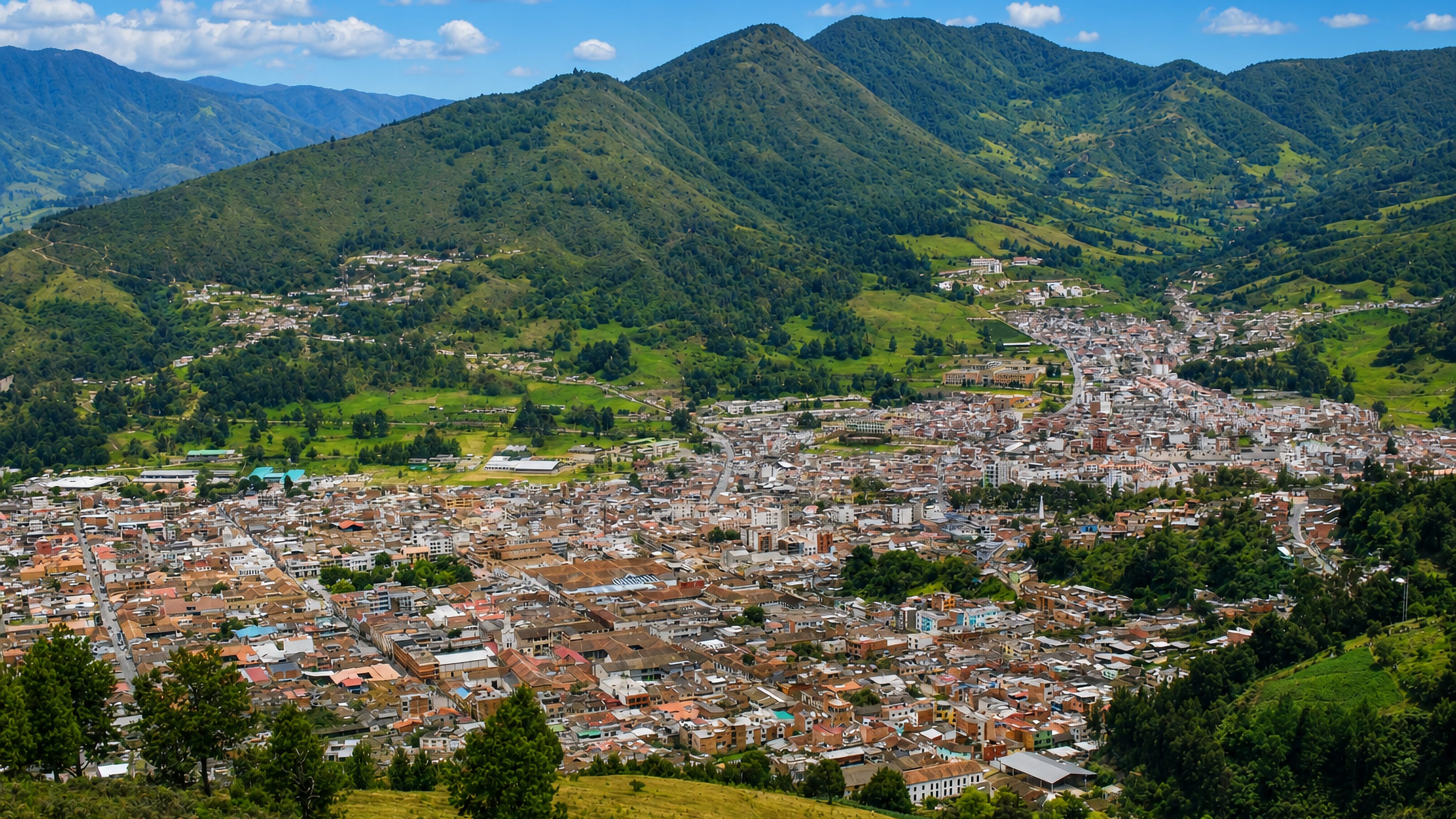
Colombia · Departamento de Norte de Santander
Where to Stay in Pamplona, Departamento de Norte de Santander
Pamplona is a small city in Norte de Santander, Colombia, founded in 1549, with a protected colonial sector and museums in its old houses.
Hotel links are affiliate links: booking through them may earn us a commission, at no extra cost to you. It never affects how places are ranked. How this works


Where to stay in Pamplona
The practical side of choosing where to sleep.
Almost everything sits inside the old sector. A room within the Sector Antiguo de la Ciudad de Pamplona puts the Pamplona Colonial House Museum, the Museo Casa Agueda Gallardo de Villamizar and Casa de Las Marías inside a walk of a few minutes, which is the whole practical argument for staying central in a town this size. The Edificio del Mercado Público de Pamplona anchors the other end of the day.
Choice is limited by the town's size. That limit is also the appeal: everything worth seeing lies inside the same protected streets, and the walk between two museums takes less time than parking would. Outside the sector the town thins.
Rooms on the approach roads suit drivers heading on through Norte de Santander towards the border with Venezuela, and they trade the museums at the door for space, parking and an easier exit in the morning. Distances in Pamplona are short either way, and a stay on the edge still leaves the Museo de Arte Moderno Ramírez Villamizar and the Fundación José Antonio Anzoátegui within reach. The Roman Catholic Archdiocese of Nueva Pamplona keeps its seat in the town.
Find hotels in Pamplona
Direct booking searches for these neighbourhoods.
Sector Antiguo
The protected sector keeps the Pamplona Colonial House Museum and Casa de Las Marías minutes apart on footFind hotels in Sector AntiguoEarly starts around the market hall and the archdiocese seatBy the Edificio del Mercado Público de Pamplona
Streets beside the Edificio del Mercado Público de Pamplona, closest to the town's daily trade. Beds are limited here, so book early.Find hotels in By the Edificio del Mercado Público de PamplonaDrivers continuing through Norte de Santander towards the Venezuelan frontierThe approach roads
Parking and a clear exit where Pamplona gives way to the mountain highway. Beds are limited here, so book early.Find hotels in The approach roadsHotel links are affiliate links: booking through them may earn us a commission, at no extra cost to you. It never affects how places are ranked. How this works
Things to do in Pamplona
Ranked by global recognition; descriptions from Wikidata (CC0).
Museums & Galleries
3- Roman Catholic Archdiocese of Nueva Pamplona
- Museo de Arte Moderno Ramírez Villamizar
- Pamplona Colonial House Museum
Castles & Historic Sites
3- Sector Antiguo de la Ciudad de Pamplona Heritage
- Casa de Las Marías Heritage
- Edificio del Mercado Público de Pamplona Pamplona Heritage
worth knowingacross 2 categories in Pamplona
About Pamplona
Museums carry the town.
What is Pamplona known for?
The Museo de Arte Moderno Ramírez Villamizar, the Pamplona Colonial House Museum and the Museo Casa Agueda Gallardo de Villamizar give a town this size an unusual concentration of collections, and the Sector Antiguo de la Ciudad de Pamplona is protected as a whole. The Roman Catholic Archdiocese of Nueva Pamplona takes its name from the town's older one. Trade has its own building, the Edificio del Mercado Público de Pamplona.
What are the main landmarks in Pamplona?
Casa de Las Marías heads the older addresses. The Sector Antiguo de la Ciudad de Pamplona covers the historic core as a single protected entity, which is why the Pamplona Colonial House Museum and the Museo Casa Agueda Gallardo de Villamizar read as parts of one place rather than separate stops. The Museo de Arte Moderno Ramírez Villamizar breaks that pattern.
Alongside them stand the Fundación José Antonio Anzoátegui and the Edificio del Mercado Público de Pamplona.
What is the history of Pamplona?
Pamplona was founded in 1549. That makes it one of the older foundations in what became Norte de Santander, and the oldest part of the town carries protection under the name Sector Antiguo de la Ciudad de Pamplona. Nueva Pamplona was its older name, and the Roman Catholic Archdiocese of Nueva Pamplona still carries it.
Casa de Las Marías survives among its old houses, one of the addresses the protected sector was drawn to keep. The Pamplona Colonial House Museum keeps another of them open as a museum. Names from the past attach to buildings.
The Museo Casa Agueda Gallardo de Villamizar occupies a house that carries her name, and the Fundación José Antonio Anzoátegui keeps another figure's memory in the same small centre. Trade left the Edificio del Mercado Público de Pamplona, a market hall built to give the town's dealing a roof of its own. Art arrived later.
The Museo de Arte Moderno Ramírez Villamizar put modern work into a town whose other collections look back, and the contrast is part of what a visit here turns up. Colombia's border with Venezuela lies not far from the town.
Where is Pamplona?
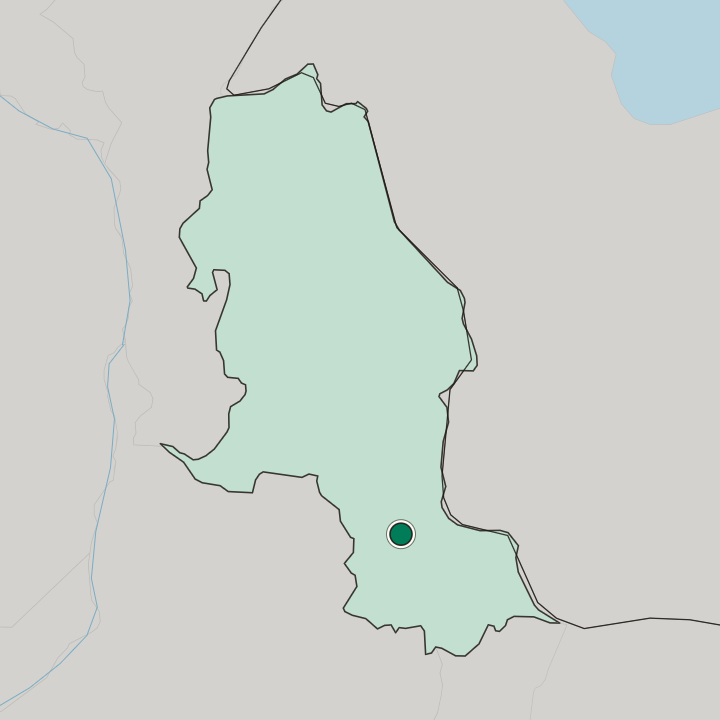
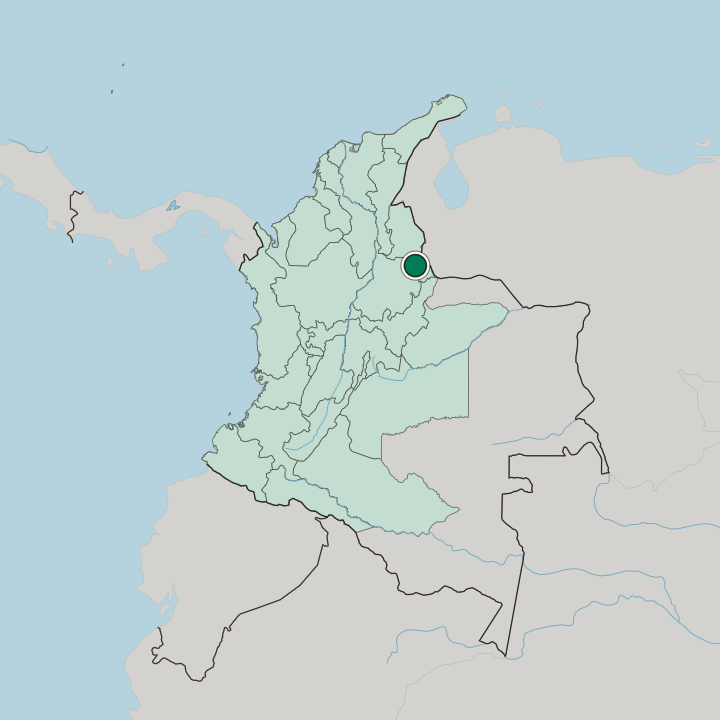
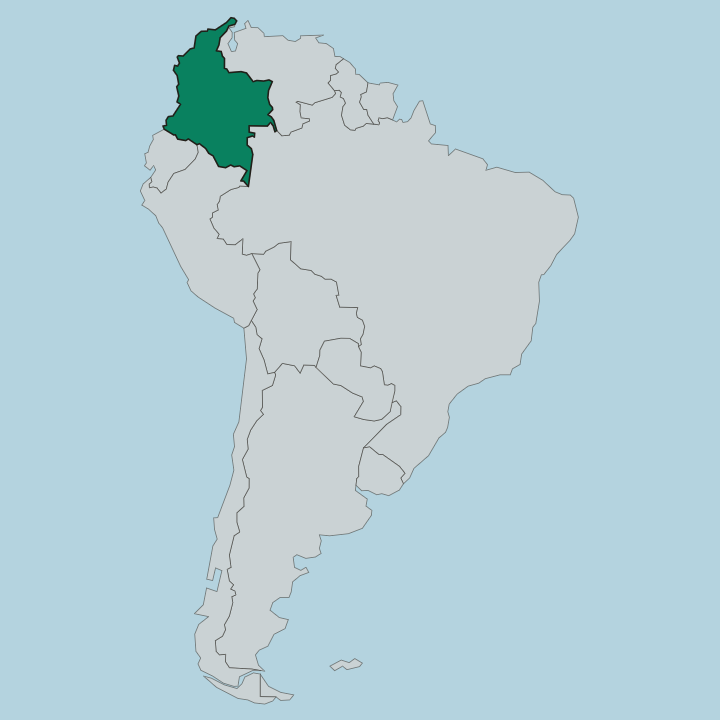
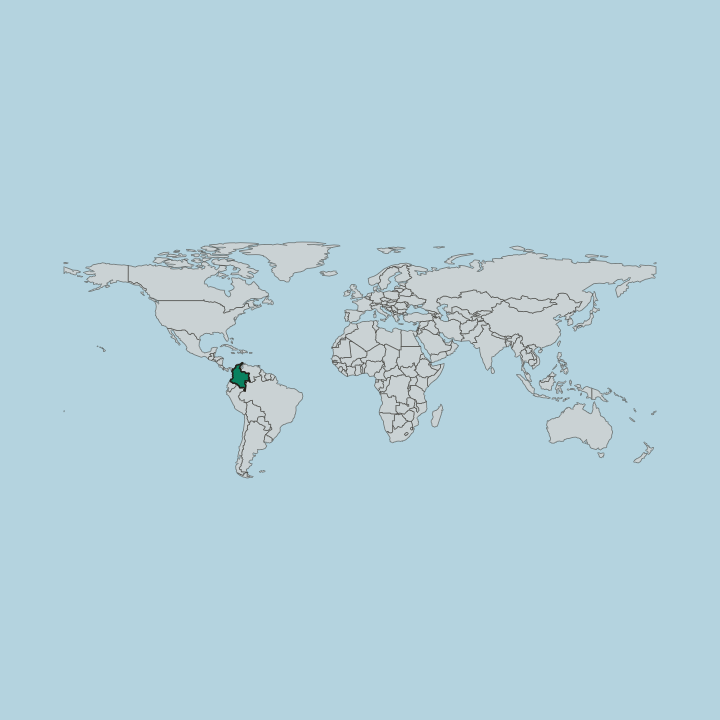
Pamplona keeps a tight footprint. Its ground belongs to the Andean part of Norte de Santander, near the border Colombia keeps with Venezuela, and the municipality covers a modest area by the standards of the department. Pamplona sits in the tropics, though the Andes take the edge off what that usually means.
What is the climate of Pamplona?
The Andes do the work here. Pamplona lies within the tropics, but its place in the Andean uplands of Norte de Santander keeps the heat off, and the year runs on rain rather than on any change of season. Highland nights run cooler than the tropical band alone would suggest.
Rain is the variable, not the temperature.
How do you get to Pamplona?
Every arrival comes by road. Mountain roads are the way in and out, and the highway through Norte de Santander links the town with the rest of the department and with the frontier country near Venezuela. The Sector Antiguo de la Ciudad de Pamplona is small enough to cross on foot.
Common questions
What is the best area to stay in Pamplona?
Sector Antiguo: Museum days beginning at Casa de Las Marías. By the Edificio del Mercado Público de Pamplona: Early starts around the market hall and the archdiocese seat. The approach roads: Drivers continuing through Norte de Santander towards the Venezuelan frontier.
Good for
Another city in Departamento de Norte de Santander
Updated October 2026