Colombia · Departamento de Santander
Where to Stay in Barrancabermeja, Departamento de Santander
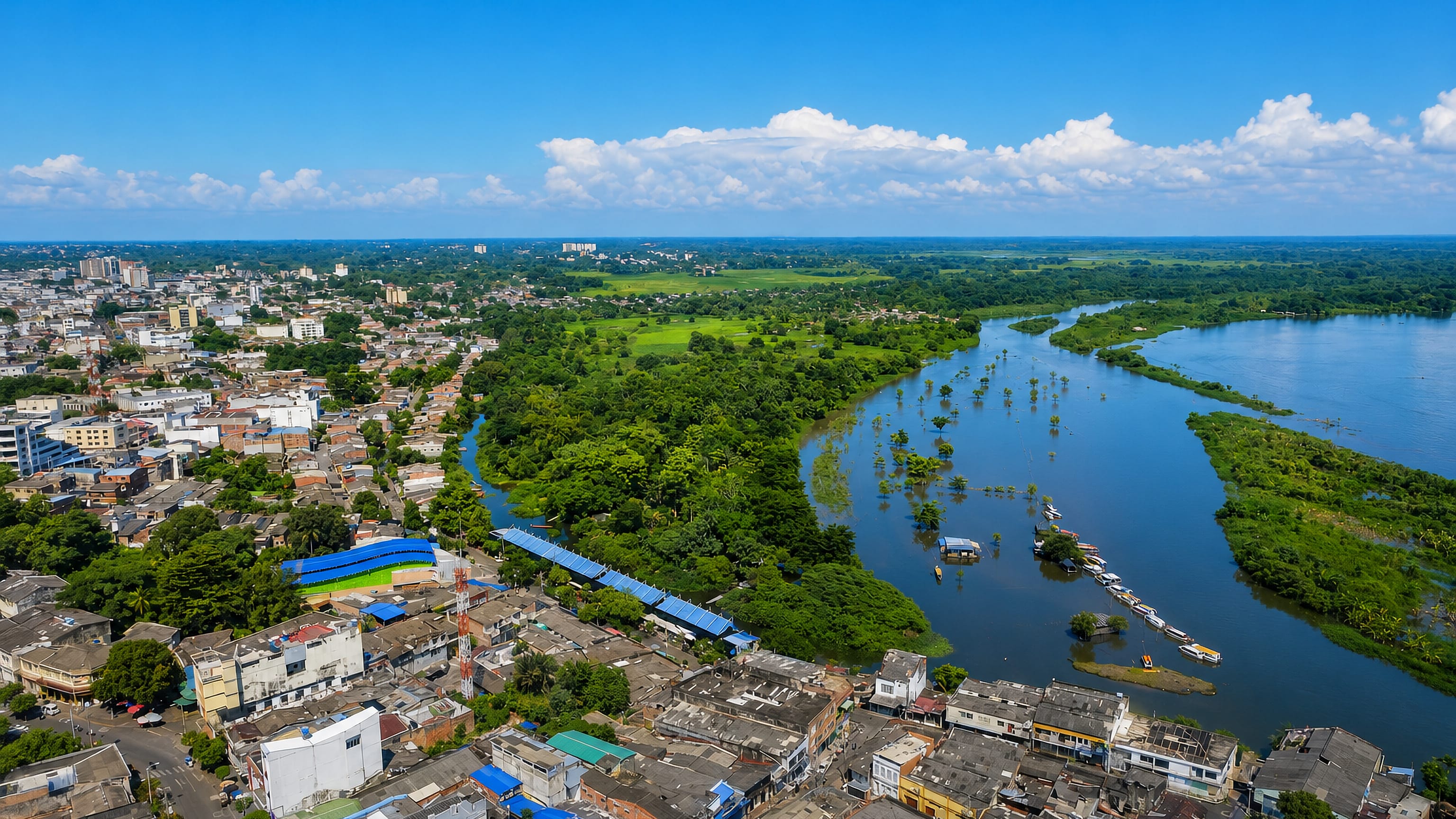
Barrancabermeja, the oil capital of Colombia, works a bend of the Magdalena River in Santander, where ECOPETROL runs the country's largest refinery.
Hotel links are affiliate links: booking through them may earn us a commission, at no extra cost to you. It never affects how places are ranked. How this works


Where to stay in Barrancabermeja
How the choice of base plays out on the ground.
The Magdalena River and the ECOPETROL refinery split the map between them, and a bed in Barrancabermeja is picked against one or the other. Central rooms near the Estación del Ferrocarril Barrancabermeja and the river front leave the quays, the market blocks, and the Casa Museo de la Memoria de los Derechos Humanos de las Mujeres del Magdalena Medio inside an easy walk, which suits you if the visit is about the town rather than the plant. Traffic runs all day.
Much of the central stock is built for contract workers. Back from the water the character turns industrial. Hotels along the approach roads serve refinery shifts and the freight moving through the Magdalena Medio, trading the river view for parking, quieter nights, and a shorter run to the gates.
Cuatrobocas lies out that way. The station buildings at Cuatrobocas and Pénjamo mark where the line once threaded the same corridor, and they remain useful reference points on a grid that otherwise announces itself in stacks, tanks, and warehouse walls. Anyone here for the river should stay near the bank instead, since the Magdalena is the reason the settlement exists at all and the working quays repay the noise that comes with them.
Find hotels in Barrancabermeja
Direct booking searches for these neighbourhoods.
River front
A short walk from the Estación del Ferrocarril BarrancabermejaFind hotels in River frontContract work at the ECOPETROL plantRefinery approach
On the roads that feed the ECOPETROL refinery gatesFind hotels in Refinery approachFollowing the old Magdalena Medio lineCuatrobocas
Out beside the Estación del Ferrocarril Cuatrobocas. Few places to stay nearby — book ahead.Find hotels in CuatrobocasHotel links are affiliate links: booking through them may earn us a commission, at no extra cost to you. It never affects how places are ranked. How this works
About Barrancabermeja
Oil made this city.
What is Barrancabermeja known for?
The ECOPETROL refinery on the bank of the Magdalena River is the largest in Colombia, and the traffic it generates gives Barrancabermeja a working port rather than a promenade. Three old station buildings remain. The Casa Museo de la Memoria de los Derechos Humanos de las Mujeres del Magdalena Medio keeps a different record, one gathered from the women of the surrounding region.
What are the main landmarks in Barrancabermeja?
Three railway stations carry most of the listed heritage. The Estación del Ferrocarril Barrancabermeja stands in the town, while the Estación del Ferrocarril Cuatrobocas and the Estación del Ferrocarril Pénjamo sit out along the corridor the line followed through the Magdalena Medio. The Casa Museo de la Memoria de los Derechos Humanos de las Mujeres del Magdalena Medio is the other institution worth an afternoon, a house museum given over to the record of women's human rights in the region.
Industry frames the rest. Refinery stacks show above the roofline well before the Magdalena River comes into view.
What is the history of Barrancabermeja?
Barrancabermeja was constituted in 1922, which makes it young beside the older towns of Santander. Oil explains why it became a city at all rather than one more landing on the Magdalena River, since the refinery that rose on the bank pulled in workers, rail, and river traffic inside a single generation. The plant is the largest in Colombia.
ECOPETROL manages it directly, and the company name is attached to the place as firmly as the river is. Rail arrived on the same wave. The Estación del Ferrocarril Barrancabermeja, the Estación del Ferrocarril Cuatrobocas, and the Estación del Ferrocarril Pénjamo survive from the line that tied port and refinery to the interior, and their heritage listing is the nearest thing the city keeps to an old quarter.
Memory has its own building here. The Casa Museo de la Memoria de los Derechos Humanos de las Mujeres del Magdalena Medio holds the other side of it, a house museum built around the testimony of women from the Magdalena Medio, and it is the one institution in Barrancabermeja that treats the last century as something more complicated than an industrial ascent.
Where is Barrancabermeja?
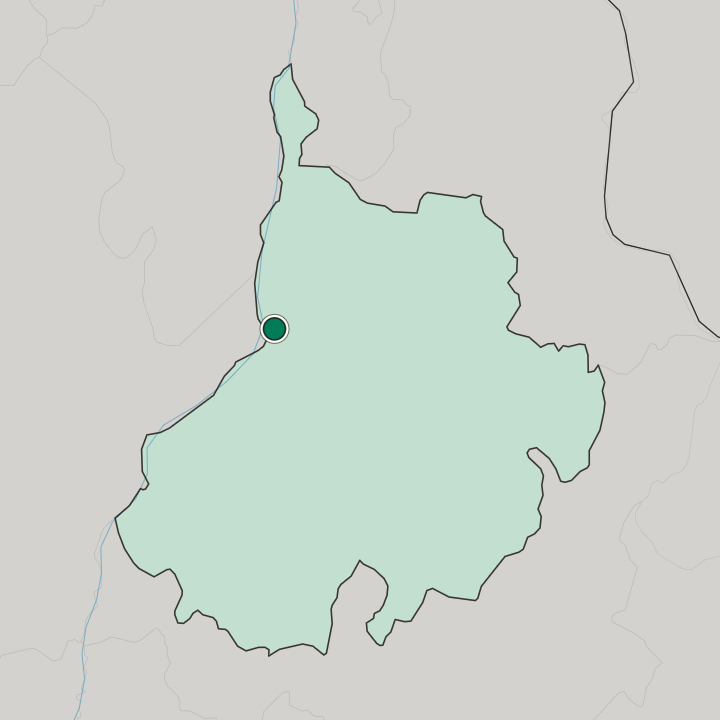
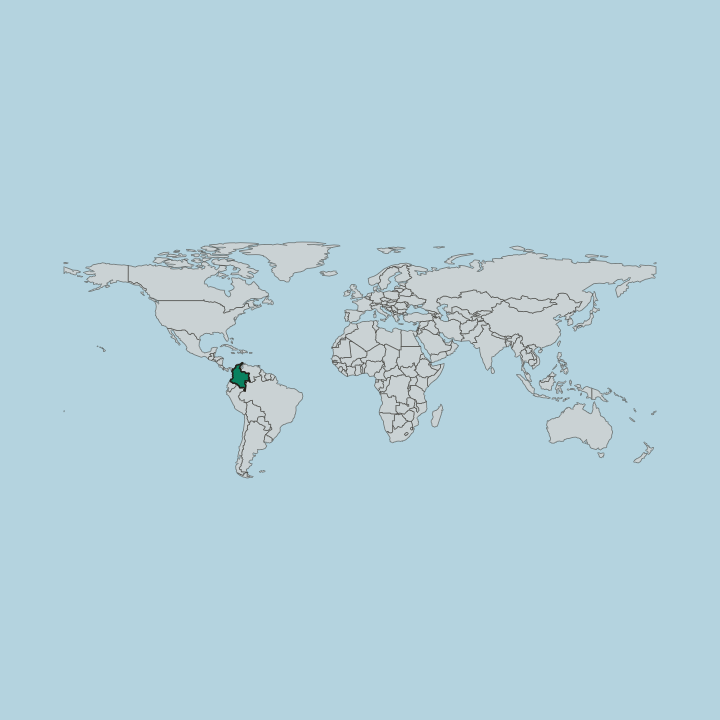
Barrancabermeja lies along the shore of the Magdalena River, in the lowland corridor of the Magdalena Medio. The municipality is a wide one, taking in riverbank, port ground, and flat hot country stretching back from the water toward the rest of Santander, with the river serving as boundary, road, and reason for the whole arrangement. Low ground everywhere.
The Magdalena runs past the refinery without pause.
What is the climate of Barrancabermeja?
The Magdalena valley holds the heat in. Barrancabermeja sits low in the tropical band next to the river, so humidity carries through the day and rain tends to arrive over the Magdalena Medio in heavy afternoon bursts rather than as steady drizzle. Shade is worth planning around.
Nights stay warm on the bank.
How do you get to Barrancabermeja?
The river brought everyone first. Barrancabermeja stands on the Magdalena River, and the port on its bank still takes the traffic moving through the Magdalena Medio, while the roads in from the rest of Santander carry most of the rest. Three station buildings survive from the days of the line, at Barrancabermeja itself and out at Cuatrobocas and Pénjamo.
Much of the arriving business is with ECOPETROL.
Common questions
What is the best area to stay in Barrancabermeja?
River front: Time spent watching the Magdalena quays work. Refinery approach: Contract work at the ECOPETROL plant. Cuatrobocas: Following the old Magdalena Medio line.
Good for
Another city in Departamento de Santander
Updated September 2026