Colombia · Departamento de Santander
Where to Stay in Bucaramanga, Departamento de Santander
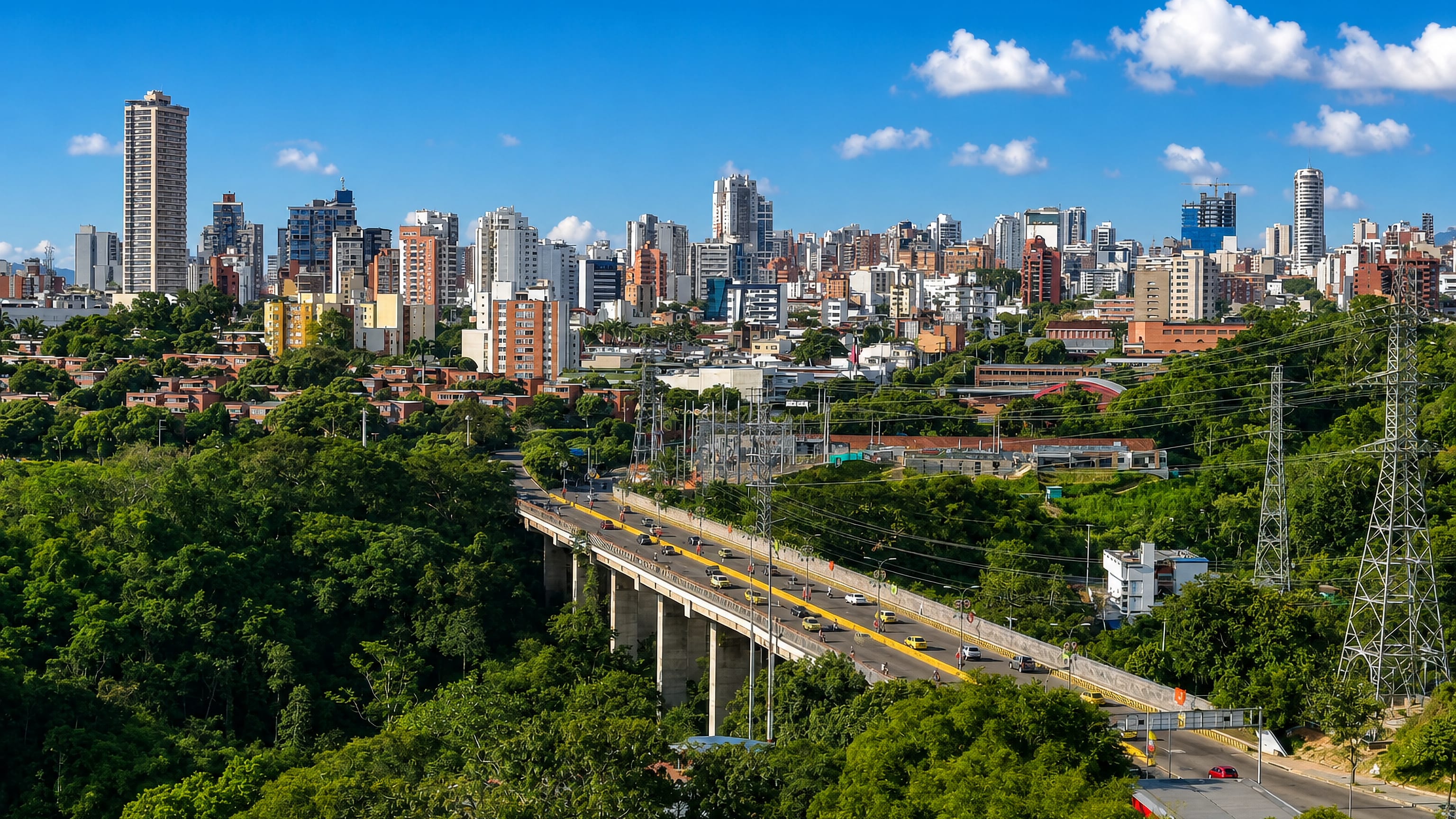
Bucaramanga, founded in 1622, is a museum city of Santander whose compact centre holds the Catedral de la Sagrada Familia and the Capilla de Los Dolores.
Hotel links are affiliate links: booking through them may earn us a commission, at no extra cost to you. It never affects how places are ranked. How this works


Where to stay in Bucaramanga
How the choice of base plays out on the ground.
The historic blocks around the Capilla de Los Dolores and the Casa de Bolívar are the obvious first choice in Bucaramanga. A room in that quarter leaves the Catedral de la Sagrada Familia, the Pabellón de Carnes Plaza de Mercado Central, and the Museo de Arte Moderno de Bucaramanga within a few minutes on foot, which suits you if the plan runs to museum afternoons and market mornings rather than appointments. Mornings start loud.
The market wakes its own block. University ground makes the other case. Beds near the Museo de Historia Natural UIS Bucaramanga or the Museo Arqueológico Etnologico e Histórico de la Universidad Udes come with quieter streets, cafés keyed to term time, and easy access to two collections that most visitors never think to open.
Café Madrid stands apart from all that. Rooms out by the Estación del Ferrocarril Café Madrid suit arrivals late in the day or departures before it is light, trading the walk to the centre for space and a clean run out of town. Whichever side wins, an evening near the Fundación Cineteca Pública de Santander or the Aula Museo Ciencia Ficción needs no taxi.
Find hotels in Bucaramanga
Direct booking searches for these neighbourhoods.
Around the Capilla de Los Dolores
Minutes on foot from the Catedral de la Sagrada FamiliaFind hotels in Around the Capilla de Los DoloresAnyone working through the UIS and Udes collectionsUniversity ground
Quiet streets by the Museo de Historia Natural UIS BucaramangaFind hotels in University groundLate arrivals and departures before daylightCafé Madrid
Out beside the Estación del Ferrocarril Café Madrid. Beds are limited here, so book early.Find hotels in Café MadridHotel links are affiliate links: booking through them may earn us a commission, at no extra cost to you. It never affects how places are ranked. How this works
Things to do in Bucaramanga
Ranked by global recognition; descriptions from Wikidata (CC0).
Museums & Galleries
3- Museo de Historia Natural UIS Bucaramanga
- Museo Casa de Bolívar
- Aula Museo Ciencia Ficción
Churches & Religious Sites
1- Catedral de la Sagrada Familia, Bucaramanga
Castles & Historic Sites
7- Capilla de Los Dolores Heritage
- Casa de Bolívar Heritage
- Casa en donde nació el General Custodio García Rovira Heritage
- Colegio de Nuestra Señora del Pilar Heritage
- Coliseo Peralta Heritage
Show 2 more →
- Estación del Ferrocarril Café Madrid Heritage
- Pabellón de Carnes Plaza de Mercado Central Heritage
worth knowingacross 3 categories in Bucaramanga
About Bucaramanga
What is Bucaramanga known for?
Bucaramanga's sightseeing runs through its museums. The Museo Casa de Bolívar occupies the house that carries Bolívar's name, the Museo de Arte Moderno de Bucaramanga takes the contemporary end, and the Fundación Cineteca Pública de Santander looks after the film archive. Even science fiction has a room.
The Aula Museo Ciencia Ficción sits in a city that also keeps the Museo de Historia Natural UIS Bucaramanga and the Museo Arqueológico Etnologico e Histórico de la Universidad Udes, both of them university collections.
What are the main landmarks in Bucaramanga?
The Capilla de Los Dolores anchors the heritage list. Near it stand the Catedral de la Sagrada Familia, the Casa de Bolívar, and the Casa en donde nació el General Custodio García Rovira, a birthplace whose name the Museo Bellas Artes Casa de la Cultura Custodio Garcia Rovira carries too. Two entries are civic.
The Coliseo Peralta and the Colegio de Nuestra Señora del Pilar cover the institutional side, with the Pabellón de Carnes Plaza de Mercado Central standing for the city's trade.
What is the history of Bucaramanga?
The founding date on record is 1622. Little of the colonial town is left upright, though the Capilla de Los Dolores survives from that early period and keeps its place among far younger blocks, a small chapel that outlasted the settlement it was built for. Independence left more behind.
The Casa en donde nació el General Custodio García Rovira marks the birthplace of a general of that generation, and the Casa de Bolívar, which the Museo Casa de Bolívar now occupies, carries Bolívar's name into the present life of Bucaramanga. Institutions arrived with the centuries that followed. The Colegio de Nuestra Señora del Pilar and the Coliseo Peralta belong to that stretch, as does the Pabellón de Carnes Plaza de Mercado Central, the covered meat hall of the central market.
Rail came in at Café Madrid. The Estación del Ferrocarril Café Madrid is what remains of that link, and the Catedral de la Sagrada Familia gave a growing city of Santander the large church its earlier chapels were never built to be. Collections followed the institutions, which is why the Museo Bellas Artes Casa de la Cultura Custodio Garcia Rovira and the Fundación Cineteca Pública de Santander now sit within the same few streets.
Where is Bucaramanga?
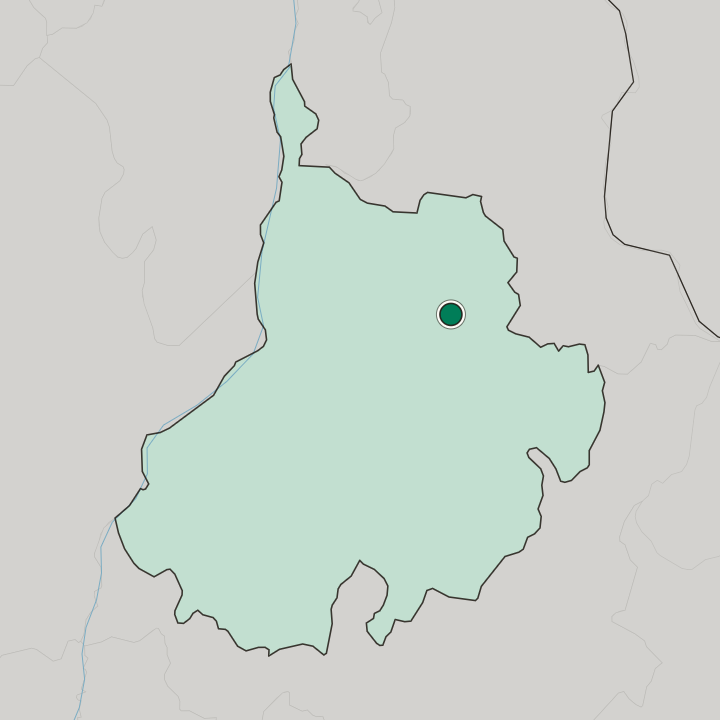
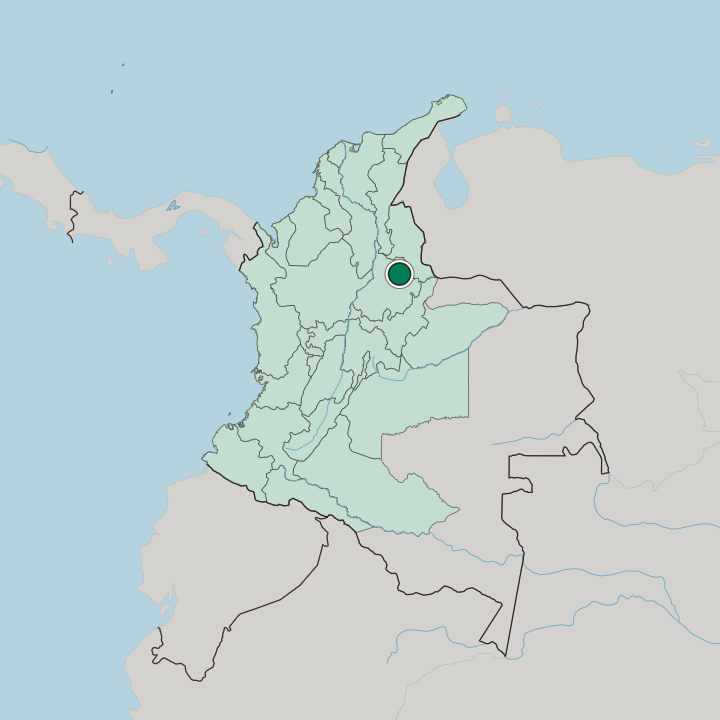
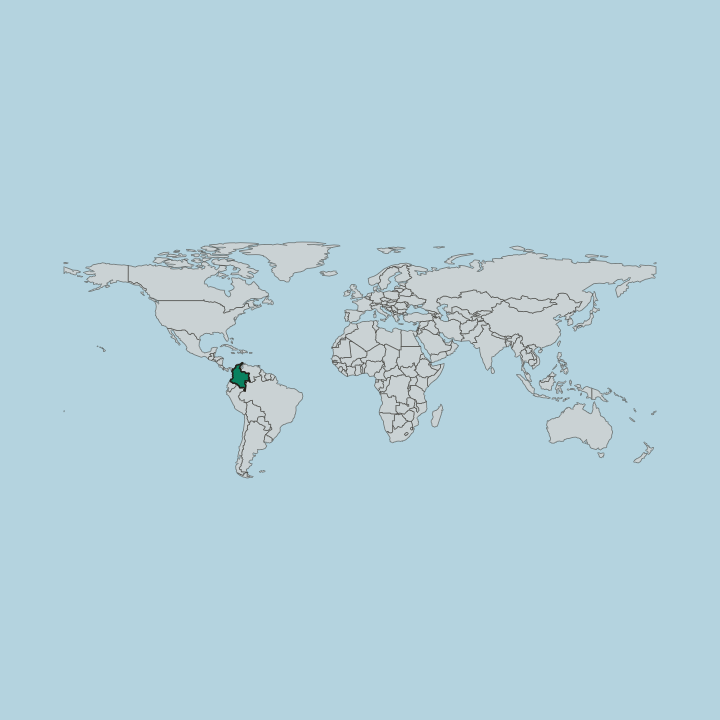
The municipality is a tight one, some 162 square kilometres of Santander in the tropical band. Its centre is walkable end to end, with the Capilla de Los Dolores, the Casa de Bolívar, and the Catedral de la Sagrada Familia all inside the same few blocks and the Plaza de Mercado Central a short way off. Café Madrid marks the far side.
The railway reached Bucaramanga there.
What is the climate of Bucaramanga?
Warmth is the constant across this part of Santander. The calendar registers as rainfall rather than as temperature, with wetter and drier stretches passing through the tropical band, so a visit is planned around showers instead of around seasons. Umbrellas beat coats.
Walking between the Catedral de la Sagrada Familia and the Capilla de Los Dolores after dark needs nothing heavier than a shirt.
How do you get to Bucaramanga?
Roads carry nearly all of it. Bucaramanga draws its traffic from across Santander, and arrivals converge on a centre small enough that the last stage of any trip is usually a short one on foot. Rail came in at Café Madrid.
The Estación del Ferrocarril Café Madrid still stands as the marker of that older approach, out where the line once met the edge of the built-up city.
Common questions
What is the best area to stay in Bucaramanga?
Around the Capilla de Los Dolores: Museum afternoons and market mornings. University ground: Anyone working through the UIS and Udes collections. Café Madrid: Late arrivals and departures before daylight.
Good for
Another city in Departamento de Santander
Updated October 2026