Colombia · Departamento de Tolima
Where to Stay in Ibagué, Departamento de Tolima
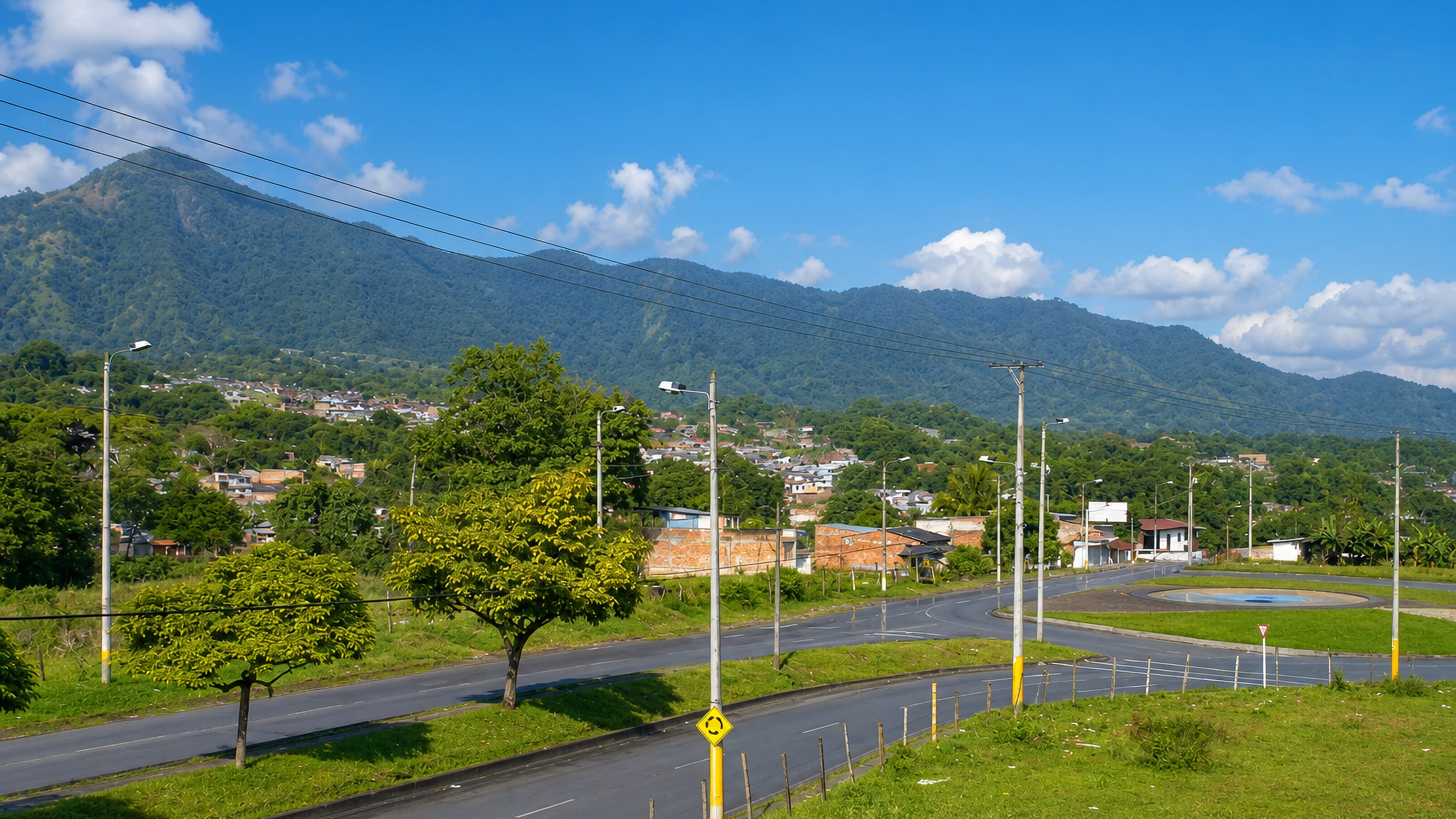
Ibagué, capital of Tolima, holds the eastern slopes of the Cordillera Central under Nevado del Tolima, and answers to the name musical city of Colombia.
Hotel links are affiliate links: booking through them may earn us a commission, at no extra cost to you. It never affects how places are ranked. How this works


Where to stay in Ibagué
Where the beds are, and what that means for the visit.
Beds gather near the Conservatorio de Música Alberto Castilla and the Teatro Tolima, and that pairing is the practical reason to pick one side of Ibagué over another. Rooms in those blocks put the Salón Alberto Castilla, the Museo de Arte del Tolima, and the Edificio del Antiguo Panóptico de Ibagué inside a short walk, which suits you if the trip is built around concerts rather than around mountains. Evenings run late.
The Casa Museo Mundo Sonoro Instrumentos Musicales de Colombia y el Mundo and the Centro Cultural Museo Rozo Uniminuto stand in the same walkable band. Outward from there the pattern changes. Streets by the Universidad del Tolima and its Museo Antropológico de la Universidad del Tolima trade the concert programme for quieter blocks, and they shorten the run to the road toward Nevado del Tolima for anyone leaving before dawn to walk the trek.
Picalena lies beyond the built-up ground, where the Estación del Ferrocarril Picalena and the Edificio Principal de la Granja San Jorge mark the course of the old line. Rooms are thin out there. The Universidad de Ibagué, keeper of the Colección Alfonso Viña Calderón Museo de Instrumentos Universidad de Ibagué, gives another quarter a reason of its own, though the walkable core under the Cordillera Central remains the simplest base for a first stay in Tolima.
Find hotels in Ibagué
Direct booking searches for these neighbourhoods.
Around the conservatory
Walking distance to the Teatro Tolima and the Museo de Arte del TolimaFind hotels in Around the conservatoryDawn departures for the Nevado del Tolima trekUniversidad del Tolima side
Quieter streets by the Museo Antropológico de la Universidad del TolimaFind hotels in Universidad del Tolima sideAnyone tracing the old Ibagué railwayPicalena
Beside the Estación del Ferrocarril Picalena and the Granja San Jorge. Lodging is scarce in this area; reserve in advance.Find hotels in PicalenaHotel links are affiliate links: booking through them may earn us a commission, at no extra cost to you. It never affects how places are ranked. How this works
Things to do in Ibagué
Ranked by global recognition; descriptions from Wikidata (CC0).
Museums & Galleries
3- Museo de Arte del Tolima
- Casa Museo Mundo Sonoro Instrumentos Musicales de Colombia y el Mundo
- Centro Cultural Museo Rozo Uniminuto
Castles & Historic Sites
8- Estación del Ferrocarril Picalena Heritage
- Conjunto de inmuebles de propiedad del conservatorio Alberto Castilla Heritage
- Conservatorio de Música Alberto Castilla Heritage
- Edificio Principal de la Granja San Jorge Heritage
- Edificio del Antiguo Panóptico de Ibagué Heritage
Show 3 more →
- Estación del Ferrocarril Buenos Aires Heritage
- Estación del Ferrocarril Ibagué Heritage
- Teatro Tolima Heritage
worth knowingacross 2 categories in Ibagué
About Ibagué
Music sets the terms here.
What is Ibagué known for?
The Conservatorio de Música Alberto Castilla trained the players who won Ibagué its name as the musical city of Colombia, and its Salón Alberto Castilla still carries recitals for the department of Tolima. The Museo de Arte del Tolima holds the departmental collection, while the Teatro Tolima keeps a stage a few blocks away. Walkers pass through for the Nevado del Tolima trek.
What are the main landmarks in Ibagué?
The Museo de Arte del Tolima keeps the department's painting and sculpture. Close by stand the Conservatorio de Música Alberto Castilla with its Salón Alberto Castilla, the Teatro Tolima, and the Edificio del Antiguo Panóptico de Ibagué, a prison building given over to other uses. Three old stations survive.
The Estación del Ferrocarril Ibagué, the Estación del Ferrocarril Buenos Aires, and the Estación del Ferrocarril Picalena trace the route of the line that once climbed toward the Cordillera Central.
What is the history of Ibagué?
Andrés López de Galarza, a Spanish captain, founded Ibagué on 14 October 1550. The site took the eastern slopes of the Cordillera Central, high enough to sit clear of the heat below and near the crossings of the range, and the place kept that modest mountain standing through the long colonial stretch that followed. Tolima altered the scale.
As the department took shape the town became its seat, drawing in the Government of Tolima, the Departmental Assembly, and the Attorney General's Office. The Conservatorio de Música Alberto Castilla did more for the wider name than any office ever did. Its Salón Alberto Castilla and the Teatro Tolima carried the programmes that fixed the musical reputation, and the Conjunto de inmuebles de propiedad del conservatorio Alberto Castilla is listed as heritage in its own right.
Rail left its marks. The Estación del Ferrocarril Ibagué, the Estación del Ferrocarril Buenos Aires, and the Estación del Ferrocarril Picalena still stand along the route, as do the Edificio del Antiguo Panóptico de Ibagué and the Edificio Principal de la Granja San Jorge. What grew out of all that is a municipality of 13 communes, ringed by 17 corregimientos of countryside, with Nevado del Tolima on the skyline above it.
Where is Ibagué?
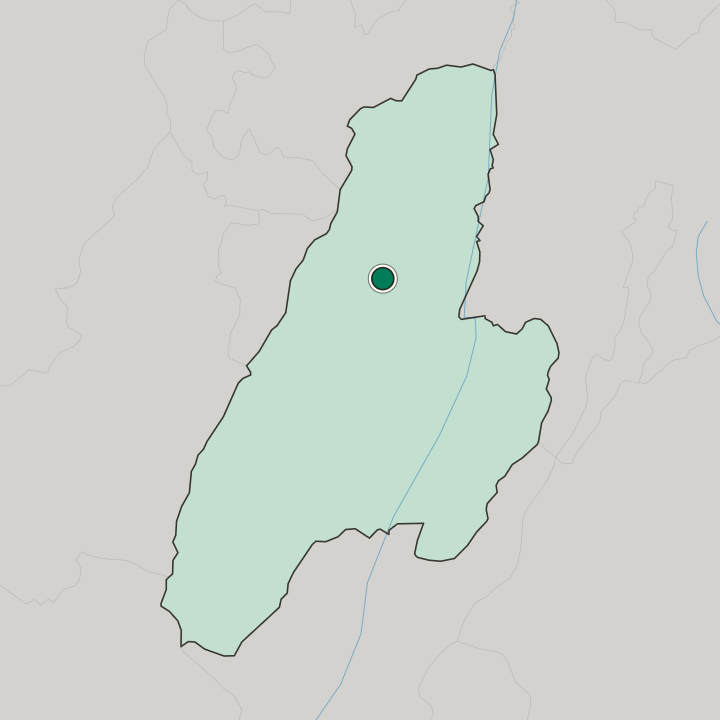
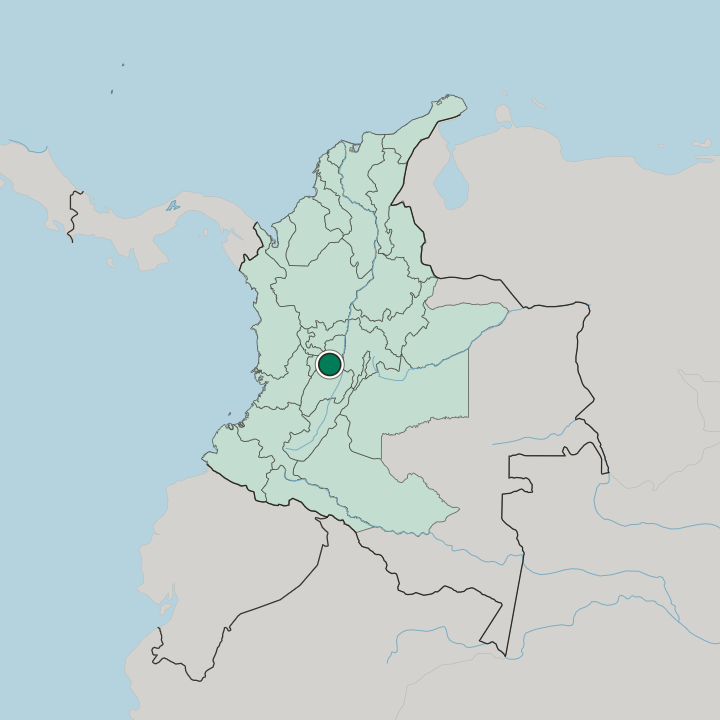
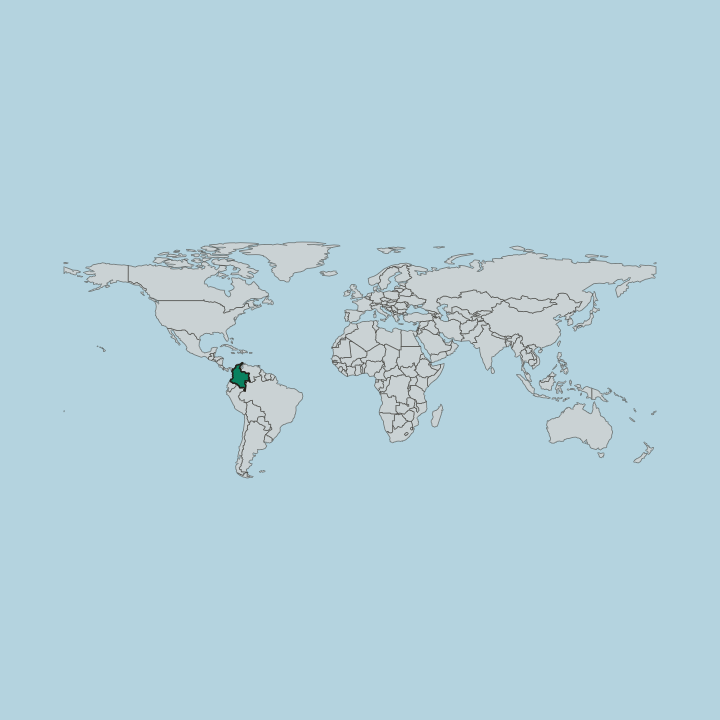
Ibagué occupies the eastern slopes of the Cordillera Central, the middle chain of the Colombian Andes, with the snow of Nevado del Tolima standing behind the city. Elevation sets the terms. The municipality reaches wide across Tolima, an urban core of 13 communes with 17 corregimientos of farmland around it, so its ground runs from warm valley floor up toward the peaks of the range.
What is the climate of Ibagué?
Altitude does the work, not the calendar. High on the eastern slopes of the Cordillera Central, Ibagué holds the spring-like evenness the tropical band gives to mountain towns at this height, without the heat of the lowlands of Tolima below or the cold of the snowline above. Nevado del Tolima carries that snow.
Trekkers feel the change on the climb toward it.
How do you get to Ibagué?
Overland routes do the work. Ibagué stands on the eastern slopes of the Cordillera Central, and the crossings of that range shape how arrivals come, whether up from the lower country of Tolima or over the passes from further off. Three protected station buildings, the Estación del Ferrocarril Ibagué, the Estación del Ferrocarril Buenos Aires, and the Estación del Ferrocarril Picalena, mark where the railway once ran.
Walkers come for the Nevado del Tolima trek.
Common questions
What is the best area to stay in Ibagué?
Around the conservatory: Concert nights at the Salón Alberto Castilla. Universidad del Tolima side: Dawn departures for the Nevado del Tolima trek. Picalena: Anyone tracing the old Ibagué railway.
Good for
Updated October 2026