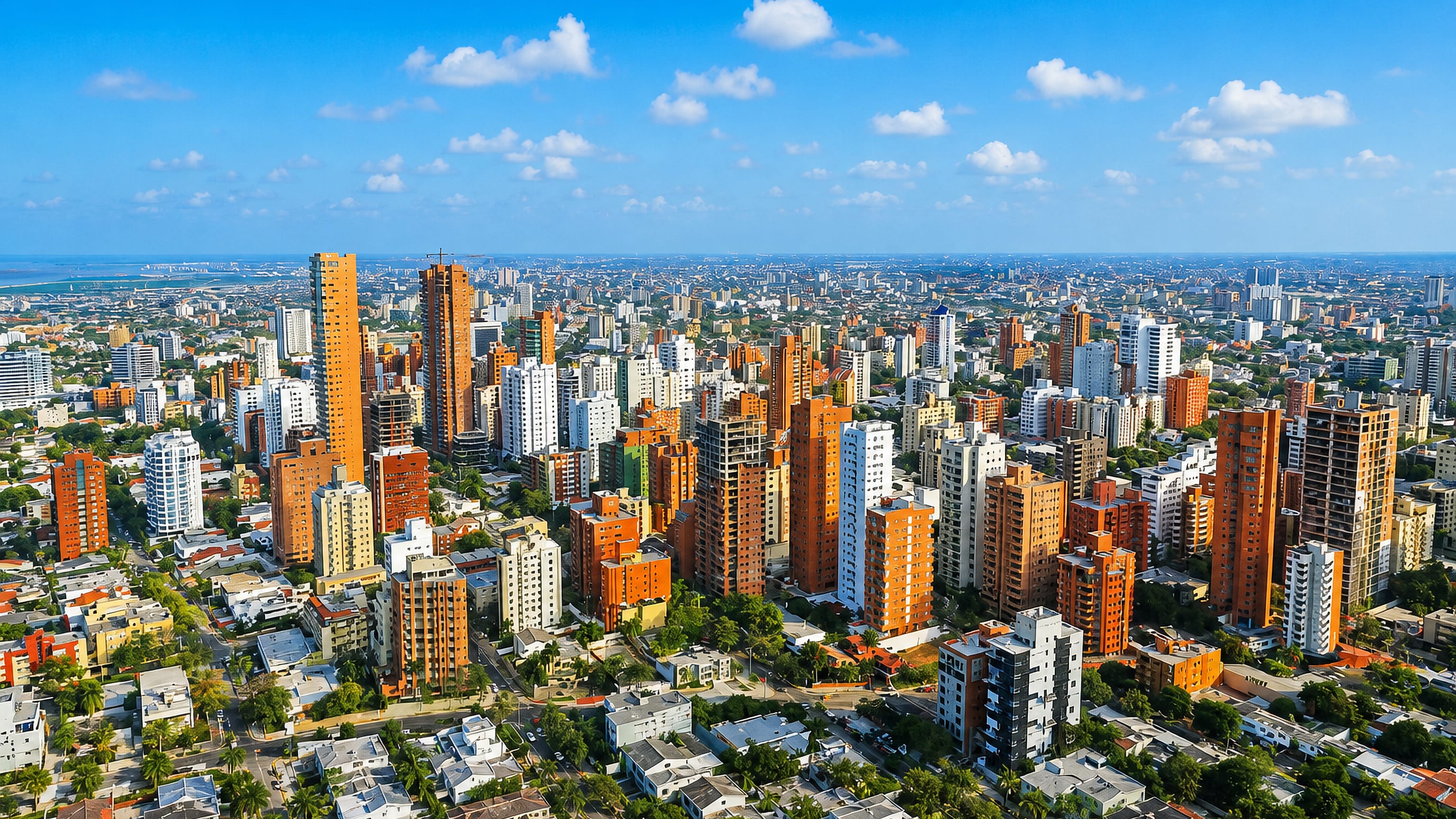
Colombia · Departamento del Atlántico
Where to Stay in Barranquilla, Departamento del Atlántico
Carnaval runs Barranquilla for four days. A Caribbean port at the Magdalena River's mouth, capital of the Departamento del Atlántico.
Hotel links are affiliate links: booking through them may earn us a commission, at no extra cost to you. It never affects how places are ranked. How this works


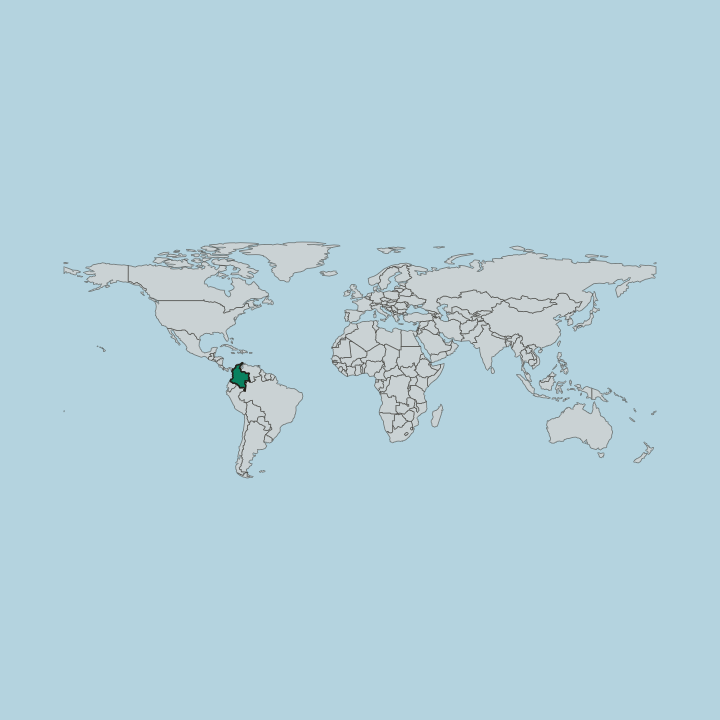
Where to stay in Barranquilla
How the choice of base plays out on the ground.
Timing beats geography here. Beds across Barranquilla go early for the four days of Carnaval de Barranquilla before Ash Wednesday, and in that week the question is whether a room exists at all rather than which street it stands on. Out of season the choice opens up.
Queen Mary Cathedral, Saint-Roch Church and the Iglesia de la Inmaculada Concepción anchor the older built city, and that is the most walkable base. Museums cluster near it. The Museo del Atlántico, the Museo Romántico and the Biblioteca Pública Departamental Meira Delmar belong to the same civic layer, and a central stay reaches all three without much effort.
Families look elsewhere. The Zoológico de Barranquilla and the Museo del Carnaval hold a day between them, and the Monumento a la Bandera and the Estatua del Joe Arroyo add the kind of stop that takes only a walk. The river changes the feel.
Barranquilla stands close to the mouth of the Magdalena River, which empties into the Caribbean Sea, and the port side of the city reads as working ground rather than as a resort strip. Barranquilla covers about 154 square kilometres. That is enough spread that a taxi or a car matters if the plan runs from Queen Mary Cathedral out to the Zoológico de Barranquilla in one afternoon.
Find hotels in Barranquilla
Direct booking searches for these neighbourhoods.
Queen Mary Cathedral
Queen Mary Cathedral and Saint-Roch Church put the older built city within one walk of the door.Find hotels in Queen Mary CathedralCarnaval de Barranquilla visitors who want the Museo del Carnaval closeMuseo del Carnaval
The Museo del Carnaval keeps the parade legible in the months when nothing is marching.Find hotels in Museo del CarnavalFamilies splitting days between the Zoológico de Barranquilla and the Museo del AtlánticoZoológico de Barranquilla
The Zoológico de Barranquilla and the Museo del Atlántico give a family two unhurried mornings without a drive.Find hotels in Zoológico de BarranquillaArrivals drawn to the Magdalena River and the port side of BarranquillaMagdalena River front
The Magdalena River empties into the Caribbean Sea past this edge, and the port streets read nothing like the cathedral ones. Beds are limited here, so book early.Find hotels in Magdalena River frontHotel links are affiliate links: booking through them may earn us a commission, at no extra cost to you. It never affects how places are ranked. How this works
Things to do in Barranquilla
Ranked by global recognition; descriptions from Wikidata (CC0).
Museums & Galleries
3- zoologico de barranquilla
- Museo del Carnaval
- Museo del Atlántico
Churches & Religious Sites
3- Saint Nicholas of Tolentino Church Heritage
- Saint-Roch Church Heritage
- Iglesia de la Inmaculada Concepción Heritage
Castles & Historic Sites
2- Estatua del Joe Arroyo
- Monumento a la Bandera
worth knowingacross 3 categories in Barranquilla
About Barranquilla
What is Barranquilla known for?
Carnaval de Barranquilla is the reason most people come, four days of parade before Ash Wednesday that UNESCO named a masterpiece of the oral and intangible heritage of humanity in 2003. The Museo del Carnaval keeps it year-round. Music belongs to the city too, and the Estatua del Joe Arroyo stands for it.
Port work carries the rest: Barranquilla is the largest city and third port of the Caribbean coast region.
What are the main landmarks in Barranquilla?
Churches make the longest column. Queen Mary Cathedral, Saint-Roch Church, Our Lady of the Rosary Church and the Iglesia de la Inmaculada Concepción between them cover the city's religious building. The Museo del Carnaval explains the parade.
Museo del Atlántico, Museo Romántico, the Biblioteca Pública Departamental Meira Delmar, the Monumento a la Bandera, the Estatua del Joe Arroyo and the Zoológico de Barranquilla fill the rest of the list.
What is the history of Barranquilla?
Barranquilla dates its founding to 1813. The date is late by the standards of most Colombian cities, which is part of why Barranquilla reads as a working river port first and a historic capital second. The Magdalena River made that possible.
Its mouth on the Caribbean Sea gave the city a route inland, and the port that grew there became the third of the Caribbean coast region and the largest city on it. Carnaval grew with it. The four days before Ash Wednesday turned into an event large enough that UNESCO proclaimed the Carnaval de Barranquilla a masterpiece of the oral and intangible heritage of humanity in 2003.
The Museo del Carnaval holds the record of it. Church building ran alongside, and Queen Mary Cathedral, Saint-Roch Church, Our Lady of the Rosary Church and the Iglesia de la Inmaculada Concepción mark the parishes the growing city needed. Civic institutions came next.
The Museo del Atlántico gathers the departmental record, the Biblioteca Pública Departamental Meira Delmar the written one, and the Museo Romántico a third strand of the same story. Monuments name the rest. The Monumento a la Bandera marks the flag, and the Estatua del Joe Arroyo gives one name its own place on the street.
Barranquilla is the capital district of the Departamento del Atlántico, and every one of those institutions works at departmental scale rather than for the city alone.
Where is Barranquilla?
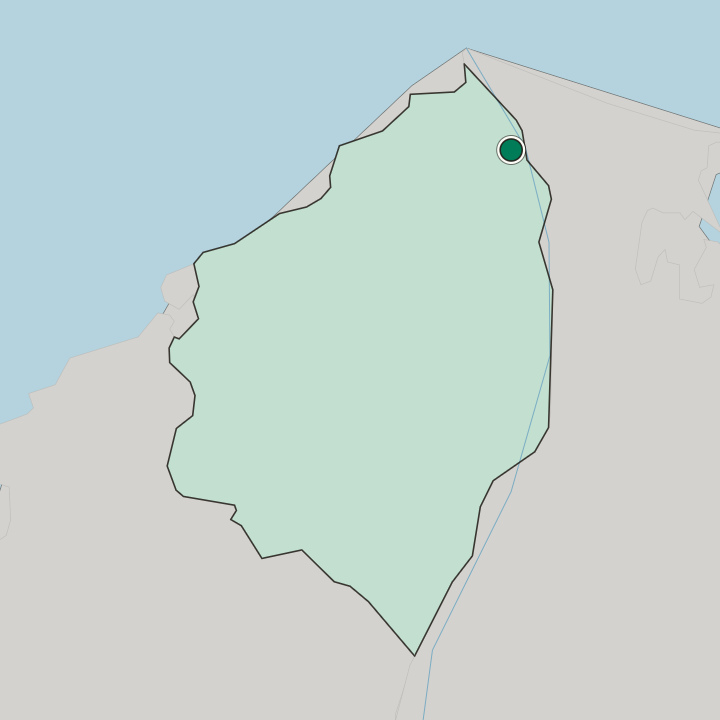
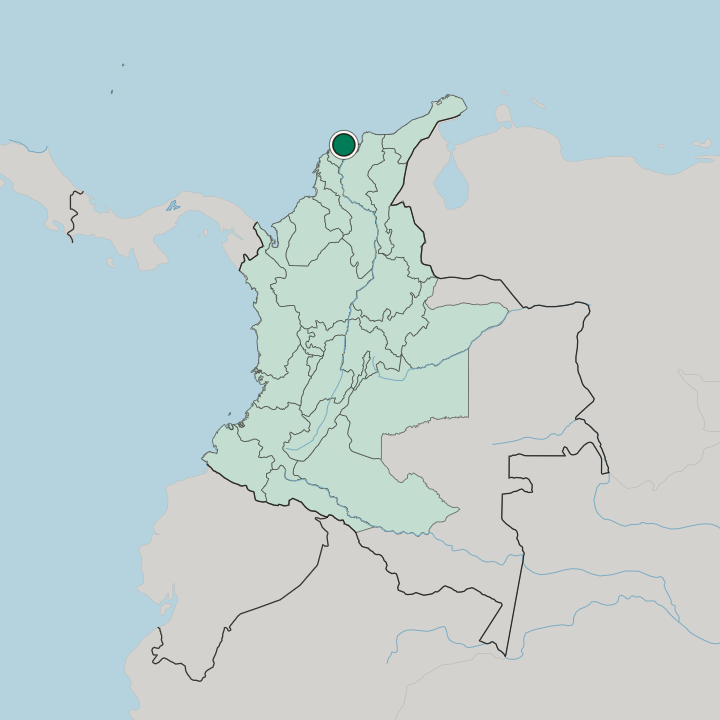
Barranquilla sits on the Caribbean coast. The city stands close to the mouth of the Magdalena River, and the Caribbean Sea takes that water in a short way beyond the built edge of the Departamento del Atlántico. The municipality covers about 154 square kilometres.
Flat, tropical and low, this coast has none of the highland cold that marks the interior of Colombia.
What is the climate of Barranquilla?
The Caribbean Sea sets the terms. Sea air keeps Barranquilla warm and humid through every month of the year, and the wind off the water is the only thing that makes the middle of a hot afternoon workable. Rain arrives in spells.
The four days of Carnaval de Barranquilla fall before Ash Wednesday, and a street parade of that length depends on weather the coast can usually be trusted to supply.
How do you get to Barranquilla?
Water brought the city its traffic. The Magdalena River runs down to its mouth beside Barranquilla and the Caribbean Sea takes it from there, which is how the port here outgrew the rest of the coast. Everything else arrives by road.
As the capital district of the Departamento del Atlántico, Barranquilla is the point every departmental route runs to, and arrivals for Carnaval de Barranquilla fill those roads for four days each year.
Common questions
What is the best area to stay in Barranquilla?
Queen Mary Cathedral: Walkers basing themselves by Queen Mary Cathedral and Saint-Roch Church. Museo del Carnaval: Carnaval de Barranquilla visitors who want the Museo del Carnaval close. Zoológico de Barranquilla: Families splitting days between the Zoológico de Barranquilla and the Museo del Atlántico. Magdalena River front: Arrivals drawn to the Magdalena River and the port side of Barranquilla.
Good for
Another city in Departamento del Atlántico
Updated October 2026