Colombia
Departamento del Atlántico, Colombia — Towns & Travel Guide
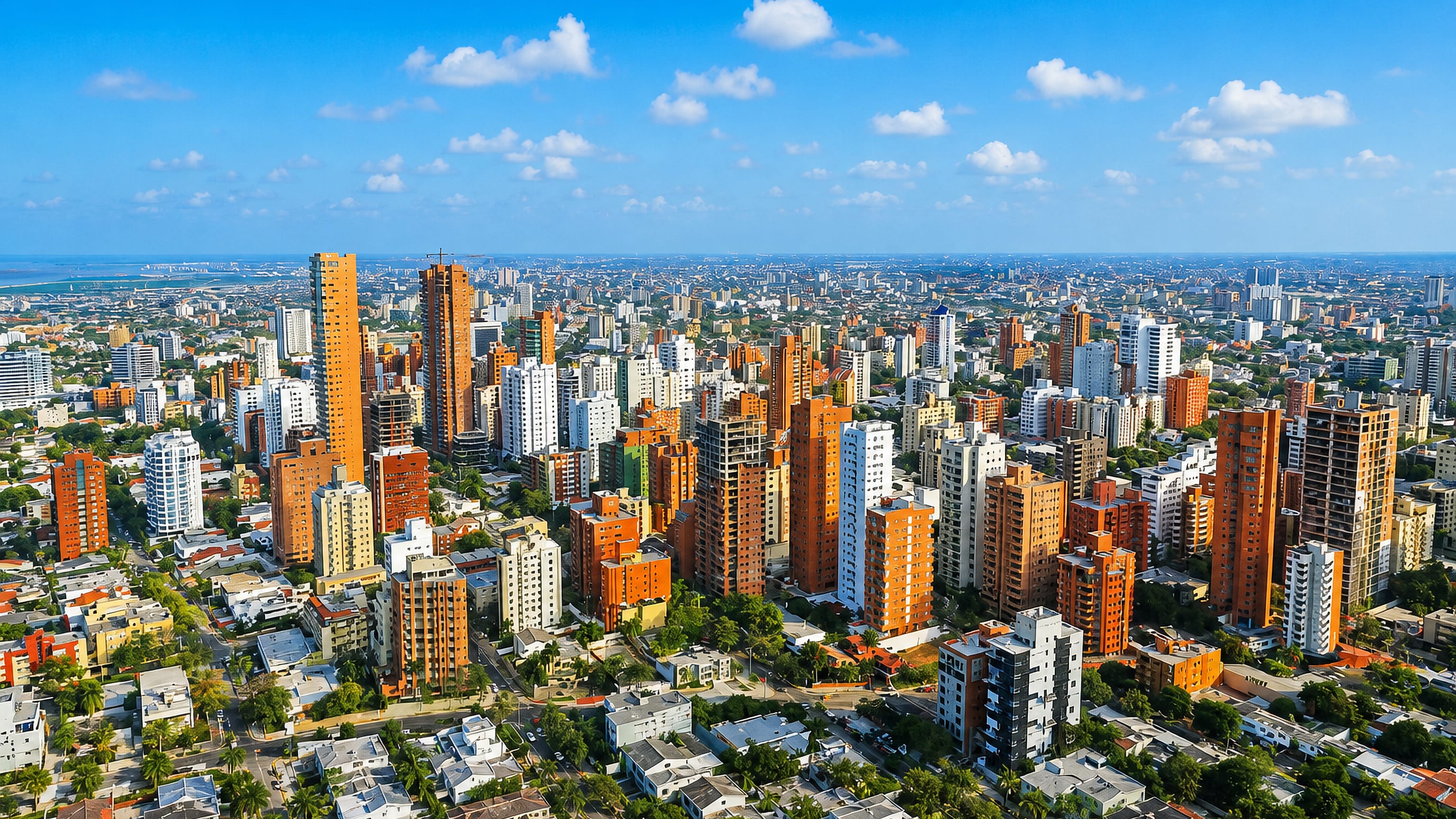
Atlántico is Colombia's small Caribbean-coast department, where the Magdalena River meets the sea at the port of Barranquilla.
Hotel links are affiliate links: booking through them may earn us a commission, at no extra cost to you. It never affects how places are ranked. How this works


Towns & cities in Departamento del Atlántico
Pick a town or city — each links to where to stay.

 Colombia
Barranquilla
Carnaval runs Barranquilla for four days. A Caribbean port at the Magdalena River's mouth, capital of the Departamento del Atlántico.Where to stay →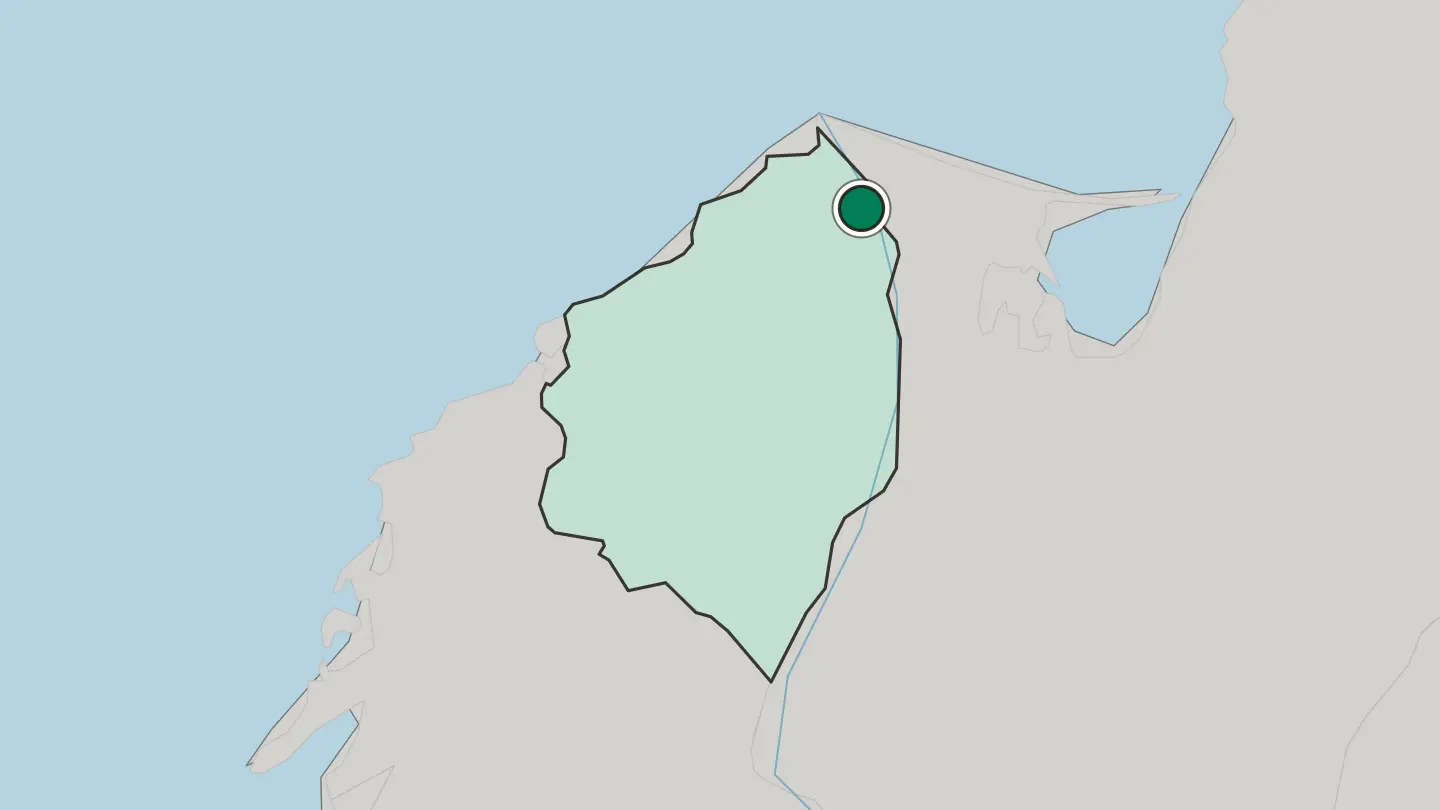 Colombia
Soledad
Soledad predates its big neighbour. Founded in 1598, it now sits inside the Metropolitan area of Barranquilla in the Departamento del Atlántico.Where to stay →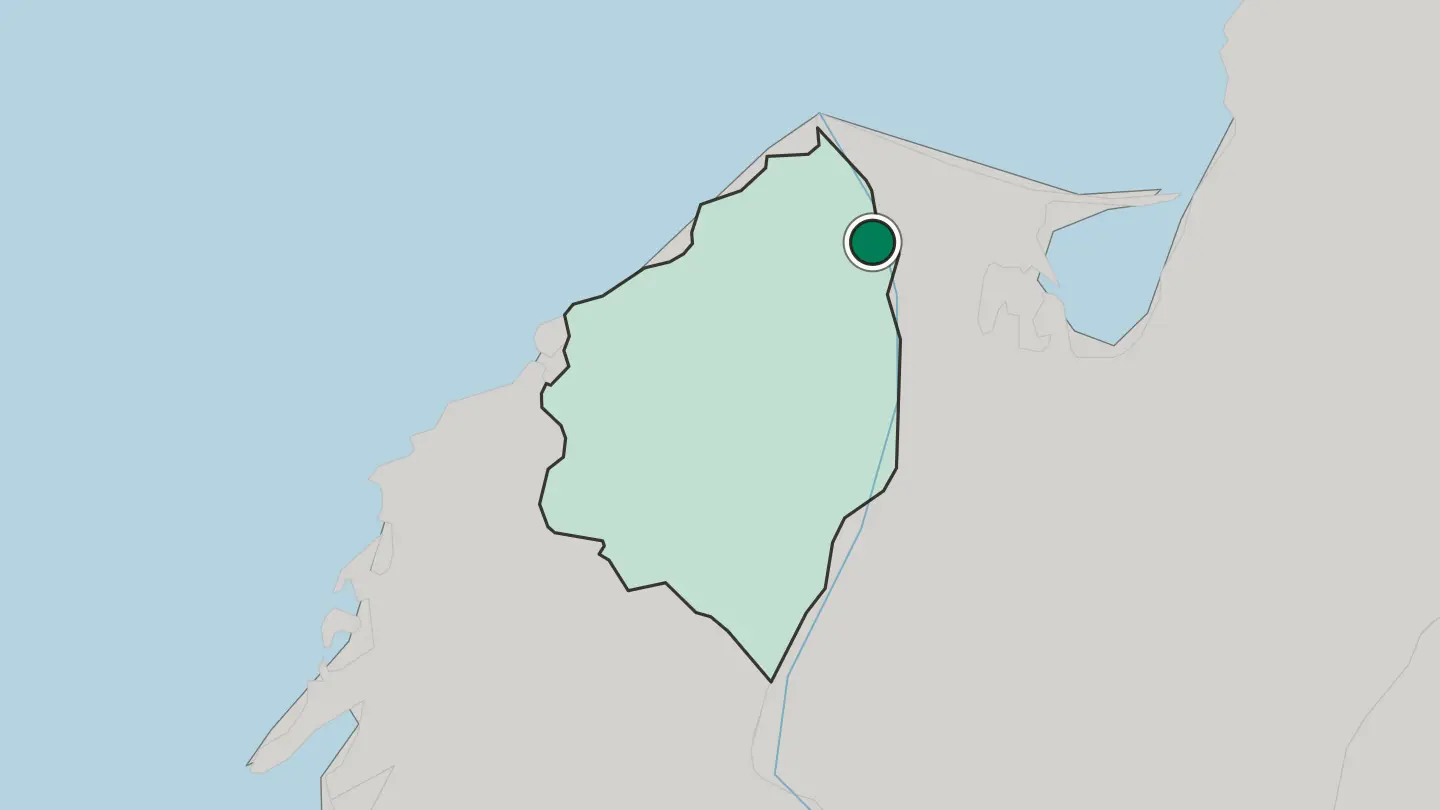
Hotel links are affiliate links: booking through them may earn us a commission, at no extra cost to you. It never affects how places are ranked. How this works
About Departamento del Atlántico
Barranquilla is the reason to come.
What is Departamento del Atlántico known for?
Colombia's fourth-largest city sits on the west bank of the Magdalena River, a few kilometres upstream from where the water spills into the Caribbean Sea. Each year before Lent the city stages Barranquilla's Carnival, a UNESCO-listed street festival of cumbia bands, masked dancers, and floats that pulls in visitors from across the country. Beyond the parades, the department trades on its port, its beaches, and a coastal-plain landscape that stays hot the whole year round.
Where is Departamento del Atlántico?
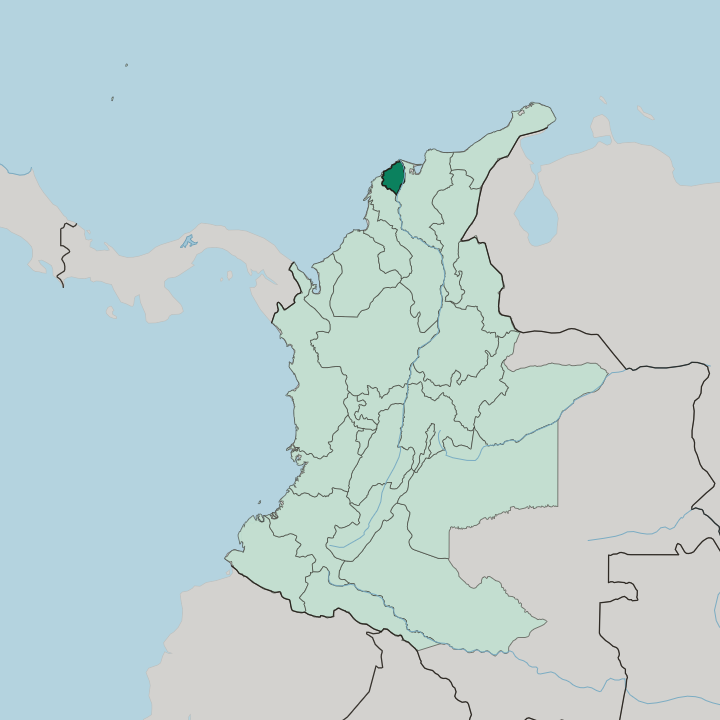
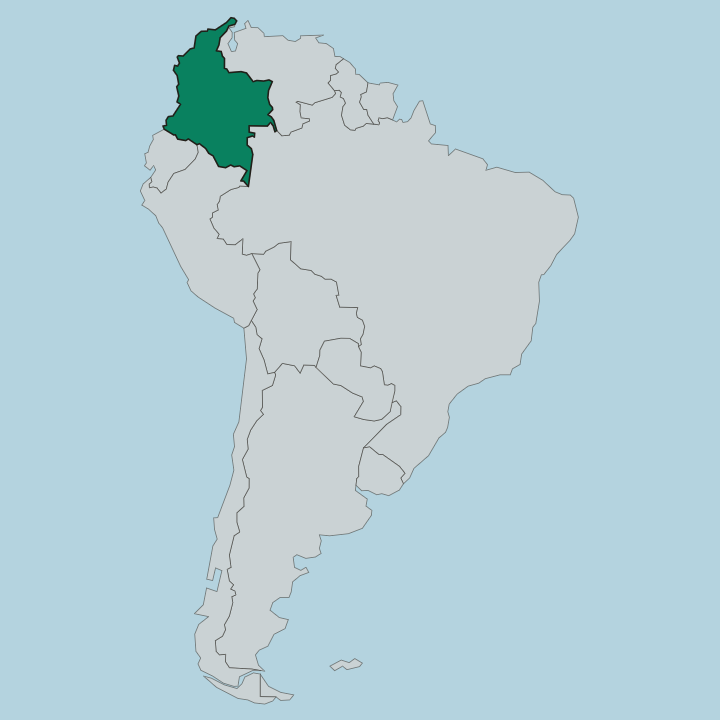
Atlántico occupies the northern edge of Colombia, a wedge of Caribbean coastal plain pressed between a great river and the open sea. The department is tiny by area. It is one of the smallest in the country, yet ranks among the most crowded of them all.
The Caribbean Sea forms its entire northern shore, some ninety kilometres of low beaches. To the east the Magdalena River draws a hard boundary, dividing Atlántico from Magdalena Department on the far bank. That river is the spine of the region.
It has carried Andean water north for its whole length, and it reaches the sea here, at the outlet the locals call Bocas de Ceniza just past Barranquilla. The land is flat and low. This is the wider Caribbean coastal plain that fringes northern Colombia, broken only by a few coastal lagoons.
West and south the Canal del Dique, an old Spanish-cut waterway, separates the department from Bolívar Department around Cartagena. The largest of the lagoons is the Ciénaga de Mallorquín, set near the river mouth. Nothing here sits far from water.
The sea lies north, the Magdalena River east, and the canal to the south-west, so the department is nearly ringed by it.
What is Departamento del Atlántico like?
Culture here begins with Barranquilla's Carnival. Held over the four days before Ash Wednesday, it is the largest folk festival in Colombia and, since 2003, a UNESCO Masterpiece of the Oral and Intangible Heritage of Humanity. The parades braid together strands the port city gathered over a century of trade.
European, African, and Indigenous traditions all feed the dances and the drumming. Out of that mix came cumbia, the coastal rhythm of accordion and drum that belongs to this stretch of the Caribbean Sea as much as to anywhere in the country. The blend runs past the music.
Barranquilla grew as an open door, taking in migrants from Europe, the Middle East, and Asia through its port on the Magdalena River, and the food shows it. Kitchens across Atlántico fold Arab, African, and Indigenous cooking into one coastal table. Spanish is the common tongue, spoken with the quick, dropped-consonant cadence of the Colombian coast.
Life leans outdoors and loud. The heat, the river, and the sea shape a culture that is unmistakably costeño rather than Andean.
What is the history of Departamento del Atlántico?
Atlántico was carved out of Bolívar Department and made a department in its own right in 1910, with Barranquilla as its capital. The city had already become the country's main Caribbean port by then, its wharves crowded with migrants arriving from Europe, the Middle East, and Asia through the mouth of the Magdalena River. Trade built the place.
By the middle of the twentieth century Barranquilla ranked among the most modern cities in Colombia, and the wealth that moved through its docks shaped the whole department around it.
What is the climate of Departamento del Atlántico?
It is hot all year. Atlántico sits deep in the tropics on the Caribbean Sea, so temperatures barely shift between seasons and the air stays heavy with humidity. What changes is the rain.
A drier, breezier spell runs from about December to March, when trade winds sweep the coast around Barranquilla, before a wetter stretch settles over the second half of the year. The Magdalena River and the sea keep the whole department warm and damp from one month to the next.
How do you get to Departamento del Atlántico?
Most travellers reach Atlántico by air. Most visitors land at Ernesto Cortissoz, the international airport that sits in Soledad on the southern edge of Barranquilla, with flights from Bogotá, other Colombian cities, and a handful of destinations abroad. From the terminal it is a short road into the capital.
Overland, buses run along the Caribbean coast from Cartagena to the west and from Santa Marta to the east, the Santa Marta road crossing the Magdalena River by bridge to reach Barranquilla. The port takes cargo and the occasional cruise call.
Common questions
What is the best area to stay in Departamento del Atlántico?
Barranquilla: the carnival and the river port. Puerto Colombia: beaches and the historic pier. Soledad: staying beside the airport.
Good for
More regions in Colombia
- Distrito Capital de Bogotá
- Departamento de Antioquia
- Departamento del Valle del Cauca
- Departamento de Cundinamarca
- Departamento de Santander
- Departamento de Bolívar
- Departamento de Córdoba
- Departamento de Nariño
- Departamento de Norte de Santander
- Departamento del Cauca
- Departamento del Magdalena
- Departamento de Tolima
Updated October 2026