Colombia · Departamento del Atlántico
Where to Stay in Soledad, Departamento del Atlántico
Soledad predates its big neighbour. Founded in 1598, it now sits inside the Metropolitan area of Barranquilla in the Departamento del Atlántico.
Hotel links are affiliate links: booking through them may earn us a commission, at no extra cost to you. It never affects how places are ranked. How this works


Where to stay in Soledad
Where visitors usually base themselves, and why.
Most beds in this metropolitan area are on the Barranquilla side, which makes the choice for Soledad less about neighbourhoods than about whether to stay in the older town at all. Some travellers do. The Casa de Bolívar and the Templo Parroquial San Antonio de Padua sit in the part of Soledad that dates from 1598, and rooms near them suit you if a quieter base matters more than a short walk to the museums.
Rooms are few in that quarter. The alternative is obvious. Crossing into Barranquilla puts the Museo del Carnaval, the Museo del Atlántico and the Biblioteca Pública Departamental Meira Delmar within an ordinary journey, and the Zoológico de Barranquilla too.
Monuments come with it. The Monumento a la Bandera and the Estatua del Joe Arroyo stand on that side, along with Queen Mary Cathedral, Saint-Roch Church and the Iglesia de la Inmaculada Concepción, so a metropolitan stay covers far more ground than a Soledad one. Soledad and Barranquilla run together.
The built ground of Soledad runs straight into Barranquilla's without much of a gap, so the practical distance between an old-town bed and a museum morning stays short. Cartagena and Barranquilla are the larger names on this coast, and a traveller moving through the Caribbean region usually sleeps in one of the two rather than in Soledad itself. Anyone choosing otherwise is choosing the older parish streets and the Casa de Bolívar over the museum quarter.
Find hotels in Soledad
Direct booking searches for these neighbourhoods.
Casa de Bolívar
The Casa de Bolívar marks the pre-metropolitan core, the one part of Soledad that still reads as a town of 1598. Lodging is scarce in this area; reserve in advance.Find hotels in Casa de BolívarParish-side nights around the Templo Parroquial San Antonio de PaduaTemplo Parroquial San Antonio de Padua
The Templo Parroquial San Antonio de Padua anchors Soledad's parish streets, quieter than anything over the metropolitan line. Few places to stay nearby — book ahead.Find hotels in Templo Parroquial San Antonio de PaduaVisitors who want the Museo del Atlántico nearer than Soledad's own parish coreBarranquilla side of the metropolitan area
Crossing the line puts the Museo del Atlántico, the Monumento a la Bandera and the Biblioteca Pública Departamental Meira Delmar in reach.Find hotels in Barranquilla side of the metropolitan areaHotel links are affiliate links: booking through them may earn us a commission, at no extra cost to you. It never affects how places are ranked. How this works
About Soledad
Age is the surprise here.
What is Soledad known for?
Soledad was founded in 1598, long before the metropolitan area around it existed, and the Casa de Bolívar and the Templo Parroquial San Antonio de Padua are what survives of that older town. Only Barranquilla and Cartagena are larger in the Caribbean region. Everything else the visitor comes for sits across the metropolitan line, from the Museo del Carnaval to the Zoológico de Barranquilla.
What are the main landmarks in Soledad?
Two names belong to Soledad itself. The Casa de Bolívar and the Templo Parroquial San Antonio de Padua carry the town founded in 1598, and everything else on the local list stands in the wider Metropolitan area of Barranquilla. Queen Mary Cathedral leads that column.
Saint-Roch Church, Our Lady of the Rosary Church, the Iglesia de la Inmaculada Concepción, the Museo del Carnaval, the Museo del Atlántico, the Museo Romántico and the Zoológico de Barranquilla follow it.
What is the history of Soledad?
The town is older than the city beside it. Soledad dates its founding to 1598, which places it among the early settlements of what is now the Colombian department of Atlántico, long before anything resembling a metropolitan area took shape on this coast. Two buildings hold that memory.
The Templo Parroquial San Antonio de Padua marks the parish and the Casa de Bolívar the household side, and together they are the whole of what the old town left standing on the local list. Barranquilla changed the arithmetic. The port beside it grew into the largest city of the Caribbean region, and Soledad became part of the Metropolitan area of Barranquilla rather than a separate town with its own hinterland.
The boundary stopped mattering. Only Barranquilla and Cartagena stand larger in the Caribbean region, which makes Soledad a major place inside the Colombian department of Atlántico while still reading, to a visitor, as an extension of its neighbour. The metropolitan record is shared.
Queen Mary Cathedral, Saint-Roch Church, Our Lady of the Rosary Church and the Iglesia de la Inmaculada Concepción belong to the same religious history that shaped both municipalities, and the Museo del Atlántico and the Biblioteca Pública Departamental Meira Delmar keep the departmental account for both. The Museo del Carnaval sits on the other side. So does the Estatua del Joe Arroyo, and the Monumento a la Bandera, which is why a history of Soledad runs through Barranquilla's landmarks as much as through its own 1598 core.
Where is Soledad?
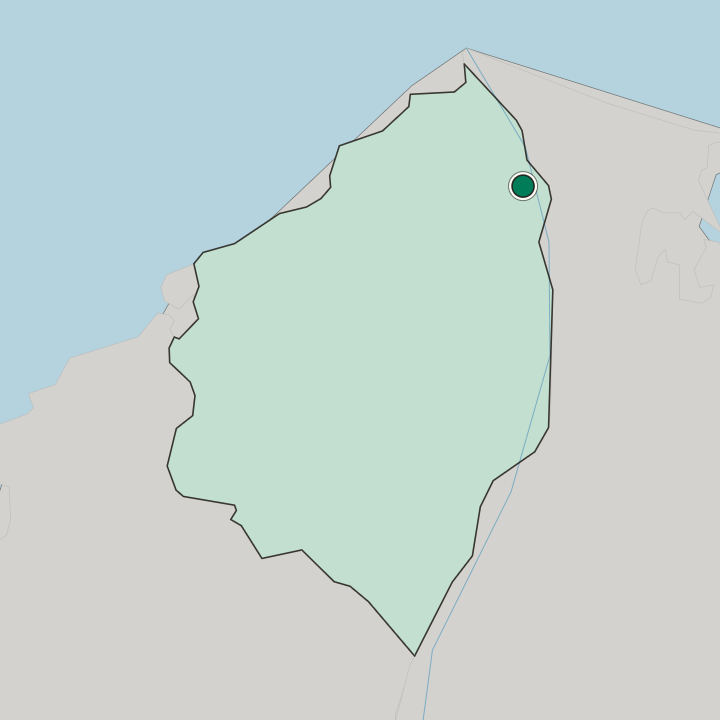
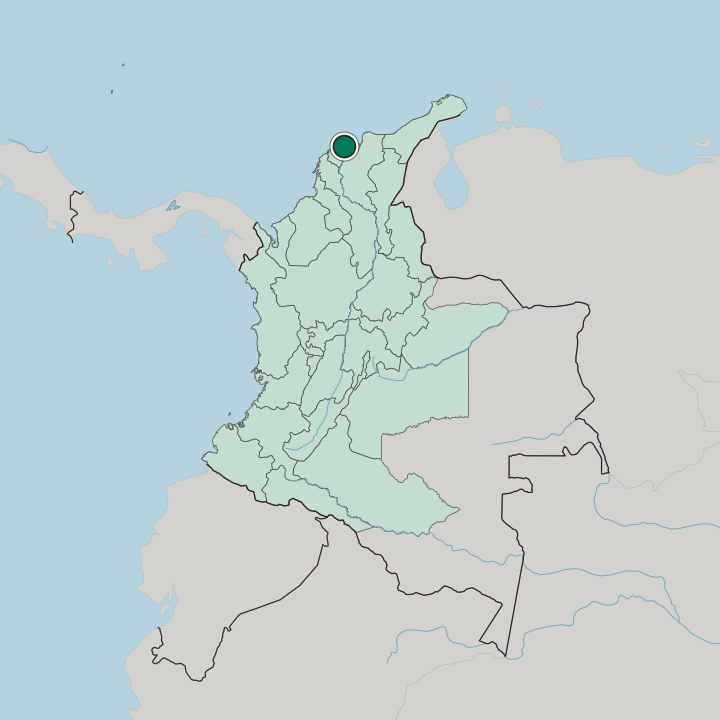
Soledad covers about 67 square kilometres, which makes it one of the tighter municipalities of the Colombian department of Atlántico. Nothing separates the two municipalities. Barranquilla adjoins it, and the built ground of the Metropolitan area of Barranquilla continues across the municipal line without a break that a visitor would notice on the way through.
North of the equator and inside the tropics, Soledad shares its position and its weather with the rest of that metropolitan area.
What is the climate of Soledad?
Expect heat whenever you come. Soledad sits north of the equator and inside the tropics, so the year offers no cold season at all and the difference between one month and the next comes down to how much rain falls. Shade matters more than a jacket.
Walking the streets around the Templo Parroquial San Antonio de Padua or crossing into Barranquilla for the Museo del Carnaval is easier early, and the same holds anywhere in the Metropolitan area of Barranquilla.
How do you get to Soledad?
Arrivals land in the metropolitan area, not in Soledad specifically, and the municipal boundary is the kind of line that a road crosses without announcing itself. Barranquilla is the reference point. Anything routed to the Metropolitan area of Barranquilla serves Soledad, and a visitor heading for the Casa de Bolívar simply continues past the museums of the neighbouring city.
The Templo Parroquial San Antonio de Padua is the landmark to steer by once inside the older streets.
Common questions
What is the best area to stay in Soledad?
Casa de Bolívar: Stays in old Soledad within sight of the Casa de Bolívar. Templo Parroquial San Antonio de Padua: Parish-side nights around the Templo Parroquial San Antonio de Padua. Barranquilla side of the metropolitan area: Visitors who want the Museo del Atlántico nearer than Soledad's own parish core.
Good for
Another city in Departamento del Atlántico
Updated October 2026