Colombia · Departamento del Cauca
Where to Stay in Popayán, Departamento del Cauca
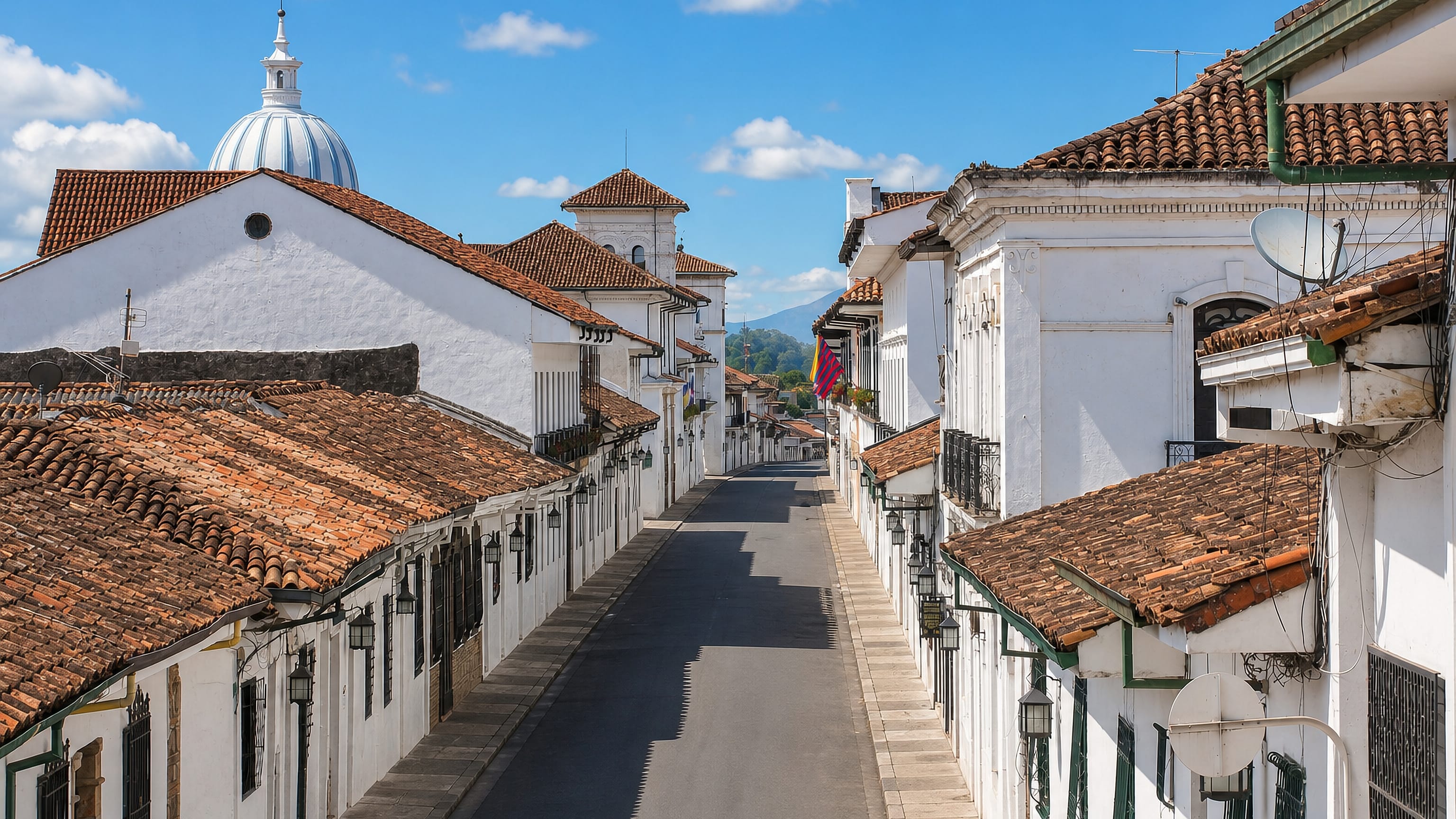
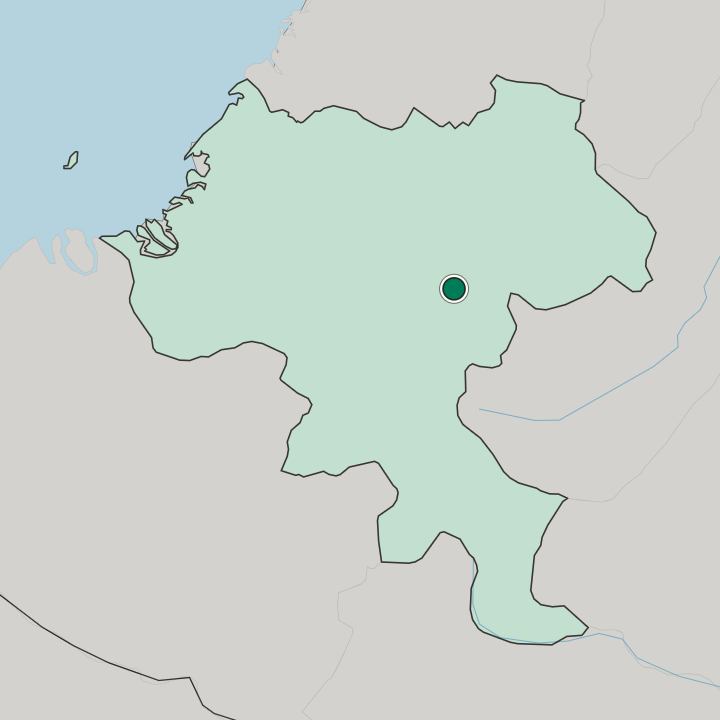
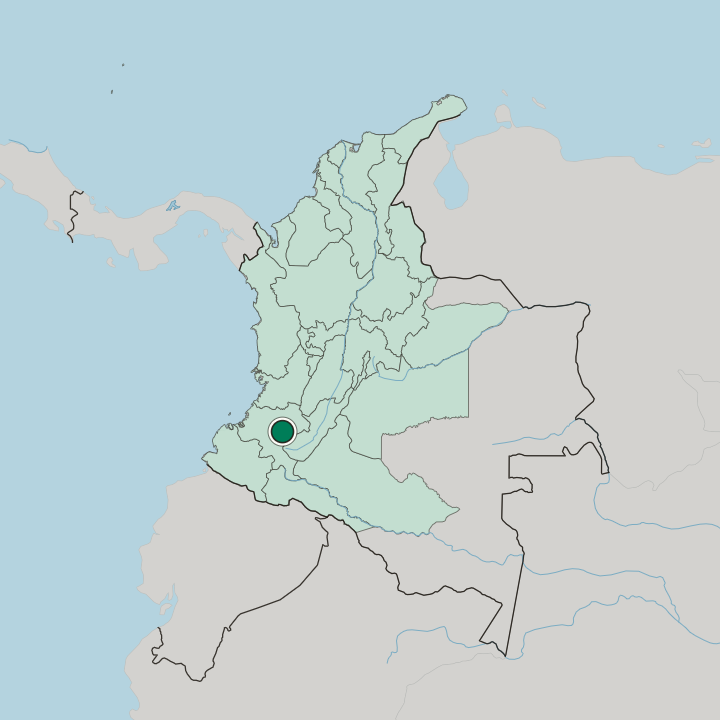
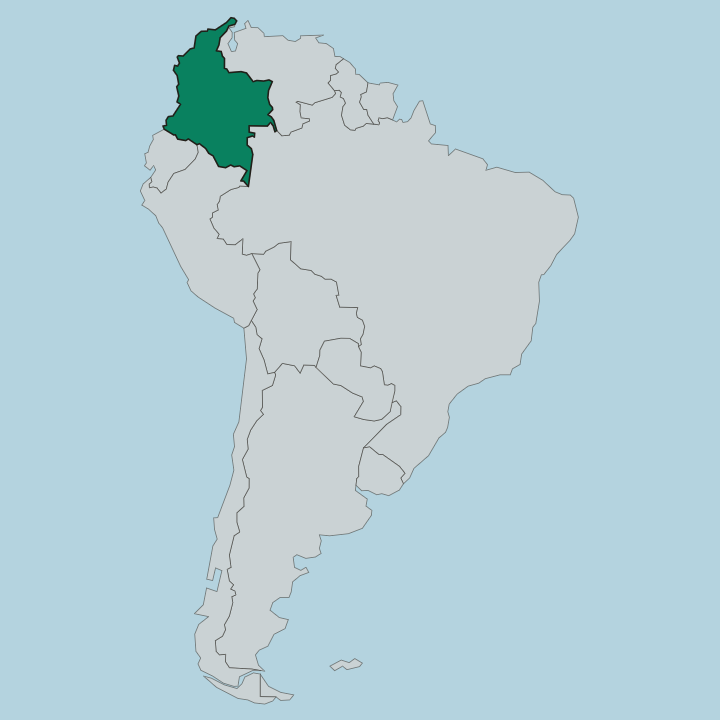
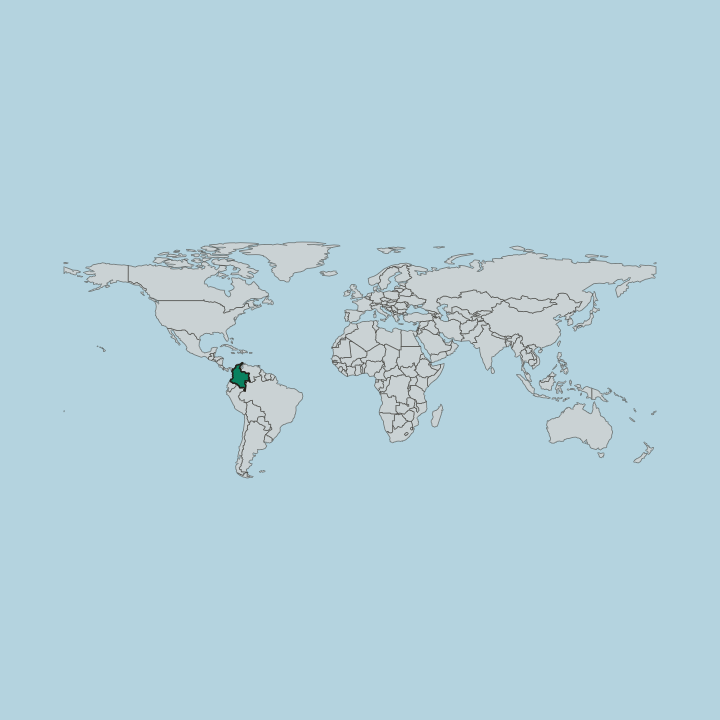
Popayán, the colonial-era capital of Cauca, stands in the Pubenza Valley of southwestern Colombia between the Western and Central Mountain Ranges.
Hotel links are affiliate links: booking through them may earn us a commission, at no extra cost to you. It never affects how places are ranked. How this works


Where to stay in Popayán
Where the beds are, and what that means for the visit.
Almost everything is in the Sector Antiguo. The old grid of Popayán gathers the Cathedral Basilica of Our Lady of the Assumption, the Church of Saint Francis of Assisi, the Church of Saint Dominic of Guzmán, and the Ermita de Jesús Nazareno within a few blocks of one another, which makes a central bed the obvious choice. Semana Santa is the exception.
Rooms inside the old city go early when the Procesiones de Semana Santa fill the streets, and a stay further out costs a walk in but keeps the nights quieter. The Morro del Tulcán gives the other reason to shift. It overlooks Popayán, and the streets beneath it trade the concentration of the Sector Antiguo for a short climb and a wider view over the Pubenza Valley.
University life fills another quarter. The Casa de Postgrados y del Conservatorio de la Universidad del Cauca and the Paraninfo Caldas keep those blocks in use through the week, and the Teatro Municipal Guillermo Valencia puts something on within walking distance of them. If you have come for the museums, stay central.
The Popayán Archdiocesan Museum of Religious Art, the Casa Museo Mosquera, and the Casa Museo Negret all sit inside the same walkable core, and the Estación del Ferrocarril Popayán marks about as far as the centre reaches.
Find hotels in Popayán
Direct booking searches for these neighbourhoods.
Sector Antiguo
The Sector Antiguo de la ciudad de Popayán puts the Cathedral Basilica of Our Lady of the Assumption, the Church of Saint Francis of Assisi, and the Casa Museo Mosquera inside one grid.Find hotels in Sector AntiguoA short climb up the Morro del Tulcán before breakfastBelow the Morro del Tulcán
The Morro del Tulcán overlooks Popayán, and the streets beneath it trade the density of the Sector Antiguo for a view over the Pubenza Valley.Find hotels in Below the Morro del TulcánTerm-time streets by the Paraninfo Caldas and the ConservatorioAround the Universidad del Cauca
The Casa de Postgrados y del Conservatorio de la Universidad del Cauca and the Paraninfo Caldas keep this part of Popayán busy through the working week.Find hotels in Around the Universidad del CaucaQuieter blocks out toward the Estación del Ferrocarril PopayánThe old railway edge
The Estación del Ferrocarril Popayán marks the far side of the centre, where the colonial grid loosens and the Semana Santa crowds thin out.Find hotels in The old railway edgeHotel links are affiliate links: booking through them may earn us a commission, at no extra cost to you. It never affects how places are ranked. How this works
Things to do in Popayán
Ranked by global recognition; descriptions from Wikidata (CC0).
Museums & Galleries
3- Popayán Archdiocesan Museum of Religious Art
- Casa Museo Mosquera
- Casa Museo Negret Museo Iberoamericano de Arte Moderno de Popayán Miamp
Churches & Religious Sites
3- Cathedral Basilica of Our Lady of the Assumption, Popayán
- Church of Saint Dominic of Guzmán
- Church of Saint Joseph
Castles & Historic Sites
8- Church of Saint Francis of Assisi Heritage
- Teatro Municipal Guillermo Valencia Heritage
- Casa de Postgrados y del Conservatorio de la Universidad del Cauca Heritage
- Paraninfo Caldas Heritage
- Casa Caldas Heritage
Show 3 more →
- Casa Mosquera Pombo Heritage
- Casa Torres Tenorio Heritage
- Casa del Museo Arquidiocesano de Arte Religioso Heritage
worth knowingacross 3 categories in Popayán
About Popayán
What is Popayán known for?
The old core is compact and walkable, the Sector Antiguo de la ciudad de Popayán holding a colonial grid of churches, house-museums, and civic buildings that has survived as a single piece. Holy Week matters here. One protected house in the Sector Antiguo exists for the Procesiones de Semana Santa alone, and the Cathedral Basilica of Our Lady of the Assumption anchors the religious weight of the Cauca capital.
The Morro del Tulcán overlooks the city.
What are the main landmarks in Popayán?
Popayán's landmark list runs long. The Cathedral Basilica of Our Lady of the Assumption leads it, with the Church of Saint Francis of Assisi, the Church of Saint Augustine, the Church of Our Lady of the Incarnation, and the Church of Saint Joseph filling out the colonial religious core. Secular sites answer them.
The Morro del Tulcán stands over the city, the Teatro Municipal Guillermo Valencia and the Paraninfo Caldas carry its civic life, and the Chorrito de San Camilo remains one of the small fixed points of the Sector Antiguo.
What is the history of Popayán?
Popayán dates from 1537. The Spanish laid it out in the Pubenza Valley between the Western Mountain Range and the Central Mountain Range, on ground where the Morro del Tulcán already stood above the site. Churches followed the grid.
The Cathedral Basilica of Our Lady of the Assumption, the Church of Saint Francis of Assisi, the Church of Saint Dominic of Guzmán, and the Ermita de Jesús Nazareno record successive stages of the colonial city, and the Sector Antiguo de la ciudad de Popayán still holds them in the plan they were built into. Families left their names on the houses. Casa Caldas, Casa Mosquera Pombo, and Casa Torres Tenorio survive as protected buildings, the Casa Museo Mosquera keeps one of those households open, and the house where Guillermo León Valencia lived and died carries a later chapter of the same lineage.
The Universidad del Cauca gave the city a second role. Its Casa de Postgrados y del Conservatorio and the Paraninfo Caldas made Popayán a place of study as well as a departmental seat, and the Teatro Municipal Guillermo Valencia added a stage to it. Rail arrived and left its own marks.
The Estación del Ferrocarril Popayán and the Estación del Ferrocarril Puracé stand as the built record of that period in the Cauca valley country. Holy Week runs through all of it. One house in the Sector Antiguo is set aside for the Procesiones de Semana Santa, a practice that ties the modern city back to the churches raised after 1537.
Where is Popayán?
Popayán lies in the Pubenza Valley of southwestern Colombia. Two cordilleras frame it. The Western Mountain Range stands to one side and the Central Mountain Range to the other, holding the city well above sea level on a valley floor that keeps the Cauca capital cool for the tropics.
The Morro del Tulcán rises from that floor.
What is the climate of Popayán?
Altitude does the work here. Popayán sits in the tropics but well above sea level in the Pubenza Valley, so the Western Mountain Range and the Central Mountain Range hold it at a steady mild temperature rather than the heat of the lowlands. Seasons here are wet and dry.
Travellers pack a layer for the evenings, which is not something the Colombian lowlands ask for, and the valley air stays even enough that the Sector Antiguo is walkable at any hour.
How do you get to Popayán?
The old line still has its stations. The Estación del Ferrocarril Popayán and the Estación del Ferrocarril Puracé survive as buildings, and travellers reaching the Cauca capital come along the valley road rather than on rails. Everything funnels through the Pubenza Valley.
Roads run the length of it between the Western Mountain Range and the Central Mountain Range, and Popayán sits on that route as the departmental seat of Cauca in southwestern Colombia.
Common questions
What is the best area to stay in Popayán?
Sector Antiguo: The colonial grid around the Cathedral Basilica of Popayán. Below the Morro del Tulcán: A short climb up the Morro del Tulcán before breakfast. Around the Universidad del Cauca: Term-time streets by the Paraninfo Caldas and the Conservatorio. The old railway edge: Quieter blocks out toward the Estación del Ferrocarril Popayán.
Good for
Updated October 2026