Czech Republic · Moravskoslezský kraj
Where to Stay in Ostrava, Moravskoslezský kraj
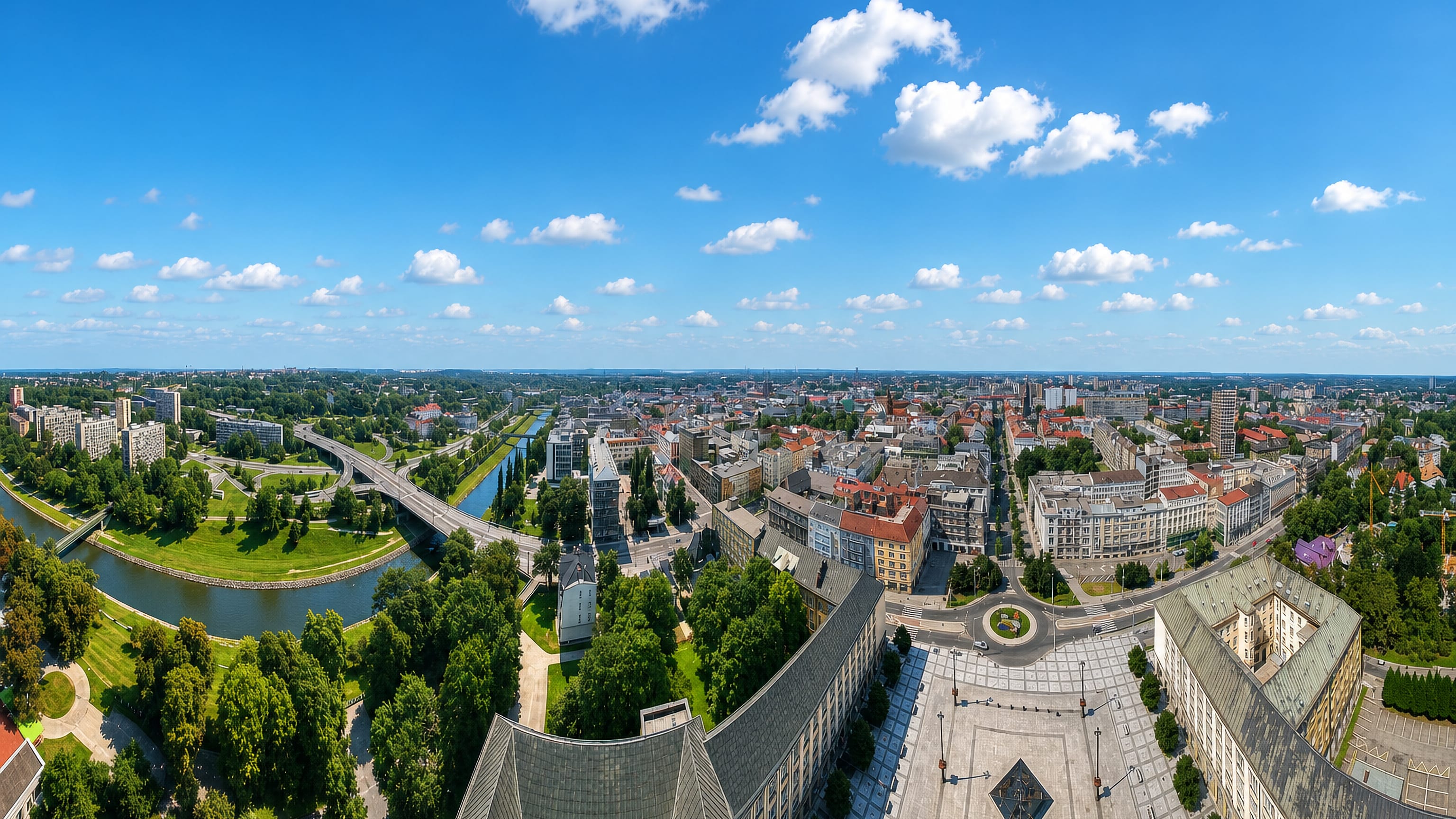
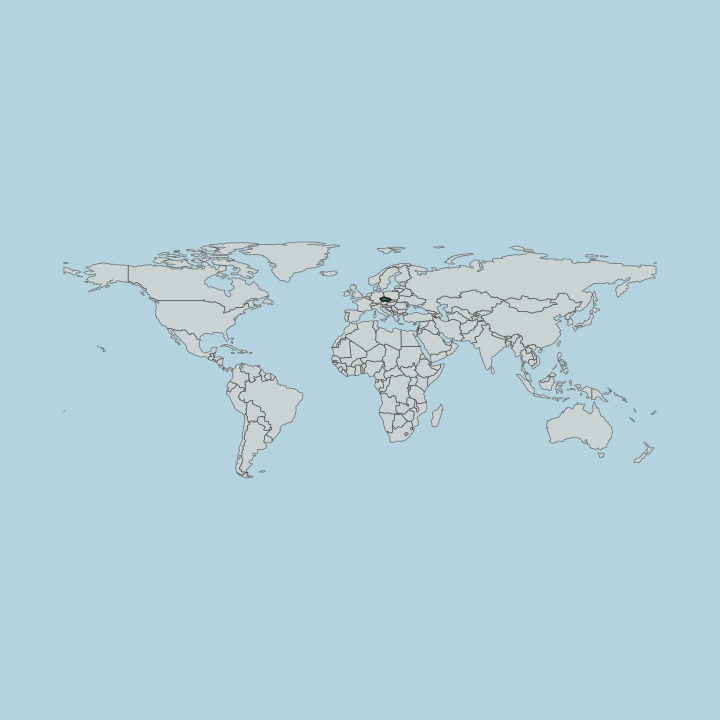
Four rivers meet at Ostrava, a city on the border of Moravia and Silesia in the Moravian-Silesian Region, known for Silesian Ostrava Castle.
Hotel links are affiliate links: booking through them may earn us a commission, at no extra cost to you. It never affects how places are ranked. How this works


Where to stay in Ostrava
Each area has its own feel; here's who each one suits.

 OstravaCzech Republic
Slezská Ostrava
Silesian Ostrava Castle anchors Slezská Ostrava, a district whose monuments count the dead of the Trojice, Salm and Ema pits.Where to stay → OstravaCzech Republic
Moravská Ostrava
Moravská Ostrava belongs to the city district of Moravská Ostrava a Přívoz, and the Gallery of Fine Arts in Ostrava stands inside it.Where to stay → OstravaCzech Republic
Přívoz
Přívoz is a municipal part of Ostrava on the Moravian side of the city, inside the city district of Moravská Ostrava a Přívoz.Where to stay →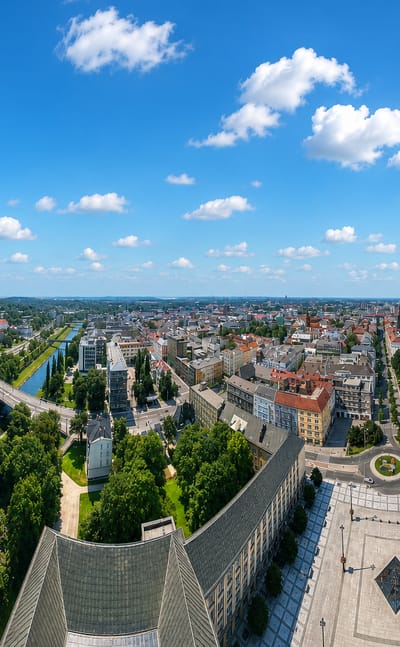 OstravaCzech Republic
Mariánské Hory
Mariánské Hory, an independent town until 1924, has shared a self-governing borough of Ostrava with Hulváky since 1990.Where to stay → OstravaCzech Republic
Vítkovice
Vítkovice stood as a town in its own right until 1924; Bolt Tower marks its ground on the left bank of the Ostravice.Where to stay →OstravaCzech RepublicZábřeh nad Odrou
Zábřeh nad Odrou, recorded simply as Zábřeh, is a municipal part of Ostrava lying within the Ostrava-Jih city district.Where to stay → OstravaCzech Republic
Hrabůvka
Hrabůvka sits in the Ostrava-Jih city district of Ostrava, its markers running from a rosary church to a memorial for RAF aviators.Where to stay → OstravaCzech Republic
Ostrava-Jih
Ostrava-Jih gathers Dubina, Hrabůvka, Zábřeh, Výškovice and Bělský Les into the most populous of Ostrava's city districts.Where to stay →Hotel links are affiliate links: booking through them may earn us a commission, at no extra cost to you. It never affects how places are ranked. How this works
Find hotels in Ostrava
Direct booking searches for these neighbourhoods.
The centre around the cathedral
The Ostrava centre gathers the Cathedral of the Divine Saviour and the Gallery of Fine Arts within a short walk of the Ostravice riverside.Find hotels in The centre around the cathedralMining heritage near Landek Castle above the Oder in OstravaSilesian Ostrava and Landek
Across the Ostravice, Silesian Ostrava Castle and Landek Castle rise over the old shafts of Czech Silesia above the Oder.Find hotels in Silesian Ostrava and LandekIndustrial heritage near the Bolt Tower and Ostrava ZooThe ironworks and the zoo
Out toward Ostrava Zoo, the Bolt Tower crowns the former blast furnaces of the ironworks away from the busy centre.Find hotels in The ironworks and the zooHotel links are affiliate links: booking through them may earn us a commission, at no extra cost to you. It never affects how places are ranked. How this works
Things to do in Ostrava
Ranked by global recognition; descriptions from Wikidata (CC0).
Museums & Galleries
3- Ostravské muzeum
- Gallery of Fine Arts in Ostrava
- Svět techniky Ostrava
Churches & Religious Sites
8- Cathedral of the Divine Saviour Heritage
- Church of Saint Wenceslaus (Ostrava) Heritage
- Kristův kostel Heritage
- Kostel Panny Marie Královny Heritage
- Church of the Immaculate Conception Heritage
Show 3 more →
- Church of Saint Paul Heritage
- Church of Saint Joseph Heritage
- Kostel svatého Františka a Viktora Heritage
Castles & Historic Sites
7- Silesian Ostrava Castle Heritage
- Landek Castle Heritage
- Rothschild Palace in Vítkovice Heritage
- Castle in Zábřeh Heritage
- Památník rudoarmějců Heritage
Show 2 more →
- Pomník osvobození Rudou armádou Heritage
- Monument of Miloš Sýkora in Slezská Ostrava Heritage
Parks & Gardens
1- Miniature park Miniuni
Landmarks & Notable Places
8- Brouk a Babka Heritage
- 1 Hlávkova street in Ostrava Heritage
- 1 Náměstí Svatopluka Čecha in Přívoz Heritage
- Hotel Mercure Heritage
- 2 Náměstí Svatopluka Čecha in Přívoz Heritage
Show 3 more →
- Nádraží Báňské dráhy Heritage
- Zaopatřovací ústav Heritage
- Bývalý hotel Slavie Heritage
worth knowingacross 5 categories in Ostrava
About Ostrava
What is Ostrava known for?
Ostrava is known above all for its coal-and-iron past and the rivers that meet beneath it. The confluence made the city. Where the Oder, the Opava, the Ostravice, and the Lučina come together on the border of Moravia and Silesia, the town grew into the largest city of Czech Silesia, its old ironworks and shafts turned over the years into halls for art and music that now draw travellers to the Moravian-Silesian Region.
What are the main landmarks in Ostrava?
Ostrava holds landmarks that span its churches, its castles, and its industrial past. The Cathedral of the Divine Saviour anchors the centre. Its towers rise over the old squares, while Silesian Ostrava Castle guards the far bank of the Ostravice, Landek Castle stands above the mine shafts, and the Bolt Tower and Ostrava Zoo draw visitors out to the edge of the city among them.
What is the history of Ostrava?
Ostrava was first recorded in 1267 as a settlement on the border of Moravia and Silesia, above the meeting of its rivers. The rivers set the place. The town spread on both banks of the Ostravice, one side Moravian and the other Silesian, and for centuries it lived by farming and trade at the crossing of the Oder and the Opava on the road toward the land that became Czech Silesia.
Coal changed everything beneath the town. When seams were found under the valley, the Lučina and the Ostravice powered a run of shafts and ironworks, and the small border settlement grew into the largest city of Czech Silesia and the industrial heart of the surrounding region. Through boom and decline the confluence held.
From a market town at the meeting of four rivers, Ostrava grew into the mining city that shaped the borderland of Moravia and Silesia.
Where is Ostrava?
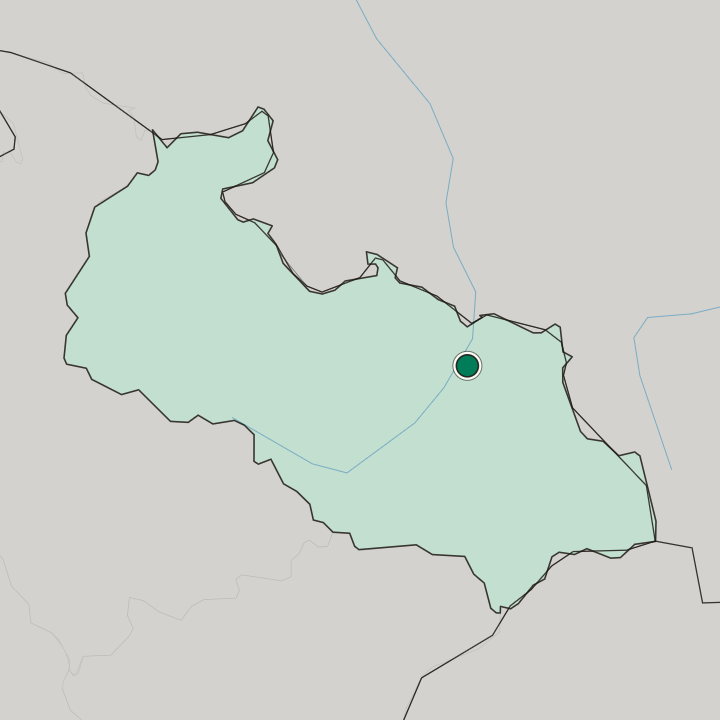
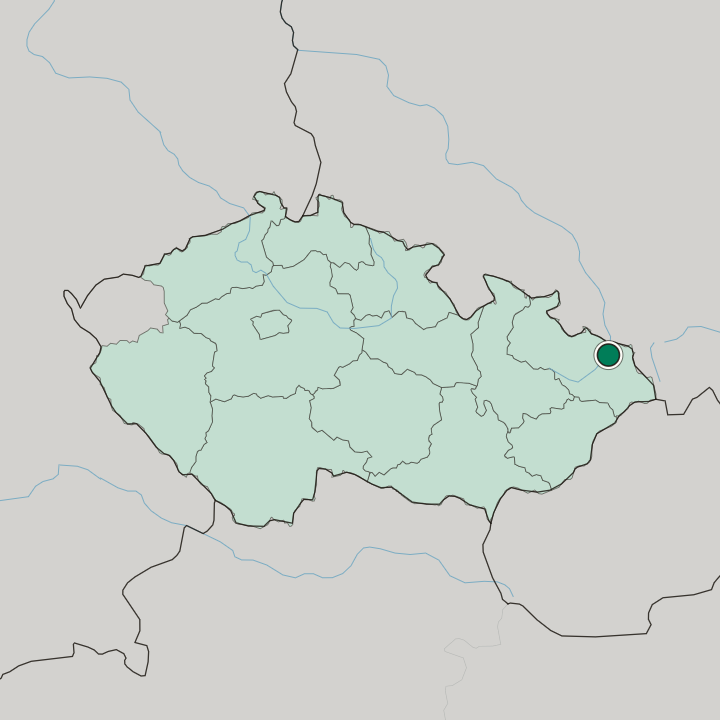
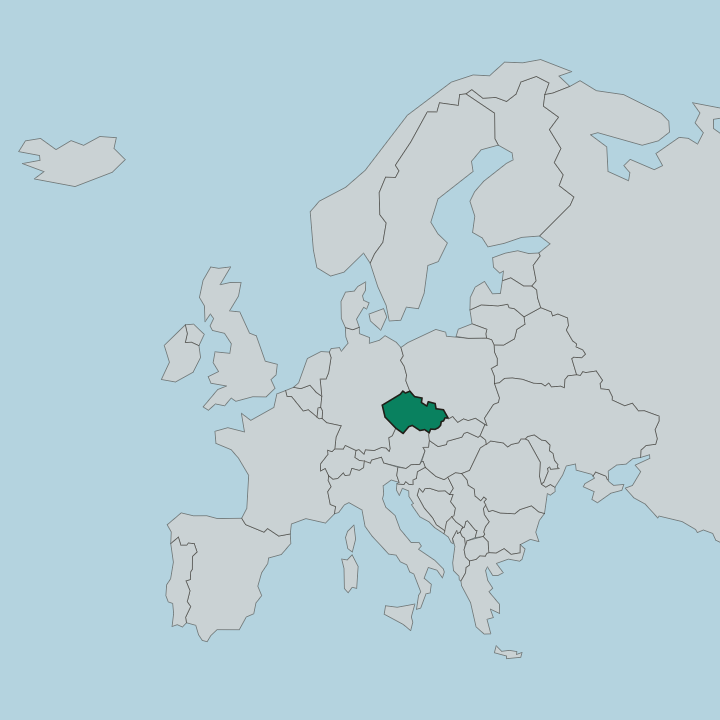
Ostrava lies on the borderland of Moravia and Silesia, at the confluence of four rivers near the frontier with Poland. The setting is shaped by water. The Oder gathers the Opava, the Ostravice, and the Lučina beneath the city, the Ostravice dividing the Moravian bank from the Silesian, so that the largest city of Czech Silesia sits where the plains open north toward the Polish border in the Moravian-Silesian Region.
What is the climate of Ostrava?
Ostrava has a temperate inland climate, with cold winters and warm summers over the valley of its rivers. Seasons swing broadly here. Snow settles along the Ostravice and the Oder through the coldest months, while warm, changeable summers bring rain and thunder across the borderland of Moravia and Silesia, the surrounding hills of the Moravian-Silesian Region tempering the weather that reaches the city.
How do you get to Ostrava?
Ostrava is reached by rail and road, a junction near the meeting of the Czech, Polish, and Slovak borders. Rail and motorway carry most arrivals into this border junction. Main lines and motorways run through the Moravian-Silesian Region toward the Polish frontier just to the north, linking Ostrava across the borderland of Moravia and Silesia and down the valley of the Oder toward the wider country.
Common questions
What is the best area to stay in Ostrava?
The centre around the cathedral: First visits near the Cathedral of the Divine Saviour in Ostrava. Silesian Ostrava and Landek: Mining heritage near Landek Castle above the Oder in Ostrava. The ironworks and the zoo: Industrial heritage near the Bolt Tower and Ostrava Zoo.
Good for
More cities in Moravskoslezský kraj
Updated October 2026