Czech Republic
Moravskoslezský kraj, Czech Republic — Towns & Travel Guide
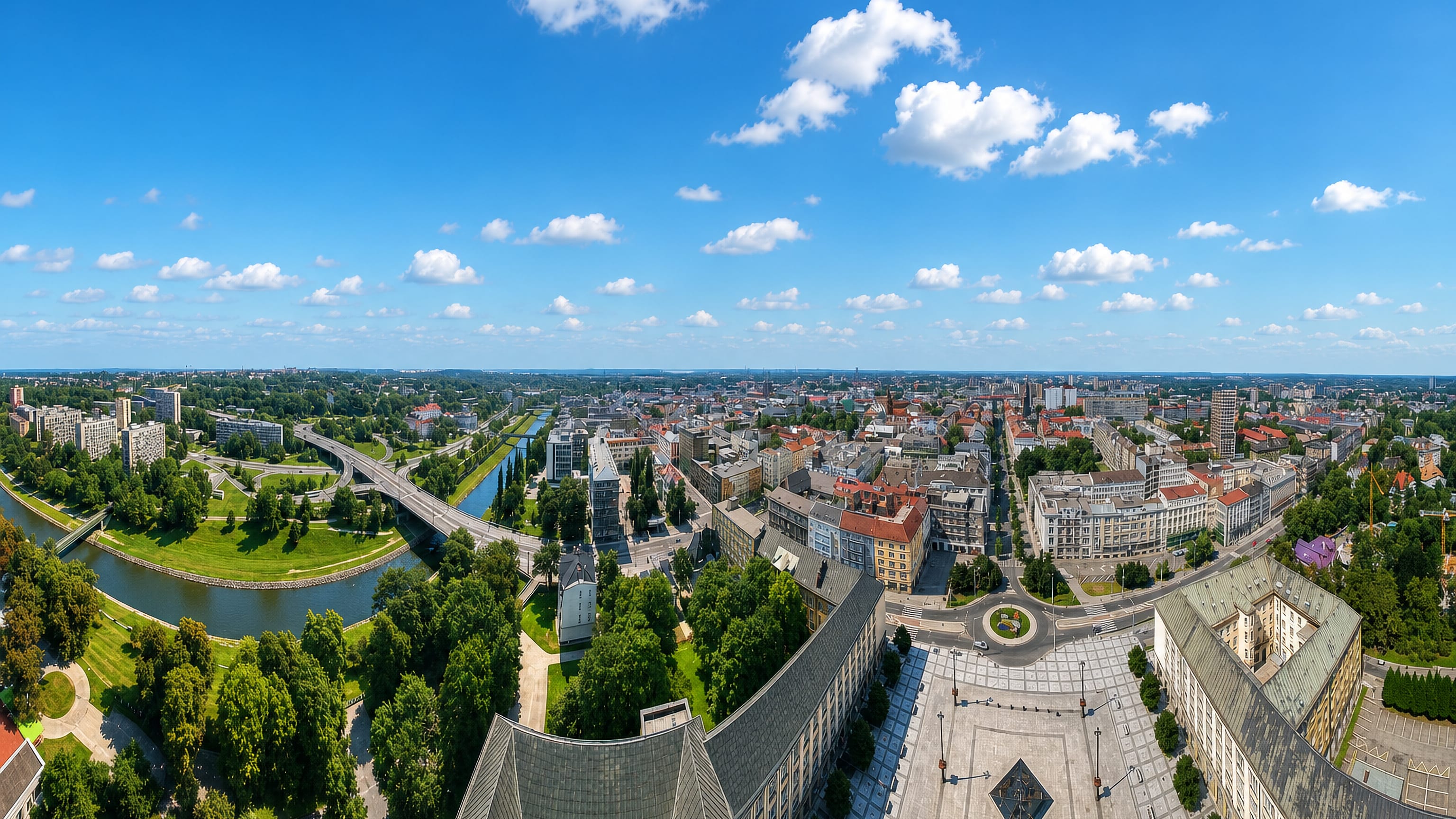
The Moravian-Silesian Region covers the north-eastern part of Moravia and Czech Silesia in the Czech Republic, an industrial borderland centred on Ostrava.
Hotel links are affiliate links: booking through them may earn us a commission, at no extra cost to you. It never affects how places are ranked. How this works


Towns & cities in Moravskoslezský kraj
Pick a town or city — each links to where to stay.
 Czech Republic
Ostrava
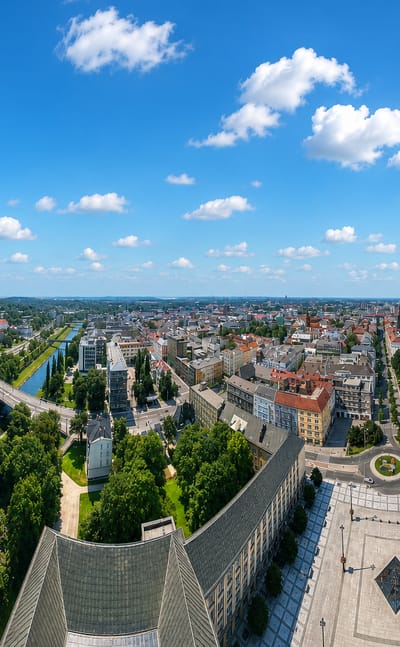
Four rivers meet at Ostrava, a city on the border of Moravia and Silesia in the Moravian-Silesian Region, known for Silesian Ostrava Castle.Where to stay →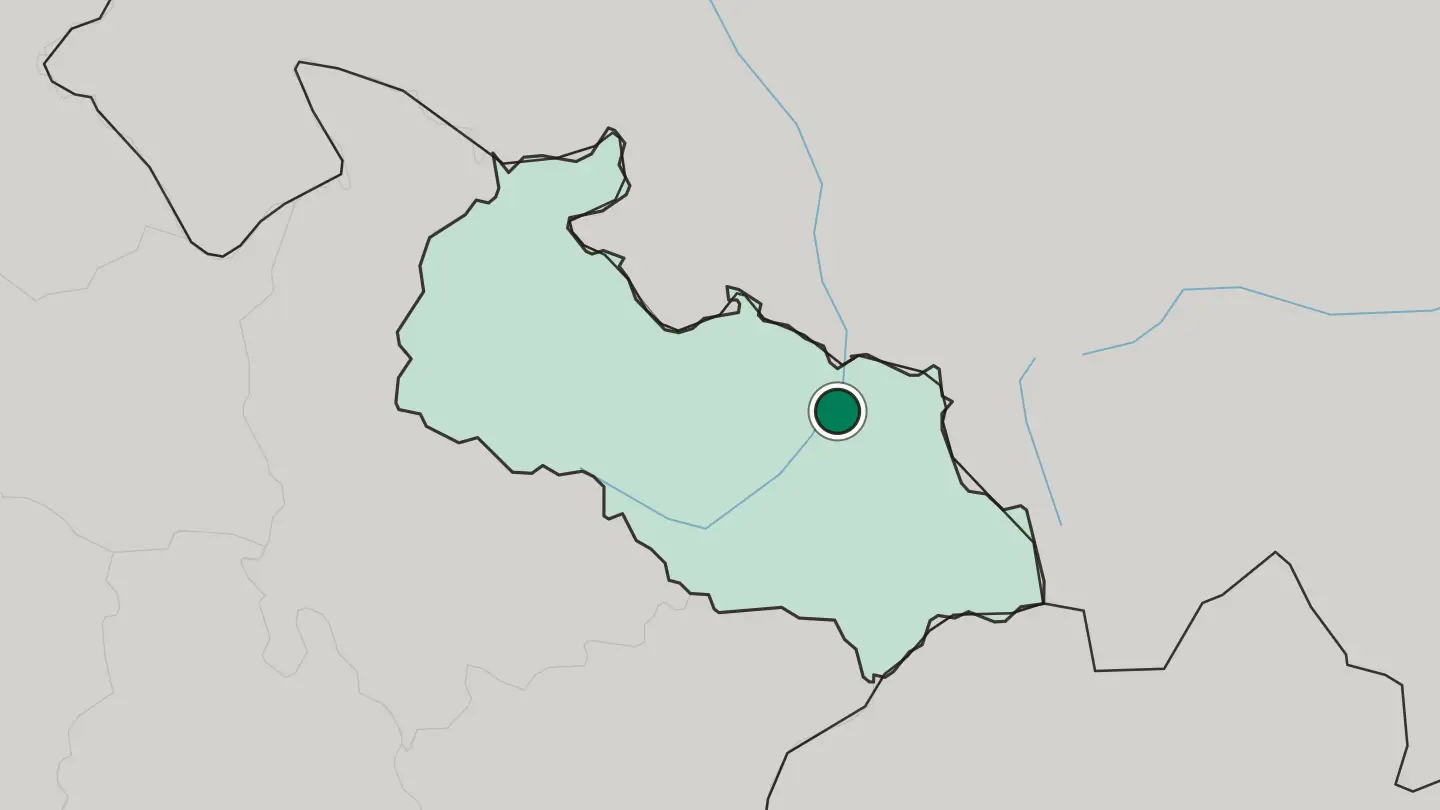
 Czech Republic
Havířov
Havířov is the youngest city in the Czech Republic, planned from 1955 for the hard-coal miners of the Karviná District.Where to stay →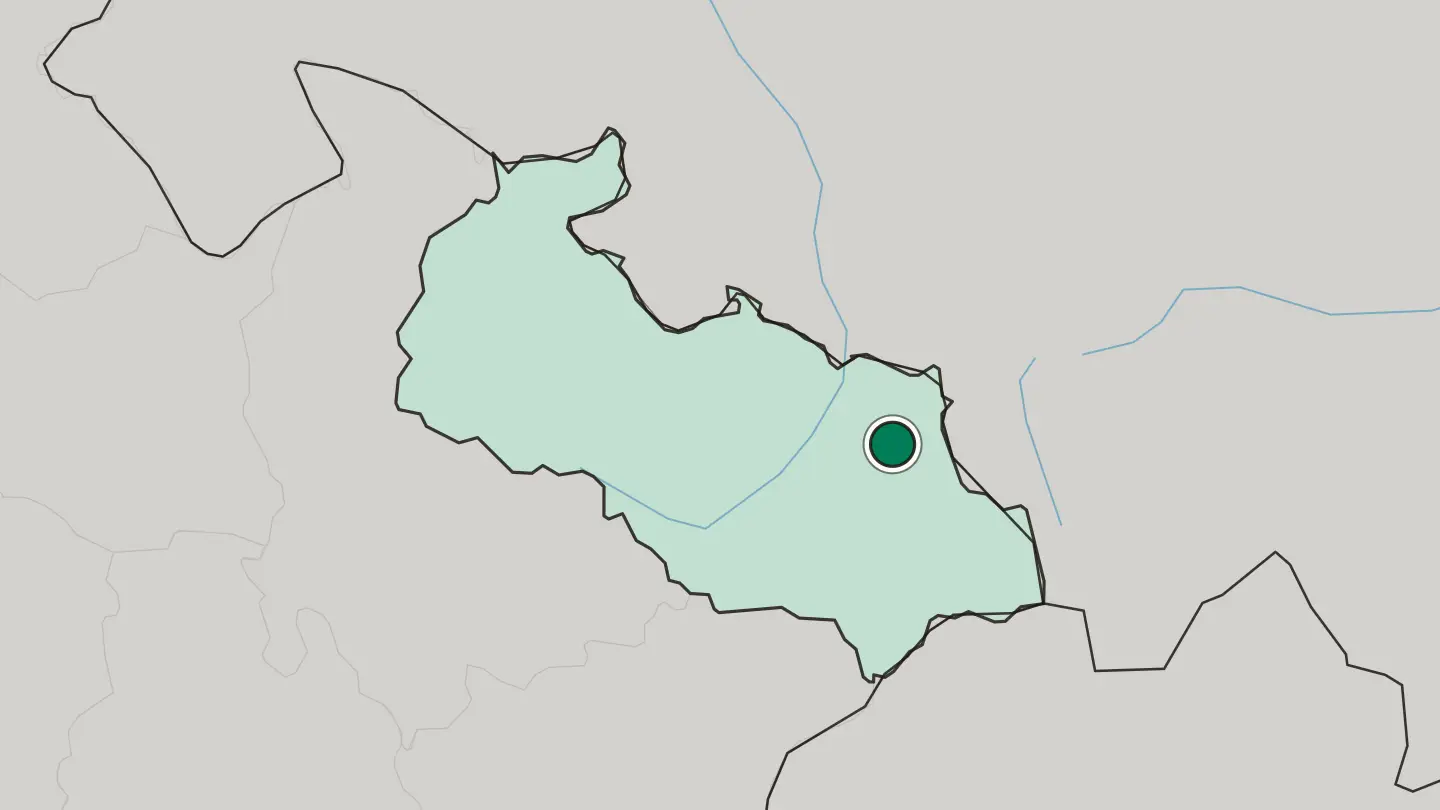 Czech Republic
Opava
Opava is a city in Czech Silesia, the old capital of the Silesian lands, in the northeast of the Czech Republic.Where to stay →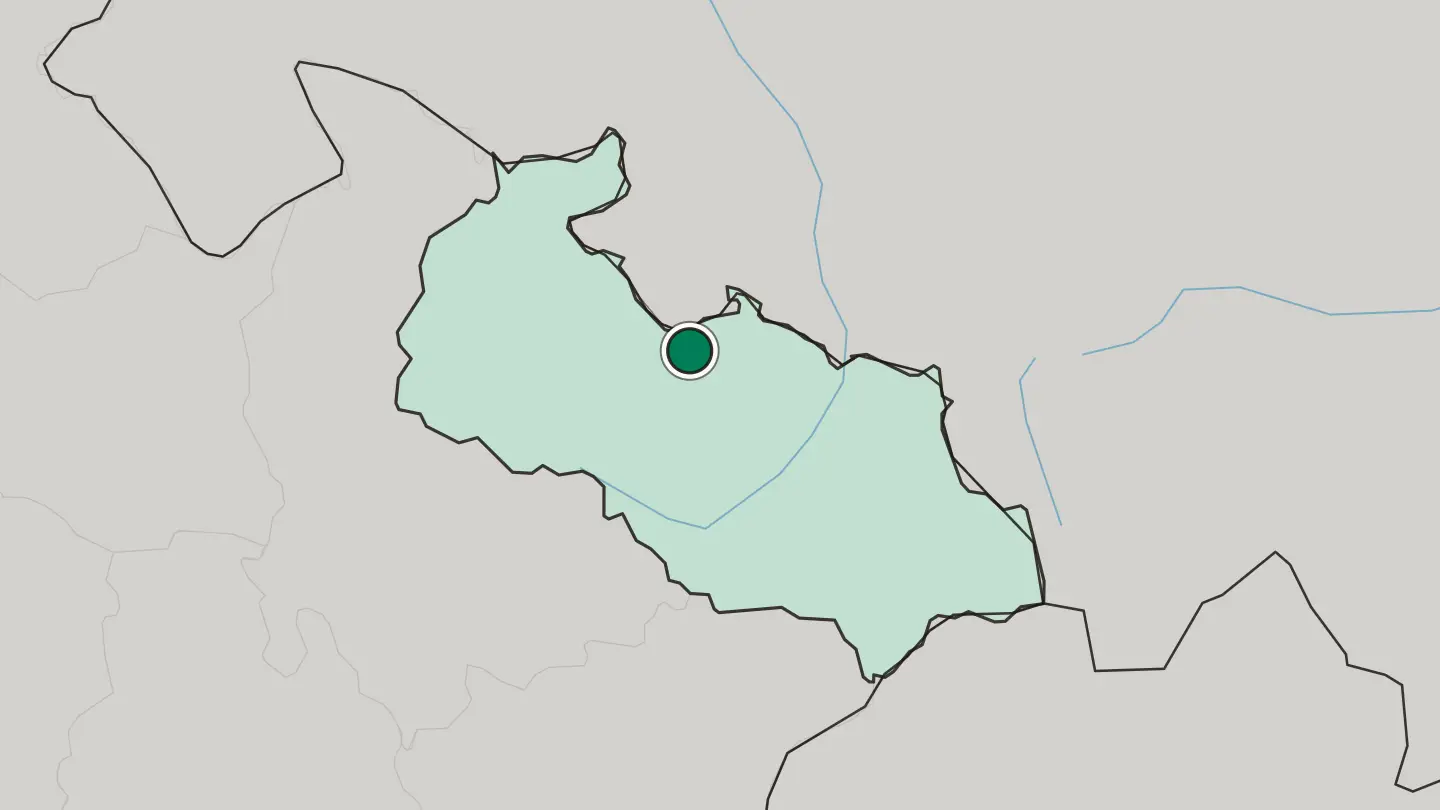
 Czech Republic
Frýdek-Místek
Frýdek-Místek is a twin town in the Moravian-Silesian region of the Czech Republic, split by the Ostravice river below the Beskydy mountains.Where to stay →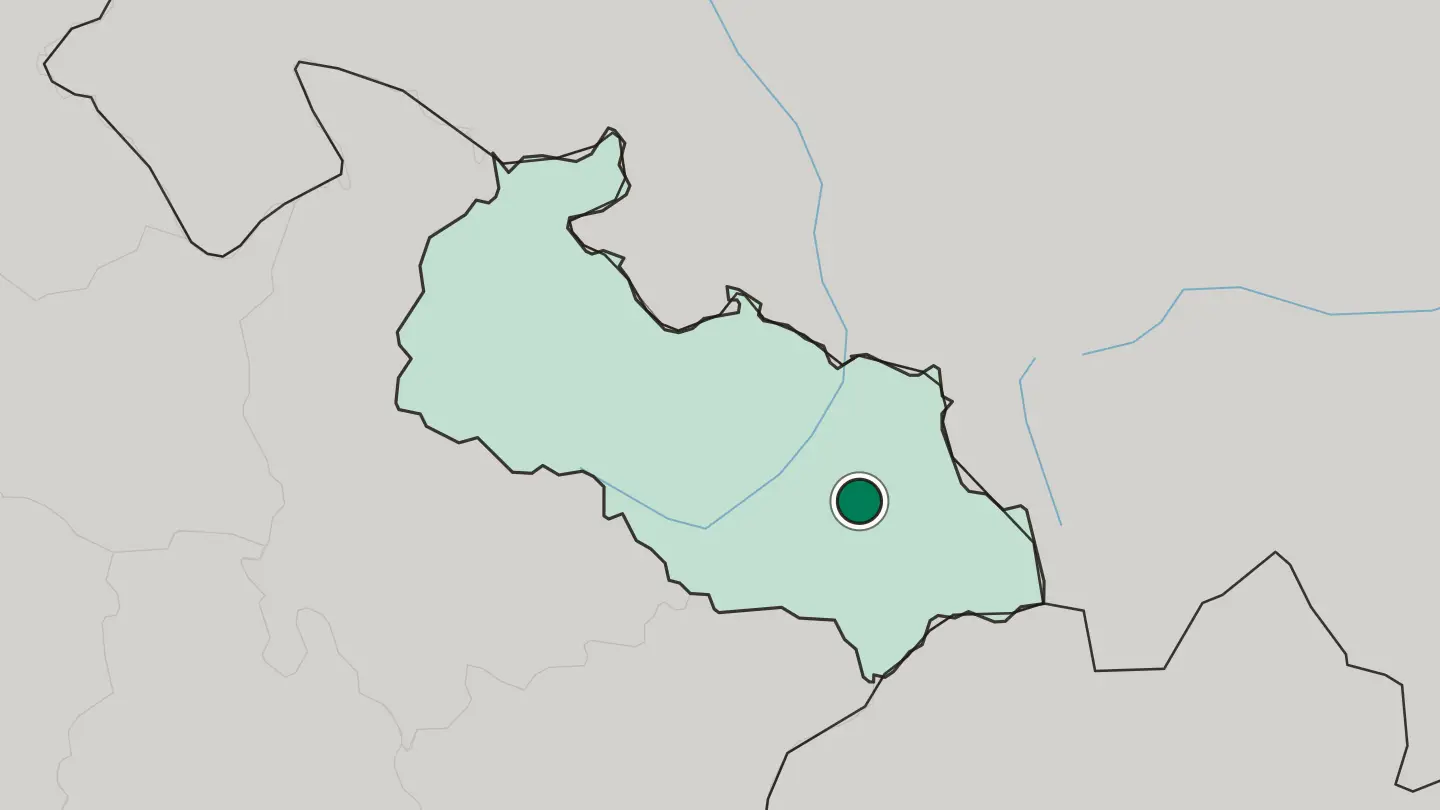
Hotel links are affiliate links: booking through them may earn us a commission, at no extra cost to you. It never affects how places are ranked. How this works
About Moravskoslezský kraj
What is Moravskoslezský kraj known for?
The Moravian-Silesian Region is known as one of the fourteen administrative regions of the Czech Republic, joining the north-eastern part of Moravia to most of Czech Silesia. It once bore another name. Before it was renamed, the region was called the Ostrava Region after its main city, and Ostrava still anchors it.
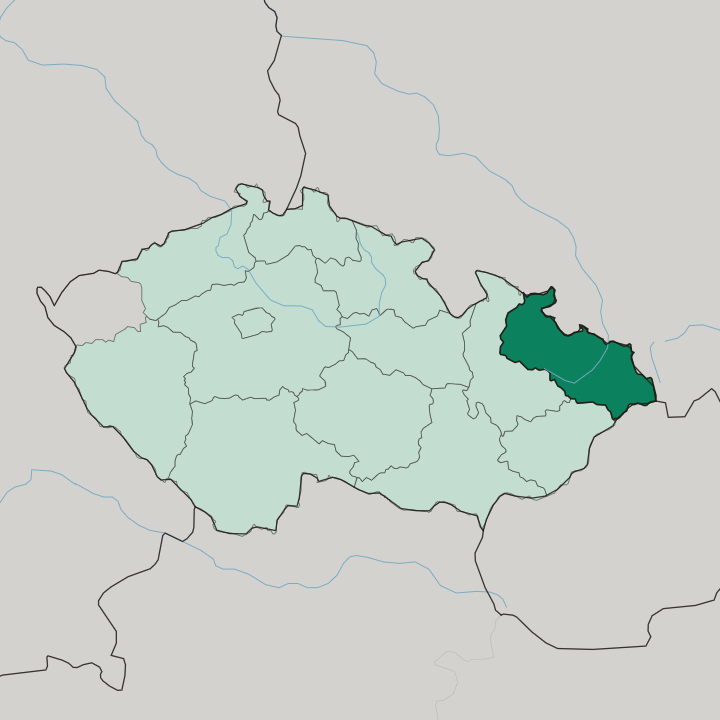
Its outer edges reach two states, Poland to the north and Slovakia to the east, while inside the country it meets the Olomouc Region to the west and the Zlín Region to the south. This is the industrial north-eastern corner where Moravia and Silesia come together.
Where is Moravskoslezský kraj?
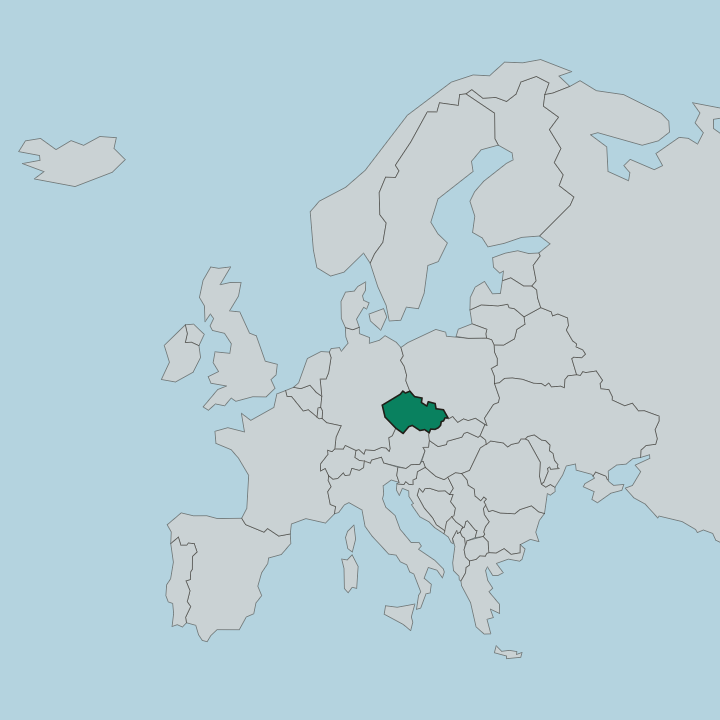
The Moravian-Silesian Region occupies the north-eastern part of Moravia together with most of the Czech part of Silesia, in the north-east of the Czech Republic. Its outline is drawn partly by other states. The region borders Poland to the north and Slovakia to the east, so that two international frontiers help shape its edge, while the rest of the boundary is Czech.
To the west lies the Olomouc Region and to the south the Zlín Region, the two administrative units that close off its interior. Ostrava stands toward the north-east of this frame as the region's main city and hub. The land carries the mark of its industry.
This is a corner where the older coal and steel country around Ostrava gives way southward to hillier ground toward the Zlín Region, and that pairing of industrial basin and rising upland is the defining fact of the region's geography. Two historical lands meet inside it. The Moravian-Silesian Region is, in effect, the industrial north-eastern threshold of the Czech Republic where Moravia, Silesia, Poland, and Slovakia converge.
What is Moravskoslezský kraj like?
The Moravian-Silesian Region carries a mixed identity, drawn from the north-eastern part of Moravia and the Czech share of Silesia along the frontier with Poland and Slovakia. Ostrava gives the region its urban heart. As the main city, it gathers the working life of this corner into one place, and the Czech language carries daily affairs across the region.
Coal and steel shaped the character here. Generations of mining and heavy industry around Ostrava have given the region a workaday temper that sets it apart from the vineyard south of Moravia. The border adds another layer.
Long neighbourhood with the Polish- and Slovak-speaking lands has left the towns of the region facing outward as much as inward, a meeting ground rather than a sealed interior. Its identity is that of a seam. The Moravian-Silesian Region joins Moravia to Silesia, faces Poland and Slovakia, and answers to Ostrava.
What is the history of Moravskoslezský kraj?
The Moravian-Silesian Region took its present administrative form in 2000, when the Czech Republic drew its current regions, and was first called the Ostrava Region before its later renaming. Its past is an industrial one. Ostrava grew into the coal and steel town at the heart of this north-eastern corner, while the surrounding country joined the Moravian and Silesian lands under one administration.
That industrial rise still shapes the region.
What is the climate of Moravskoslezský kraj?
The Moravian-Silesian Region has a cool continental climate, tempered by the hills that rise toward the Zlín Region in its south. Come winter, cold and grey settle across the region. The basin around Ostrava holds the chill and the low cloud through the season, while summers stay moderate and green across the north-eastern part of Moravia.
Rain and snow come with the uplands. This continental weather marks the region much as its industry does.
How do you get to Moravskoslezský kraj?
The Moravian-Silesian Region is reached mainly through Ostrava, the hub of this north-eastern corner of the Czech Republic. Road and rail converge on the city. Main lines run east across the country toward Ostrava and on to the crossings into Poland and Slovakia, so the region sits on the through-route between the Czech lands and its eastern neighbours.
Buses reach the outlying towns. From Ostrava the borders and the hills toward the Zlín Region are a short run out.
More regions in Czech Republic
Updated September 2026