Germany · Lower Saxony · Braunschweig
Siegfriedviertel, Braunschweig — Area Guide & Where to Stay
The Siegfriedviertel is a Braunschweig settlement begun in the 1920s and now a protected monument, its streets named after the Nibelung saga.
Hotel links are affiliate links: booking through them may earn us a commission, at no extra cost to you. It never affects how places are ranked. How this works


Where to stay in Siegfriedviertel
Where the beds are, and what that means for the visit.
Names here come from the Nibelungs. The quarter and its streets are called after Siegfried the dragon-slayer and his story, which is the first thing a visitor notices. Its plan is a horseshoe.
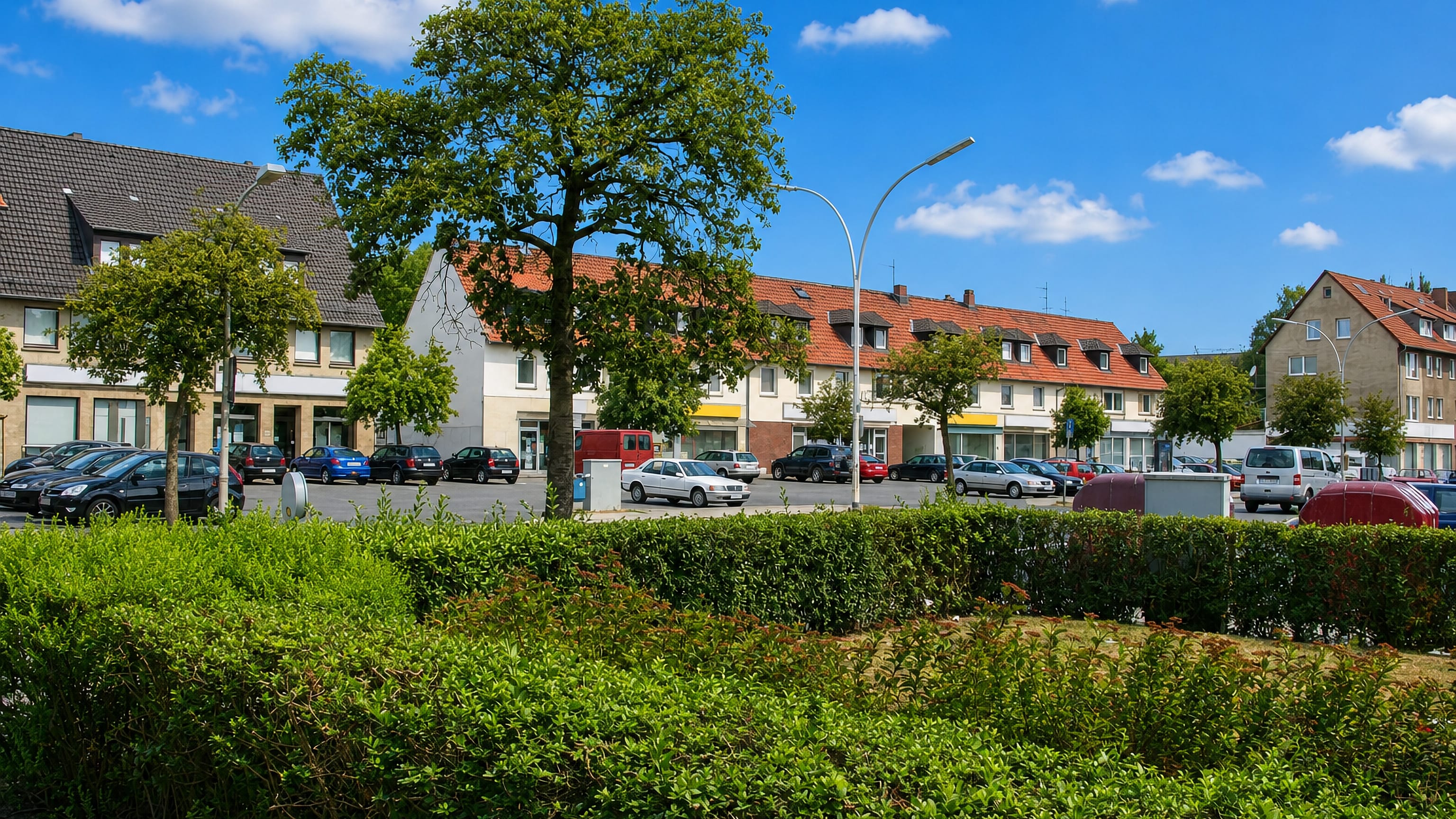
The Siegfriedstraße runs through it as a backbone, and the whole settlement is a garden suburb in the modern style rather than a ring of blocks. Shops gather on the Nibelungenplatz.
Things to do in and around Braunschweig
Ranked by global recognition; descriptions from Wikidata (CC0).
Museums & Galleries
1- Mineralien-Kabinett
Churches & Religious Sites
3- St. Georg Heritage
- St. Albertus Magnus
- Christuskirche
Castles & Historic Sites
1- Gauß-Denkmal
worth knowingacross 3 categories in and around Braunschweig
About Siegfriedviertel
What are the main landmarks in Siegfriedviertel?
St Georg stands at the centre of the Donnerburgsiedlung. The settlement had to be built around the church because it and its rectory were already going up when the plan was drawn, which was unusual for the years it was built in. Donnerburg was a magazine.
An eighteenth-century store building on the rise carried that popular name, and the church went up on the same ground. A barracks became a campus. The complex east of the Bienroder Weg housed the thirty-first infantry division and later a federal border guard unit, and the Campus Nord of the Technical University stands on it now.
What is the history of Siegfriedviertel?
The Ärkeroder Feld came to the city in 1913. Its name developed from the village name Marquarderoth, and the ground was not bought for housing at the time. Herman Flesche drew the concept.
The city architect's designs for a Braunschweig garden city in 1919 followed Theodor Goecke's extension plan of 1917 and the English garden city of Letchworth, and they already showed the horseshoe with the later Siegfriedstraße as its backbone. Raymond Unwin lies behind that. His satellite scheme for extending a city broke with the ring form the Braunschweig Ring had followed until then.
Building started with houses in 1921 and 1922. Multi-storey blocks followed as the housing shortage grew from the middle of the decade, and the first phase closed in 1929. The second phase opened on 21 March 1935.
Two-storey terraces with garden plots went up in the north-east and along the southern edge, and the Nibelungen Wohnbau company, founded in 1926 to supervise the work, added the Donnerburgsiedlung in 1938 and 1939.
Where is Siegfriedviertel?
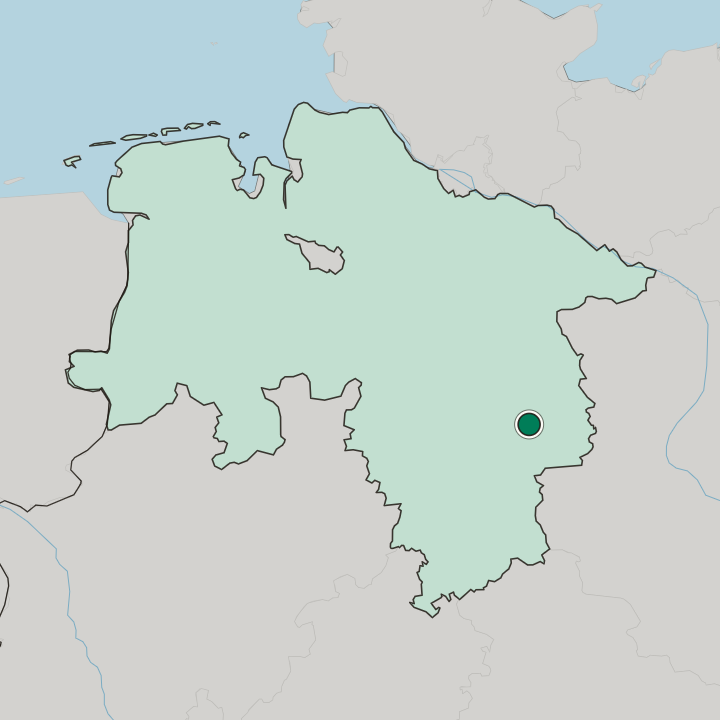
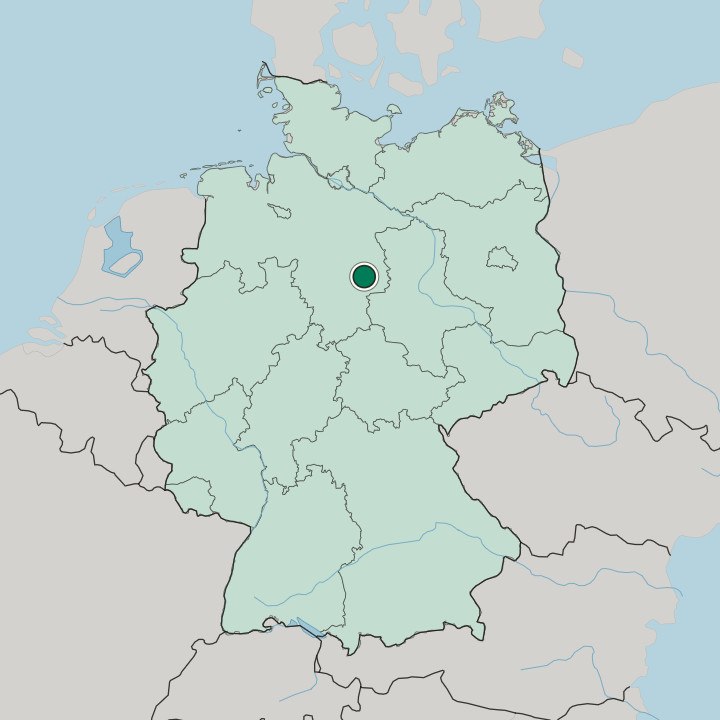
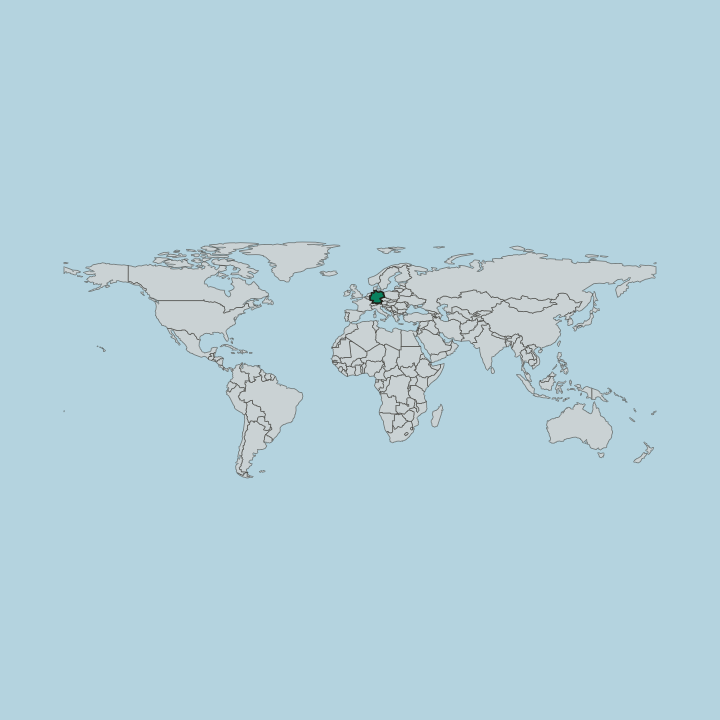
The Siegfriedviertel lies in the Nordstadt of Braunschweig, running from the Braunschweig to Wieren railway west to the Hamburger Straße and south to the Rebenring.
Good for
More areas in Braunschweig
Updated October 2026