Germany · Lower Saxony
Where to Stay in Braunschweig, Lower Saxony
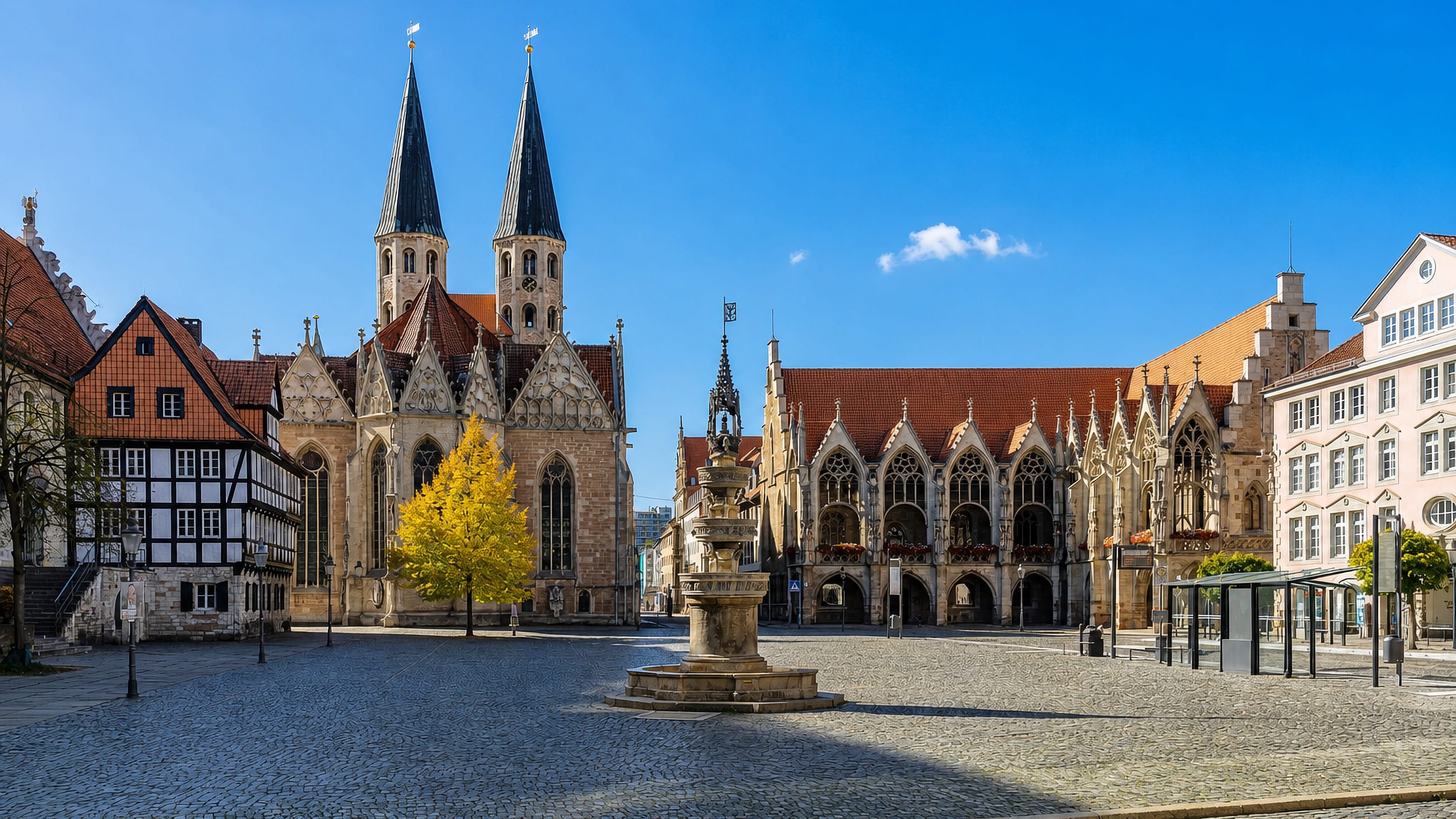
Braunschweig, or Brunswick, sits north of the Harz on the river Oker in Lower Saxony, a ducal city dated to 861 with Dankwarderode Castle at its core.
Hotel links are affiliate links: booking through them may earn us a commission, at no extra cost to you. It never affects how places are ranked. How this works


Where to stay in Braunschweig
Where you base yourself shapes the visit — here's the character of each area.

 BraunschweigGermany
Prinzenpark
Two names sit on this Braunschweig district: Prinzenpark on the map, Prinz-Albrecht-Park in the record, with Riddagshausen Abbey on its roll.Where to stay → BraunschweigGermany
Siegfriedviertel
The Siegfriedviertel is a Braunschweig settlement begun in the 1920s and now a protected monument, its streets named after the Nibelung saga.Where to stay →BraunschweigGermanyWeinberg
Weinberg is one of the named quarters of Braunschweig in Lower Saxony, carrying the German word for a vineyard as its name.Where to stay →BraunschweigGermanyStöckheim
Stöckheim, paired with Leiferde in the borough name, lies in the southern part of Braunschweig and keeps the Arche Noah Zoo Braunschweig.Where to stay →Hotel links are affiliate links: booking through them may earn us a commission, at no extra cost to you. It never affects how places are ranked. How this works
Find hotels in Braunschweig
Direct booking searches for these neighbourhoods.
Around Dankwarderode Castle
The ducal buildings and the Brunswick State Museum sit closest to this end of the old city.Find hotels in Around Dankwarderode CastleEvening arrivals who want Brunswick Palace and the Brüdernkirche at the doorThe Brunswick Palace end
Rooms by Brunswick Palace put the Lessing-Denkmal and the Matthäuskirche within a few streets.Find hotels in The Brunswick Palace endQuiet nights out by Riddagshausen Abbey with a car to parkRiddagshausen
Beyond the built city, the abbey grounds trade museum access for calm and simpler parking. Beds are limited here, so book early.Find hotels in RiddagshausenHotel links are affiliate links: booking through them may earn us a commission, at no extra cost to you. It never affects how places are ranked. How this works
Things to do in Braunschweig
Ranked by global recognition; descriptions from Wikidata (CC0).
Museums & Galleries
3- Herzog Anton Ulrich Museum Heritage
- Brunswick State Museum
- Mineralien-Kabinett
Churches & Religious Sites
8- Riddagshausen Abbey Heritage
- St. Andreas Heritage
- St. Martini (Braunschweig) Heritage
- St. Magni Heritage
- St. Katharinen Heritage
Show 3 more →
- Brüdernkirche Braunschweig Heritage
- St. Petri (Braunschweig) Heritage
- St. Michaelis in Braunschweig Heritage
Castles & Historic Sites
3- Dankwarderode Castle Heritage
- Brunswick Palace
- Sowjetisches Ehrenmal
worth knowingacross 3 categories in Braunschweig
About Braunschweig
What is Braunschweig known for?
The Herzog Anton Ulrich Museum and the Brunswick State Museum hold the city's collections, while Dankwarderode Castle and Brunswick Palace mark the ducal seat. Science has its monument here. The Gauß-Denkmal and the Lessing-Denkmal stand among the streets, and the Staatliches Naturhistorisches Museum Braunschweig keeps the natural collections.
Riddagshausen Abbey stands away from the centre. Rail has its own museum in the Lokpark Braunschweig, and the Museum für Photographie works a narrower field than either of the big state collections.
What are the main landmarks in Braunschweig?
Dankwarderode Castle stands at the heart of the old city, with Brunswick Palace nearby and the Herzog Anton Ulrich Museum holding the collection that carries his name. Riddagshausen Abbey lies further out. The Brunswick State Museum and the Staatliches Naturhistorisches Museum Braunschweig split the city's other holdings between them.
The Gauß-Denkmal, the Lessing-Denkmal and the Siegesdenkmal mark the streets. Older churches remain in the Brüdernkirche and the Matthäuskirche, and the Lokpark Braunschweig keeps locomotives where the collections keep paintings.
What is the history of Braunschweig?
Braunschweig dates from 861. The ducal seat came to define the place: Dankwarderode Castle holds the oldest ground of that story, and Brunswick Palace carries it on into a later and grander century. Riddagshausen Abbey belongs to the same long stretch of centuries.
English speakers call the place Brunswick, the form that also names the old duchy. Churches went up across the town over those centuries, and the Brüdernkirche and the Matthäuskirche both still stand. The Oker gave the town its link to the Aller, the Weser and the North Sea, and that route mattered long before any railway.
The Herzog Anton Ulrich Museum holds one of the city's principal collections, and the Brunswick State Museum and the Staatliches Naturhistorisches Museum Braunschweig stand beside it. Monuments record the rest. The Lessing-Denkmal and the Gauß-Denkmal honour two names the city claims, while the Siegesdenkmal and the Sowjetisches Ehrenmal belong to harder chapters.
Rail arrived and left its own record at the Lokpark Braunschweig. Wolfsburg and Salzgitter are counted with Braunschweig as one region, the second urban centre of Lower Saxony after Hanover. Hanover holds the larger share, but Braunschweig kept the ducal buildings and the collections that came with them.
Where is Braunschweig?
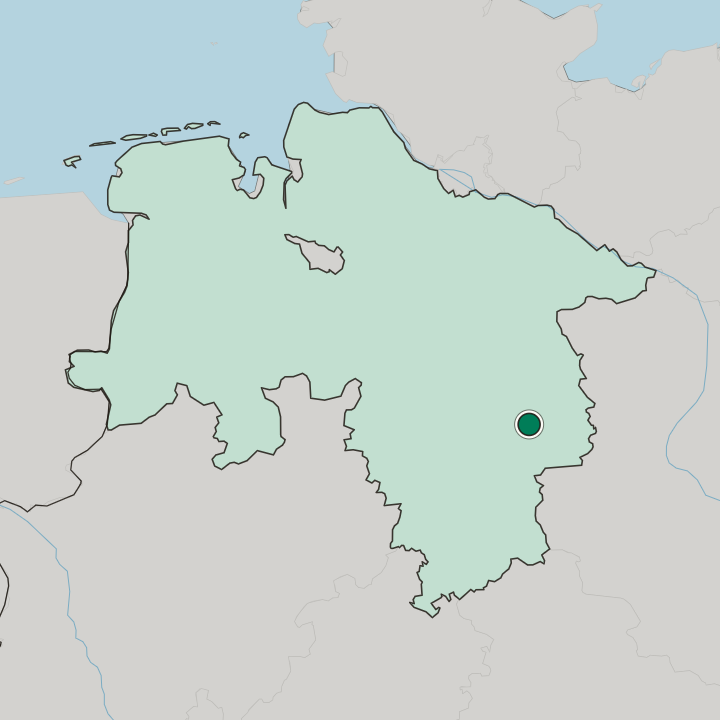
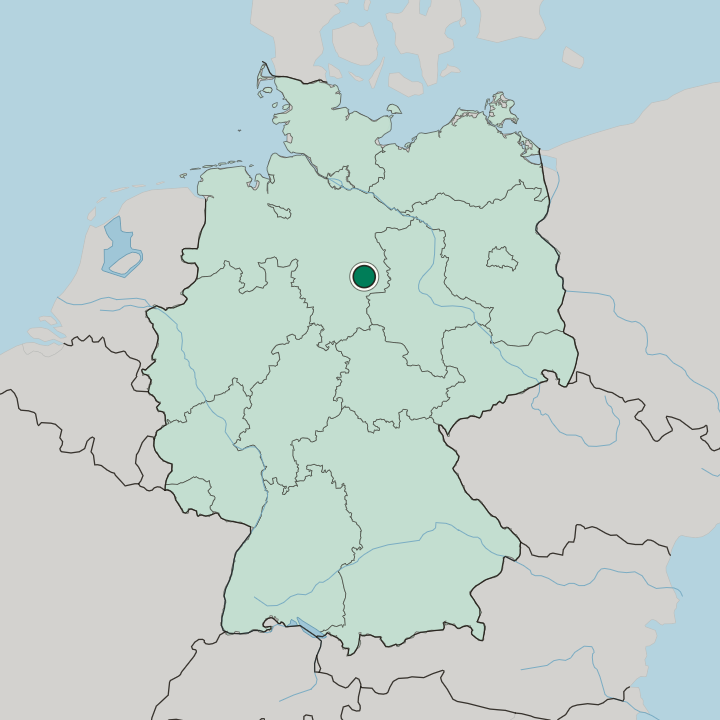
Braunschweig lies north of the Harz on the Oker, at the farthest point the river can be navigated, which opens a way through the Aller and the Weser to the North Sea. Lower Saxony surrounds the city. Wolfsburg and Salzgitter sit close by, with Hanover further off across the same lowland.
The Oker gave the city its water route.
What is the climate of Braunschweig?
Weather here arrives off the North Sea plain, softened by distance from the water and blocked on the southern side by the bulk of the Harz. Summers run warm and changeable. Rain falls across the year rather than gathering into a single season.
Winter brings grey days along the Oker, with frost more common than deep snow on the low ground of Lower Saxony.
How do you get to Braunschweig?
Hanover is the nearest larger hub. Braunschweig sits on the main lines that cross Lower Saxony, close enough to Wolfsburg and Salzgitter that the three run as one commuting region rather than separate destinations. The Oker is navigable no further than the city itself.
Inside the centre, the old city is small enough to walk, and Riddagshausen Abbey is the one stop that asks for a ride.
Common questions
What is the best area to stay in Braunschweig?
Around Dankwarderode Castle: Visitors who want Dankwarderode Castle and the Herzog Anton Ulrich Museum on one short walk. The Brunswick Palace end: Evening arrivals who want Brunswick Palace and the Brüdernkirche at the door. Riddagshausen: Quiet nights out by Riddagshausen Abbey with a car to park.
Good for
More cities in Lower Saxony
Updated October 2026