Germany · Lower Saxony · Cuxhaven
Altenbruch, Cuxhaven — Area Guide & Where to Stay
Altenbruch is a village district of Cuxhaven laid out along a single road for fifteen kilometres, first named in a document of 12 November 1280.
Hotel links are affiliate links: booking through them may earn us a commission, at no extra cost to you. It never affects how places are ranked. How this works


Where to stay in Altenbruch
Where visitors usually base themselves, and why.
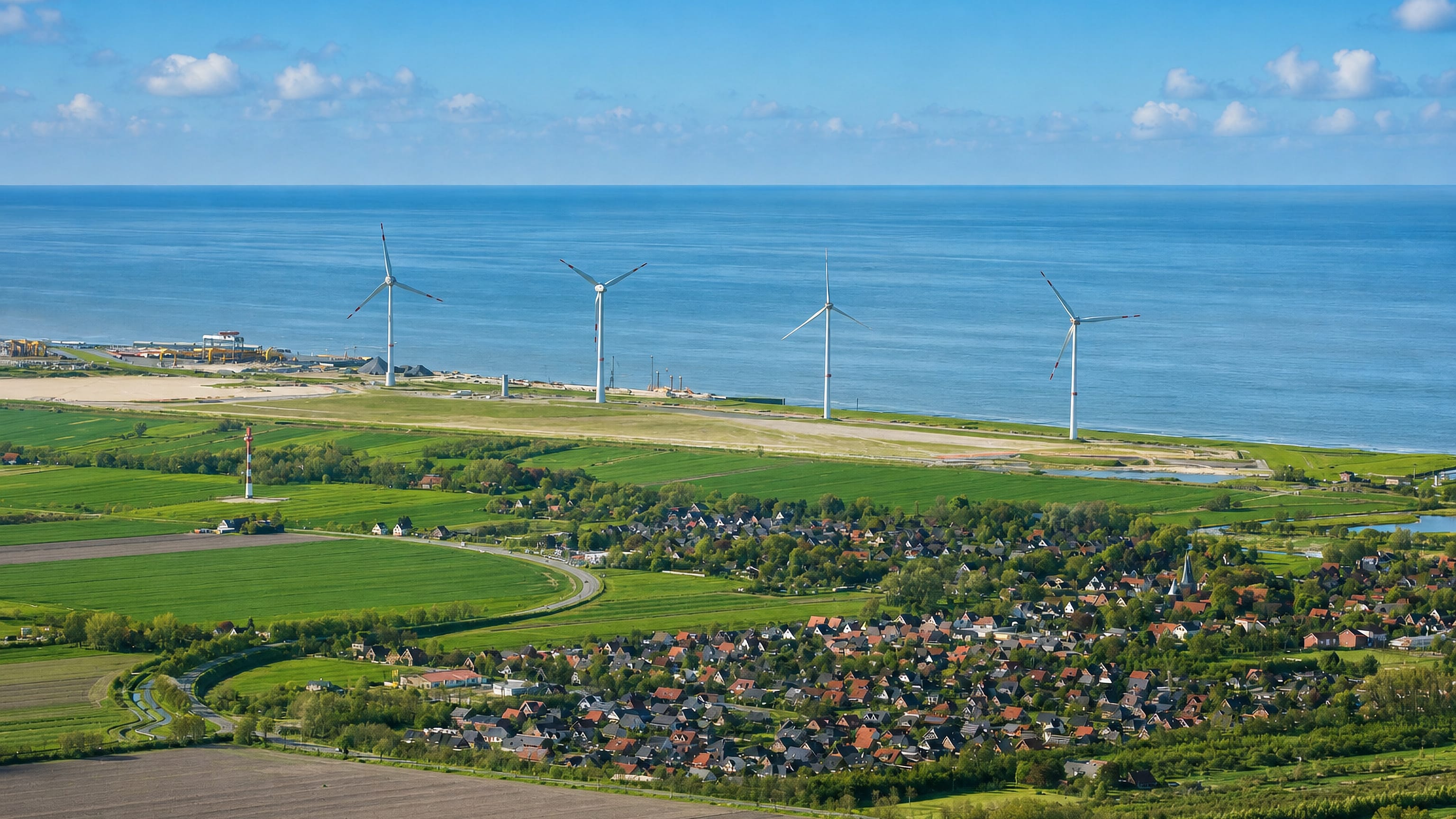
The dike is a kilometre away. Altenbruch lies about six kilometres south-east of Cuxhaven behind the Elbe dike, and the Braake runs through it to a small harbour at its mouth. Two lighthouses mark the shore.
The old Dicke Berta was restored and once served as the lower leading light, and the Neue schlanke Anna, a concrete tower of 1971, carries the upper light. Trains pass but no longer stop.
About Altenbruch
What are the main landmarks in Altenbruch?
St Nicolai is one of three Bauerndome in this country. The Romanesque field-stone church dates from the thirteenth century, carries twin towers and a chancel of 1710, and holds a Gothic altar from the fifteenth century and a font from the early fourteenth. Its organ was built three times over.
Work of 1498, of 1649 and of 1728 is all in the instrument, and the chancel keeps its Priechen, the box-like seats of pastor and patron, and a set of snub-nosed putti. A farmer in America paid for the Villa Gehben. Ernst-Julius Gehben had it built in 1908 to plans by Achmet Steinmetz, in the Jugendstil of the time.
The German U-Boat Museum stands on the Lange Straße.
What is the history of Altenbruch?
Altenbruch was planned, not grown. Its shape is a Straßendorf fifteen kilometres long and three across, west of Otterndorf, and the loose settlement suggests a deliberate colonisation during the diking of the Elbe. A parish priest is named in 1280.
That entry of 12 November is among the first records of the place, and the land was largely in the hands of the farmers themselves, who showed it in country seats and coats of arms. It stayed its own commune for centuries. Altenbruch belonged to the Saxe-Lauenburg and later Hanoverian Land Hadeln, came under the Prussian district of that land in 1866, and was taken into Cuxhaven only on 1 July 1972.
Five hamlets joined it in 1929. Bingen, Blink, Ochsenhemm, Udendorf and Wehldorf came over from the dissolved commune of Westerende Otterndorf on 1 June that year.
Where is Altenbruch?
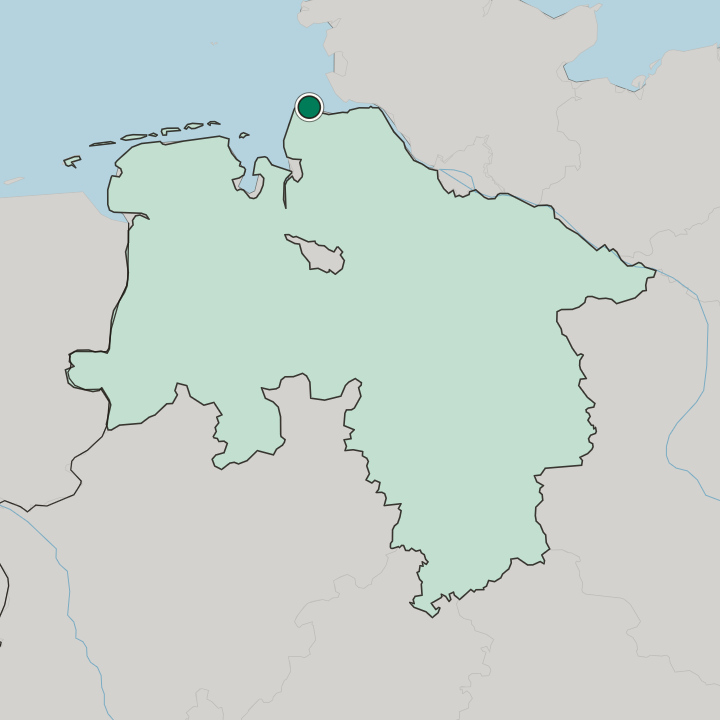
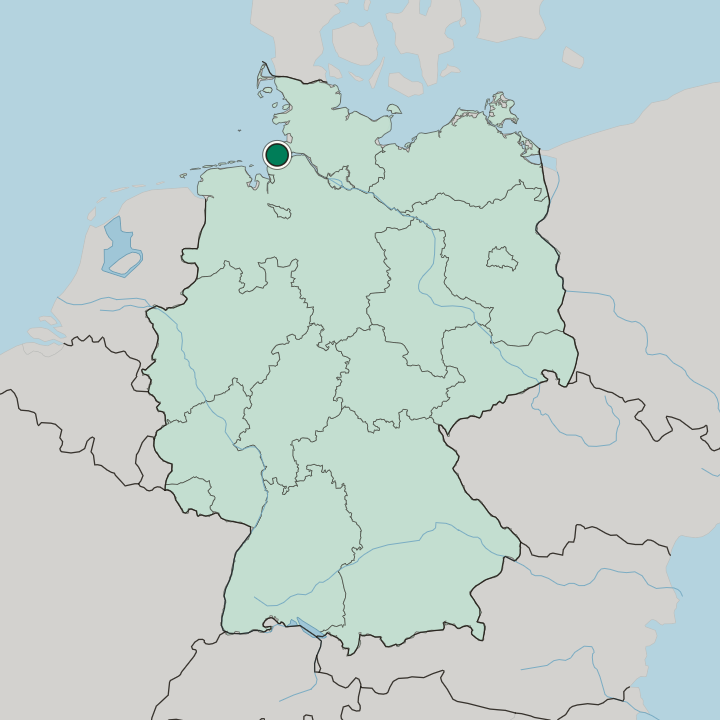
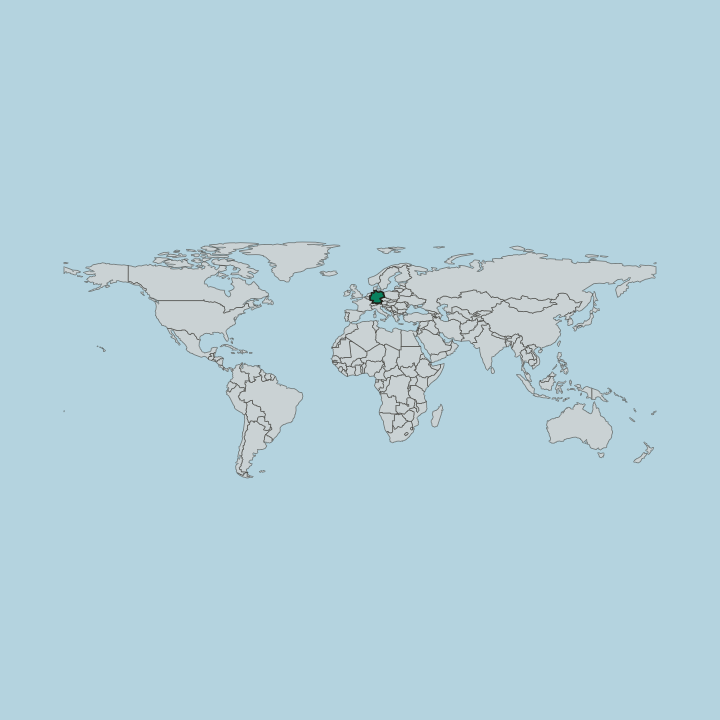
Altenbruch lies about a kilometre inside the Elbe dike and six kilometres south-east of Cuxhaven, drained by the Braake, which carries the lowland water on to Otterndorf, with the Bundesstraße 73 running south of the village.
More areas in Cuxhaven
Updated September 2026