Germany · Lower Saxony
Where to Stay in Cuxhaven, Lower Saxony
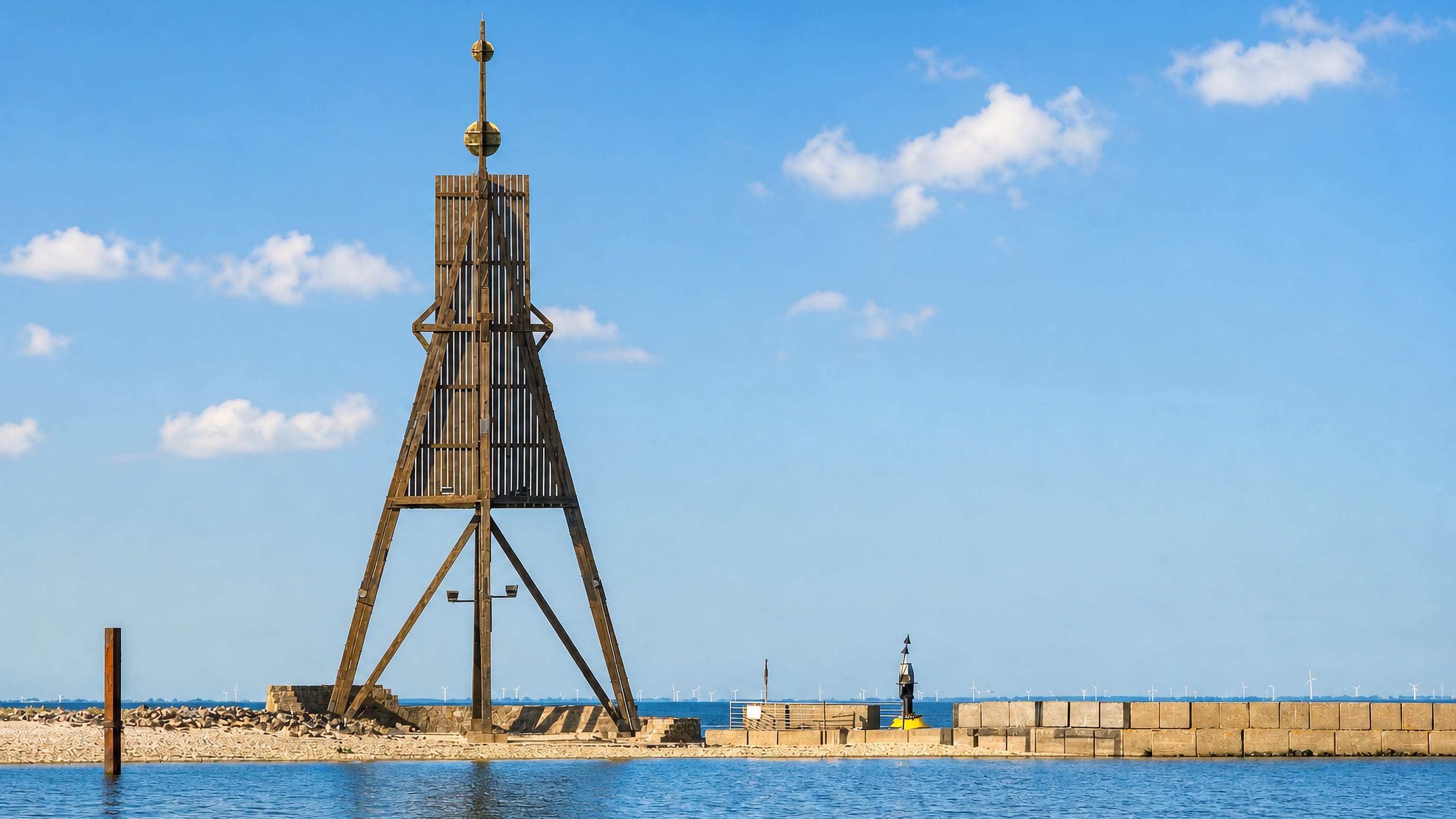
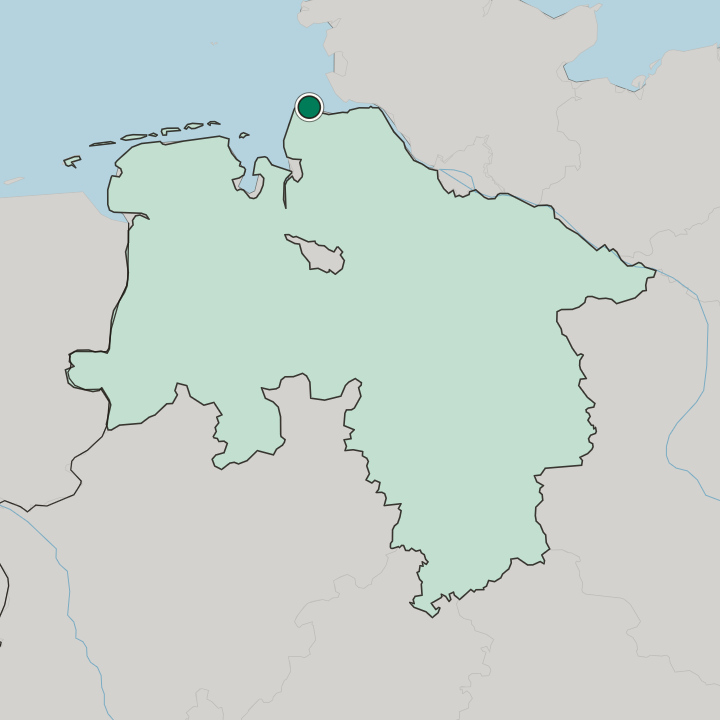
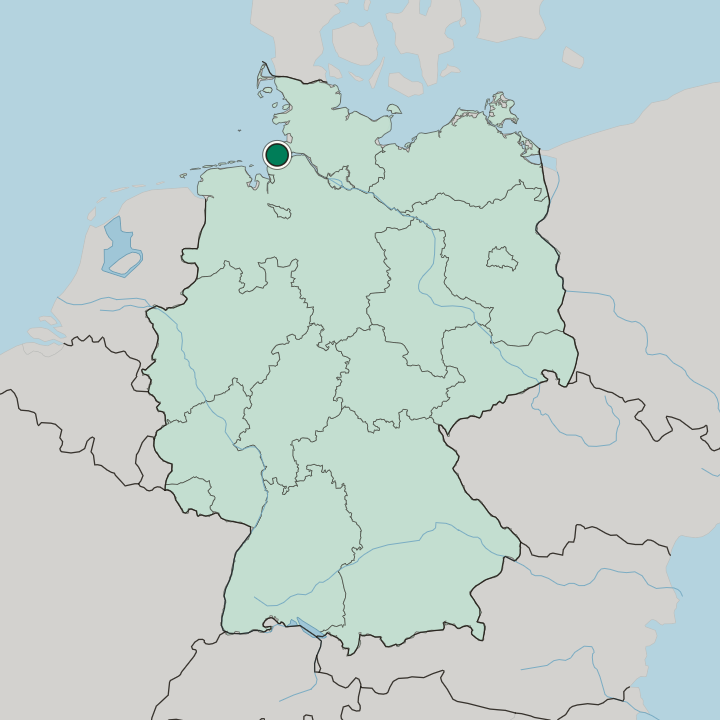
Cuxhaven is a North Sea port and resort town at the mouth of the Elbe, with the Kugelbake beacon standing at its outermost point.
Hotel links are affiliate links: booking through them may earn us a commission, at no extra cost to you. It never affects how places are ranked. How this works


Where to stay in Cuxhaven
Each area has its own feel; here's who each one suits.

 CuxhavenGermanyWalking out to the Kugelbake at the point
Döse
Shore streets on the same stretch as the Kugelbake, closer in than SahlenburgDöse → CuxhavenGermany
Ritzebüttel
Ritzebüttel is the museum quarter of Cuxhaven, built around Schloss Ritzebüttel, St. Marien and the Joachim-Ringelnatz-Museum.Where to stay → CuxhavenGermany
Altenwalde
Altenwalde is a village within the town of Cuxhaven, some twenty-five square kilometres of Lower Saxony ground around the Kreuzkirche Altenwalde.Where to stay → CuxhavenGermany
Altenbruch
Altenbruch is a village district of Cuxhaven laid out along a single road for fifteen kilometres, first named in a document of 12 November 1280.Where to stay →Hotel links are affiliate links: booking through them may earn us a commission, at no extra cost to you. It never affects how places are ranked. How this works
Find hotels in Cuxhaven
Direct booking searches for these neighbourhoods.
Duhnen
The shore quarter with the widest choice of rooms on the North Sea side of CuxhavenFind hotels in DuhnenQuiet nights at the far end of the Cuxhaven shoreSahlenburg
The thinnest of the three holiday quarters for rooms and for traffic alikeFind hotels in SahlenburgBoats to Heligoland and a morning in Windstärke 10The harbour town
Port streets with the Wrackmuseum Cuxhaven and Schloss Ritzebüttel close byFind hotels in The harbour townHotel links are affiliate links: booking through them may earn us a commission, at no extra cost to you. It never affects how places are ranked. How this works
Things to do in Cuxhaven
Ranked by global recognition; descriptions from Wikidata (CC0).
Museums & Galleries
3- Windstärke 10 – Shipwreck and Fishing Museum Cuxhaven
- Joachim-Ringelnatz-Museum
- Wrackmuseum Cuxhaven
Churches & Religious Sites
6- St. Nicolai Heritage
- St.-Petri-Kirche Heritage
- St. Gertrudkirche Heritage
- Herz Jesu Heritage
- Martinskirche Heritage
Show 1 more →
- St. Abundus Heritage
Castles & Historic Sites
1- Altenwalder Burg
Stadiums & Sports
1- Rundturnhalle Cuxhaven
Landmarks & Notable Places
3- Kugelbake Heritage
- Friedrich Clemens Gerke Tower
- Cuxhaven radar tower
worth knowingacross 5 categories in Cuxhaven
About Cuxhaven
What is Cuxhaven known for?
The Elbe empties into the North Sea at Cuxhaven, and the resort quarters of Duhnen, Döse, and Sahlenburg line the shore with beaches, mudflats, and views out toward Heligoland. Kugelbake marks the outer tip. Fishing and shipwreck history fill Windstärke 10 and the Wrackmuseum Cuxhaven, while Schloss Ritzebüttel keeps the older town's story.
Heligoland lies offshore beyond it.
What are the main landmarks in Cuxhaven?
The Kugelbake stands at the outermost point of the shore, a mark that has come to stand for the town as much as the harbour or the beaches at Duhnen. Schloss Ritzebüttel holds the older ground. Windstärke 10 and the Wrackmuseum Cuxhaven cover wrecks and fishing, the Joachim-Ringelnatz-Museum a single life, and the Friedrich Clemens Gerke Tower marks the skyline.
Martinskirche and Herz Jesu keep the parish end of the list.
What is the history of Cuxhaven?
Everything here began with the water. A port grew at the mouth of the Elbe, the Kugelbake went up at the outermost point of the shore, and Schloss Ritzebüttel gave the town its castle. Town rights came in 1907.
Harbour and streets filled in around that point over the following generations. The Cuxhaven district takes its name and its administration from the town, a role that sits beside the harbour work in what the place does. The sea kept taking ships.
Two museums are given to that record: the Wrackmuseum Cuxhaven, and Windstärke 10, which sets the wrecks beside the story of the fishing fleet that worked out of the harbour. The Minensucher-Denkmal keeps its own memory. The Joachim-Ringelnatz-Museum and the Schneidemühler Heimatstuben keep narrower subjects, while the Martinskirche and Herz Jesu serve parishes in a town that grew fast around its harbour.
A round gymnastics hall, the Rundturnhalle Cuxhaven, survives from that growth. Duhnen, Döse, and Sahlenburg grew into the holiday quarters, and the beach trade runs alongside the port and the fishing that came before it. Towers followed later, the Friedrich Clemens Gerke Tower and the Cuxhaven radar tower among them.
Where is Cuxhaven?
The town spreads along the shore for some 14 kilometres from east to west and about 7 from north to south, a thin strip of coast rather than a compact block. Water sets every edge here. Duhnen, Döse, and Sahlenburg sit out along that shore, while the Elbe runs past the port on its last stretch before the open water.
Heligoland lies out in the sea beyond the estuary, and Lower Saxony ends around the town.
What is the climate of Cuxhaven?
The North Sea rules the weather. Wind off the open water keeps Cuxhaven cooler than the inland towns in summer and milder in winter, and squalls arrive on the coast with little warning at any time of year. The temperate band gives Cuxhaven a long, grey shoulder season on either side of the short bathing summer.
How do you get to Cuxhaven?
The town sits at the end of the Elbe, and the road and rail routes out of Lower Saxony run to it rather than through it, since the coast stops everything at the water. Boats carry on from there. Heligoland lies off the coast and is reached from Cuxhaven rather than overland, which puts sea traffic among the ordinary ways of arriving and leaving.
Duhnen, Döse, and Sahlenburg sit within the town's own spread.
Common questions
What is the best area to stay in Cuxhaven?
Duhnen: Beach days on the sand that faces Heligoland. Döse: Walking out to the Kugelbake at the point. Sahlenburg: Quiet nights at the far end of the Cuxhaven shore. The harbour town: Boats to Heligoland and a morning in Windstärke 10.
Good for
More cities in Lower Saxony
Updated October 2026