Germany · Lower Saxony · Göttingen
Geismar, Göttingen — Area Guide & Where to Stay
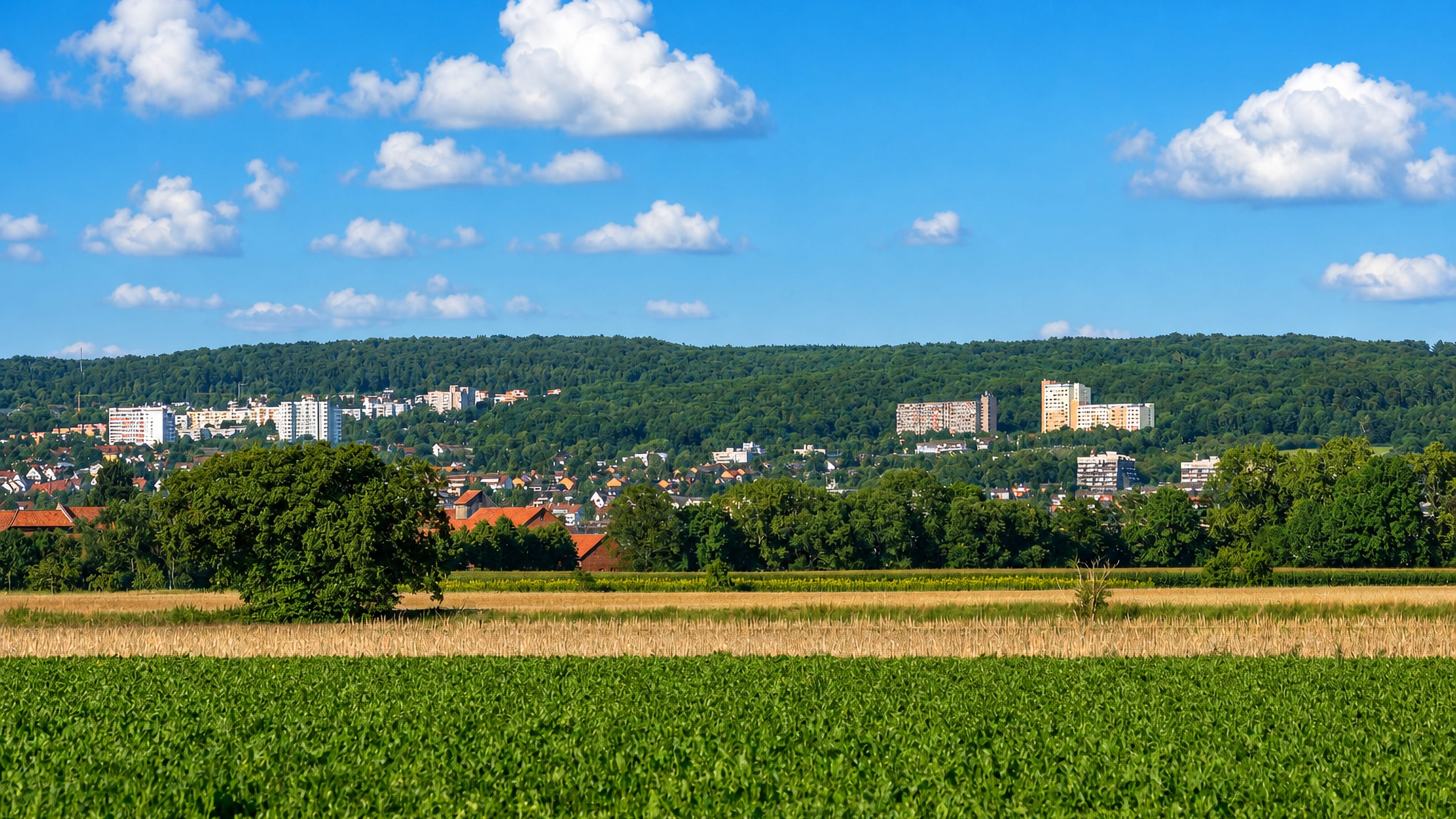
Geismar is the southernmost Stadtteil of Göttingen and the one with the most people, first named in a foundation charter of 1055.
Hotel links are affiliate links: booking through them may earn us a commission, at no extra cost to you. It never affects how places are ranked. How this works


Where to stay in Geismar
Where the beds are, and what that means for the visit.
There is no edge to cross. Geismar merges into the Südstadt and the Oststadt without a line you can see, so a room here is a room in southern Göttingen rather than in a place apart, and the university core is a short ride north. It is the largest Stadtteil by population.
That shows in the fabric more than in any centre, because the built ground runs on from the city with the open country of Rosdorf, Friedland and Gleichen beginning only at the outer boundary. Springs are the one local feature.
Things to do in and around Göttingen
Ranked by global recognition; descriptions from Wikidata (CC0).
Museums & Galleries
1- Museum am Thie
Churches & Religious Sites
3- St. Martin Heritage
- Kreuzkirche Heritage
- Maria Frieden
worth knowingacross 2 categories in and around Göttingen
About Geismar
What are the main landmarks in Geismar?
The name is the oldest thing here. Jakob Grimm read the two syllables as Old High German and Celtic and rendered them the place of bubbling springs, which fits the springs and brooks the settlement grew on and matches the other places called Geismar or Hofgeismar. Newer work reads it differently.
The first syllable is taken from Indo-European for trembling or shimmering and the second from Old Frisian for a low-lying place or a marsh, which gives shimmering marsh, not far from Grimm's answer after all. A church is the built anchor. The charter of 1055 names Geismar as a mother church, which gave the village a standing among its neighbours, and the christianisation and the first church probably fall in the time of Charlemagne around 800.
What is the history of Geismar?
People farmed here in the Stone Age. Archaeological finds show settlement on Geismar ground from the Neolithic onward, long before anything was written down about the place. The first document is 1055.
Geismar appears that year in a foundation charter of the Petersstift at Nörten, which names it a mother church, and that status marked it out among the villages around Göttingen at the time. The church itself is older than the charter. The christianisation of the village and the building of its first church probably belong to the reign of Charlemagne, around the year 800, which puts more than two centuries between the church and the first mention of it.
Göttingen absorbed it much later. The village became the southernmost Stadtteil of the university city and the one with the most people, running into the Südstadt and the Oststadt so completely that the old boundary is no longer visible on the ground.
Where is Geismar?
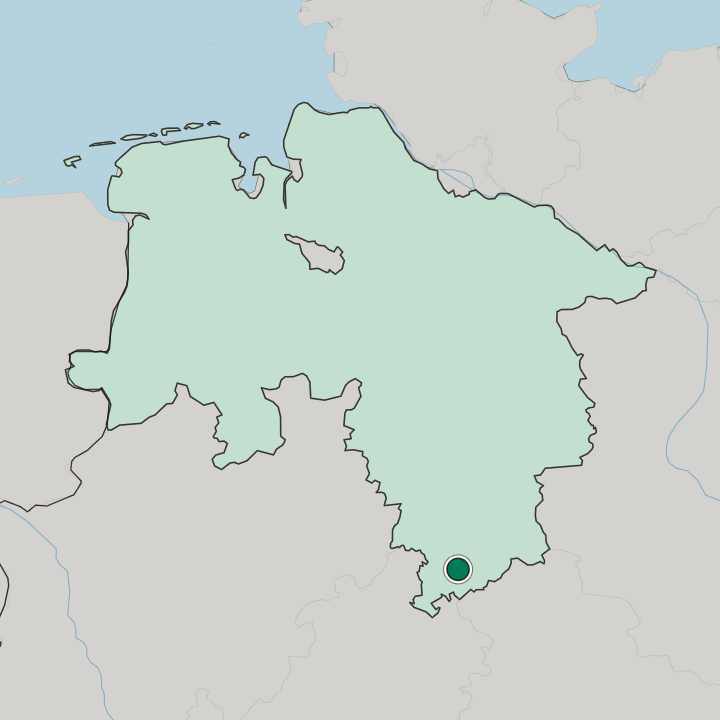
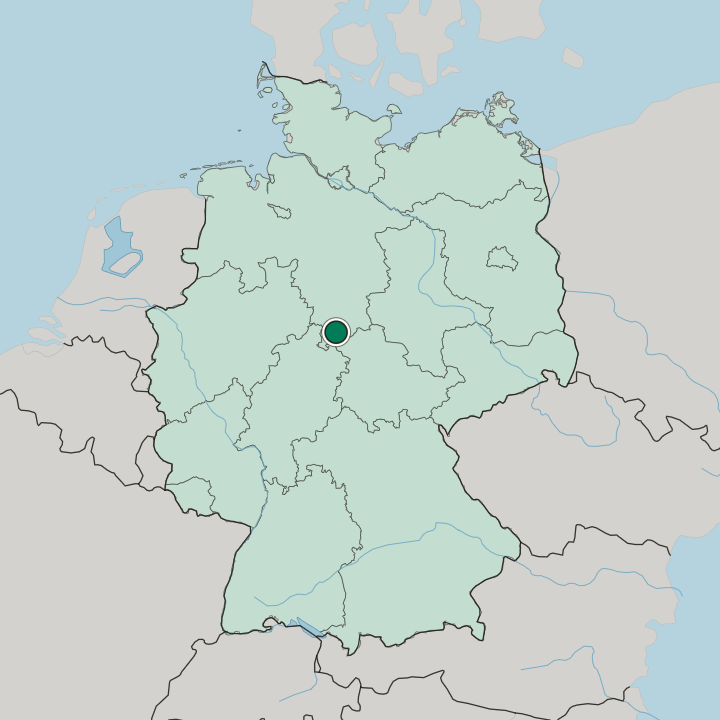
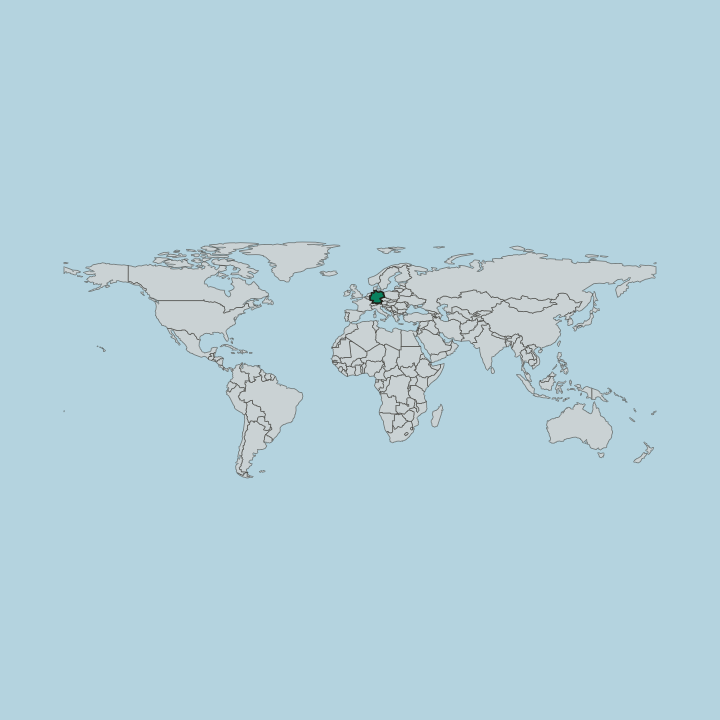
Geismar runs into the Südstadt and the Oststadt to the north with no visible boundary, and it borders the communes of Rosdorf to the west, Friedland to the south and Gleichen to the southeast.
Good for
Updated October 2026