Germany · Lower Saxony
Where to Stay in Göttingen, Lower Saxony
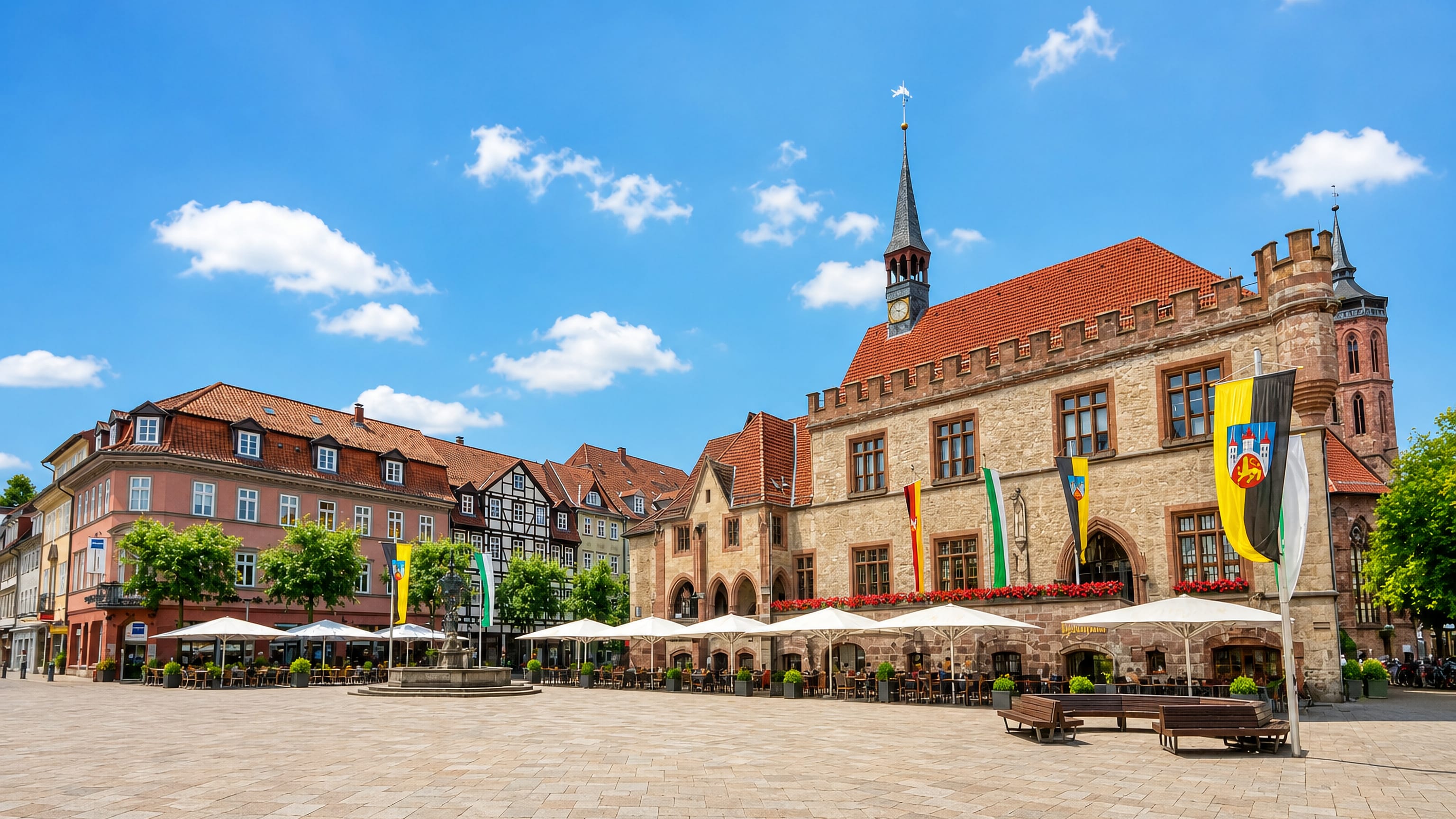
The River Leine threads through Göttingen, a university city in southern Lower Saxony known for the Georg-August University and its walled old town.
Hotel links are affiliate links: booking through them may earn us a commission, at no extra cost to you. It never affects how places are ranked. How this works


Where to stay in Göttingen
One neighbourhood here has its own guide — here's what it is best for.

 GöttingenGermany
Geismar
Geismar is the southernmost Stadtteil of Göttingen and the one with the most people, first named in a foundation charter of 1055.Where to stay →Hotel links are affiliate links: booking through them may earn us a commission, at no extra cost to you. It never affects how places are ranked. How this works
Find hotels in Göttingen
Direct booking searches for these neighbourhoods.
Altstadt
Wraps the Gänseliesel fountain and St. Jacobi in half-timbered lanes walkable within minutesFind hotels in AltstadtRail travellers passing through with onward trainsBahnhofsviertel
Sits beside Göttingen's main station for quick platform access west of the old coreFind hotels in BahnhofsviertelQuieter stays beside the old ramparts and the LeineAm Wall
Follows the green Wall belt past the Bismarckhäuschen where the young Bismarck lodgedFind hotels in Am WallHotel links are affiliate links: booking through them may earn us a commission, at no extra cost to you. It never affects how places are ranked. How this works
Things to do in Göttingen
Ranked by global recognition; descriptions from Wikidata (CC0).
Museums & Galleries
3- Städtisches Museum Göttingen Heritage
- Forum Wissen
- Ethnological Collection of the Georg-August University Göttingen
Churches & Religious Sites
8- St. Jacobi Heritage
- St. Albani (Göttingen) Heritage
- SS. Peter and Paul's Church, Göttingen Heritage
- St. Michael Heritage
- St. Paulus Heritage
Show 3 more →
- St. Marien-Kirche Heritage
- Evangelisch-reformierte Kirche Göttingen Heritage
- St. Petri Heritage
Castles & Historic Sites
3- Siedlung Rosdorf Mühlengrund
- Wilhelmsplatz, Denkmal Wilhelm IV
- Gottfried-August-Bürger-Denkmal
Landmarks & Notable Places
1- Bismarckhäuschen Heritage
worth knowingacross 4 categories in Göttingen
About Göttingen
What is Göttingen known for?
Göttingen is known above all for the Georg-August University, whose institutes fill the medieval core and give the city its student character. Learning defines it. The Forum Wissen and the Ethnological Collection of the Georg-August University Göttingen carry that reputation into public halls, while the River Leine and the ring of old churches anchor the town it grew from.
Its name has long stood for scholarship in central Germany.
What are the main landmarks in Göttingen?
Göttingen's landmarks cluster in and around the walled old town, where a Gothic church, a rampart cottage, and a run of medieval parishes stand within a short walk of one another. Peter and Paul's Church and the tower of St. Jacobi rise over the market square, joined nearby by St. Albani and St. Marien-Kirche. The Städtisches Museum Göttingen and the Forum Wissen hold the city's collections.
On the old rampart walk stands the small Bismarckhäuschen, and the Gottfried-August-Bürger-Denkmal recalls the poet tied to the town. Old stone dominates.
What is the history of Göttingen?
Göttingen first appears in the record in 953, as a village on the River Leine in what is now southern Lower Saxony. It grew slowly at first. Over the medieval centuries it gained walls, a market, and the parish churches of St. Jacobi and St. Albani, joining the Hanseatic trade that linked the towns of central Germany.
Those ramparts that once ringed it survive only as the tree-lined Wall. A turning point came with learning. Establishing the Georg-August University drew scholars and printers into the old streets, and the town reshaped itself around lecture halls, libraries, and the trade that served them.
Poets and thinkers passed through, among them the writer honoured by the Gottfried-August-Bürger-Denkmal. Newer institutions such as the Forum Wissen and the Ethnological Collection of the Georg-August University Göttingen extend that scholarly line into public view. The university remains the thread running through the city's whole story.
Where is Göttingen?
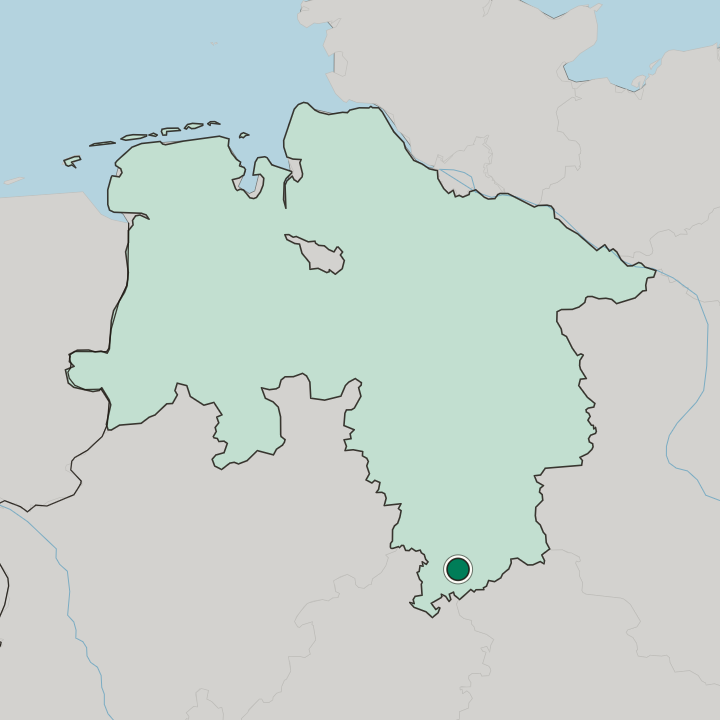
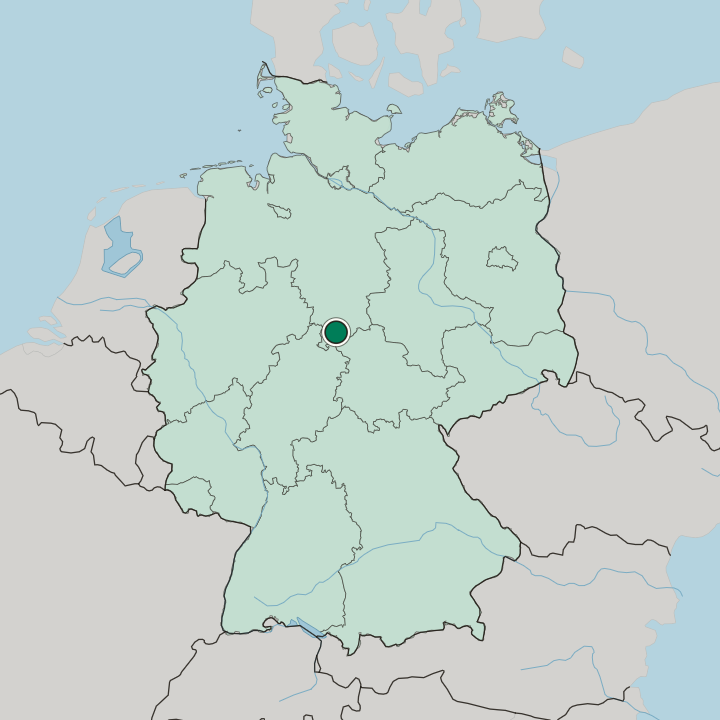
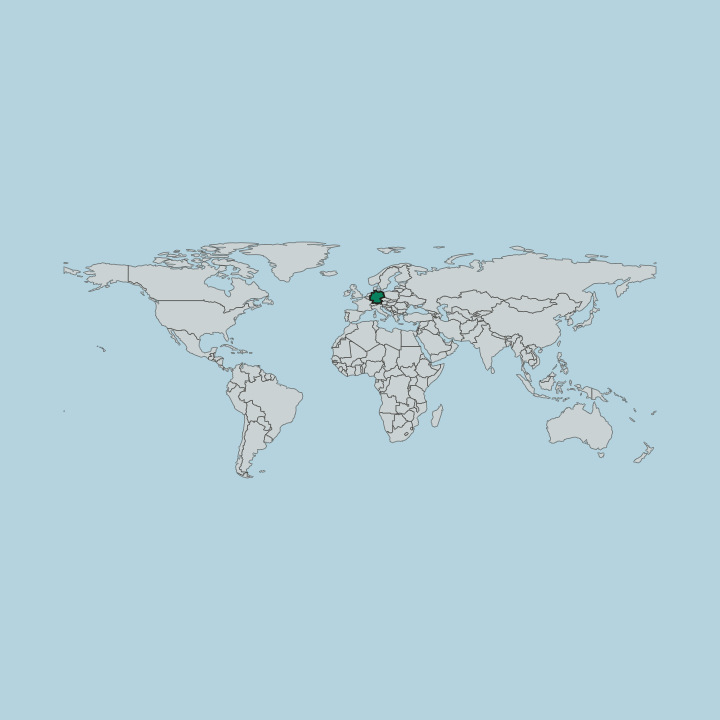
Göttingen lies in southern Lower Saxony, in central Germany, near the point where the state borders Hesse and Thuringia. The River Leine runs through the city, draining the low valley it sits in, with wooded hills rising on either side toward the Harz to the east. The old town fills the flat valley floor.
This meeting of three states has long made it a crossing point between north and central Germany.
What is the climate of Göttingen?
Göttingen has a temperate, moist climate typical of the inland valleys of central Germany. Winters are cool and grey, with frost settling in the low Leine valley and occasional snow on the wooded hills around the city. Summers stay mild and green, warm enough for the market square to fill but rarely hot.
Rain falls across the year. The sheltered valley keeps the weather steadier than the exposed uplands nearby.
How do you get to Göttingen?
Göttingen sits on the main north-south rail line through central Germany, and its station puts fast trains within easy reach from the larger cities to the north and south. The Bahnhofsviertel beside the platforms makes arrival by rail simple. Roads follow the Leine valley in and out of the city, tracing the same corridor the trains use.
Most visitors come by train.
Common questions
What is the best area to stay in Göttingen?
Altstadt: First-time visitors who want the market square and lecture halls at the door. Bahnhofsviertel: Rail travellers passing through with onward trains. Am Wall: Quieter stays beside the old ramparts and the Leine.
Good for
More cities in Lower Saxony
Updated October 2026