Algeria · Wilaya d’ Alger
Where to Stay in Algiers, Wilaya d’ Alger
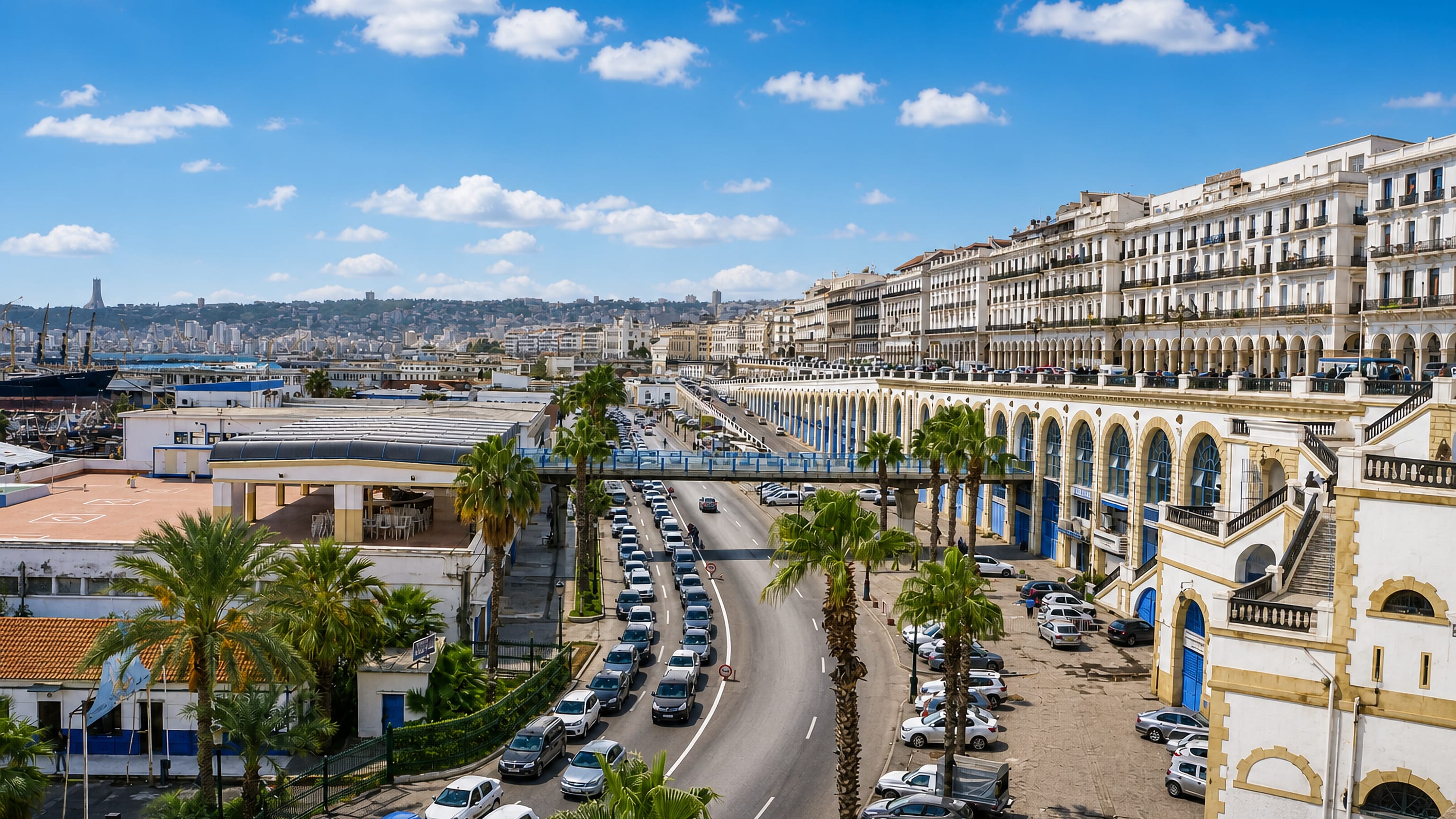
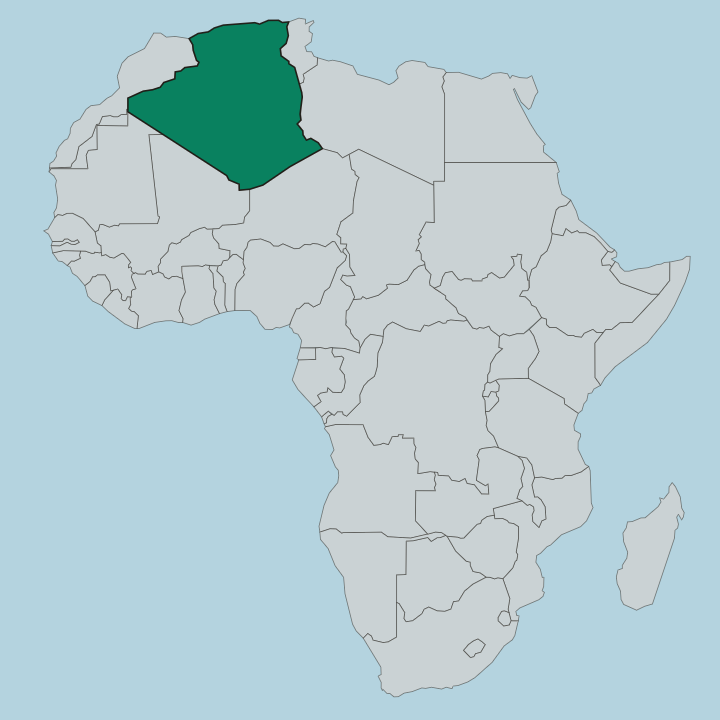
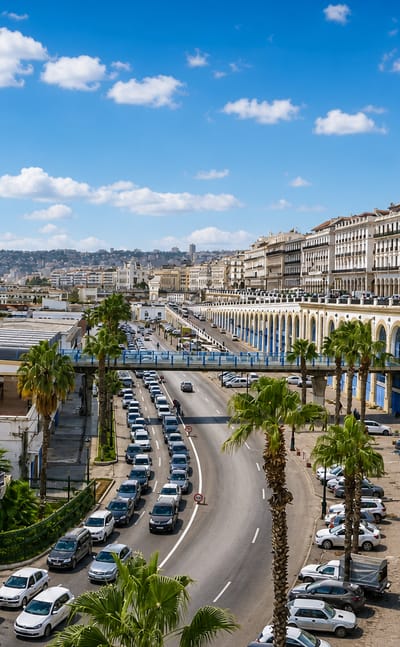
Algiers is the capital and largest city of Algeria, its white terraces rising from the Bay of Algiers above the Mediterranean coast.
Hotel links are affiliate links: booking through them may earn us a commission, at no extra cost to you. It never affects how places are ranked. How this works


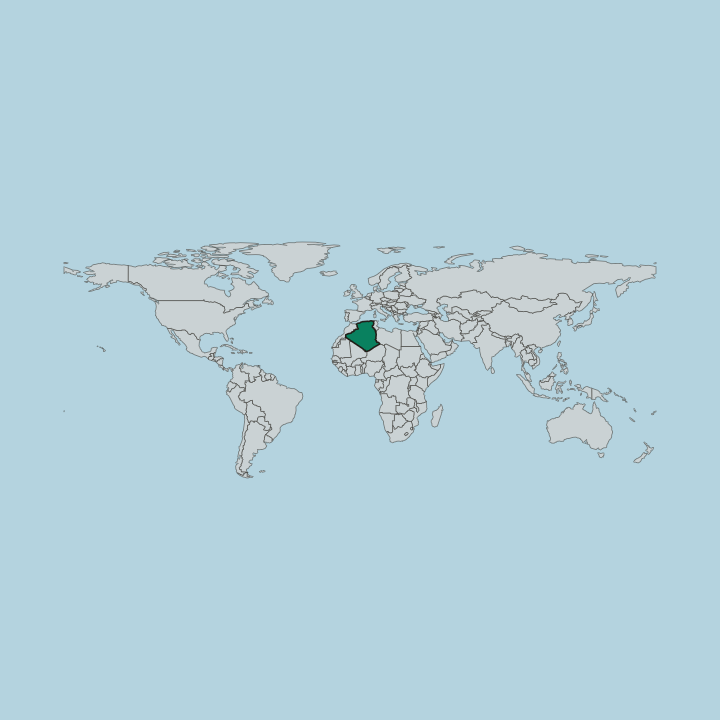
Where to stay in Algiers
One neighbourhood here has its own guide — here's what it is best for.
 AlgiersAlgeria
Hydra
Hydra is a commune on the plateau of western Algiers, inside the Bir Mourad Raïs district and among the wealthier parts of the Algerian capital.Where to stay →Hotel links are affiliate links: booking through them may earn us a commission, at no extra cost to you. It never affects how places are ranked. How this works
Find hotels in Algiers
Direct booking searches for these neighbourhoods.
Seafront centre
Grand French-era boulevards and promenades above the harbour, a short walk from the port and museums.Find hotels in Seafront centreThe historic core at the doorThe Casbah
Whitewashed stepped lanes climbing the hillside old town, few and simple beds above the bay. Beds are limited here, so book early.Find hotels in The CasbahCalm, green hillside heightsEl Biar
Residential upper quarter with long views back down over the Bay of Algiers and the Mediterranean.Find hotels in El BiarHotel links are affiliate links: booking through them may earn us a commission, at no extra cost to you. It never affects how places are ranked. How this works
Things to do in Algiers
Ranked by global recognition; descriptions from Wikidata (CC0).
Museums & Galleries
3- National Museum of Fine Arts of Algiers Heritage
- Bardo National Museum
- Museum of Antiquities
Churches & Religious Sites
1- Holy Trinity Anglican Church (Algiers)
Castles & Historic Sites
1- Rais Palace Heritage
Nature & Outdoors
1- Ben Aknoun Park
Stadiums & Sports
2- Hassen Harcha Arena
- El Biar Multipurpose Hall
worth knowingacross 5 categories in Algiers
About Algiers
What is Algiers known for?
Algiers is known for its white waterfront city above the Bay of Algiers, wrapped around the old Casbah. The Casbah, a maze of whitewashed houses climbing the hillside, sits above broad French colonial boulevards and promenades along the Mediterranean, and the concrete arch of the Martyrs Memorial rises over it all. Ottoman and French centuries left their mark.
The bay curves below. People come for the Casbah, the sea views, and the museums and palaces that hold the long story of the Algerian capital.
What are the main landmarks in Algiers?
Algiers keeps its landmarks between the Casbah and the sea. The concrete arch of the Martyrs Memorial stands on the heights above the city, while the whitewashed Casbah itself, with its Ottoman houses and the Rais Palace on the shore, holds the old quarter below. Museums fill the centre.
The National Museum of Fine Arts of Algiers, the Bardo National Museum, the Museum of Antiquities, and the Museum of Modern Art of Algiers gather the country's art and history within a short reach of the seafront boulevards.
What is the history of Algiers?
Algiers was founded in the year 944 on the shore of the bay that carries its name. The city grew on the slopes above the water, and its old core, the Casbah, took shape as a walled Ottoman town of palaces, houses, and stepped lanes when Algiers became a stronghold of Ottoman power on the Mediterranean. For centuries it ruled the coast.
Its rulers looked out from the harbour below the Casbah, and the town became the center of Ottoman influence across the region, a fortified capital set above the sea. French forces later took the city, and French colonial rule reshaped Algiers over generations, cutting broad boulevards and building the arcaded seafront below the older Ottoman quarter. Two cities met on the hill.
The long struggle for Algerian independence ran through these streets, and independence made Algiers the capital of a new nation. The Martyrs Memorial on the heights above the city marks that fight. From a medieval foothold on the Bay of Algiers to the capital of Algeria, the city carries its Ottoman, French, and Algerian layers one above the other on the slope.
Where is Algiers?
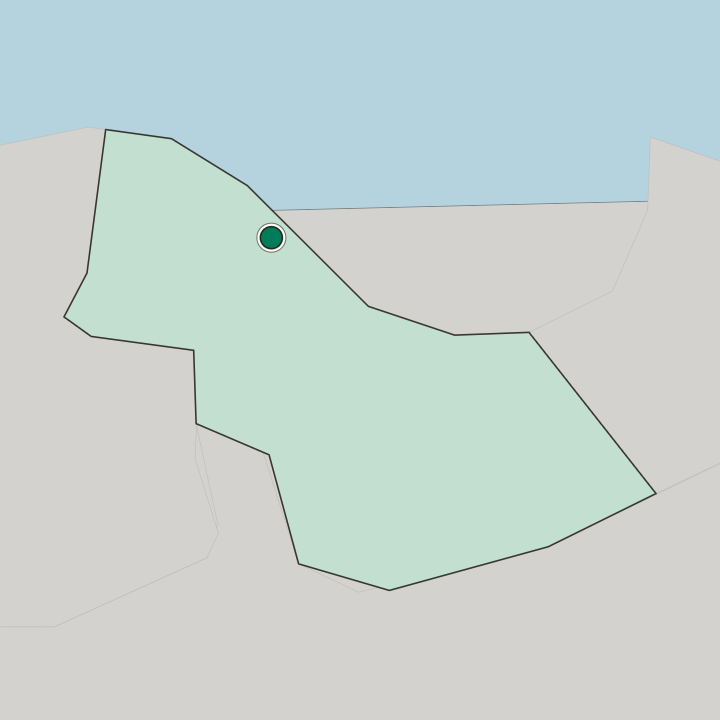
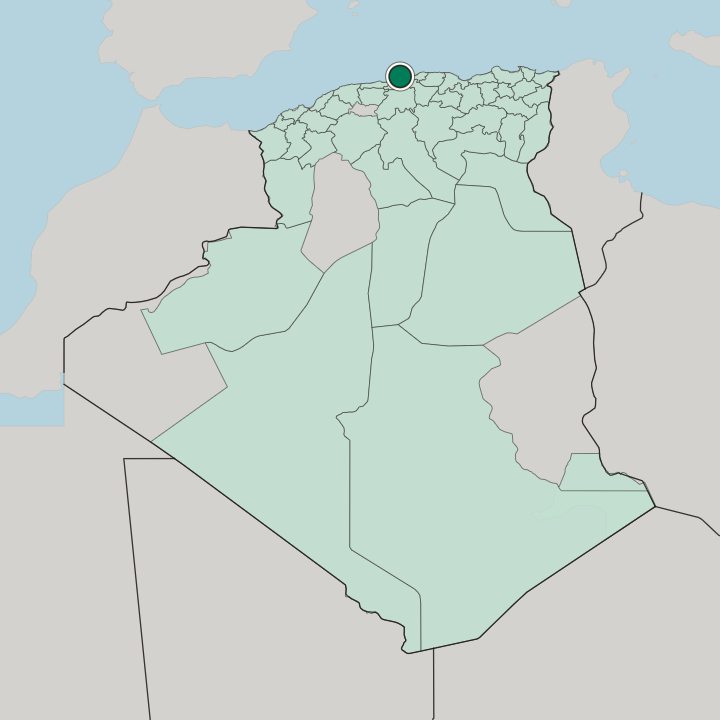
Algiers stands on the Mediterranean coast, wrapped around the Bay of Algiers where the land climbs steeply from the water. The city rises in tiers up the hillside above the bay, from the harbour and seafront to the heights that overlook the sea, while behind it the broad Mitidja Plain opens inland and the mountain ranges close off the horizon. Hills hem it in.
The bay, the plain, and the mountains set the bounds of the Algerian capital on its stretch of the Mediterranean.
What is the climate of Algiers?
Algiers has a warm Mediterranean climate softened by the sea at its door. Summers are long, hot, and dry, tempered on the coast by sea breezes off the Mediterranean, while winters stay mild and wet, bringing the year's rain to the hills above the Bay of Algiers. Snow is rare on the shore.
The city keeps green through a gentle, damp winter and dries to gold under the summer sun.
How do you get to Algiers?
Algiers is the main point of arrival in Algeria, reached by air, land, and sea. Its international airport sits just outside the city and connects the capital to cities across the Mediterranean and beyond, while ferries and freight still cross to the port below the Casbah. Roads and rail fan outward.
From the harbour and the airport the tiers of Algiers rise close at hand, and the rest of the country runs outward from the capital along the coast and over the Mitidja Plain.
Common questions
What is the best area to stay in Algiers?
Seafront centre: The classic colonial-era city. The Casbah: The historic core at the door. El Biar: Calm, green hillside heights.
Good for
More cities in Wilaya d’ Alger
Updated October 2026