Algeria · Wilaya de Bejaïa
Where to Stay in Béjaïa, Wilaya de Bejaïa
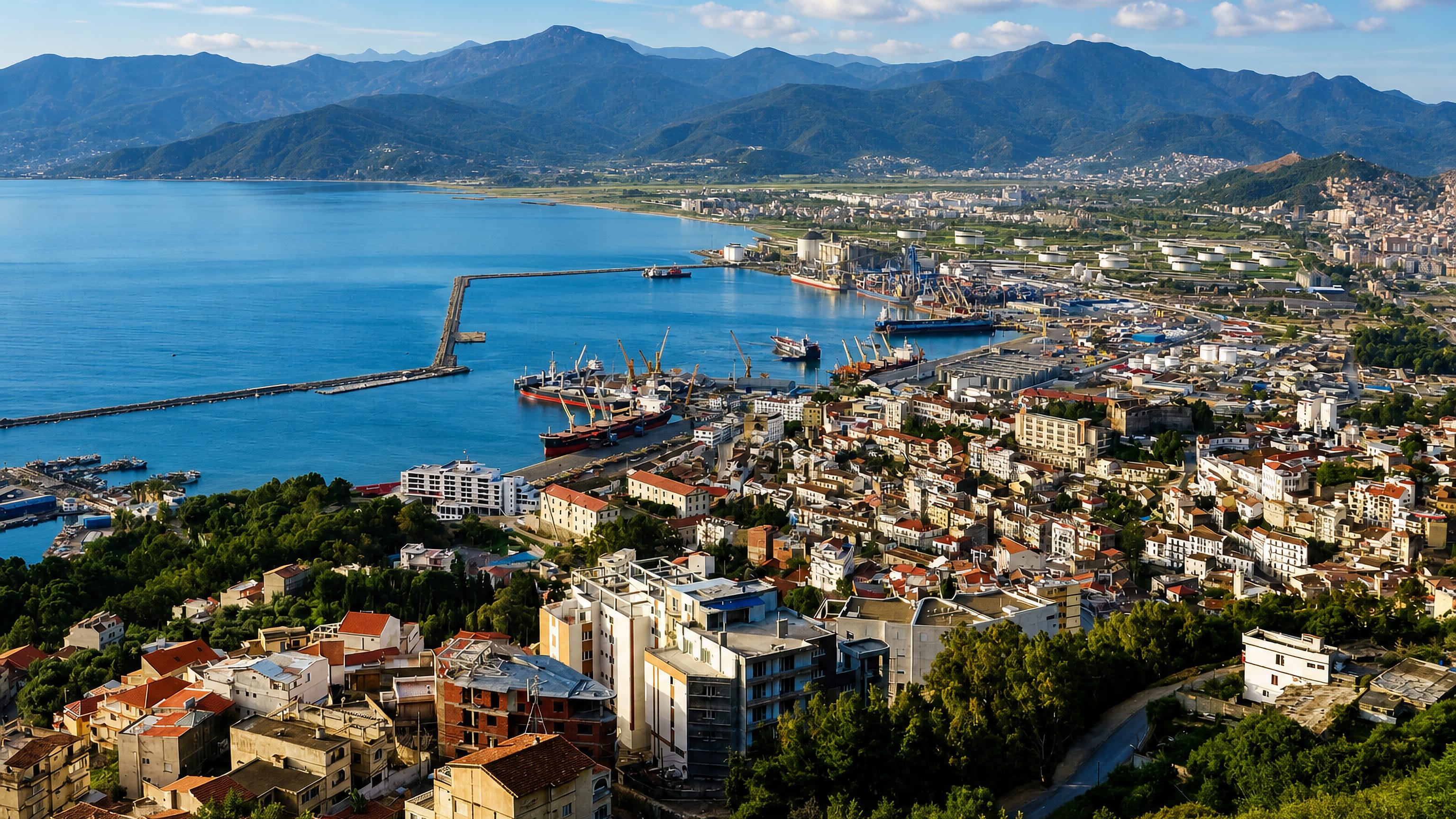
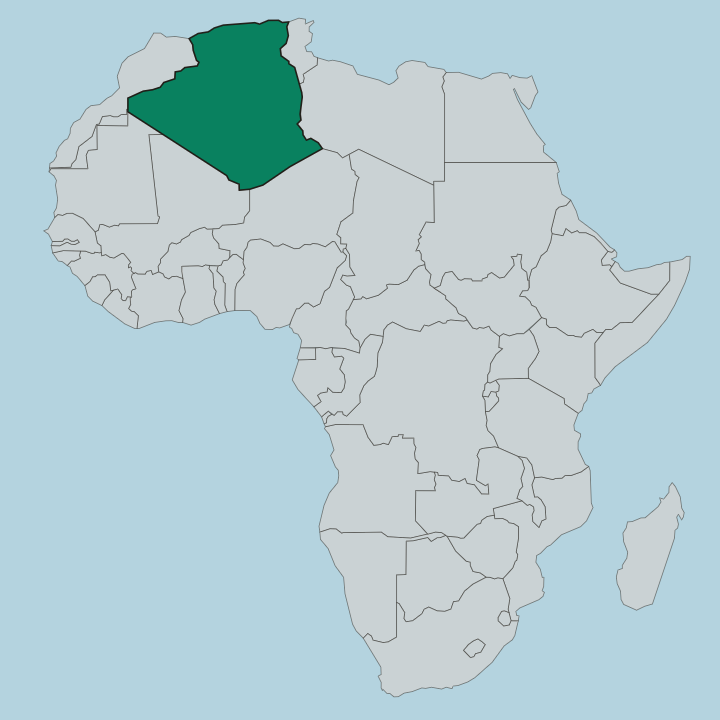
Béjaïa is a Mediterranean port city of northern Algeria, a town of Kabylie on a great bay below a green mountain, once the capital of a Berber kingdom.
Hotel links are affiliate links: booking through them may earn us a commission, at no extra cost to you. It never affects how places are ranked. How this works


Where to stay in Béjaïa
Where visitors usually base themselves, and why.
Where you stay in Béjaïa turns on the town or the mountain. The streets around the old port keep the casbah, the markets, and the harbour within a walk, and staying downtown suits anyone here for the town and the bay. The bay opens past the quays.
Green heights rise behind. Out toward Gouraya and the capes, the town gives way to the wooded park, the sea cliffs, and the hidden coves. A room by the coast trades the streets for the mountain paths, the blue coves, and the long views over the gulf.
The sea shines below the pines. Stay downtown for the port, or by the coast for the coves. From the coves it is only a short drive back into Béjaïa.
Find hotels in Béjaïa
Direct booking searches for these neighbourhoods.
The old port
Around the old town by the bayFind hotels in The old portStays wanting Gouraya and the covesThe mountain coast
Out toward the capesFind hotels in The mountain coastHotel links are affiliate links: booking through them may earn us a commission, at no extra cost to you. It never affects how places are ranked. How this works
About Béjaïa
Béjaïa is the port city of the Kabyle coast.
What is Béjaïa known for?
On a wide bay of the Mediterranean below a green mountain in northern Algeria, it was once the capital of a great Berber kingdom, and it keeps the wooded heights of Gouraya rising over the town, the old casbah and Ottoman forts by the sea, a curving bay of headlands and coves, and a name that gave Europe its word for the candle. The green mountain guards the bay. The blue sea fills the gulf.
What are the main landmarks in Béjaïa?
Mount Gouraya is the crown of Béjaïa. The green wooded massif rising sheer over the bay, topped by an old fort and falling to the sea at Cap Carbon, looks down on the town, the emblem of the coast, over the water. An old casbah holds the shore.
The walls and towers of the medieval port still stand by the harbour, while the Gouraya park, the Bordj Moussa fort, and the coves of the coast mark the country around Béjaïa.
What is the history of Béjaïa?
Béjaïa is very old. The Romans built a port here they called Saldae, and long after, a Berber dynasty made the town its capital, raising a great city of mosques and palaces on the bay that traded across the sea. Learning flourished here.
Scholars came to its schools, and a young Italian merchant learned in this port the new numbers of the Arabs that he carried back to Europe. The bay lived by trade. Béjaïa shipped wax and candles to the ports of Europe, so that its very name gave the French their word for the candle, and its harbour saw Almohads, Hafsids, corsairs, and Spaniards come and go.
The Ottomans held the coast. Under them and then the French the town kept its casbah and its bay, and Béjaïa grew into the chief port of Kabylie, keeping its mountain, its harbour, and its Berber tongue. The green heights still guard the bay.
Béjaïa keeps its harbour and its mountain on the Kabyle coast.
Where is Béjaïa?
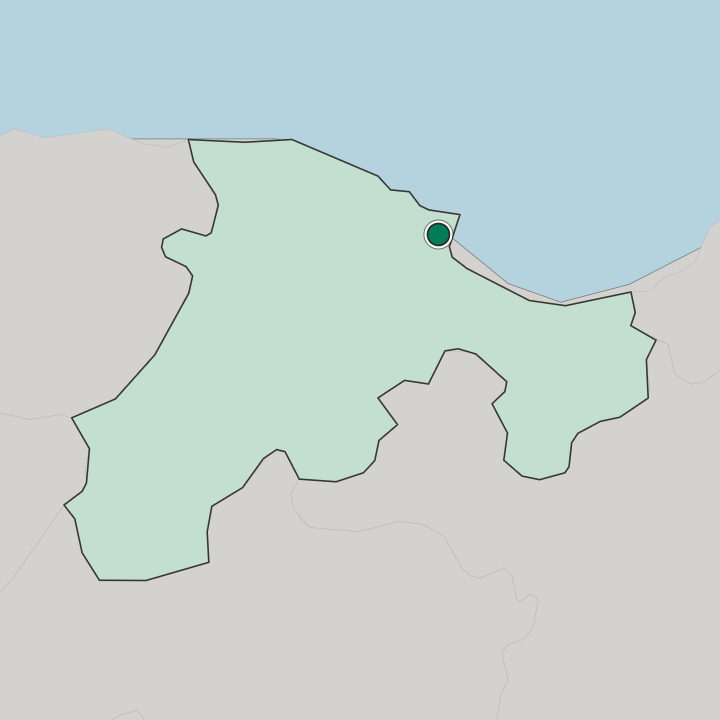
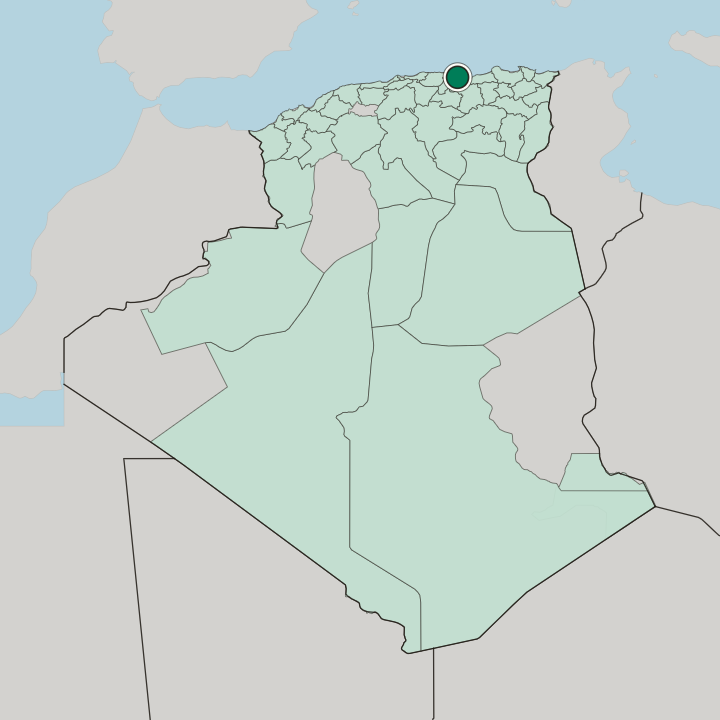
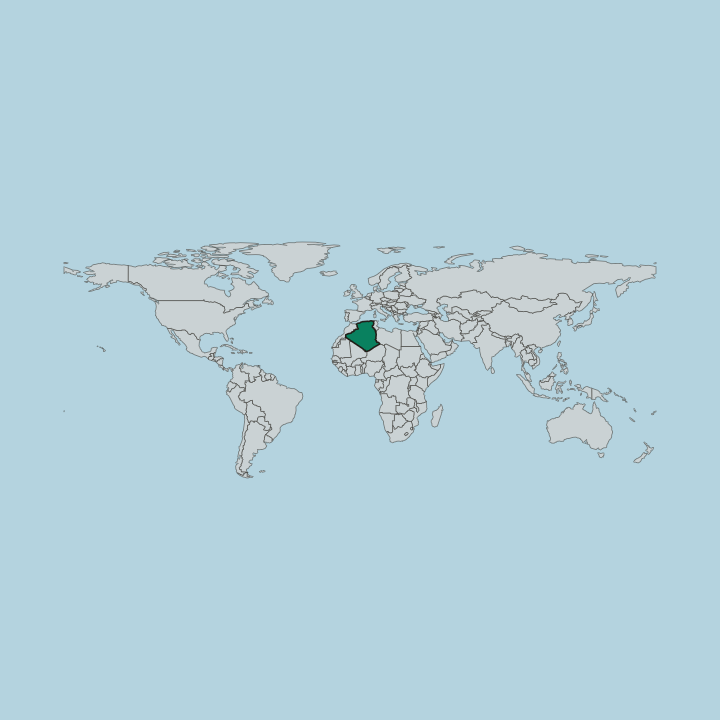
Béjaïa lies on the coast of northern Algeria, on the Gulf of Béjaïa at the foot of the Gouraya massif. The city climbs steep green slopes above the bay where the Soummam river opens to the sea, backed by the wooded mountain and hemmed by headlands and cliffs, with the Kabyle mountains rising inland. The bay curves blue below.
Green slopes climb behind.
What is the climate of Béjaïa?
The weather over Béjaïa's bay is Mediterranean, warm and dry. Hot dry summers and mild wet winters cross the coast, with long sunshine and sea breezes in summer and rain on the green mountain in winter. The summer sun beats warm.
Winter greens the slopes.
How do you get to Béjaïa?
Béjaïa lies on the Kabyle coast of northern Algeria, east of Algiers. Roads and a rail line run to it along the coast and down the Soummam valley, and its port and airport link the bay. Fishing boats and freighters keep the old port busy.
Algiers lies west along the shore.
Common questions
What is the best area to stay in Béjaïa?
The old port: Visitors here for the casbah and harbour. The mountain coast: Stays wanting Gouraya and the coves.
Good for
Updated September 2026